


Regency Female Portrait
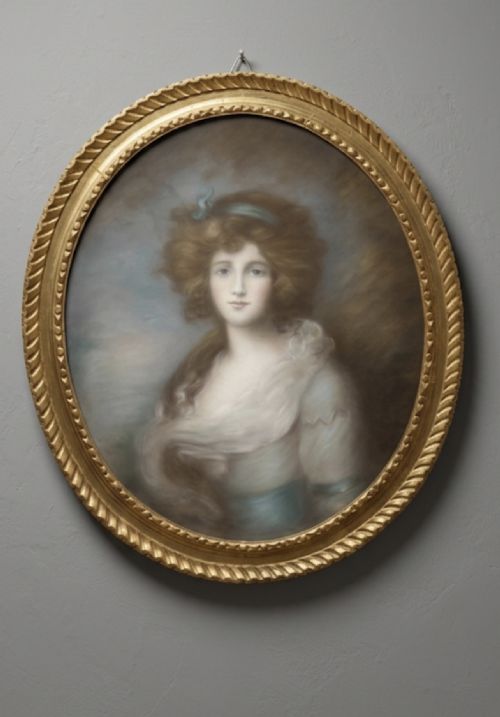
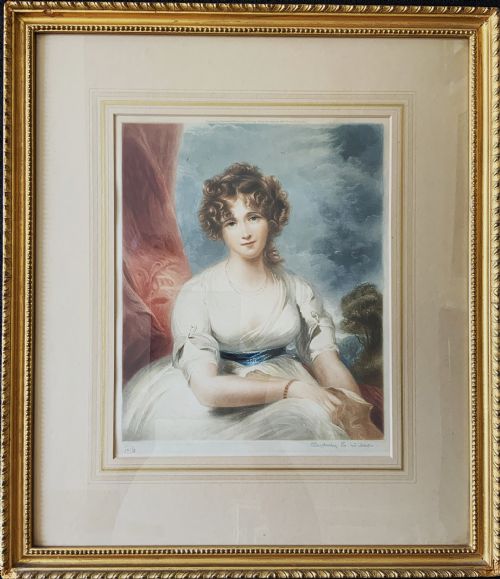
A regency female portrait captures the character and elegance of women from the early nineteenth century through delicate brushwork and silhouette.
Regency Female Portrait
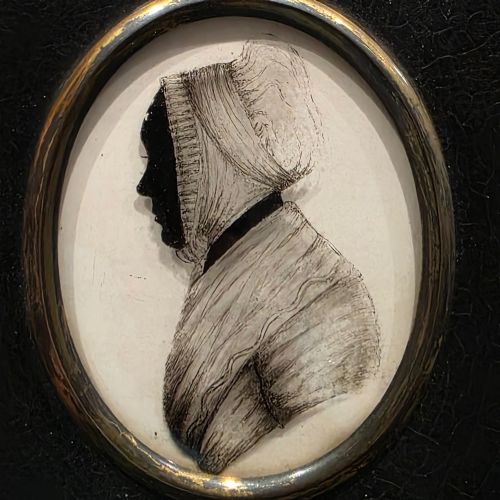
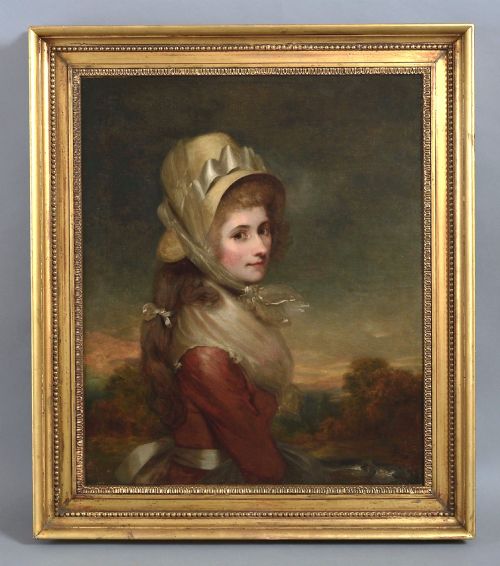
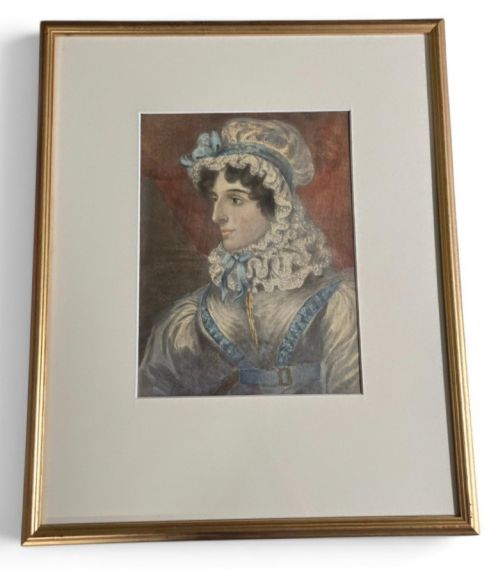
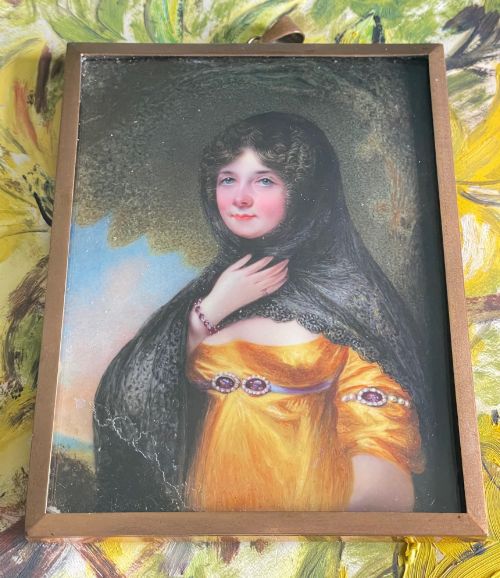
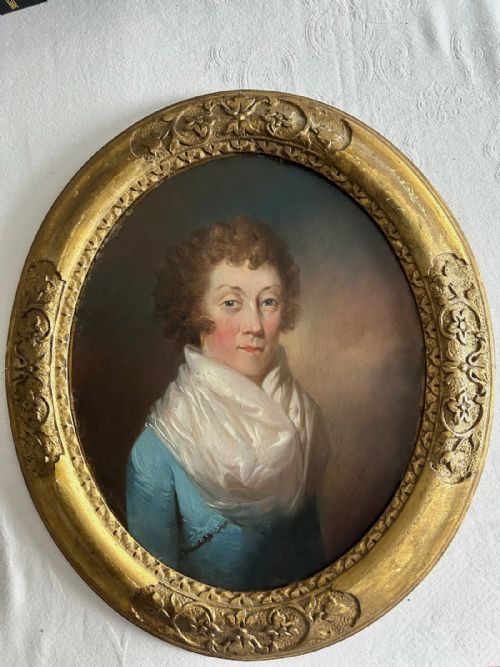
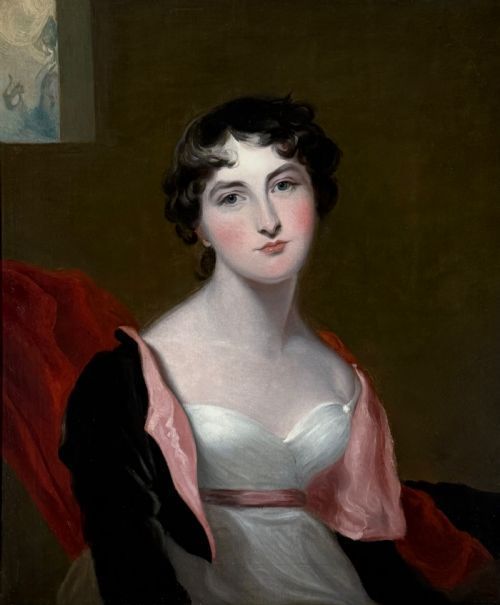
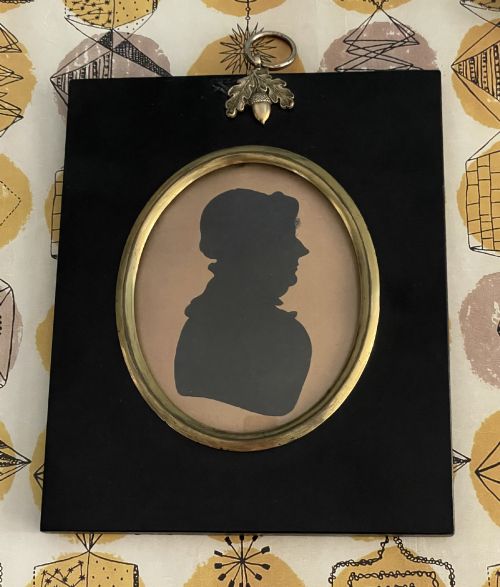
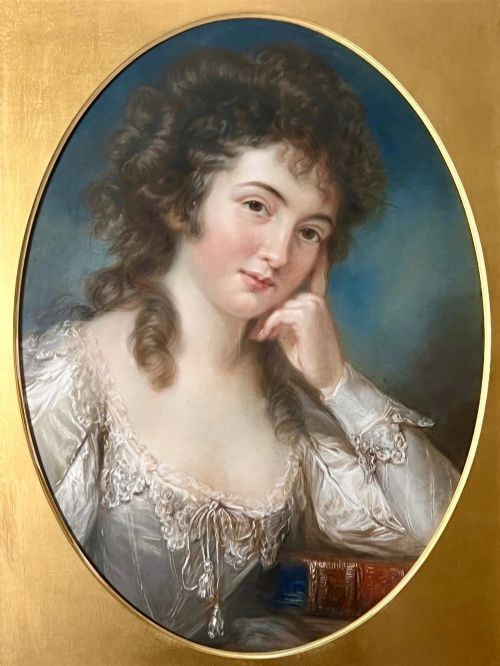
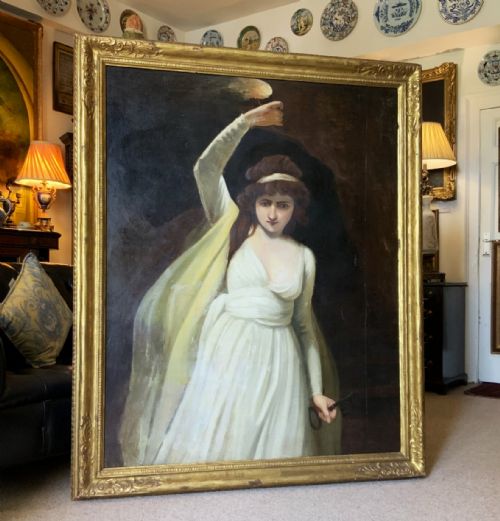
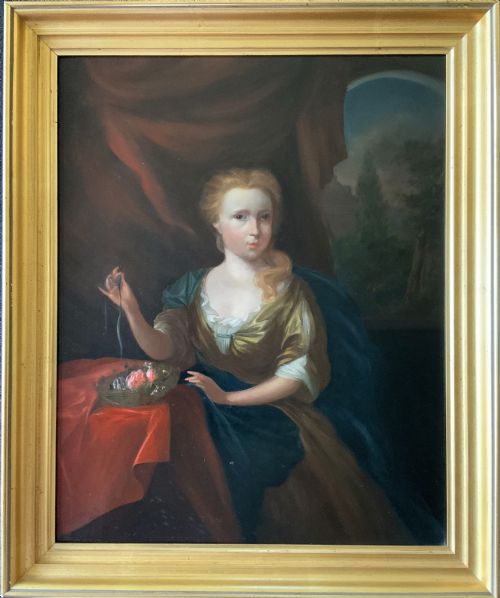
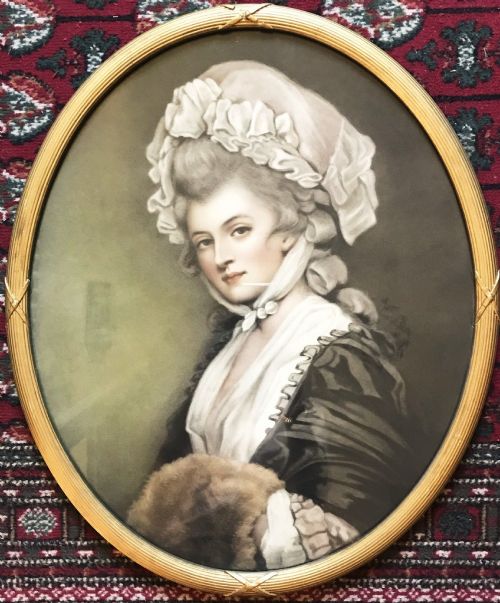
When you search for a regency female portrait, you encounter works spanning the Georgian and Regency periods up to the early nineteenth century. These pieces capture women of the era through various artistic mediums including oil paintings, watercolours, and delicate silhouettes.
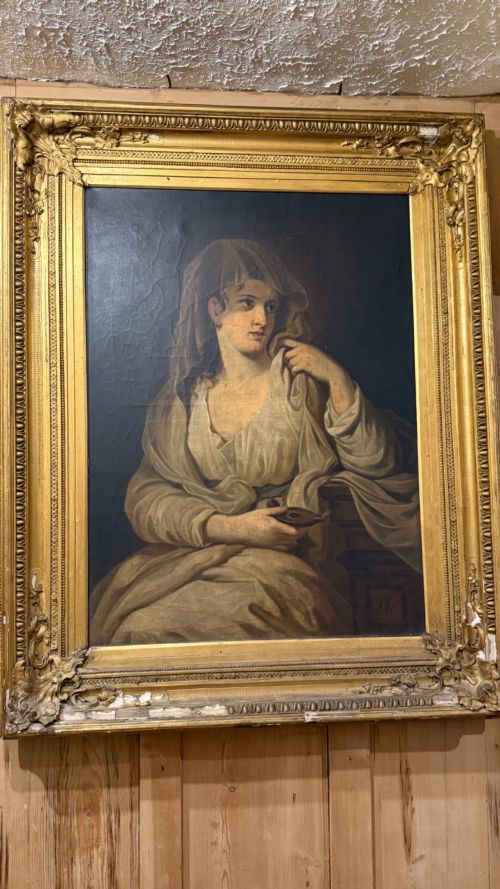
The selections available on this page most commonly appear as framed portrait miniatures or oil on canvas works. They range from intimate likenesses housed in rosewood frames to larger oil paintings reflecting neoclassical tastes.
Makers and artists of the period documented female subjects using traditional techniques that emphasise costume, such as silk dresses, bonnets, and elaborate hairstyles. These depictions offer a direct visual connection to the portraiture of the nineteenth century.
How they were made
Artists created these works using oil on canvas, watercolour, pastel, gouache, and enamel, often mounted on paper or ivory. Miniature portraits required fine precision, while larger canvases allowed for rich detailing of fabrics like silk.
Framing played an integral part in the presentation, utilising materials such as gilt wood, giltwood, brass, and rosewood. Protective glass and glazed panels preserved the delicate watercolours and paper silhouettes from environmental damage.
Regency Female Portrait Retail Price Guide 2026
Typical asking prices for regency female portrait among the pieces listed under this phrase on Sellingantiques today, from the lower quarter to the upper quarter. They describe what is for sale here now, not the wider market.
Listings feature works from the 18th century, Regency period, and 19th century, utilising mediums such as oil on canvas, watercolour, glass, and brass.
What varies in quality
The preservation of the original medium and frame influences the overall standing of a piece. Intact glass, original maple or rosewood frames, and well-maintained pigments indicate superior survival through the centuries.
Sir Martin Archer Shee·Horace Hone·John Russell RA·John Opie RA·Nicolas Freese·Henry Pierce Bone
The Regency Female Portrait Glossary
- Silhouette
- A portrait profile filled in with a solid colour, typically black, cut from paper or painted on card or plaster. These were popular methods for capturing likenesses quickly during the Georgian era.
- Portrait Miniature
- A small, highly detailed painting executed on ivory, vellum, or card, often designed to be worn or kept in a pocket. They require extreme precision with fine brushes.
- Mezzotint Engraving
- A printmaking process where the copper plate is roughened to allow deep shades and subtle gradations of tone. It gained wide use for reproducing popular painted portraits.
- Gouache
- An opaque watercolour paint mixed with a binding agent, producing a heavier and flatter finish than transparent watercolour. It was frequently employed in portrait miniatures for rich costume details.
Regency Female Portrait: Frequently Asked Questions
What is a regency female portrait?
A regency female portrait is a depiction of a woman created during the Regency or Georgian periods, typically in oil, watercolour, or silhouette form.
These artworks record the clothing, hairstyles, and societal status of women from the early nineteenth century through skilled artistic interpretation.
How were portrait miniatures displayed?
Portrait miniatures were often housed in small protective cases, pocket frames, or hung directly on walls using materials like rosewood, brass, or gilt wood.
Many included glazed panels and glass fronts to safeguard the delicate pigments and ivory surfaces from dust and handling.
What materials did artists use?
Artists worked with oil on canvas, watercolour, pastel, gouache, and enamel on surfaces including paper, card, and ivory.
Frames were constructed from wood such as maple and rosewood, frequently accented with giltwood or brass fixtures.
How do I date these portraits?
Dating relies on the sitter's costume, such as bonnet styles, silk dresses, and ringlets, alongside the documented active periods of the artists and framing techniques.
Signatures, inscriptions on the reverse, and stylistic markers like neoclassical influences also help narrow the decade of creation.