



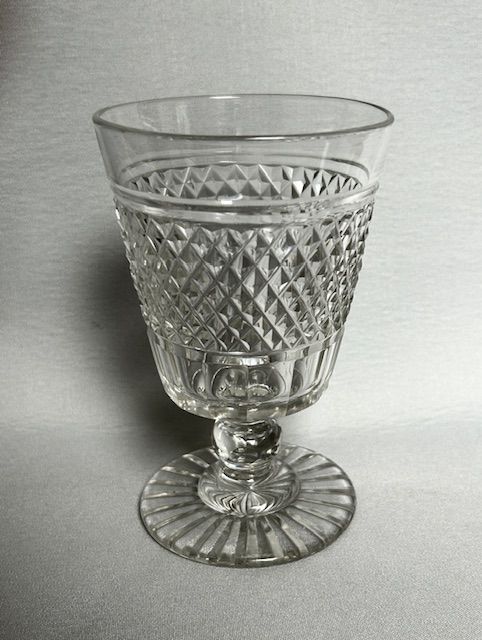


Regency Drinking Glass
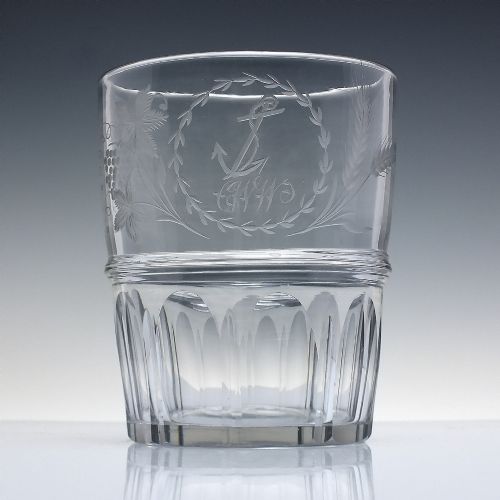
These pieces known as a regency drinking glass encompass heavy lead-crystal rummers, engraved flip glasses and armorial tankards intended for daily toasts.
Regency Drinking Glass
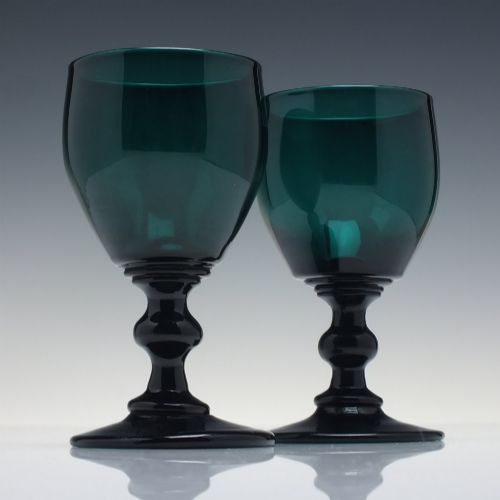
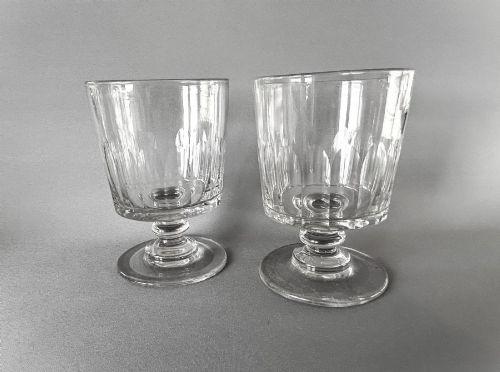
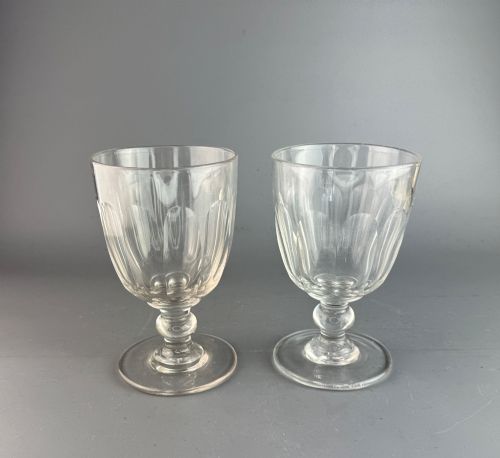
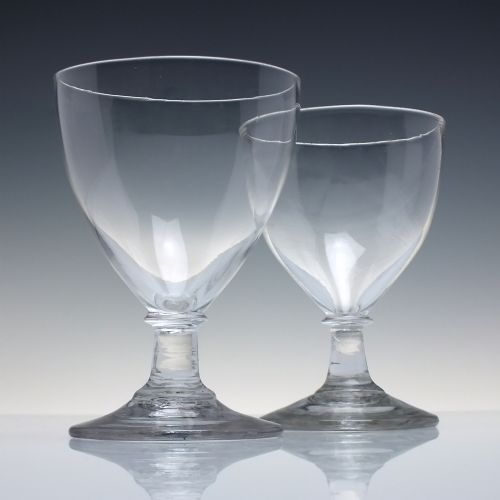
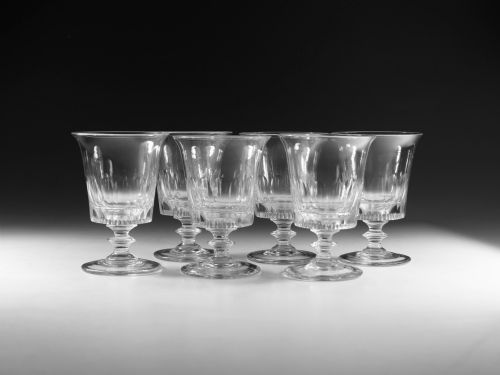
A regency drinking glass most frequently takes the form of a rummer or a heavy tumbler originating from the Georgian and Regency periods. You will encounter substantial vessels with ovoid bowls, square lemon squeezer feet and capacity for generous measures of ale or wine.
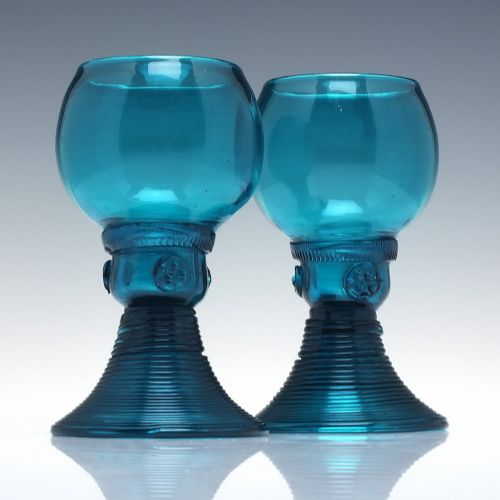
The selections span clear glass, lead crystal and striking coloured variants in peacock blue or turquoise green. Engraved hop and barley motifs sit alongside armorial crests and commemorative subjects such as the Sunderland Bridge.
While drinkware dominates, the category extends to associated serving pieces including spirit decanters and drinks trays from the broader era.
Materials and construction
Makers utilised lead glass and heavy crystal to achieve the substantial weight and refractive brilliance characteristic of these vessels. Blowing molten metal into moulds produced sturdy blanks capable of supporting deep exterior decoration.
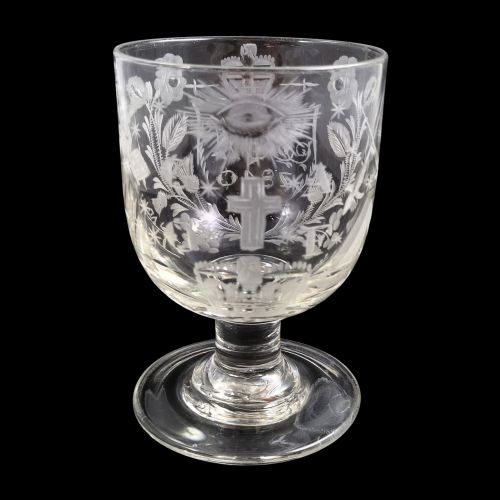
Craftsmen applied hobnail cutting, fluting and wheel engraving to render botanical motifs and commemorative scenes across the surface. Bases often featured square lemon squeezer feet shaped while hot to provide stability.
Regency Drinking Glass Retail Price Guide 2026
Typical asking prices for regency drinking glass among the pieces listed under this phrase on Sellingantiques today, from the lower quarter to the upper quarter. They describe what is for sale here now, not the wider market.
A thirsty Georgian drinker could order a three-quarter pint tankard made entirely of solid glass.
Markers of distinction
Quality rests upon the clarity of the metal and the crispness of the wheel engraving executed by the glasscutter. Superior examples display deep, sharp facets and balanced proportions without excessive distortion in the body.
The weight of the vessel and the precision with which the square foot is formed signal the skill of the workshop. Pieces retaining strong colour saturation or documented commemorative subjects command greater interest among collectors.
Maison Baguès·Maison Jansen
The Regency Drinking Glass Glossary
- Rummer
- A large drinking glass used for ale, wine or punch during the eighteenth and nineteenth centuries. These vessels typically feature a short stem and a capacious bowl.
- Lemon squeezer foot
- A square glass base pressed into a moulded shape resembling a kitchen lemon squeezer. This heavy foot provides balance to large rummers.
- Flip glass
- A flat-sided tumbler without a stem used for serving beer or mixed drinks. They often exhibit fine wheel engraving around the rim.
- Lead glass
- Glass containing lead oxide which increases density, refractive index and working time for cutting. It gives antique rummers their characteristic resonance and heft.
- Pan-cut
- A decorative technique involving wide, flat facets ground into the lower body of a glass. This style creates broad reflective planes.
Regency Drinking Glass: Frequently Asked Questions
What is a rummer?
A rummer is a heavy drinking glass designed for serving ale, wine or punch during the Georgian and Regency eras. Their robust build made them practical for everyday tavern and domestic use.
These vessels typically sit on short stems above square or round feet, offering substantial capacity compared to delicate wine stems.
How do I date a glass?
Dating relies on examining the weight of the metal, the form of the bowl and the manufacturing traits of the foot. Early nineteenth-century examples often feature thick lead crystal and polished pontil marks.
Decorative styles such as specific botanical engravings or architectural scenes like the Sunderland Bridge further anchor pieces within the Georgian period.
Were these used for wine?
Rummers served multiple purposes including the consumption of ale, stout and hearty wines. Their generous bowl sizes accommodated various beverages depending on the occasion.
Smaller specialised wine glasses with distinct bowl forms also appear alongside these larger tavern and dining vessels.
How should I display them?
These glass vessels benefit from placement near natural light to highlight the depth of the lead crystal and precision cutting. Sturdy shelving or dedicated display cabinets protect their rims from accidental impacts.
Pairing them with period serving trays or within appropriate dining settings enhances their visual presence.