

Regency Dressing Table Drawer
A regency dressing table drawer reveals the refined joinery and timber selection characteristic of early nineteenth-century domestic furniture.
Regency Dressing Table Drawer
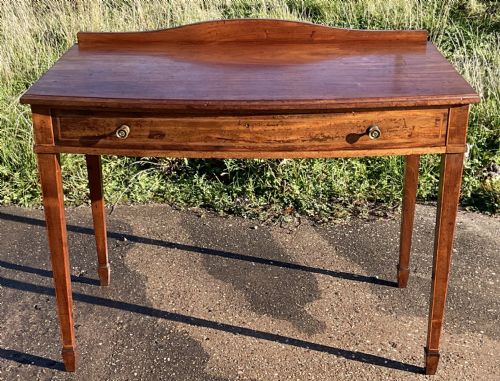
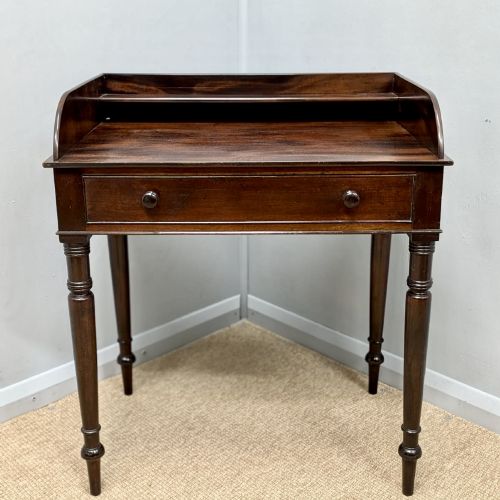
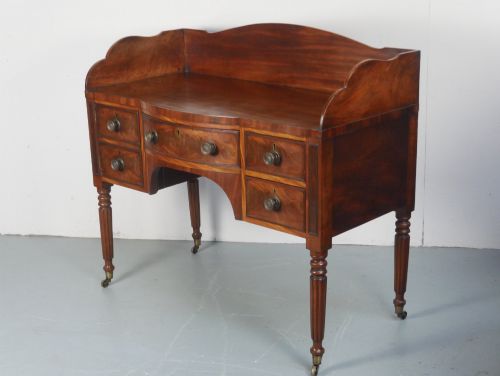
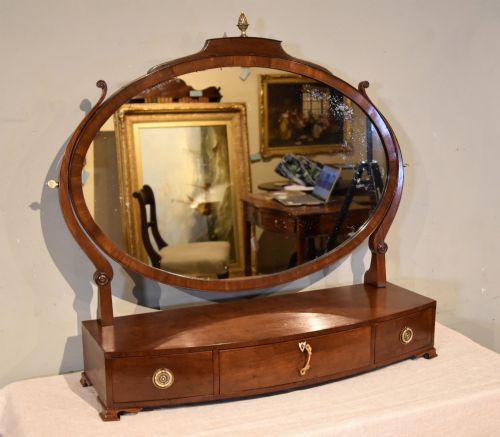
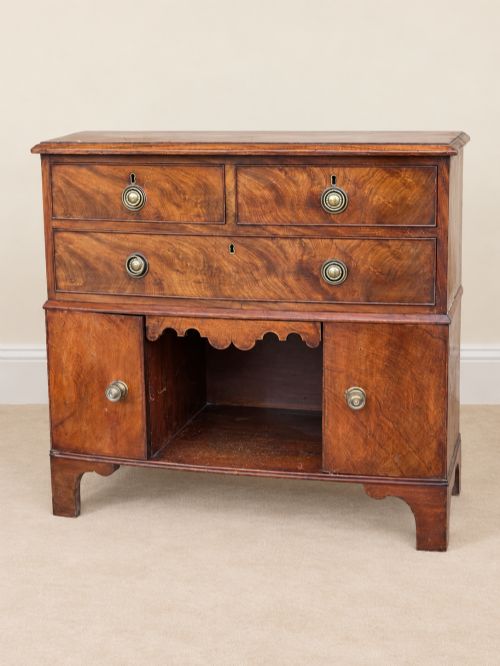
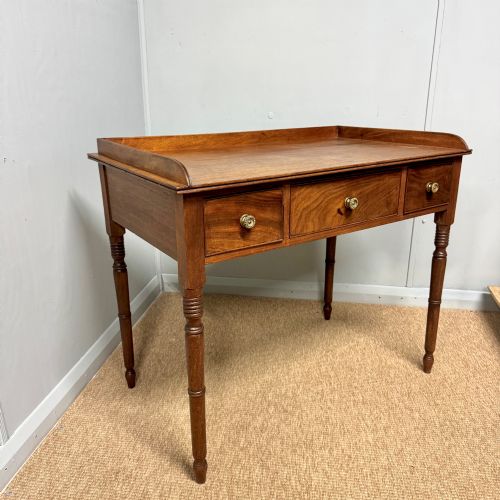
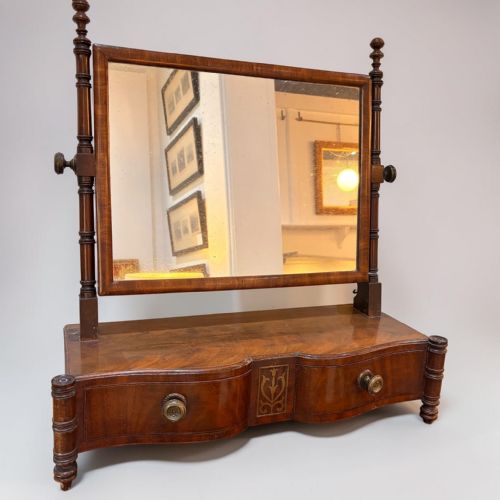
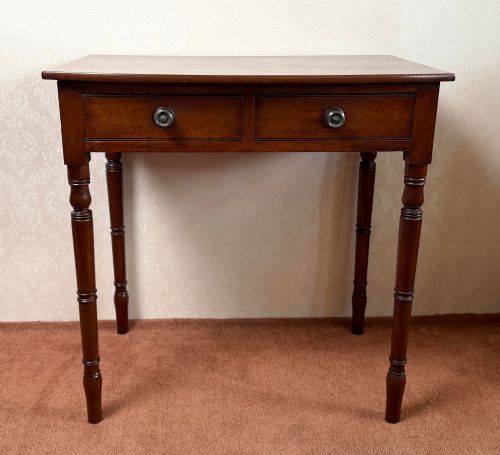
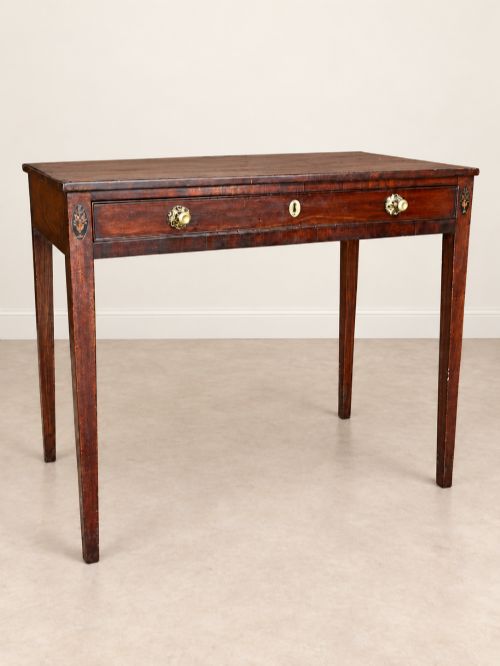
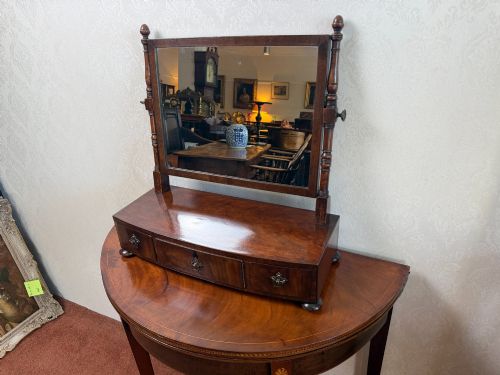
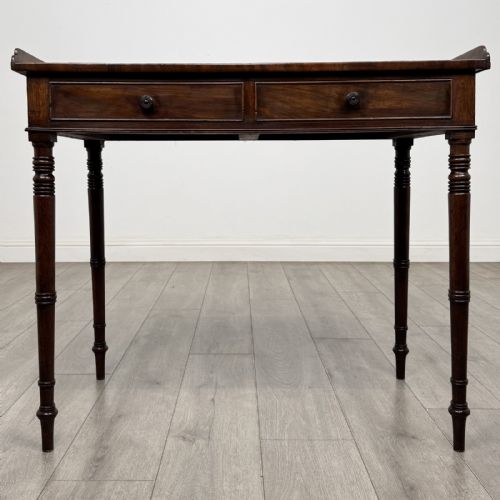
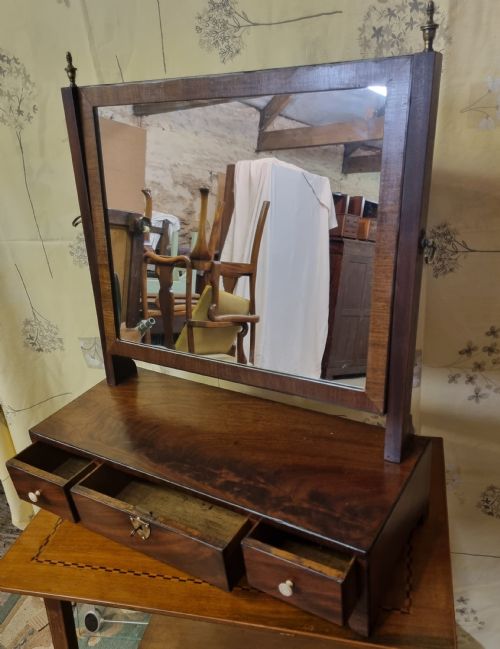
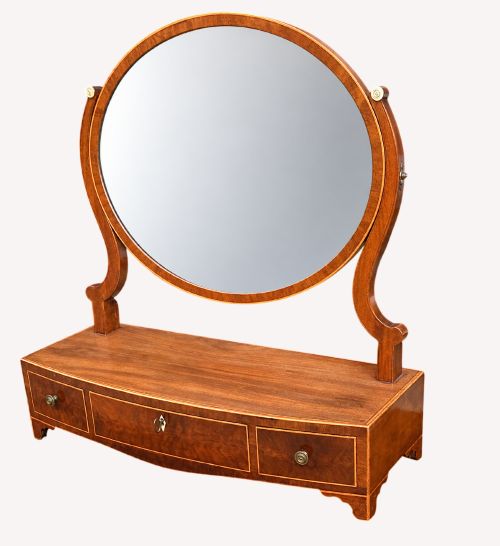
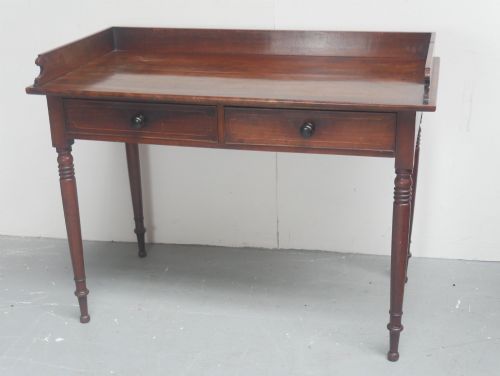
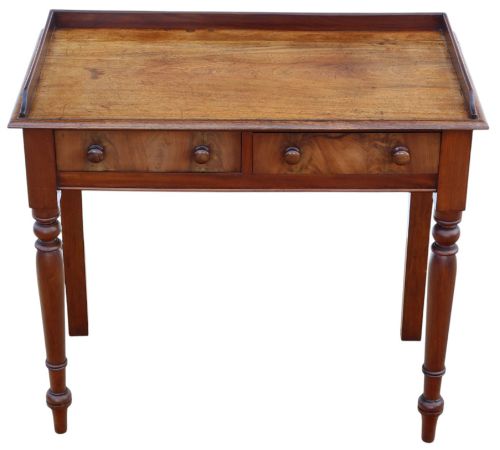
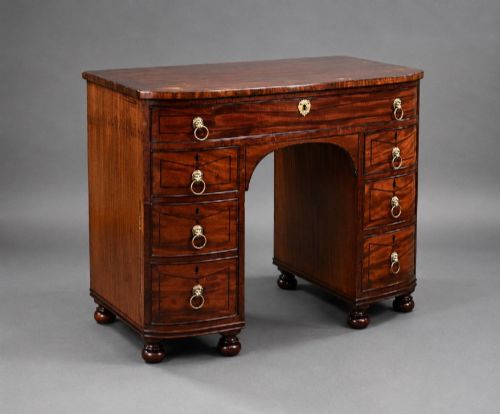
A regency dressing table drawer forms part of larger case furniture or acts as an integrated component within dressing tables, writing tables, and side tables from the early nineteenth century. These pieces encompass various forms including bow-fronted side tables, dressing mirrors with multiple small drawers, and larger gentleman's dressing chests.
The objects seen here originate predominantly from the Regency, Georgian, and Victorian periods, with specific dates touching around 1800 and 1820. Construction styles span English Regency, Grand Regency, and George IV designs, reflecting the functional requirements of dressing and writing in period interiors.
Buyers encounter everything from compact toilet mirrors featuring three small drawers to full-width drawer washstands and console tables. Mahogany serves as the primary timber across these diverse formats, frequently supplemented by oak secondary woods and decorative boxwood inlays.
Materials and construction methods
Makers relied heavily on solid mahogany and mahogany veneers for visible surfaces, pairing them with robust oak for drawer linings and internal framing. Timber selection focused on rich grain patterns, particularly evident in bow-fronted configurations and tray-top tables.
Cabinetmakers incorporated brass handles, escutcheons, and occasional glass elements alongside subtle boxwood inlay to delineate drawer borders and structural edges. These materials were worked using traditional hand-joinery techniques suited to the precise demands of early nineteenth-century furniture production.
Regency Dressing Table Drawer Retail Price Guide 2026
Typical asking prices for regency dressing table drawer among the pieces listed under this phrase on Sellingantiques today, from the lower quarter to the upper quarter. They describe what is for sale here now, not the wider market.
Listings feature 19th Century, Regency, Georgian, and Victorian periods, utilising mahogany, brass, glass, bone, boxwood, and oak across side tables and dressing mirrors.
Judging the standard of construction
The standard of a regency dressing table drawer depends on the integrity of its internal timber and the precision of its dovetail joints. Superior examples maintain smooth drawer operation within secondary oak framing without reliance on modern adjustments.
Distinction lies in the crispness of boxwood inlay, the retention of original brass hardware, and the harmony of proportions between the drawer facade and the main body of the dressing mirror or side table.
Gillows of Lancaster
The Regency Dressing Table Drawer Glossary
- Bowfront
- A convex, curved front profile typical of many side tables and drawer units from this era. This shape required precise woodworking to ensure drawers followed the curve smoothly.
- Dovetail
- A traditional interlocking joint used at the corners of drawers. Hand-cut dovetails indicate period craftsmanship and structural longevity.
- Escutcheon
- A protective plate surrounding a keyhole on a drawer front. These are often cast in brass and complement the drawer handles.
- Gallery
- A raised wooden or metal rim around the top surface of a dressing table or mirror stand. It prevented small items from rolling off the edge.
- Secondary wood
- The internal timber used for hidden parts such as drawer linings and carcase backs, commonly oak in these pieces.
Regency Dressing Table Drawer: Frequently Asked Questions
What is a regency dressing table drawer?
A regency dressing table drawer is an integrated storage component found within early nineteenth-century dressing mirrors, side tables, and writing desks.
These drawers were constructed to hold personal grooming items, cosmetics, or writing materials, showcasing period cabinet-making techniques like dovetailing.
How do I identify a Regency period piece?
Regency pieces are identified by specific stylistic markers such as mahogany timber, boxwood inlay, and balanced classical proportions dating from around 1800 to the 1820s.
Examination of secondary woods like oak and the presence of original brass hardware help confirm the manufacturing era.
Were these drawers used for writing or dressing?
Drawers in this category served dual purposes depending on whether they belonged to a dedicated dressing mirror, a toilet chest, or a combined writing table.
Many surfaces accommodated both personal grooming tasks and light correspondence within domestic chambers.
How do I care for antique mahogany drawers?
Antique mahogany benefits from stable room temperatures away from direct heat sources and strong sunlight to prevent timber warping and fading.
Regular dusting with a dry cloth and occasional application of traditional wax preserves the finish of the wood and the movement of the drawers.