



Regency Document Box
A regency document box organises papers and keepsakes with the compact utility typical of the early nineteenth century.
Regency Document Box
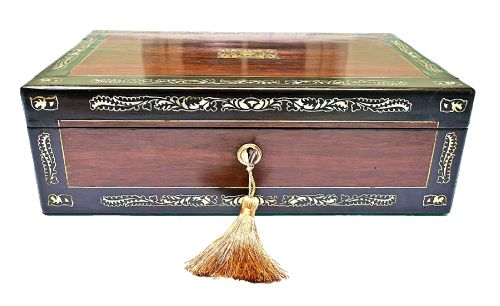
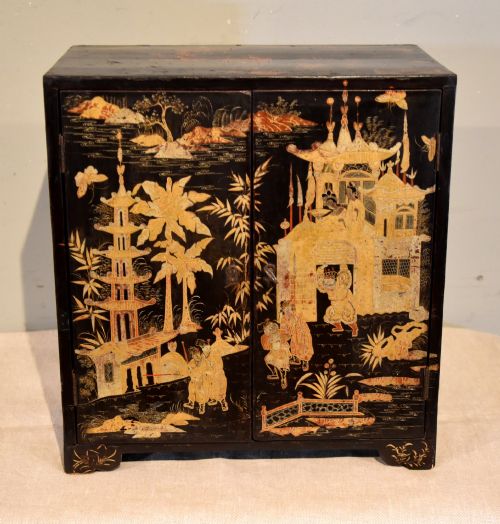
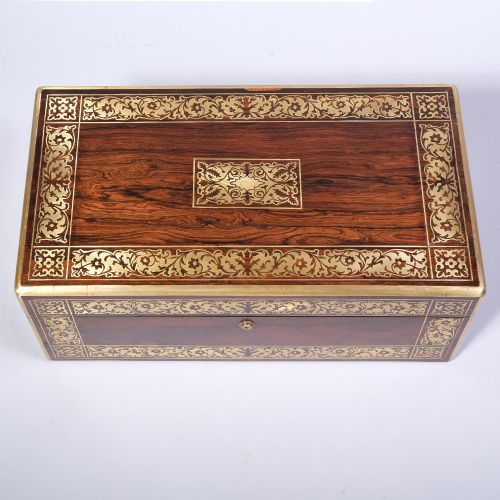
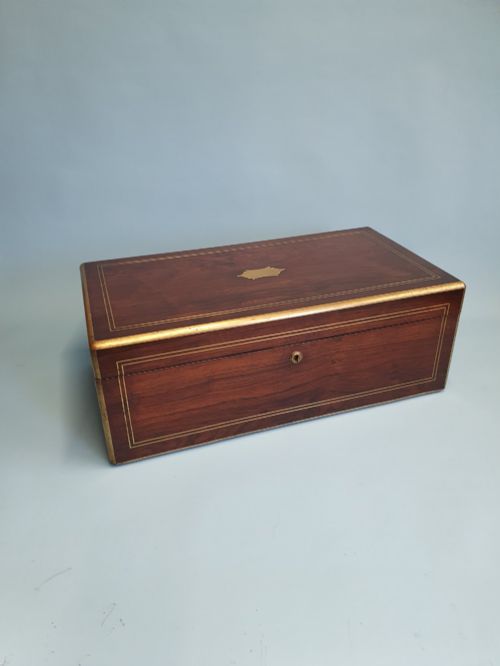
A regency document box gathers papers, correspondence and small valuables into a portable form designed for desk use or travel. The examples appearing here span writing boxes, writing slopes, campaign cases, trunks and collector cabinets from the Regency and Georgian periods.
Most pieces date from the early nineteenth century around eighteen hundred to eighteen thirty, reflecting the materials and construction methods of that era. Buyers encounter rosewood, satinwood, mahogany and walnut forms alongside leather bound trunks and painted iron safes.
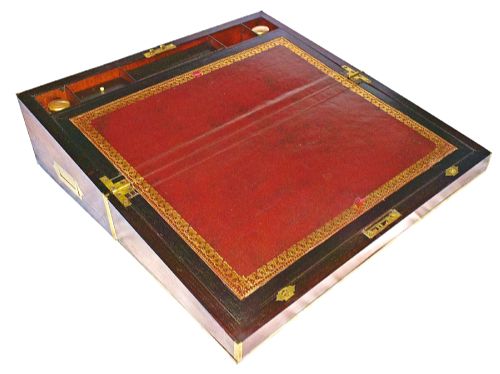
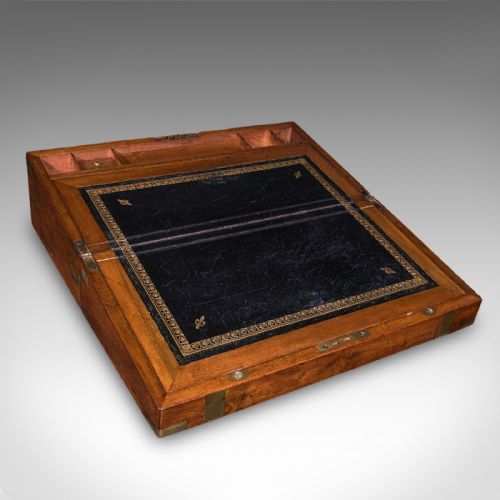
Many of these containers double as writing slopes or jewellery caskets, incorporating internal compartments, secret drawers and brass mounts. The scale ranges from compact desktop boxes to substantial brass bound chests.
Materials and construction
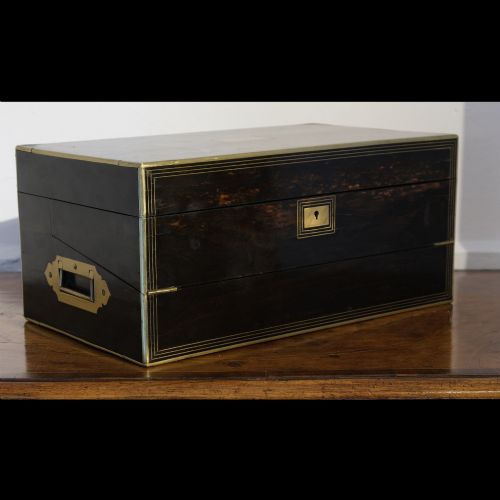
Cabinet makers constructed these boxes using dense timbers such as rosewood, satinwood and walnut, frequently applying brass inlays, corner straps and binding to reinforce the corners and edges. Timber selection dictated the weight and visual character of each piece.
Leather covering and iron hardware appear on campaign pieces and strong boxes built for transport. Interior fittings utilised secondary woods and fitted velvet or leather writing surfaces.
Decorative techniques recorded in the evidence include brass mounts, pokerwork, penwork and gilt decoration upon painted surfaces. Secret drawers and internal compartments required precise joinery within confined dimensions.
Regency Document Box Retail Price Guide 2026
Typical asking prices for regency document box among the pieces listed under this phrase on Sellingantiques today, from the lower quarter to the upper quarter. They describe what is for sale here now, not the wider market.
Listings demonstrate rosewood, satinwood, walnut, leather, iron and brass as the primary materials used across these nineteenth century boxes.
Variations in quality
The standard of timber selection and the precision of the brass inlay distinguish finer examples from standard production pieces. Figured rosewood and well matched satinwood veneers indicate higher workshop output.
The complexity of internal arrangements, including functioning secret drawers, integrated pen trays and original leather writing surfaces, affects the standing of a box. Completeness of fitted compartments and original brass hardware matter significantly.
The integrity of the construction, from the fit of the lid to the stability of the corner brasses, separates robust utility items from fragile survivors.
Chapple & Sons
The Regency Document Box Glossary
- Writing slope
- A box with a hinged sloping lid that opens to reveal a slanted writing surface and internal storage for paper and ink. These pieces form a large part of the boxes found from this era.
- Campaign case
- A sturdy portable chest or trunk fitted with brass edges and carrying handles designed for travel. They utilised durable woods and leather coverings.
- Pokerwork
- A decorative technique using a heated tool to burn designs into the wood surface. This method appears on specific decorative boxes.
- Secret drawer
- A concealed compartment hidden behind removable panels or triggered by a hidden latch. Makers built these to secure sensitive correspondence and valuables.
- Brass bound
- Boxes reinforced with flush or proud brass strapping and corners to withstand heavy handling. This treatment protected vulnerable wooden edges during transit.
Regency Document Box: Frequently Asked Questions
What is a regency document box used for?
These boxes stored important papers, letters and personal valuables in a secure, portable format during the early nineteenth century.
Today they function on desks or tables for holding stationery and modern keepsakes.
What woods were used for regency boxes?
Cabinet makers utilised exotic and native hardwoods including rosewood, satinwood, walnut, yew and mahogany.
Many examples also feature decorative brass inlays set directly into the timber surface.
Where were campaign boxes used?
Campaign boxes and trunks travelled with officers and officials on military campaigns or long journeys.
Their robust construction of leather, iron and brass protected contents from rough handling on the road.