



19th Century Desktop Box
A 19th century desktop box organises papers and keepsakes with period craftsmanship, bringing timber warmth and metal detail to any surface.
19th Century Desktop Box
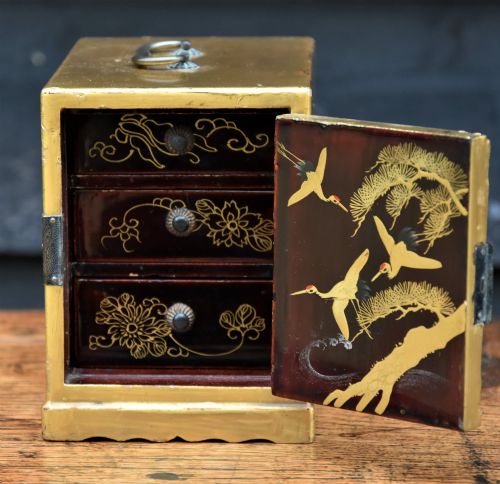
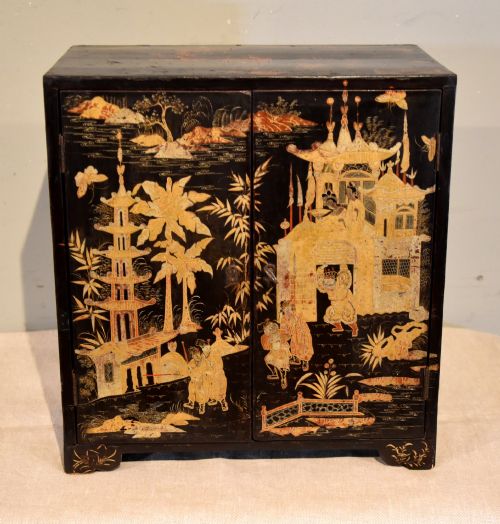
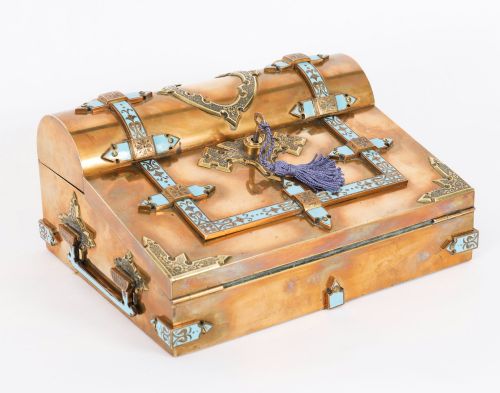
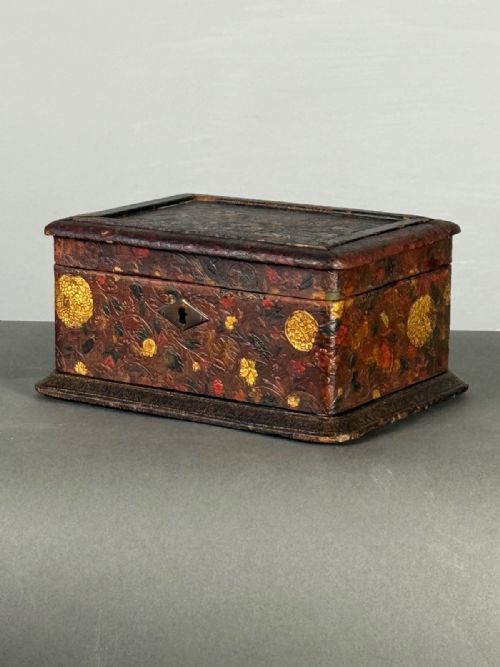
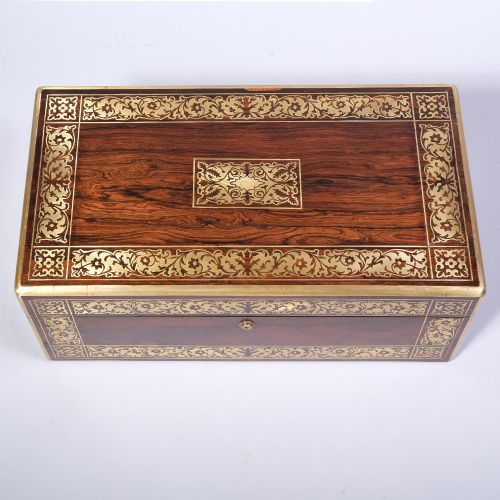
A 19th century desktop box encompasses stationery cabinets, letter holders, writing slopes, cigar humidors and small tabletop chests designed to sit upon a desk or table. These pieces originate across the Victorian, Regency and broader nineteenth century periods, reflecting the organisational needs of writing and collecting.
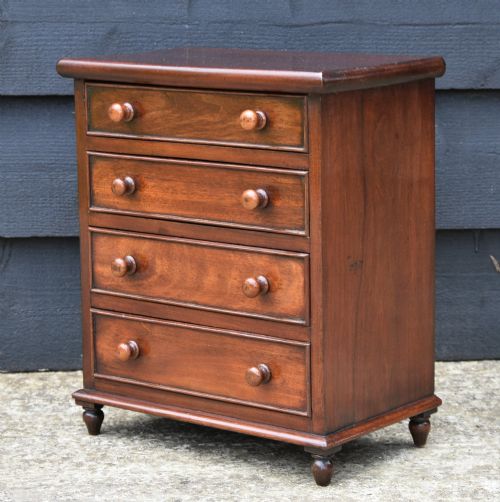
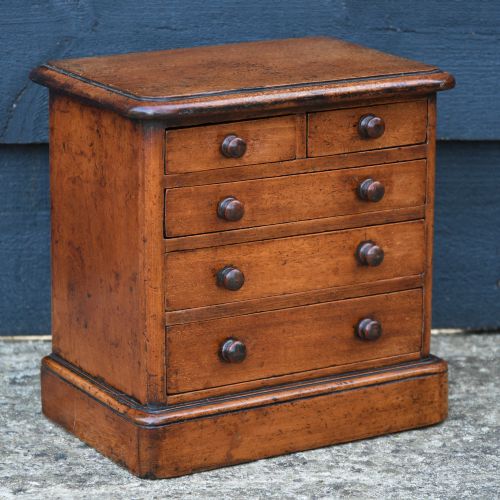
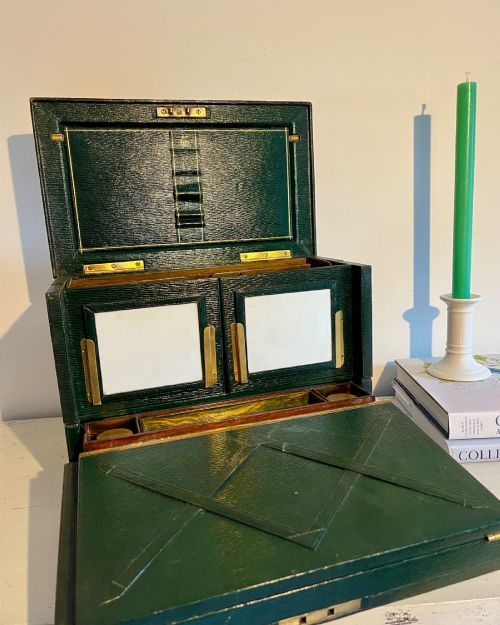
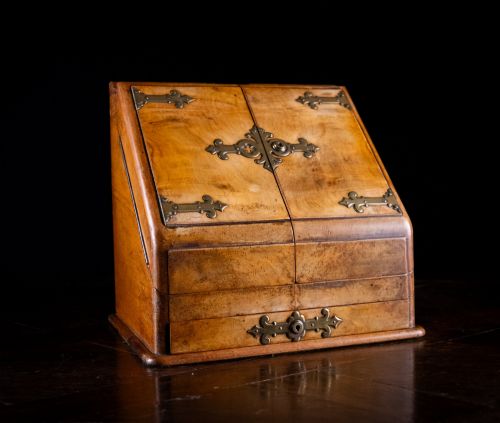
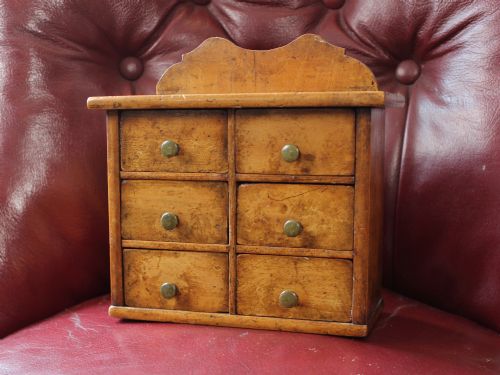
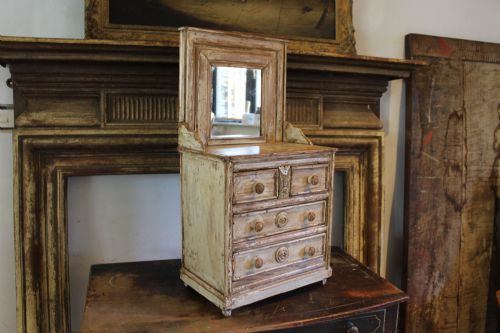
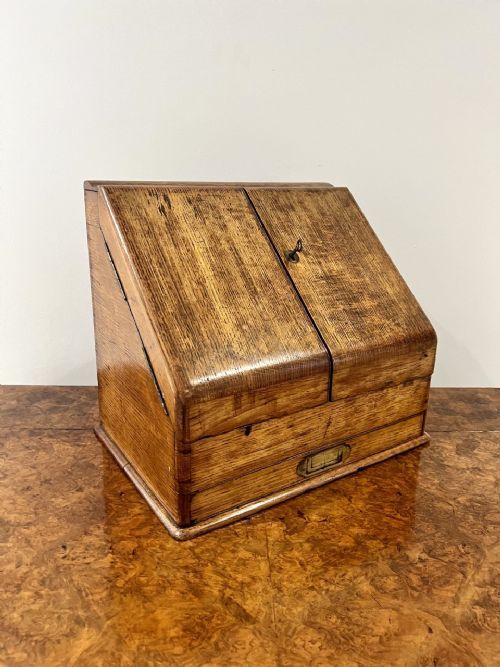
Stationery boxes and correspondence boxes dominate the forms seen here, often built with sloping lids or upright compartments for envelopes and paper. Alongside these, buyers find miniature chests of drawers, watchmaker cabinets and collectors cabinets designed for specimens or small valuables.
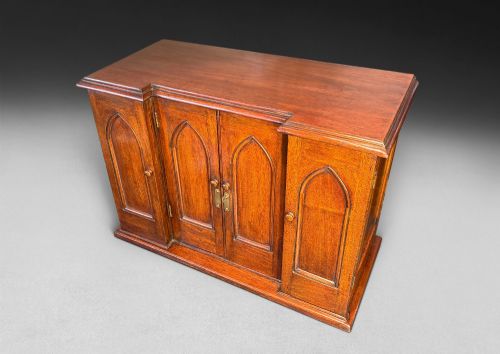
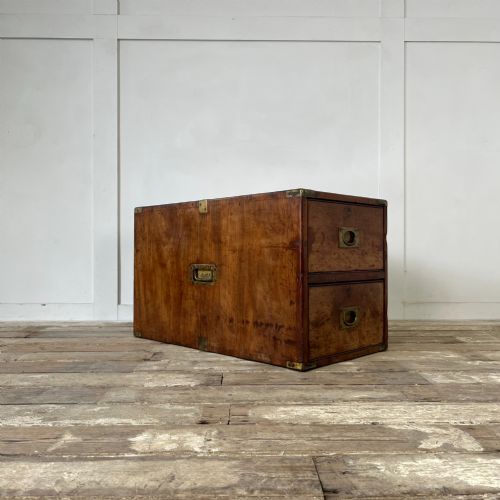
Makers across England, France and wider regions produced these desktop containers using domestic and exotic woods. The variations span campaign styles with brass mounts, Gothic revival oak and refined French leather or satinwood pieces.
Design and Execution
The standard of timber selection and veneer matching defines the visual impact of a desktop box, distinguishing plain planks from highly figured burr walnut, pollard oak or marquetry fruitwood. Superior examples display grain continuity across opening lids and drawer fronts.
Internal complexity and hardware integration separate standard storage from exceptional pieces. Fitted stationery divisions, working locks with original keys, flush brass campaign handles and meticulous dovetail joints indicate higher workshop skill.
19th Century Desktop Box Retail Price Guide 2026
Typical asking prices for 19th century desktop box among the pieces listed under this phrase on Sellingantiques today, from the lower quarter to the upper quarter. They describe what is for sale here now, not the wider market.
Listings feature woods spanning mahogany, oak, burr walnut, rosewood, fruitwood, palmwood and elm across the nineteenth century.
Susse Freres Paris
The 19th Century Desktop Box Glossary
- Stationery box
- A desktop container designed to hold writing paper, envelopes and correspondence. These pieces often feature tiered compartments or sloping lids.
- Writing slope
- A portable desk that opens to reveal a slanted writing surface and interior storage for inkwells and pens. They date predominantly from the Regency and Victorian eras.
- Humidor
- A specialised cabinet or box lined to maintain humidity for cigars. Examples from the nineteenth century frequently employ walnut or mahogany.
- Campaign chest
- Portable furniture made in sections with brass corners and recessed handles for transport. Desktop versions bring this military style to tabletop storage.
- Papier-mâché
- A composite material made from paper pulp or layers of paper bound with glue, then lacquered. It provided a smooth black surface for Victorian decorative painting and inlay.
19th Century Desktop Box: Frequently Asked Questions
What is a 19th century desktop box used for?
These boxes served multiple purposes for writing, correspondence and storage in nineteenth-century homes and offices. They held letters, stationery, writing implements, cigars and small valuable collections.
Today, owners utilise them on desks and tabletops to store modern letters, pens, jewellery and keepsakes while displaying period timber and brasswork.
How do I identify a Victorian desktop box?
Victorian pieces often display characteristic wood choices like burr walnut, rosewood or oak, alongside styles ranging from Gothic Revival to Arts and Crafts. Look for construction details such as hand-cut dovetails and brass hardware.
Many incorporate specific Victorian forms like dome-top stationery boxes, correspondence racks and tabletop collector chests dated between the mid and late nineteenth century.
What is the difference between a writing slope and a stationery box?
A writing slope opens downward to form an inclined writing surface equipped with inkwell recesses and pen trays. It is built for writing letters.
A stationery box remains upright or opens at the top to present vertical slots and compartments solely for holding paper and envelopes rather than providing a writing desk.
Are these boxes made of solid wood?
Many boxes utilise solid hardwoods such as mahogany, oak or walnut for their main structure and drawers. Others employ timber carcases faced with decorative veneers.
Veneers of burr walnut, satinwood, rosewood and marquetry fruitwood allowed makers to display intricate grain patterns and decorative patterns across the exterior surfaces.