


Regency Decanter Stands
Regency decanter stands bring refined order to the dining table, holding bottles securely while protecting polished wood surfaces.
Regency Decanter Stands
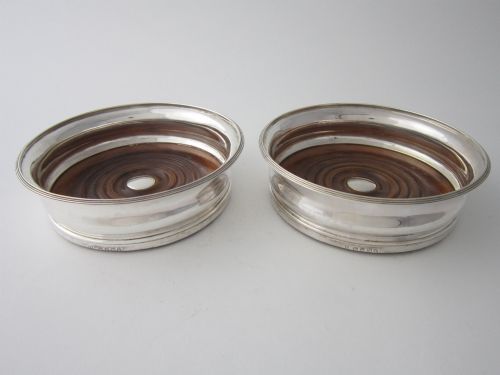
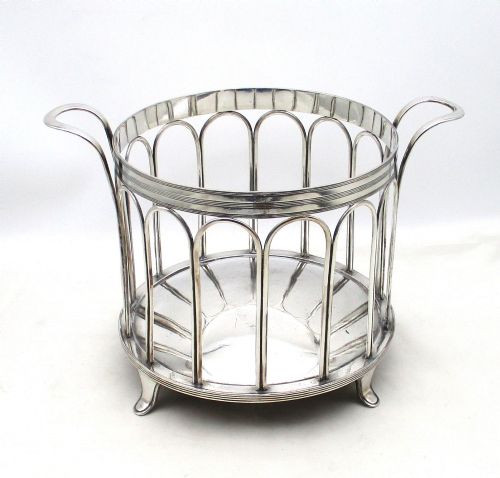
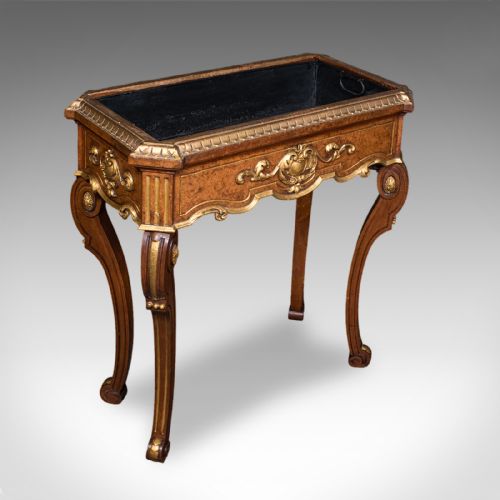
When you search for regency decanter stands, you encounter wine coasters, bottle stands, and cruet sets primarily originating from the Georgian and Regency periods. The forms appear as circular table vessels designed to hold single bottles, alongside multi-bottle cruet frames and larger jardiniere tables.
The pieces on this page span the nineteenth century, including notable examples from the Regency era, William IV, and Victorian periods. Most items take the form of paired wine coasters or small cruet stands rather than standalone architectural table fixtures.
Judging quality
The distinction between ordinary utility items and superior examples lies in the crispness of the chased or moulded decoration along the rims. Stronger pieces display deep, defined motifs without thinning of the silver layer on plated items.
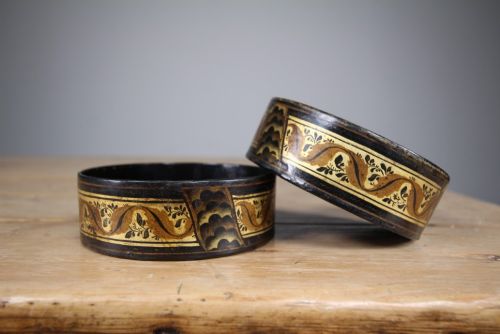
Construction integrity sets pieces apart, particularly where the metal gallery meets the wooden base or where papier-mâché maintains structural rigidity without warping. Original baize lining and intact turned wooden bottoms contribute to desirability.
The presence of clear hallmarks on silver items provides verifiable origin and maker attribution, while decorative precision in gilded papier-mâché indicates superior workshop output.
Materials documented in current stock include mahogany, sterling silver, copper, cut glass, lacquer, and rosewood.
Charles Thomas Fox·Matthew Boulton·John and Thomas Settle
The Regency Decanter Stands Glossary
- Old Sheffield plate
- A composite material made by fusing a thin sheet of silver to a thicker copper base. This technique preceded modern electroplating and leaves characteristic copper edges where wear occurs.
- Wine coaster
- A portable circular tray designed to hold a wine bottle on the dining table. They typically feature raised galleries and lined bottoms.
- Cruet set
- A matched assembly of glass bottles or cruets held within a metal or wooden stand. They served condiments and oils at the table.
- Papier-mâché
- A composite material made from paper pulp or reinforced sheets mixed with glue and resin. Craftsmen moulded it into firm objects before lacquering and painting.
- Baize
- A coarse woollen material resembling felt used to line the undersides of coasters. It protected dining tables from friction scratches.
Regency Decanter Stands: Frequently Asked Questions
What is the difference between a coaster and a bottle stand?
Coasters and bottle stands essentially served the same purpose of holding wine vessels on the dining table. The terms often interchange depending on the specific rim height and base diameter.
Heavier stands sometimes accommodated larger magnums, while standard coasters held single wine bottles during port and dessert courses.
How were decanter stands used during dinner parties?
Hosts placed decanter stands on the dining table to slide bottles easily between guests once servants cleared the main meal. The raised sides kept the bottles stable while the baize bottom protected polished wood surfaces.
Cruet sets sat centrally on the table to allow diners to season food to personal taste without reaching across the room.
How do I care for antique silver plated coasters?
Clean silver plate gently using non-abrasive polishes designed specifically for antique metals to preserve the underlying copper layer. Avoid harsh scrubbing that strips the thin silver coating.
Keep wooden bases and baize linings dry by using damp cloths only on metal surfaces and storing pieces away from direct moisture.
How can I tell a Regency coaster from a Victorian one?
Regency pieces often display restrained classical motifs like gadrooning, reeding, and acanthus leaf borders reflecting the early nineteenth-century neoclassical taste. The woods and papier-mâché work also show specific hand-turned characteristics.
Later Victorian interpretations frequently employ heavier proportions, revivalist French Rococo styles, or machine-rolled metal galleries rather than hand-wrought details.