

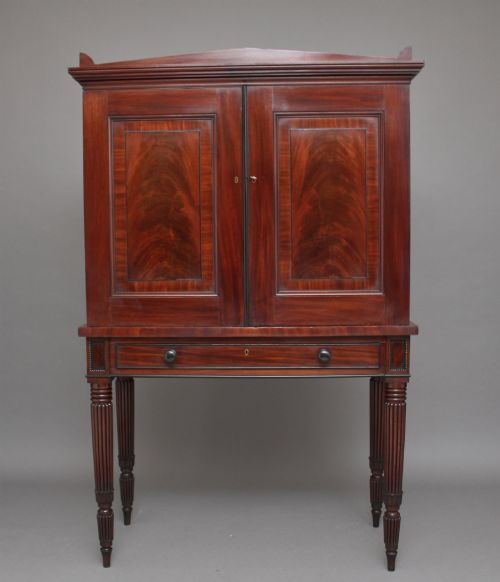
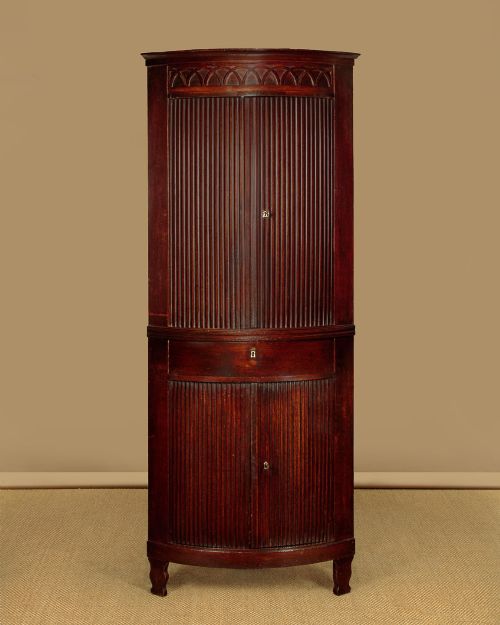
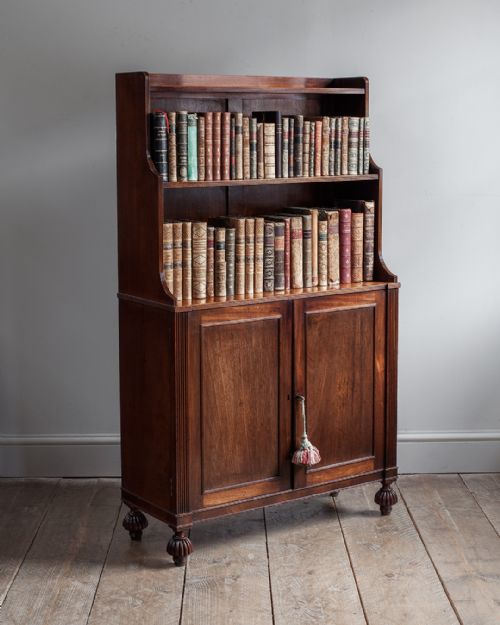
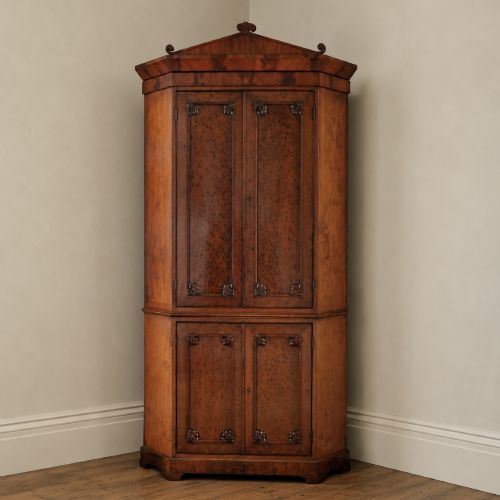



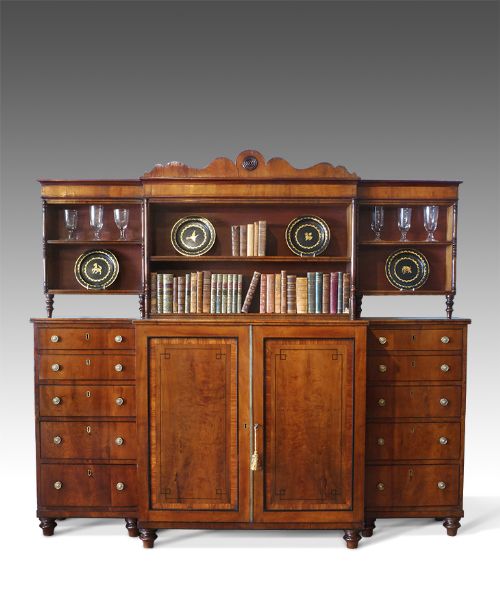
Regency Cupboard on Stand
A regency cupboard on stand delivers refined storage in compact proportions, pairing formal cabinetry with slender elevation.
Regency Cupboard on Stand
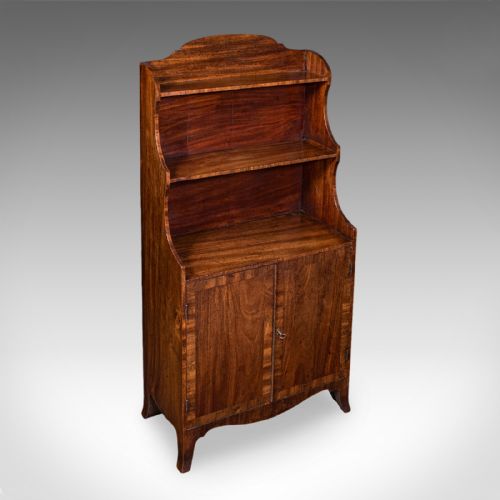
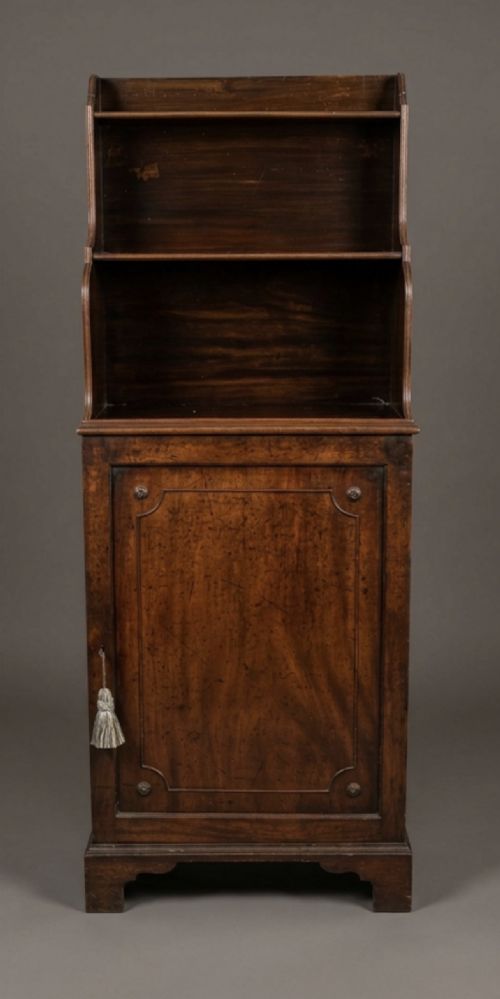
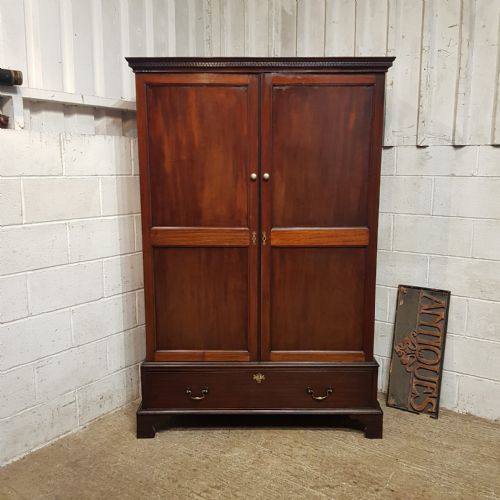
A regency cupboard on stand combines enclosed storage with raised structural supports, embodying the architectural elegance typical of the early nineteenth century. Pieces appearing under this description range from compact bedside cabinets and pedestal stands to refined collector cabinets.
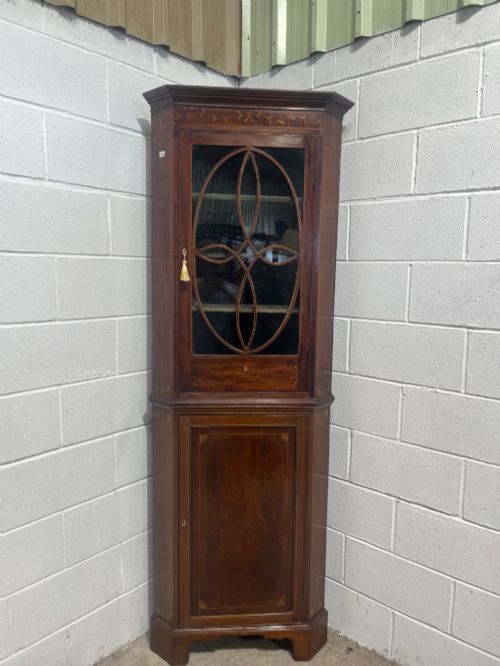
The materials recorded in current inventory span solid timber, flame mahogany, satinwood, and lacquer, reflecting both elite and vernacular cabinet making of the period. Forms often incorporate glazed doors, inlaid details, and specialised surfaces such as faux marble or penwork.
While many examples originate directly from the Regency and Georgian eras, the selection also includes later nineteenth-century interpretations and twentieth-century revivals. Buyers seeking traditional proportions will find numerous variants featuring mahogany construction and classical pedestal designs.
Materials and construction methods
Makers of the period relied heavily on mahogany, utilising both plain timber and highly figured flame mahogany or satinwood veneers to create visual depth on doors and drawer fronts. Brass hardware, glass panes for astragal glazed doors, and intricate penwork or paint finishes provide decorative contrast to the warm timber surfaces.
Joinery methods prioritize stability and display, employing fine dovetails for drawers and secure framing for enclosed cupboard sections mounted upon dedicated stands or pedestals. Surface treatments range from original grained finishes and lacquer to polished wood highlights that emphasise natural grain patterns.
Regency Cupboard on Stand Retail Price Guide 2026
Typical asking prices for regency cupboard on stand among the pieces listed under this phrase on Sellingantiques today, from the lower quarter to the upper quarter. They describe what is for sale here now, not the wider market.
Several miniature collector cabinets include hidden compartments designed expressly for concealing precious trinkets from curious houseguests.
Distinctions in craftsmanship
Superior examples separate themselves through the selection of exceptional timber veneers, such as plum pudding mahogany or figured flame mahogany, matched carefully across prominent surfaces. The crispness of inlaid details and the precision of brass mounts or glazed tracery also distinguish finer pieces from simpler workshop productions.
Proportion and integrity of the original stand or pedestal dictate the overall success of the piece, where harmonious scaling between the upper cabinet and supporting legs reflects deliberate design. Preserved original surfaces, such as early grained paint or unblemished lacquer, carry greater authenticity than later refinishing.
Gillows
The Regency Cupboard on Stand Glossary
- Astragal glazed
- Glass doors divided into smaller panes by narrow wooden mouldings called glazing bars. This technique lightens the visual weight of large bookcases and display cabinets.
- Pedestal cabinet
- A freestanding, upright enclosed storage unit supported on a single columnar base or plinth. These forms are frequently designed as matched pairs for symmetry.
- Penwork
- A decorative surface technique involving intricate drawings applied directly to wood using fine ink lines, often associated with Regency Chinoiserie pieces. It creates detailed oriental motifs without heavy carving.
- Flame mahogany
- Timber cut from the fork of the mahogany tree where branches meet the trunk, producing a distinctive flickering flame pattern. Cabinet makers reserved this highly decorative veneer for principal drawer fronts and doors.
- Whatnot
- An open set of tiered shelves used for displaying ornaments, books, or collections. Originating in the Georgian period, these pieces prioritize vertical storage in compact rooms.
Regency Cupboard on Stand: Frequently Asked Questions
What is a regency cupboard on stand?
A regency cupboard on stand is a compact storage piece elevated on legs, pedestals, or an open frame rather than sitting flush to the floor. These pieces combine enclosed cabinet space with a lighter architectural silhouette.
Cabinet makers of the early nineteenth century produced these forms to suit smaller rooms while maintaining the classical symmetry and refined timber work characteristic of the Regency style.
How were these cabinets used originally?
These cabinets served diverse functions in period interiors, acting as bedside storage, specialised collectors' cabinets for minerals or coins, or compact display units in libraries and drawing rooms. Their elevated stands kept contents away from floor drafts.
Enclosed lower doors and upper shelving accommodated books, folios, or personal valuables, keeping domestic spaces orderly and refined.
How do I style a cabinet on stand at home?
A cabinet on stand works exceptionally well in hallways, living rooms, or bedrooms where floor space is limited yet vertical presence is desired. The elevated design allows light to pass underneath, making rooms feel larger.
Place decorative objects, small sculptures, or a lamp on top while utilising the internal cupboard for discreet storage of everyday items.
How can I tell the period of a cabinet?
Dating relies on examining construction techniques, timber selection, and stylistic details such as neoclassical brass mounts, astragal glazing patterns, or Chinoiserie penwork. Early nineteenth-century pieces often display hand-cut dovetails and native mahogany.
Later nineteenth-century and twentieth-century revivals typically incorporate standardised fixings and machine-cut elements while mimicking earlier Regency or Georgian proportions.