
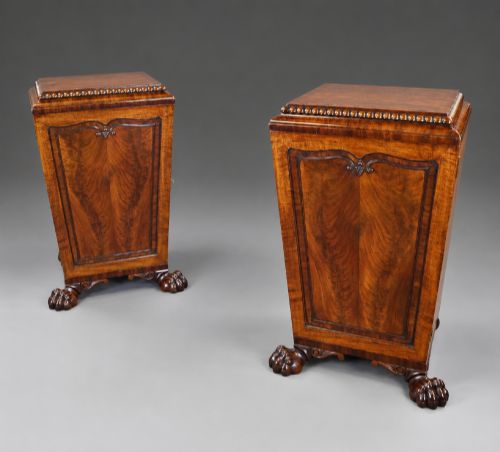
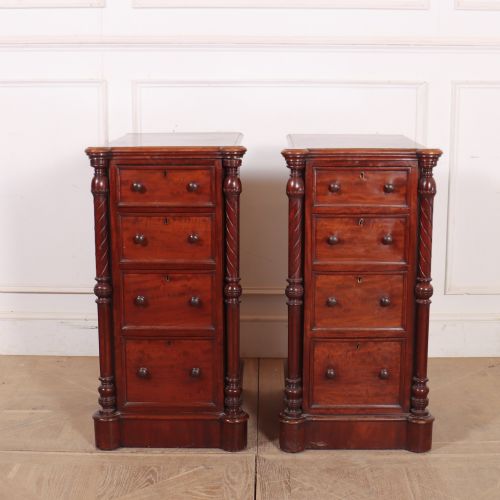
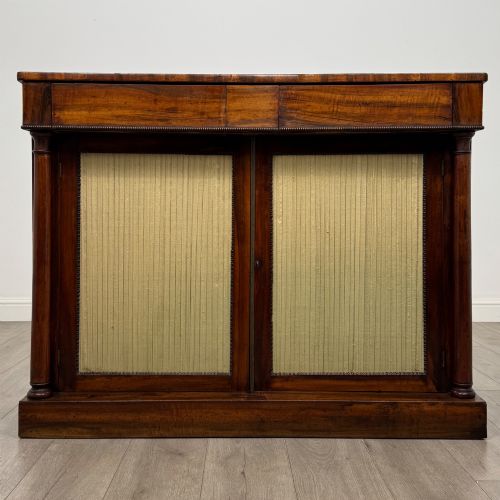


Regency Column Cupboard
A regency column cupboard is a distinguished piece of architectural storage designed to anchor a room with classical symmetry.
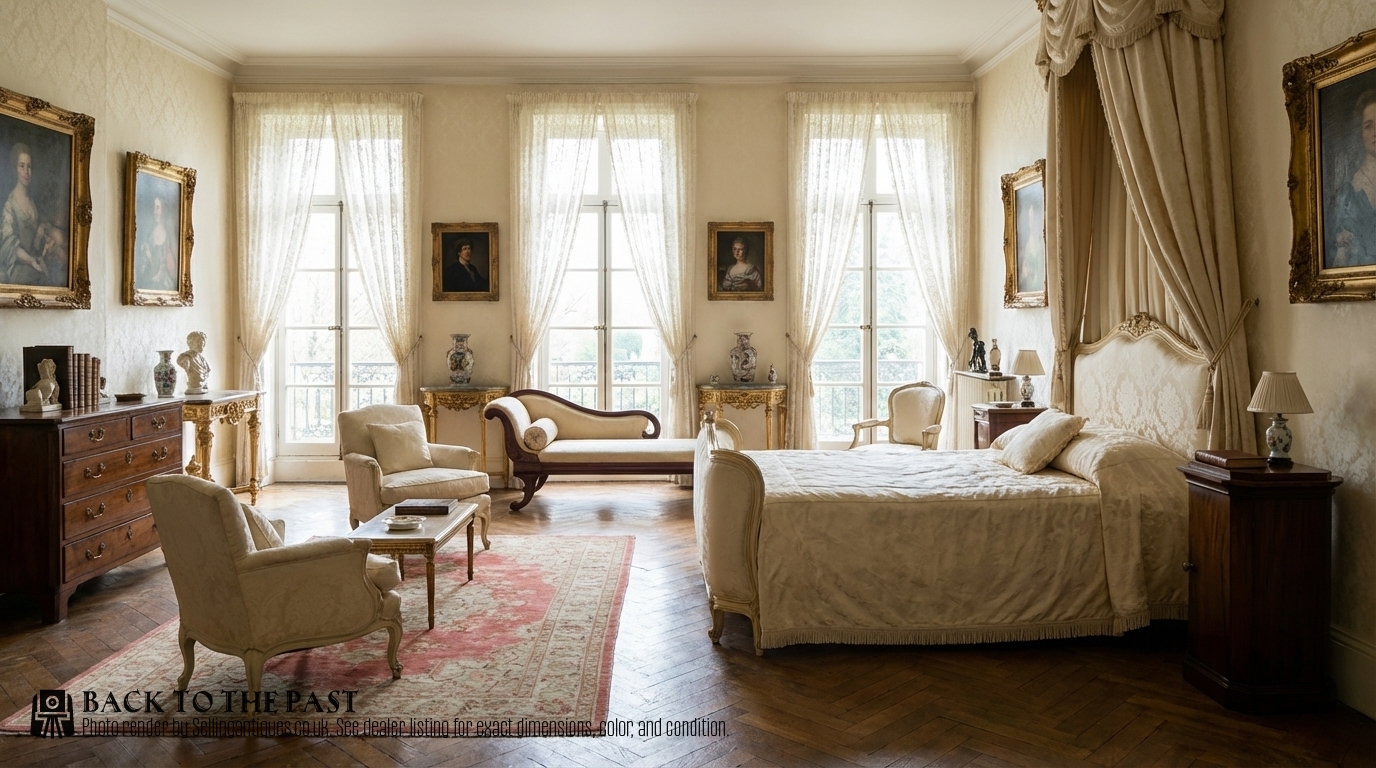
Regency Column Cupboard
A regency column cupboard represents a refined form of nineteenth-century storage, blending classical architectural motifs with practical domestic utility. These pieces frequently manifest as bedside chests, pot cupboards, and pedestal cabinets, carrying the distinct proportions of the period.
The versions most commonly met on this page span the Regency, George IV, and broader nineteenth-century eras, often constructed as compact side cabinets or chiffoniers. They utilise column supports and breakfront outlines to create a formal presence in a bedroom or drawing room.
Makers of the era drew heavily on neoclassical design, incorporating pilasters and turned columns that echo ancient Greek and Roman architecture. Buyers choose them to introduce architectural interest and warm timber tones into contemporary or traditional interiors.
What varies in quality
The distinction between standard domestic pieces and the finest examples lies in the selection of timber figure and the crispness of the carved architectural columns. Superior pieces display finely turned or reeded columns that integrate seamlessly with the main body of the cabinet.
Construction methods also dictate quality, particularly the precision of the drawer dovetailing and the choice of secondary woods. Finer cabinets exhibit thoughtful proportions and restrained ornamentation that elevate the piece beyond basic utility.
Listings feature mahogany, rosewood, and goncalo alves across various cabinet forms.
Gillows
The Regency Column Cupboard Glossary
- Chiffonier
- A low sideboard or cabinet, typically featuring a combination of drawers and shelves enclosed by doors. This form evolved during the early nineteenth century to serve dining rooms and drawing rooms.
- Goncalo Alves
- A dense exotic hardwood prized for its striking contrasting dark brown and light golden-brown figuring. Cabinetmakers utilised this timber for high-status Regency furniture.
- Breakfront
- A cabinet design where the central section projects forward from the flanking wings. This creates depth and shadow across the front elevation of the piece.
- Pedestal cupboard
- A tall, narrow freestanding cupboard, often cylindrical or column-shaped, designed to stand beside a bed or in the corner of a room.
- Simulated rosewood
- A painted or stained finish applied to a less expensive timber to imitate the distinctive dark grain of genuine rosewood. This technique was popular during the Regency period for decorative effect.
Regency Column Cupboard: Frequently Asked Questions
What is a regency column cupboard?
A regency column cupboard is a small architectural cabinet defined by classical column supports and dating primarily from the early nineteenth century. These pieces served various domestic functions, from bedside storage to display stands.
They combine practical enclosed space with the formal symmetry characteristic of the Regency period. Their compact footprint makes them versatile additions to modern rooms.
How were these cabinets used?
Original owners utilised these cabinets as bedside tables, pot cupboards, or small sideboards for holding books and personal items. Their enclosed compartments kept private belongings neatly out of sight.
In the drawing room, similar pedestal forms acted as sculpture stands or display surfaces for decorative objects. They bridged the gap between functional storage and classical ornamentation.
How do I style one at home?
Place a column cupboard beside a low bed or use it as an accent table in a hallway or sitting room. The strong vertical lines of the columns work well when contrasted against plain walls.
Keep the top surface uncluttered to let the timber grain and architectural details remain the focal point. They pair comfortably with both antique furnishings and streamlined modern decor.
How can I tell the period?
Examine the timber selection, construction methods, and secondary woods used inside the drawers and carcass. Early nineteenth-century pieces often feature hand-cut dovetails and native woods like oak or pine as secondary framing.
Look for design cues such as neoclassical proportions, reeded columns, and brass mounts typical of the Regency and George IV eras. Comparing the hardware and joinery helps confirm the age of the piece.