
Pedestal Bedside Locker
When you search for a pedestal bedside locker, you seek a compact, enclosed bedside storage piece defined by upright timber proportions and fitted internal space.
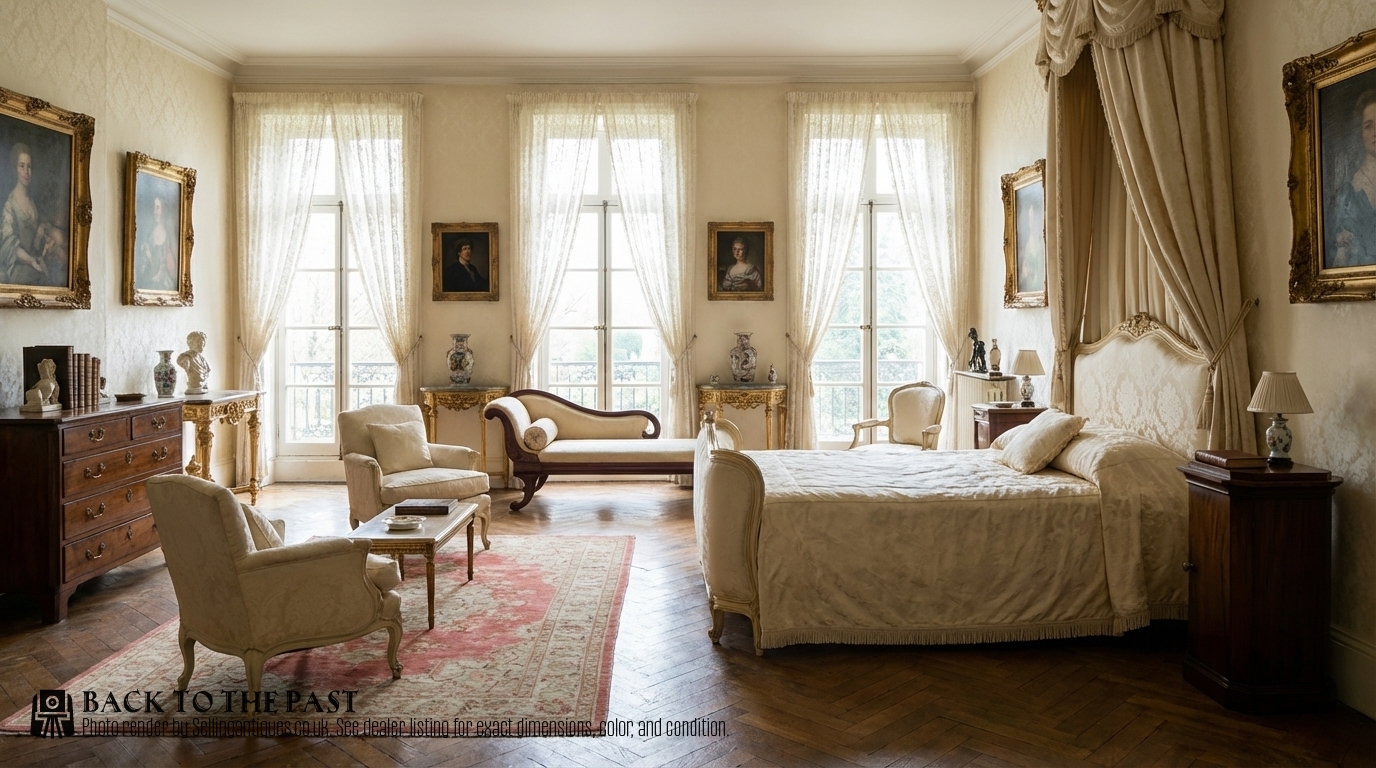
Pedestal Bedside Locker
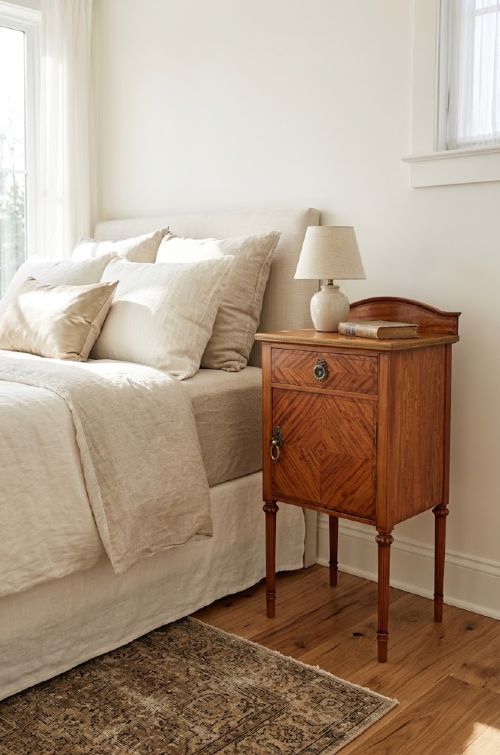
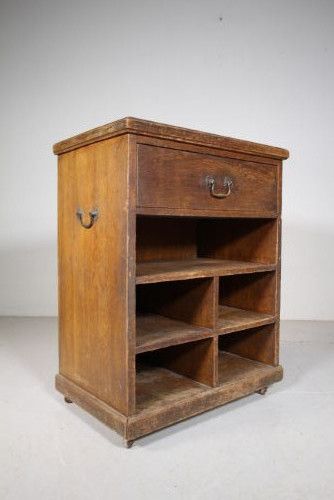
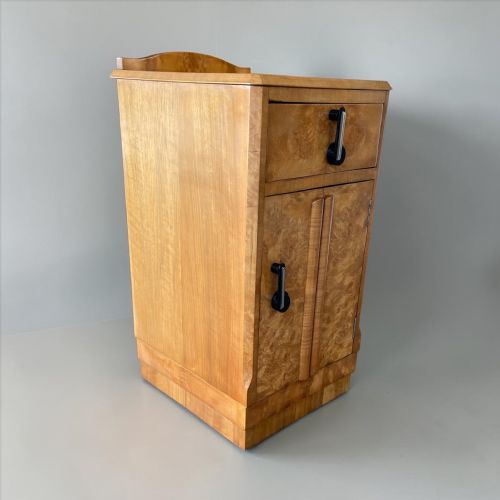
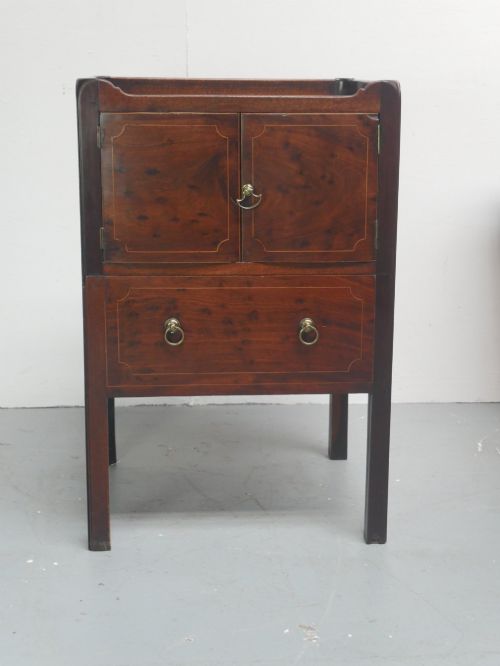
When you search for a pedestal bedside locker, you encounter timber furniture designed to stand beside a bed while concealing chamber pots, books, or night-time essentials behind a panelled door or within stacked drawers. The pieces available span Georgian proportions, Victorian mass, and Edwardian refinement, alongside occasional continental pieces and later geometric Art Deco interpretations.
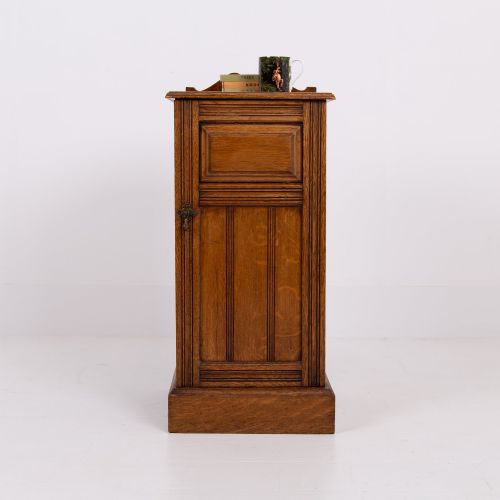
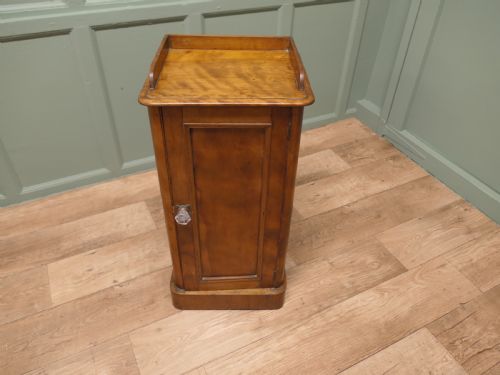
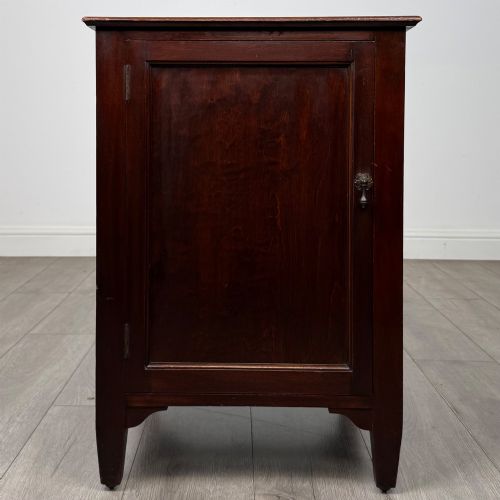
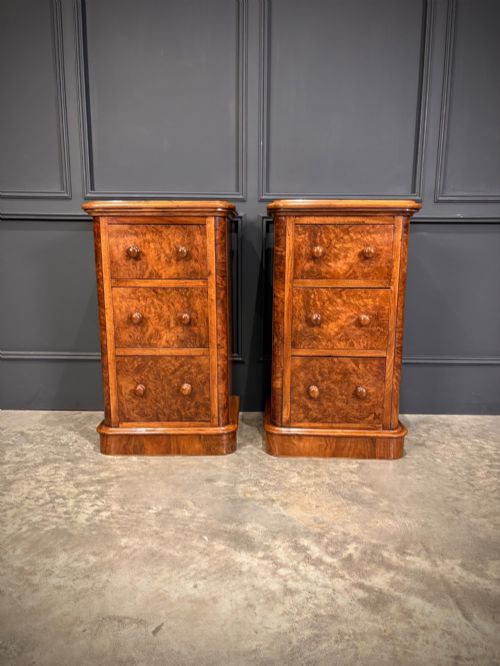
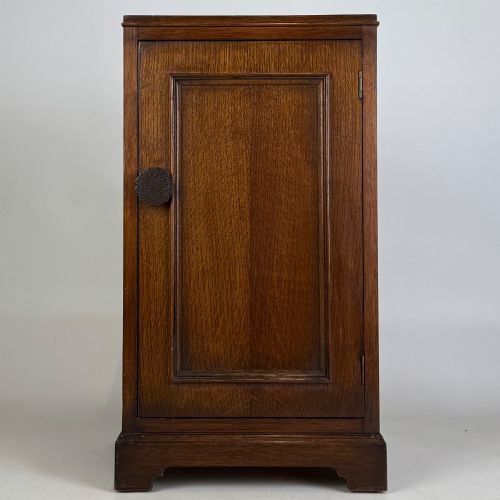
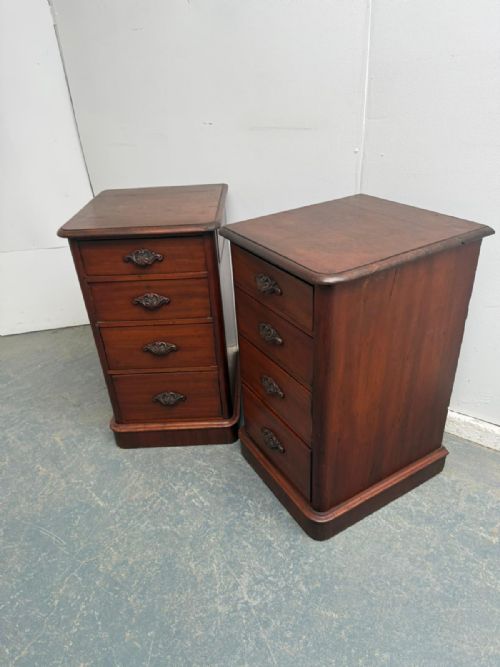
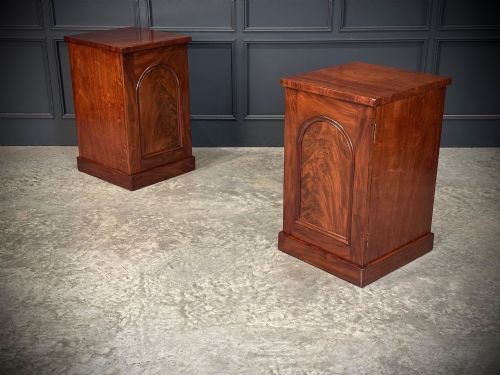
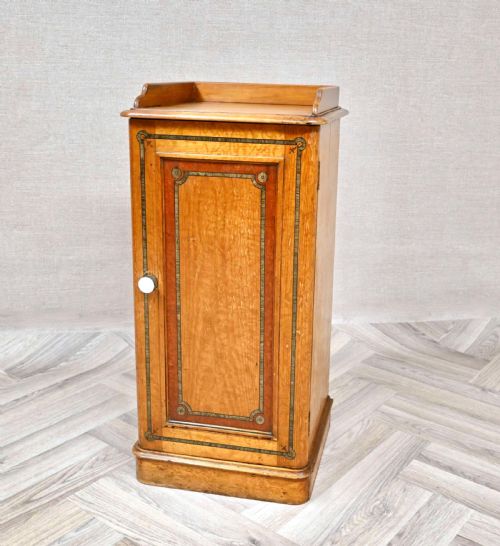
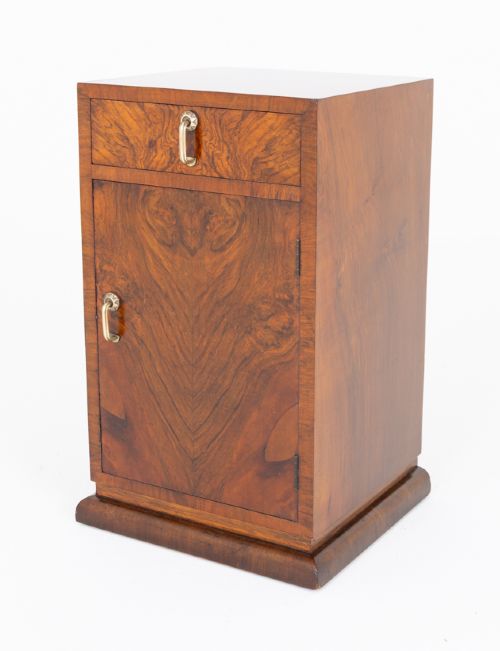
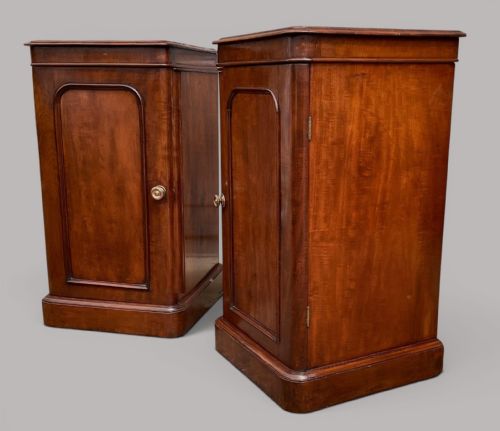
The most frequent format on this page is the single pedestal cupboard or matching pair constructed during the Victorian or Edwardian eras. These upright forms generally feature a single cupboard door enclosing a shelf, sometimes accompanied by a small drawer above, providing a tidy footprint for smaller bedrooms.
Materials and Construction Methods
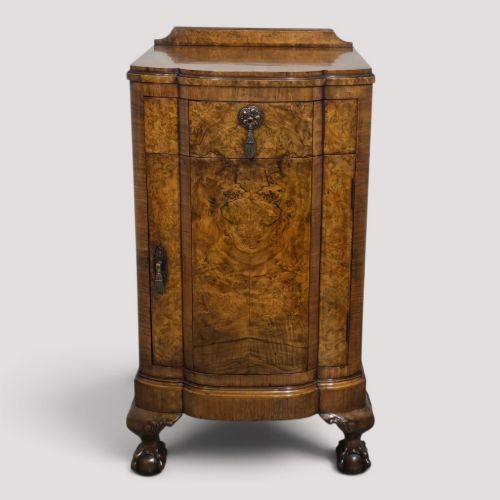
Cabinetmakers constructed these lockers using solid native hardwoods such as mahogany, oak, and walnut, frequently applying figured veneers like burr walnut or flame mahogany to the primary surfaces for visual depth. Secondary timbers like pine appear on internal drawer linings and carcass backs, whilst brass handles, hinges, and occasional gallery rails provide structural and decorative hardware.
Joinery techniques relied upon dovetailed drawer construction and mortise and tenon frames to ensure stability in daily use. Surface finishes range from traditional wax polish applied to open-grained mahogany to French polish on walnut, highlighting the natural figure of the wood.
Some nineteenth-century lockers feature discreet interior shelf ventilation holes, reminding us of their original domestic duty before indoor plumbing arrived.
Indicators of Quality and Craft
Quality in a bedside locker rests upon the selection of timber figures and the precision of the cabinetmaker's joinery. Superior examples display book-matched burr veneers, tightly cut dovetails, and thick panel construction that prevents warping over decades of atmospheric changes.
Finer pieces incorporate thoughtful functional details, such as marble tops designed to resist spilled water, fine ebony stringing inlaid into mahogany surfaces, or maker stamps confirming workshop origins. Lesser examples utilise plain secondary timbers and simpler butt joints with minimal attention to the grain continuity across the front elevation.
Holland & Sons·Simpson Halifax
The Pedestal Bedside Locker Glossary
- Pot cupboard
- A nineteenth-century term for a bedside locker originally designed to house a chamber pot behind its primary door. These typically include a small internal shelf and ventilation apertures.
- Burr walnut
- A highly figured timber harvested from the wart-like growths on walnut trees, sliced into thin veneers to create swirling patterns on cabinet doors. This material signifies decorative ambition in Victorian and Edwardian joinery.
- Flame mahogany
- A veneer cut from the fork of a mahogany tree where the grain diverges into a feather-like flame pattern. It is commonly found on the primary facades of Georgian and Victorian chests.
- Pedestal
- A tall, freestanding architectural column or upright cabinet form with a square footprint. In bedside furniture, it describes a narrow, vertical storage unit.
- Gothic Revival
- A nineteenth-century design style drawing inspiration from medieval ecclesiastical architecture. Pieces feature pointed arch panels, heavy chamfered edges, and architectural mouldings.
Pedestal Bedside Locker: Frequently Asked Questions
What is a pedestal bedside locker?
A pedestal bedside locker is an upright, enclosed wooden cabinet designed to stand next to a bed. It typically provides concealed storage behind a single door or within small drawers.
Historically, these pieces held night-time necessities and chamber pots. Today, they function as compact bedside tables that keep modern items neatly out of sight.
How do I date a bedside locker?
Dating relies upon observing the combination of timber, hardware, and structural construction methods. Georgian pieces often show linear mahogany proportions, while Victorian lockers favour heavier burr walnut veneers and panelled doors.
Edwardian examples frequently utilise lighter satinwood or simpler oak constructions. Checking the secondary timbers inside drawers provides further clues to the period of manufacture.
Are bedside lockers usually sold as pairs?
Bedside lockers appear both as single pieces and as matching pairs on the market. Single items are common because many historical bedrooms utilised only one bedside cabinet.
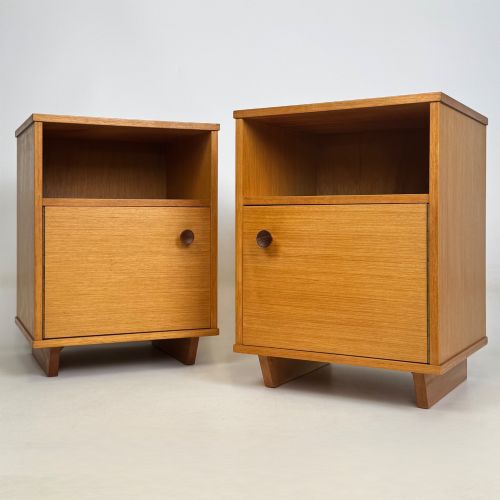
Matching pairs are harder to find and command greater interest from buyers furnishing symmetrical twin bed arrangements. The listings here include both individual cupboards and matched pairs from the Victorian and Edwardian eras.
How do I care for antique wood?
Maintaining antique timber requires keeping pieces away from direct heat sources and sudden humidity shifts to prevent veneer lifting or wood splitting. Regular dusting with a soft, dry cloth protects the polished surface.
Occasional application of traditional beeswax nourishes the grain without building up heavy chemical residues. Avoid using modern silicone sprays on antique polished furniture.