



Regency Cobalt Teacup
These regency cobalt teacup pieces bring together brilliant cobalt glazes and fine ceramic bodies from the Regency and Georgian eras for your table.
Regency Cobalt Teacup
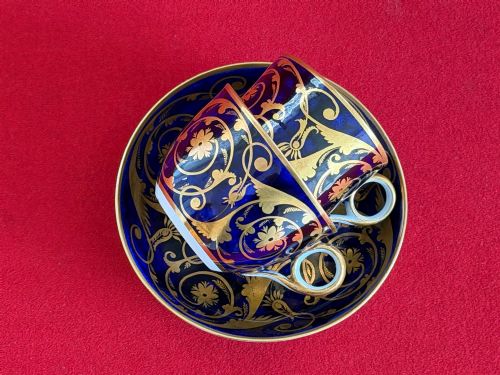
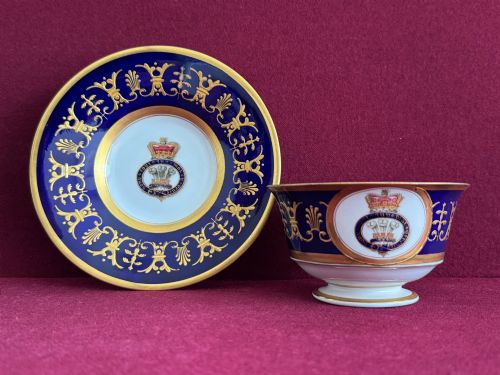
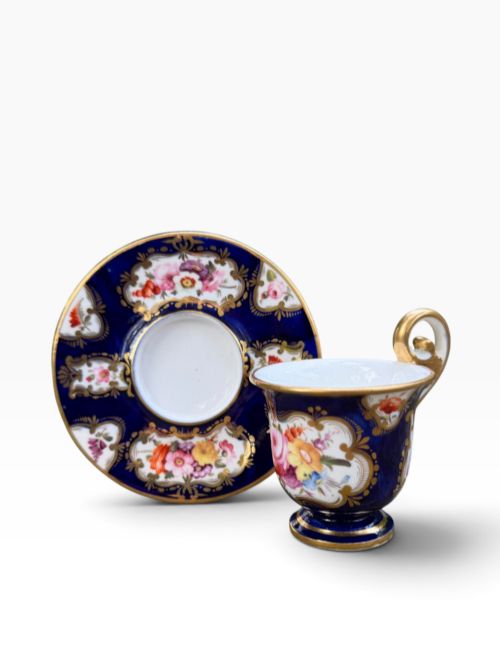
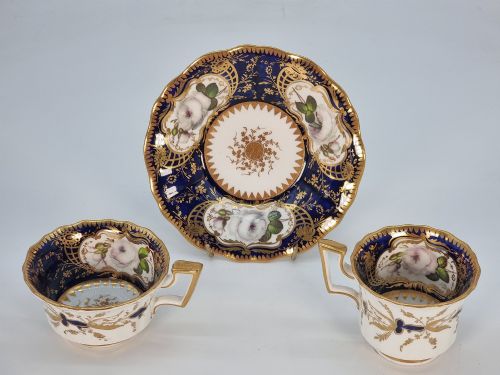
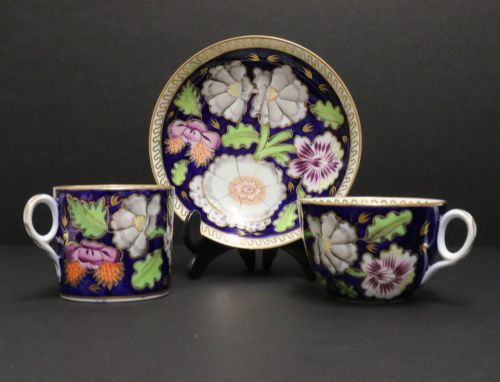
When you search for a regency cobalt teacup, you find delicate ceramic drinking vessels spanning the Regency, Georgian, and wider nineteenth-century periods. These items commonly take the form of teacups and saucers, tea bowls and matching saucers, cabinet cups, coffee cans, and trios.
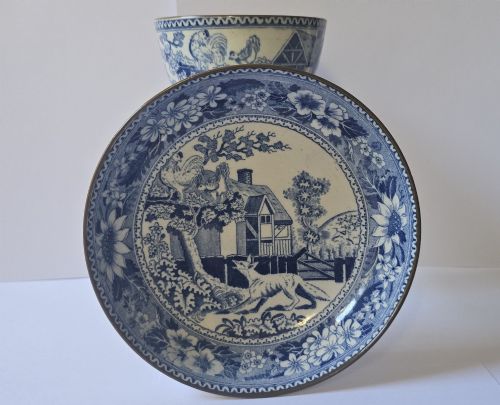
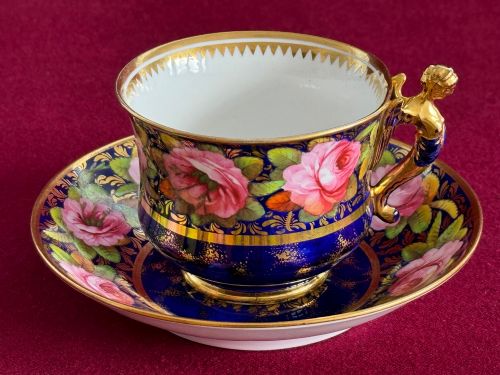
You are most likely to encounter porcelain and pearlware bodies adorned with deep blue cobalt tones alongside rich gilt highlights. The examples presented here originate from celebrated English factories operating during the early eighteen-hundreds and the eighteen-fifties.
How they were made
Makers utilised fine porcelain, bone china, and pearlware as the ceramic base for each vessel, shaping them into handled cups, bowls, and matching saucers. Artisans then applied underglaze cobalt blue alongside hand-painted enamel colours.
The decorative schemes were frequently finished with gold leaf, detailed gilding, and intricate motifs applied by skilled painters working within established English potteries.
Regency Cobalt Teacup Retail Price Guide 2026
Typical asking prices for regency cobalt teacup among the pieces listed under this phrase on Sellingantiques today, from the lower quarter to the upper quarter. They describe what is for sale here now, not the wider market.
The listings span porcelain, pearlware, and earthenware, decorated with enamel and gold leaf across the Regency and Georgian periods.
What varies in quality
The standard of a regency cobalt teacup rests upon the precision of the hand-painted enamel work and the crispness of the cobalt application. Finer examples display meticulous brushwork by named decorators alongside heavy, untarnished gilding.
The choice of ceramic body also dictates the tier of the piece, with translucent porcelain and fine bone china representing a more refined manufacture than standard earthenware.
New Hall Porcelain·Spode Porcelain·Barr & Barr Worcester·Minton Porcelain·Coalport John Rose
The Regency Cobalt Teacup Glossary
- Porcelain
- A white, vitrified translucent ceramic material fired at high temperatures. It forms the smooth, durable body for many fine teacups and saucers.
- Pearlware
- An earthenware body perfected in the late eighteenth century featuring a subtle bluish glaze that pools in crevices. It sits as a direct predecessor to nineteenth-century refined stonewares.
- Coffee Can
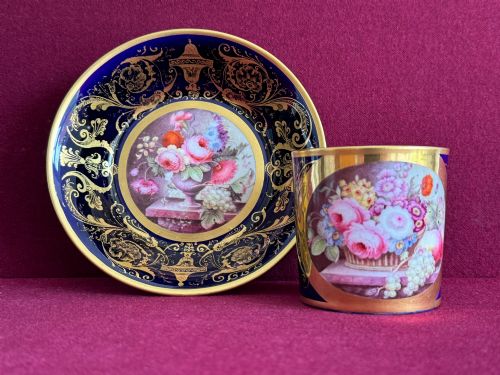
- A small, straight-sided cylindrical cup designed specifically for drinking strong coffee during the Georgian and Regency periods. It usually comes paired with a matching saucer.
- Cabinet Trio
- A matching set comprising a teacup, a coffee can, and a saucer intended primarily for display within a glass-fronted cabinet rather than daily tea service.
- Gilt
- A thin layer of gold applied to the ceramic surface to accent rims, handles, and painted panels. It adds a lustrous metallic contrast to the deep cobalt blue underglaze.
Regency Cobalt Teacup: Frequently Asked Questions
What is a regency cobalt teacup used for today?
These historical cups serve largely as cabinet display pieces or collector items rather than for everyday dining. Their delicate porcelain structures and hand-applied gold leaf require careful handling if brought out for occasional use.
Collectors often group matching trios and saucers together on open shelves or inside glass-fronted cabinets to highlight the deep cobalt blues and gilded highlights under interior lighting.
How do I tell a Regency period cup from later wares?
Regency and Georgian pieces typically exhibit specific handle shapes, such as the image handle or ring handle, alongside distinct potting weights. The paste used in genuine early nineteenth-century porcelain feels denser yet translucent when held to a strong light.
Examining the foot rim often reveals unglazed hard paste characteristic of English factories operating between eighteen hundred and eighteen thirty. Later nineteenth-century iterations shift slightly in glaze tint and floral enamel palettes.
What is the difference between a tea bowl and a teacup?
Tea bowls are small, handleless vessels derived from early Chinese ceramic imports. Drinkers held them with both hands to sip warm tea during the Georgian era.
Teacups feature applied handles, providing a more modern grip that gained popularity as social tea drinking evolved into the Regency period. Both forms regularly appear paired with matching saucers.