

Regency China Plate
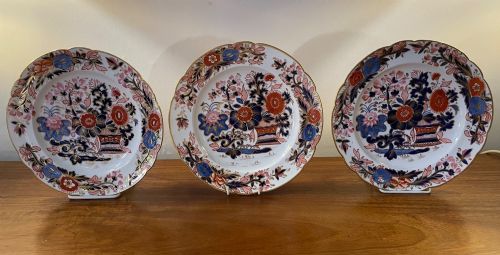
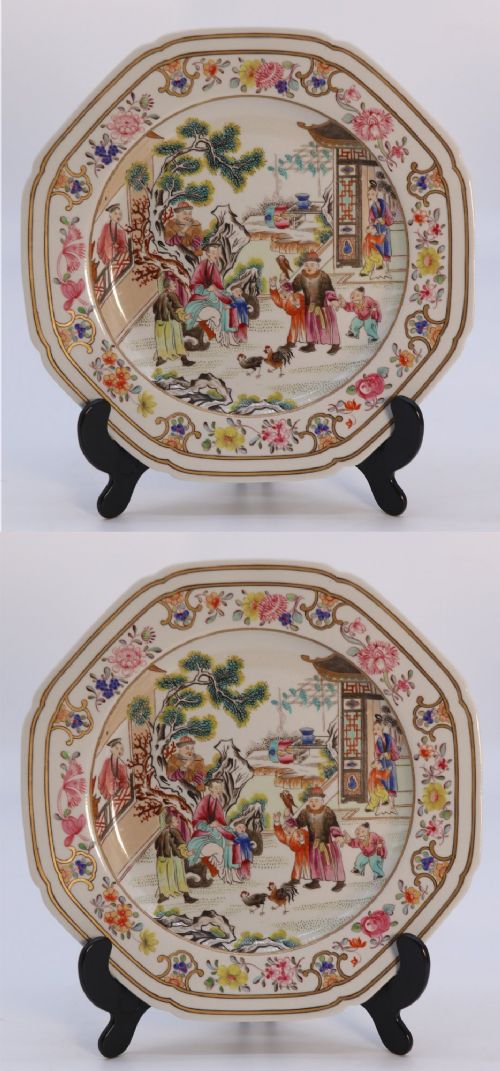
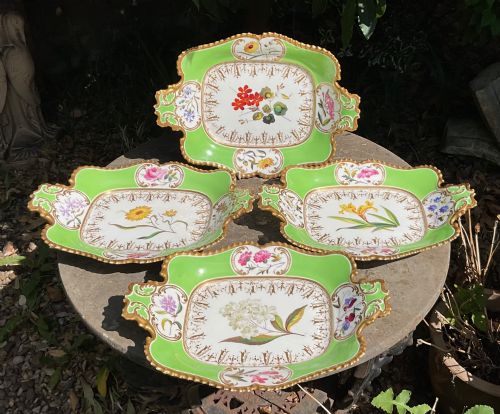
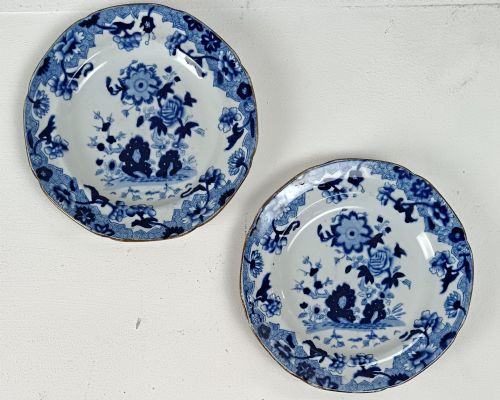
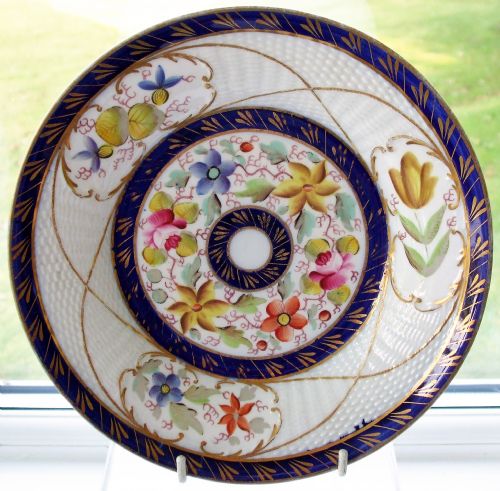
These pieces combine fine porcelain and earthenware with handpainted decoration from the early nineteenth century.
Regency China Plate
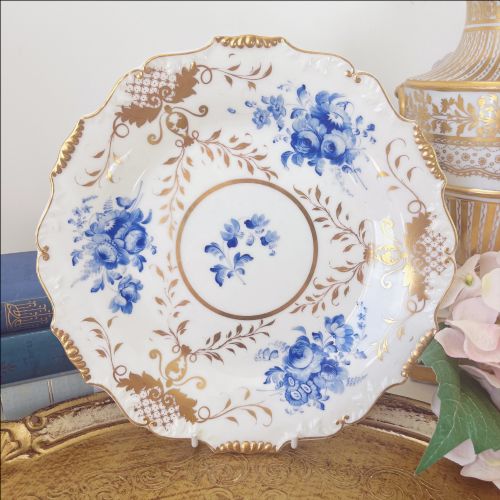
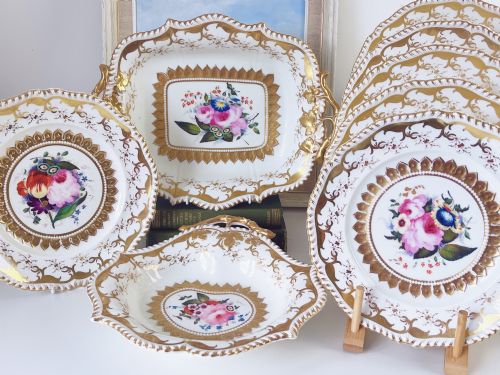
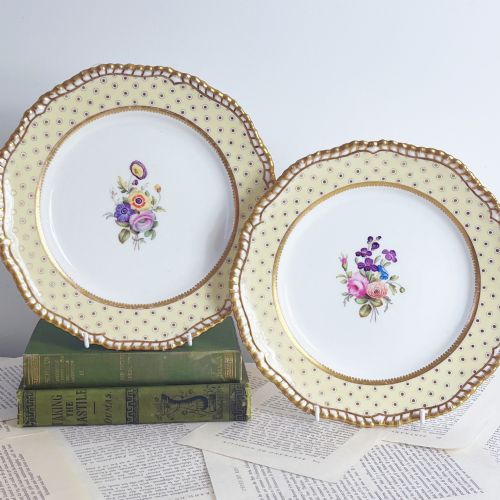
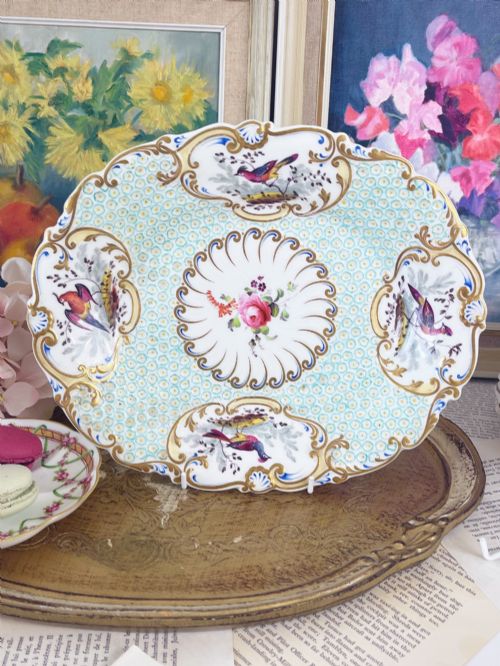
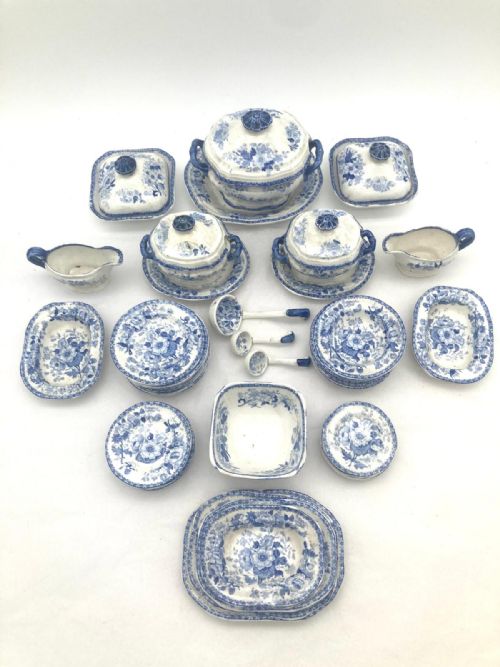
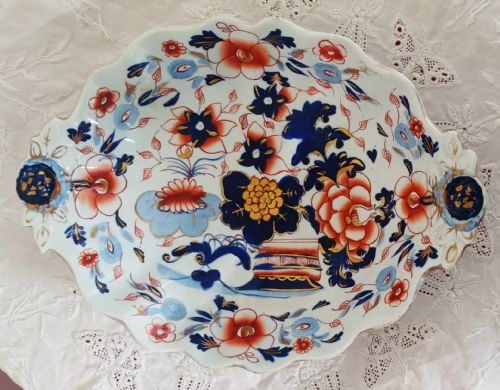
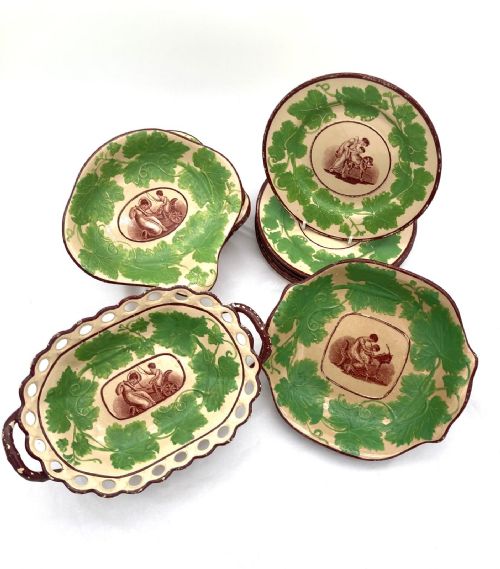
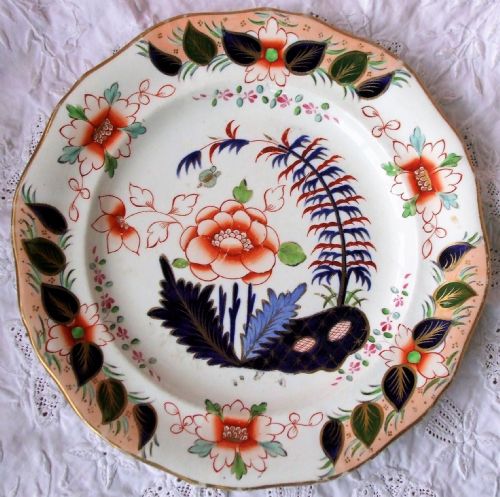
When searching for a regency china plate, a buyer encounters tablewares created during the Georgian and Regency periods, spanning the late eighteenth through the early nineteenth century. Most examples on this page take the form of dessert plates, cabinet plates, and serving dishes produced by English factories.
The assortment includes specialised items such as tea plates, soup plates, low comprots, and complete dessert services. Makers utilised various bodies, ranging from bone china and stone china to ironstone and standard earthenware.
Materials and production methods
Potters shaped porcelain and ironstone bodies before applying underglaze blue and white transfer printing, or handpainted motifs using enamel colours and gold leaf. Many establishments employed specific glaze formulations to achieve a durable surface finish on utilitarian and decorative wares.
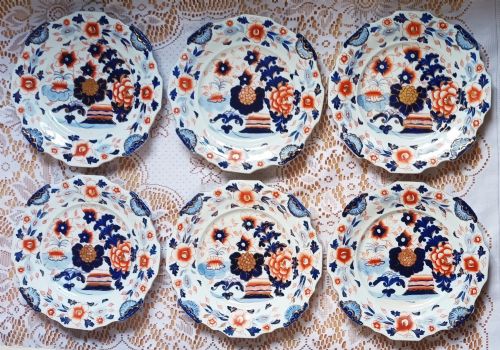
Factories like Worcester, Spode, and Minton combined transfer-printed outlines with meticulous hand-colouring, particularly in floral, botanical, and Japanese-inspired patterns. Gilding was applied by hand and fired to create metallic accents on rims and borders.
Listings feature eighteenth-century and nineteenth-century periods, utilising materials such as enamel, porcelain, gold leaf, earthenware, ceramic, glaze, ironstone, and gilt.
Standards of execution
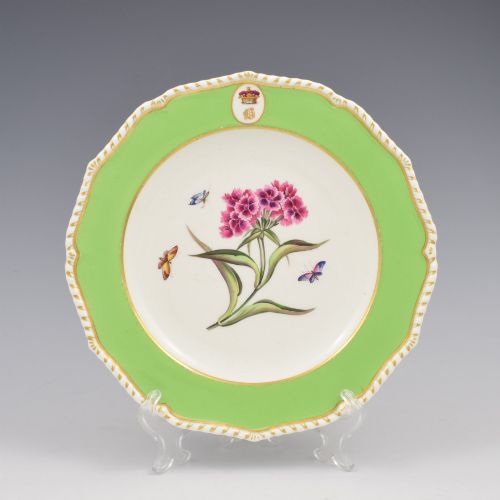
Distinctions in quality rest upon the precision of the handpainting, the crispness of the transfer printing, and the richness of the enamel and gilt decoration. Botanical and armorial plates executed by named artists or major manufactories display superior brushwork and finer porcelain bodies.
The complexity of the pattern and the balance of the composition separate standard production pieces from cabinet specimens intended purely for display. Potteries achieved different levels of refinement in their paste preparation, influencing translucency and weight.
Grainger Lee And Co·Spode·H And R Daniel·Wedgwood·Chamberlains Worcester·Minton·John Davenport·New Hall·Bloor Derby·Derby Porcelain·Barr Flight And Barr·Coalport Porcelain·Mason Ironstone·Ridgway Porcelain·Nantgarw Porcelain·Staffordshire
The Regency China Plate Glossary
- Ironstone china
- A patented ceramic body invented to be durable and heavy, combining earthenware clay with slag of ironstone.
- Imari palette
- A decorative scheme utilising underglaze blue, iron red, and gilt, inspired by Japanese export porcelains.
- Bone china
- A porcelain type containing bone ash, known for its high strength, opacity, and warm white tone.
- Armorial plate
- A ceramic dish painted with a family crest, coat of arms, or noble insignia.
- Comport
- A raised serving dish or pedestal bowl used for presenting fruit or sweetmeats during dessert courses.
Regency China Plate: Frequently Asked Questions
What were regency china plates used for?
These dishes served multiple functions at upper-class dining tables, ranging from individual dessert courses to formal presentation as cabinet specimens.
Many formed parts of larger dinner or dessert services utilised for serving fruit, sweetmeats, and confectioneries during the final courses of a meal.
How do I identify a regency period plate?
Identification relies on examining the ceramic body, factory marks, and stylistic indicators such as botanical illustrations, armorial bearings, or Japanned motifs.
Most pieces date between the early nineteenth century and the 1830s, displaying characteristic shapes like octagonal rims or scalloped edges paired with handpainted enamels.
Are these plates suitable for daily use?
While historic ironstone and stone china bodies possess considerable durability, the presence of delicate enamel paints and gold leaf gilding makes hand washing essential.
Many collectors prefer to treat these nineteenth-century ceramics as display items or cabinet pieces to preserve their fragile painted surfaces.
What is the difference between porcelain and ironstone?
Porcelain is a vitrified ceramic material known for its fine texture and translucency when held to the light, often reserved for high-status tableware.
Ironstone is a dense, opaque earthenware developed for strength and heavy everyday use, featuring a heavier weight and robust glaze.