


Regency Carved Wood Stand
These pieces range from music stands to occasional tables in mahogany and rosewood, offering practical display surfaces rooted in the Regency period and subsequent revivals.
Regency Carved Wood Stand
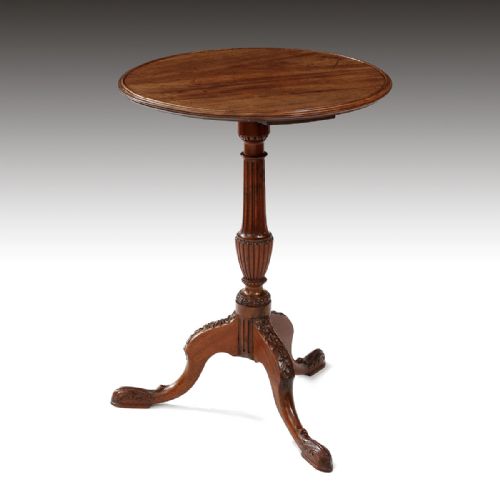
A regency carved wood stand encompasses functional items for the home, including music stands, tripod tables, torcherees, and book stands. The selection spans the nineteenth century, taking in George III, George IV, William IV, and Victorian periods alongside later revivals.
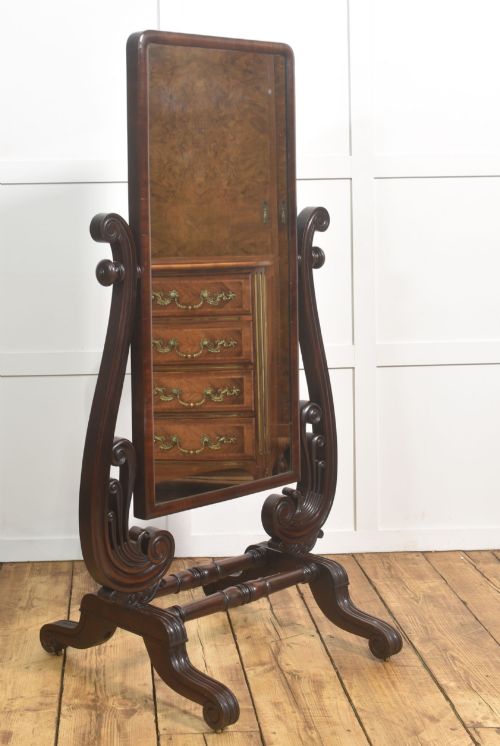
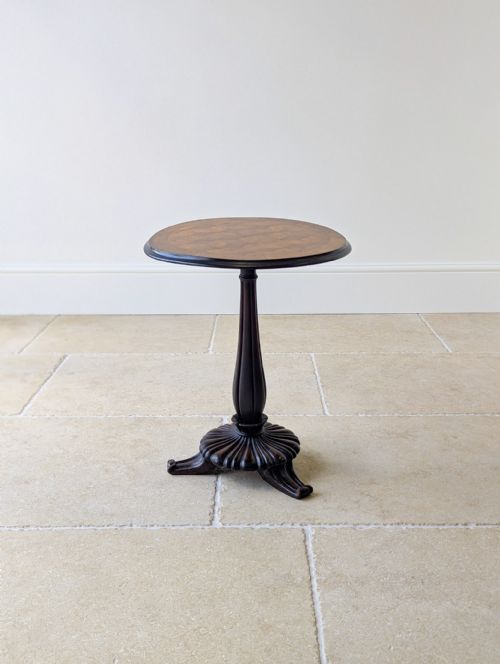
Forms vary from small occasional tables and wine tables to elaborate cheval mirrors and Canterbury magazine racks. The materials reflect solid timbers and decorative veneers typical of British cabinetmaking and colonial workshops.
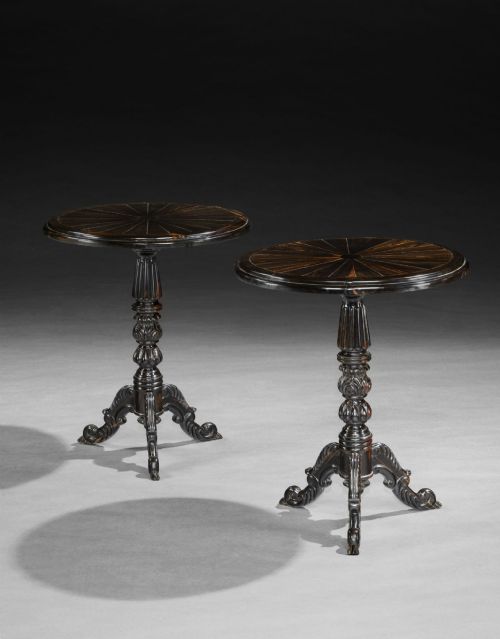
Buyers encounter distinct regional variations, such as Anglo-Indian colonial pieces in ebony alongside domestic walnut, mahogany, and rosewood items. The common thread is carved wooden construction designed for specific domestic duties.
How they were made
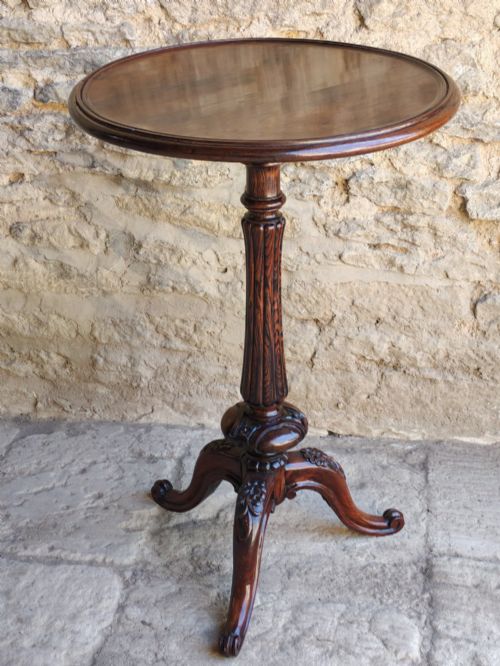
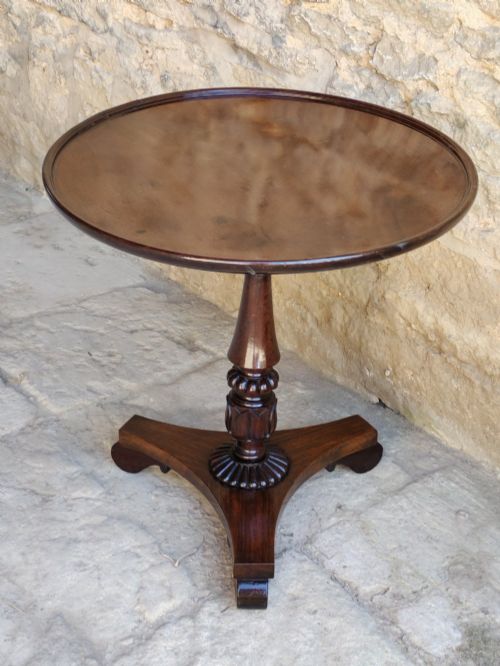
Cabinetmakers utilised dense hardwoods such as mahogany, rosewood, walnut, and ebony, often selecting specific grains for table tops and panels. Turned and carved columns rest upon tripod legs or platform bases, joining structural stability with ornamental detail.
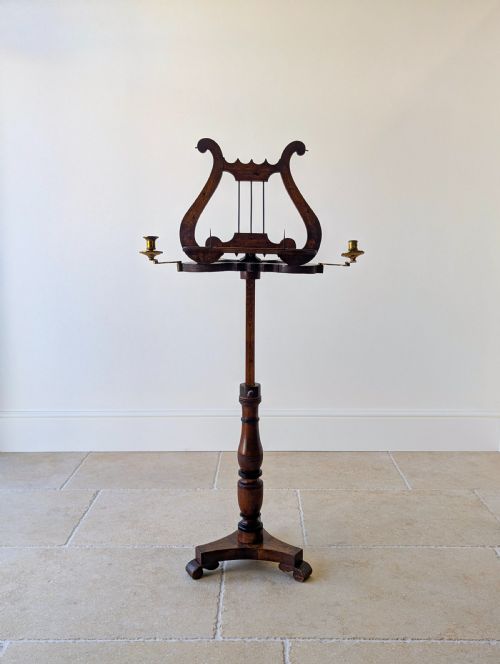
Giltwood, gesso, and parcel gilt treatments appear on stands and mirrors, providing reflective surfaces and gilded highlights. Joinery relies on traditional methods, while tilt-top mechanisms and adjustable music stands incorporate functional brass hardware.
Listings feature multiple timber species, including mahogany, rosewood, walnut, yew, and ebony, spanning the Regency to the Edwardian period.
What varies in quality
The precision of the wood carving dictates much of the distinction between standard items and exceptional examples, particularly on acanthus leaves, reeded columns, and paw feet. Crisp lines and deep relief work indicate skilled execution by the maker.
Timber selection and veneer matching across large surfaces like table tops or cabinet doors separate utilitarian workshop output from ambitious cabinetwork. The integrity of original brass fittings and the smoothness of tilting mechanisms also influence the standing of a piece.
Gillow
The Regency Carved Wood Stand Glossary
- Teapoy
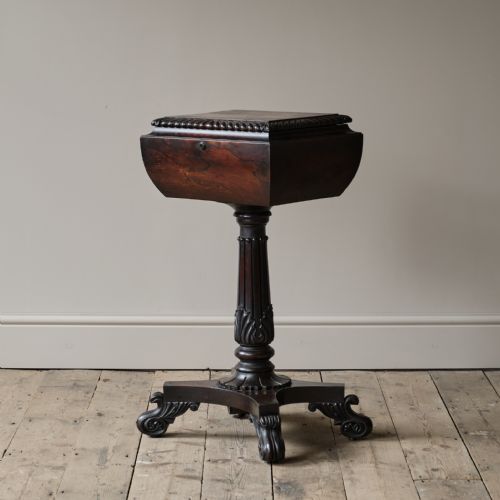
- A small stand or box fitted for holding tea, often featuring a sarcophagus shape and interior compartments. These objects sat beside seating areas in reception rooms.
- Torchere
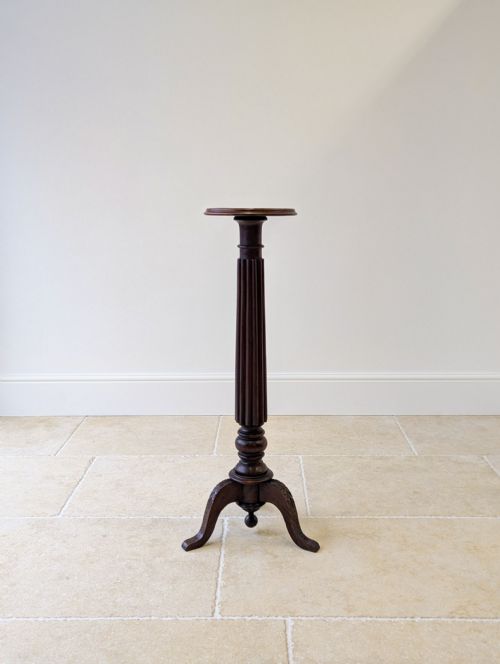
- A tall decorative stand designed to support a candelabrum or lamp. They usually feature slender carved columns raised on tripod bases.
- Canterbury
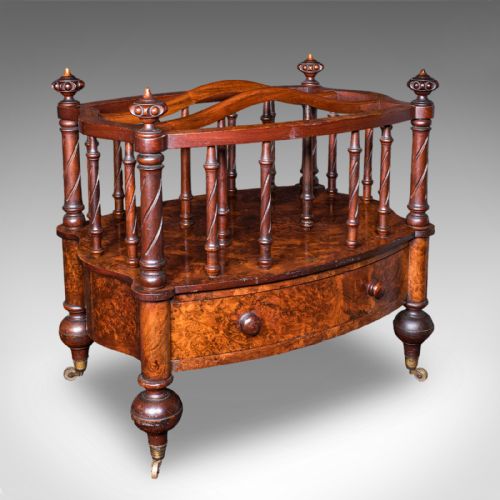
- A low stand with partitions for holding sheet music, newspapers, or magazines, frequently incorporating a drawer beneath. They developed during the late eighteenth century and remained popular through the Victorian era.
- Whatnot
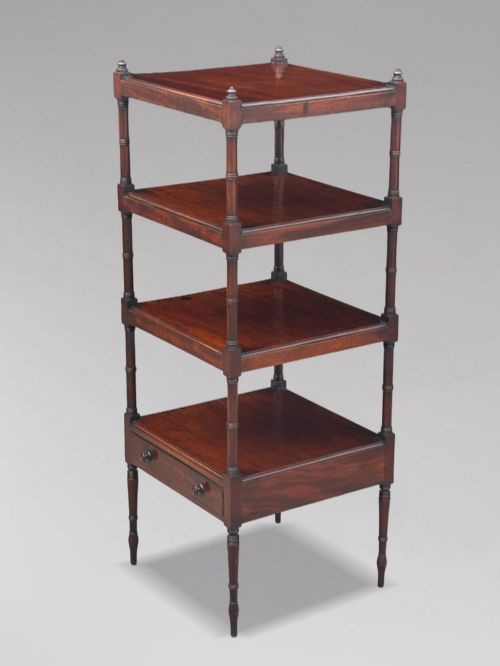
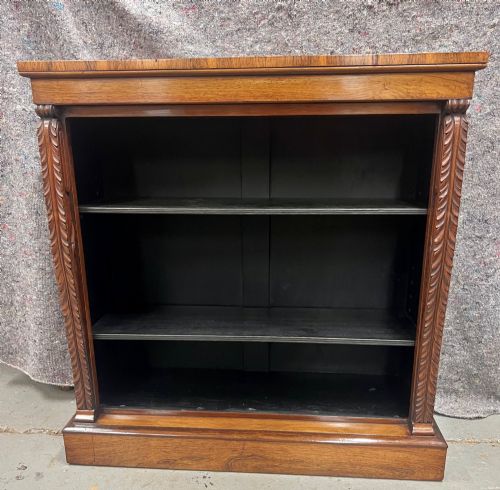
- A piece of open shelving supported on pillars, used for displaying ornaments and books. They range from small tabletop versions to tall corner units.
- Cheval mirror
- A large full-length mirror hung on pivots within a standing frame, allowing the glass to tilt. They appear frequently in nineteenth-century bedroom furnishings.
Regency Carved Wood Stand: Frequently Asked Questions
What is a teapoy used for?
A teapoy served as a secure repository for loose tea leaves when tea was an expensive commodity. Lidded compartments inside kept different varieties dry and locked away from household staff.
In modern rooms, these stands function effectively as small side tables or decorative accent pieces beside a chair.
How do I identify a music stand?
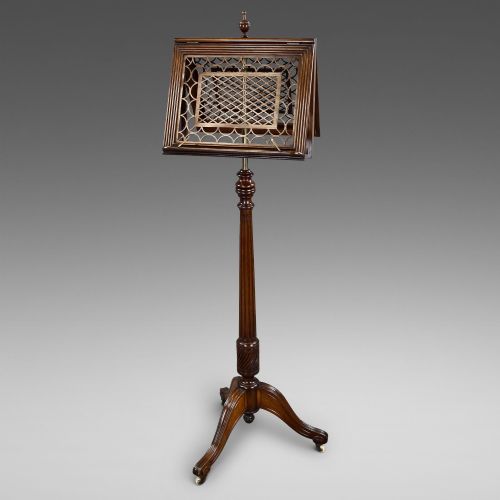
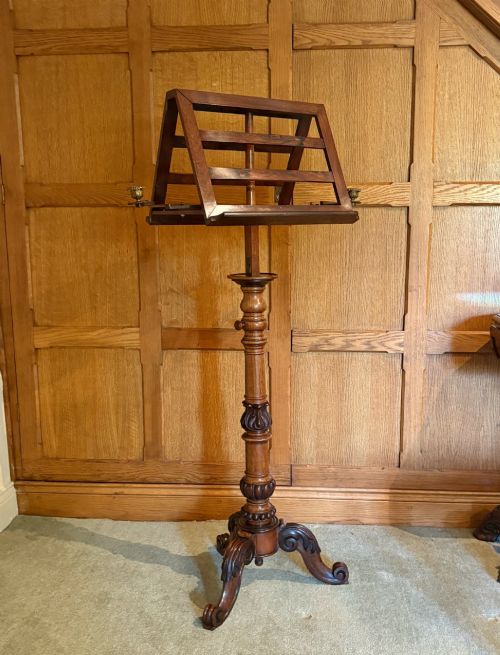
Music stands feature adjustable reading ledges mounted on central pedestals, often with lyre-shaped supports or fretted wooden music racks. They were built for holding sheet music during vocal or instrumental practice.
Many examples include candle arms designed to swing out and illuminate the score.
What distinguishes William IV furniture?
William IV pieces date from the 1830s and display heavier proportions than earlier Regency items. Carvings tend to be bolder, featuring prominent scrollwork, reeded legs, and substantial mahogany or rosewood timbers.
Cabinetmakers of this era favoured broad, unbroken expanses of figured veneer over delicate neoclassical motifs.
Where should I place a torchere?
Torcheres suit corners or empty wall spaces where their vertical height adds architectural interest without occupying floor space. Originally built to hold candles or oil lamps, they now accommodate electric lamps or sculptural objects.
Their narrow tripod bases require placement out of major traffic routes to ensure stability.