

Regency Candlestick Holder
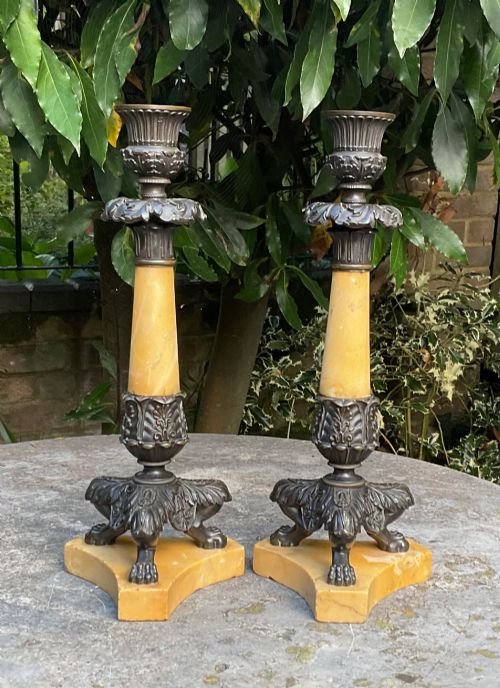
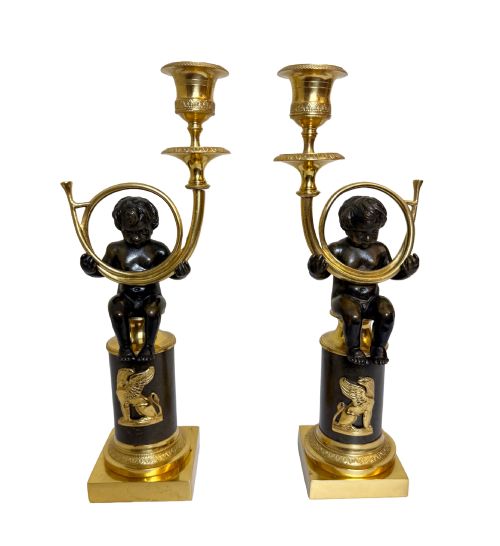
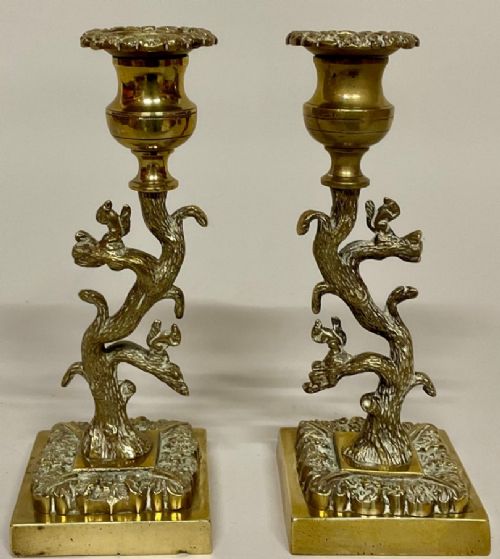
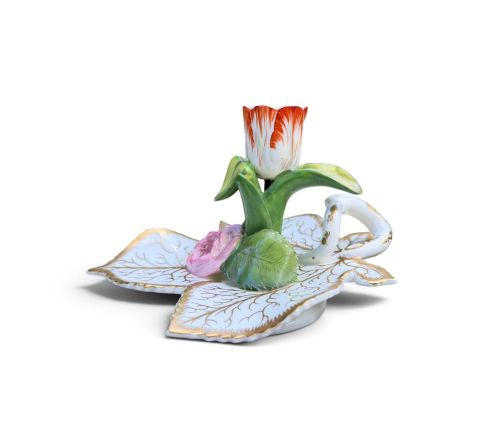
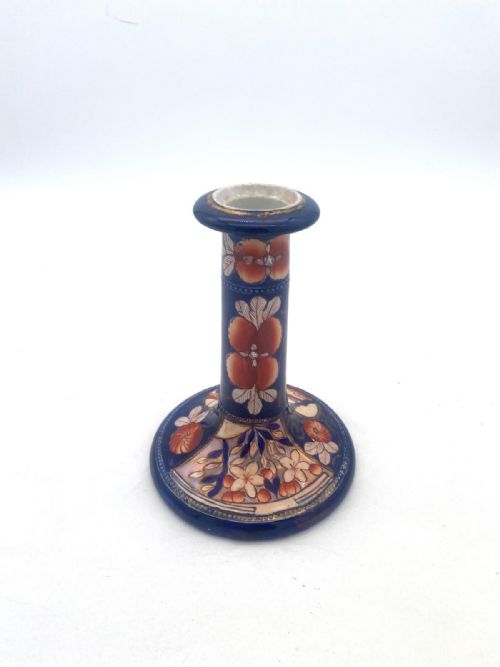
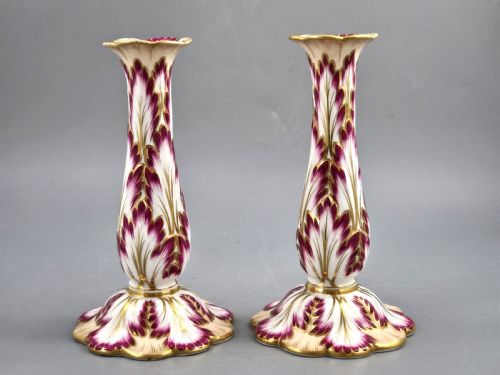
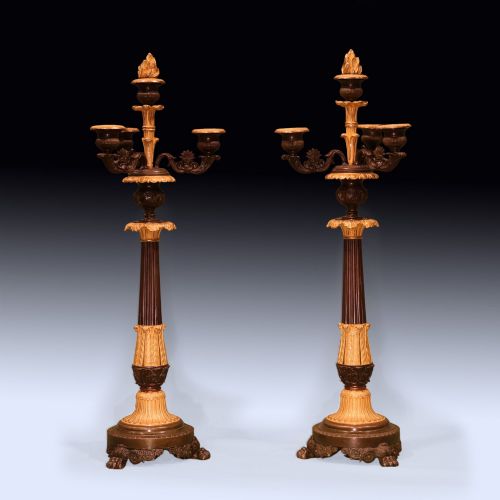
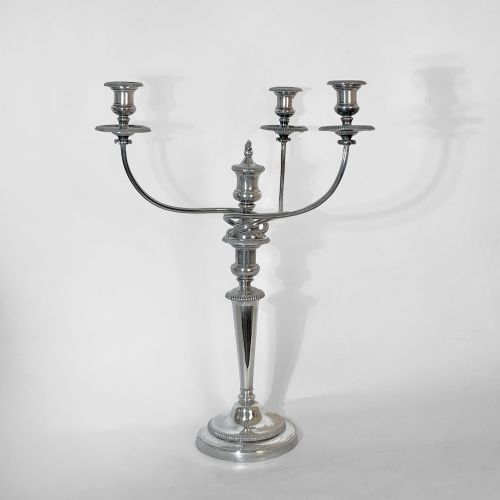
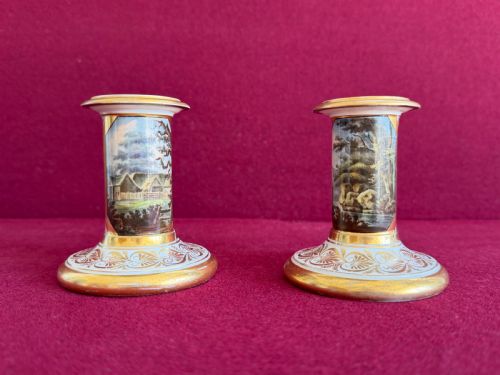
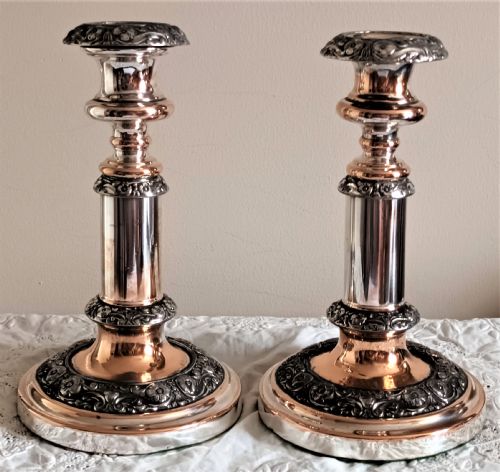
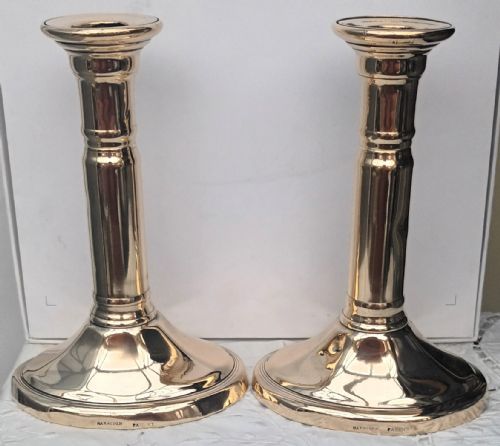
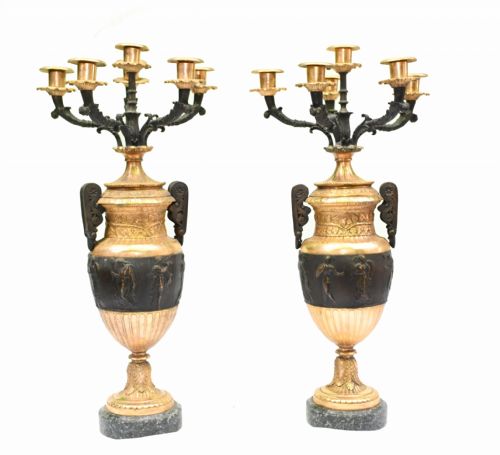
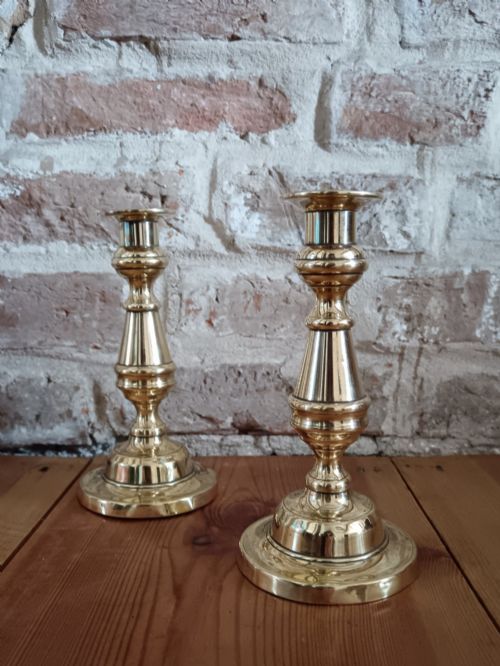
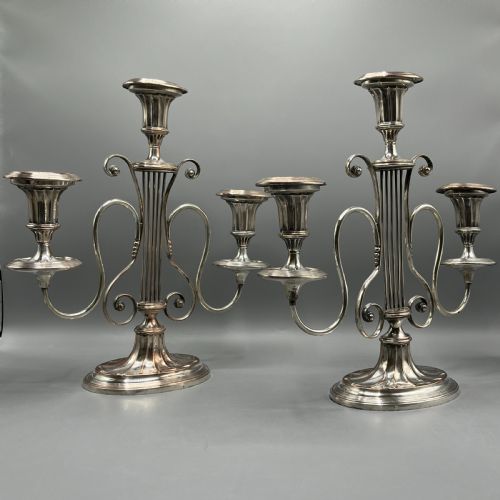
These pieces are a regency candlestick holder, cast in bronze, brass, silver plate and porcelain to hold tallow or wax taper safely upon a table.
Regency Candlestick Holder
A regency candlestick holder provides structural illumination through vertical sockets supported on bases of marble, metal or ceramic. Buyers searching this phrase meet pairs cast in brass, patinated bronze, ormolu and porcelain, alongside silver plated and glass variants originating from the nineteenth century.
The domestic interior relies on these objects for table lighting, chamber illumination and decorative symmetry. Forms range from simple column candlesticks and ejector mechanisms to multi-light candelabra, chambersticks with handle pans, and table lustres hung with glass drops.
Makers and manufacturers of the period draw upon classical styles, French Empire designs and English Regency taste, producing items cast as figural trees, animals or architectural columns. Examples span from standard brass utility pieces to sculptural gilt bronze works designed for formal reception rooms.
Materials and Construction
Foundry workers cast brass, bronze, and ormolu components in sand moulds before turning them on lathes for precise cylindrical finish. Details such as squirrels, cherubs and foliage are hand-chased after casting to sharpen the definition of the metal.
Silver plating and Sheffield plate involve fusing a thin sheet of silver to a thicker copper base, allowing smiths to shape durable items that mimic solid silver. Porcelain bodies from factories like Spode, Ridgway, and Barr, Flight and Barr undergo high-temperature firing and hand-enamelling in specific decorative patterns.
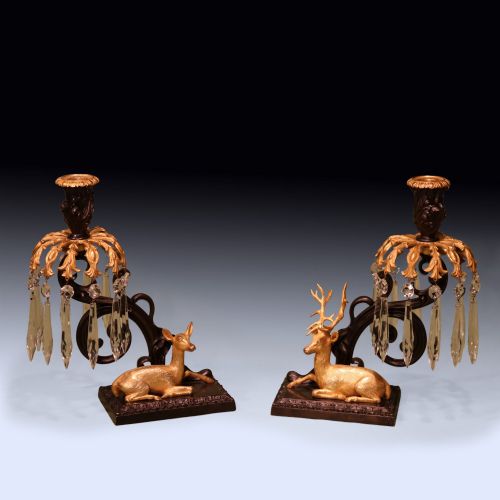
Squirrels climb branches and stags stand beside does in sculptural metalwork designed to hold wax in place.
Distinctions in Quality
Superior examples demonstrate crisp chasing in the metalwork, where details on figures and foliage remain sharp rather than smoothed by worn moulds. Heavy gauge metals and dense marble plinths provide stability and correct balance to the structure.
Porcelain quality rests upon the precision of the enamel painting, the evenness of the glaze, and the absence of firing distortions in the ceramic body. Plated items show quality through the thickness of the applied silver layer and the discretion of the underlying copper seams.
Barr, Flight and Barr·Masons Ironstone·Ridgway·Spode
The Regency Candlestick Holder Glossary
- Ormolu
- Gilded bronze produced by applying a mercury-gold amalgam to a bronze base and heating it to vaporise the mercury. This technique creates a rich, matte gold surface characteristic of decorative metalwork.
- Chamberstick
- A low candlestick fitted with a shallow pan and a ring handle for carrying from room to room. It often includes a small conical snuffer resting in the tray.
- Telescopic
- Describing a shaft that adjusts in height via sliding concentric tubes held by friction or internal catches. This mechanism appears frequently on silver plated and brass examples.
- Lustre
- A candlestick or table light hung with cut glass drops or prisms designed to reflect candle flame. These ornaments amplify the perceived brightness of the room.
- Pricket
- A sharp metal spike projecting upward from the drip pan to impale a candle rather than enclosing it within a socket. This form appears on liturgical and large decorative pieces.
Regency Candlestick Holder: Frequently Asked Questions
How were chambersticks used in the home?
Chambersticks travelled through corridors and up staircases to illuminate pathways before the advent of gas and electric lighting.
The attached saucer caught melting wax drips while the ring handle kept fingers clear of heat.
How do I identify telescopic candlesticks?
Telescopic stems feature sliding sections that permit the candle height to extend or retract according to preference.
Inspect the inner tubes for maker patents and smooth friction movement when adjusting the height.
What distinguishes patinated bronze from ormolu?
Patinated bronze displays a dark, chemical-induced surface finish on the metal sculpture.
Ormolu applies a bright gold gilding over the bronze to create contrasting metallic textures within a single piece.