
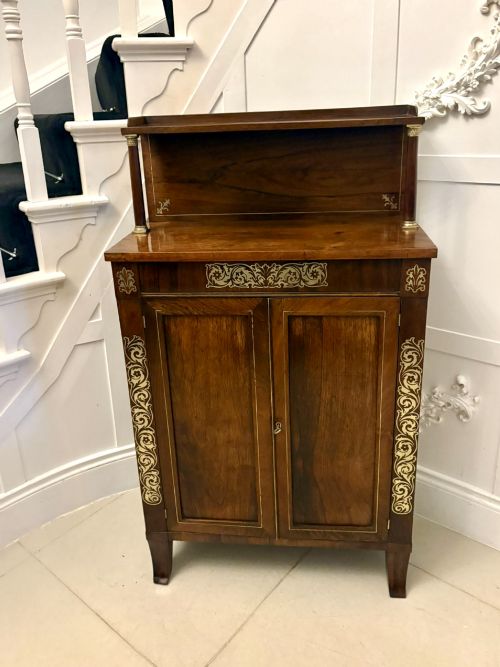
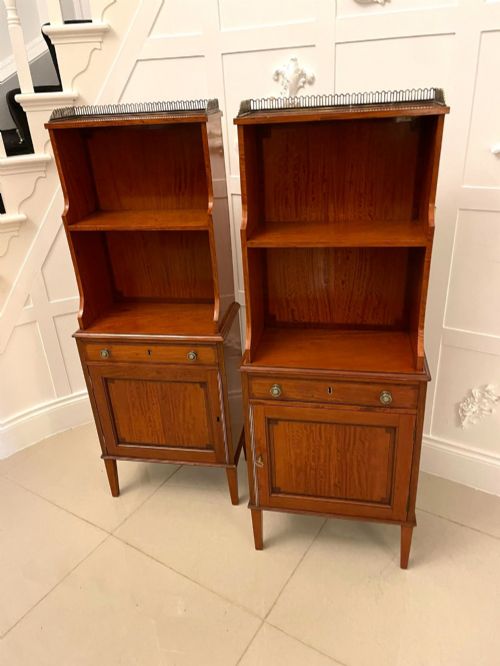
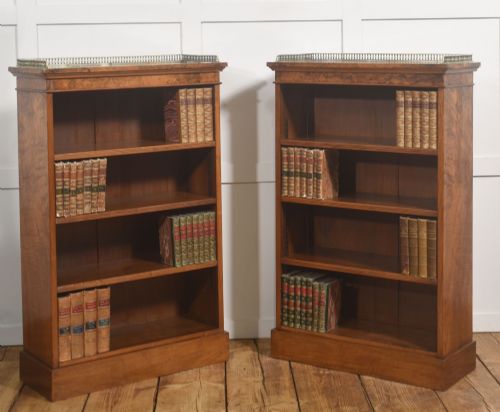
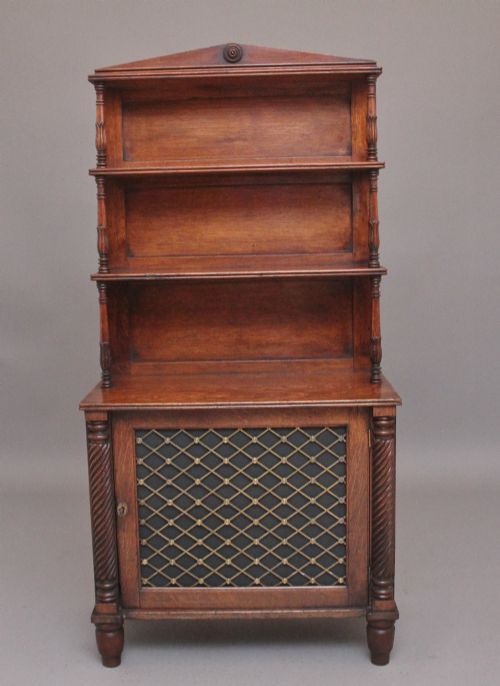
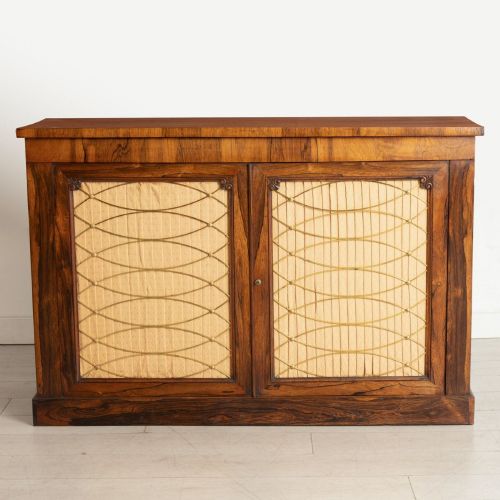
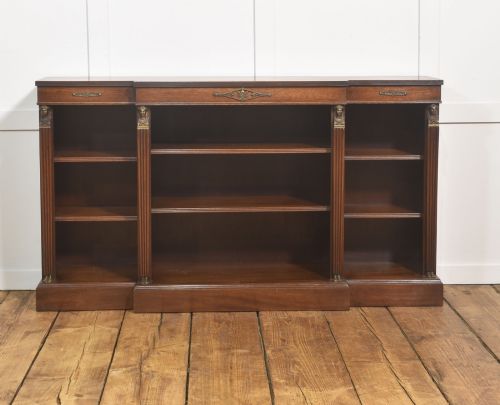
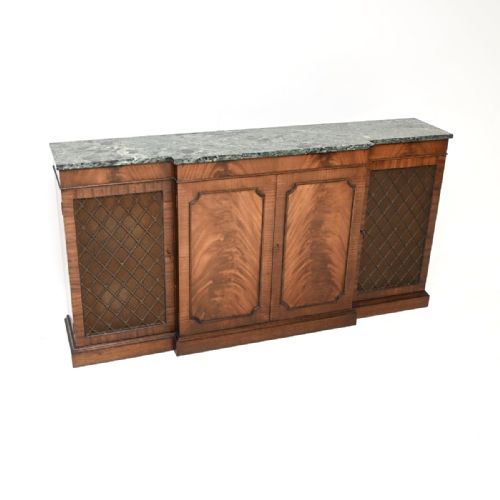
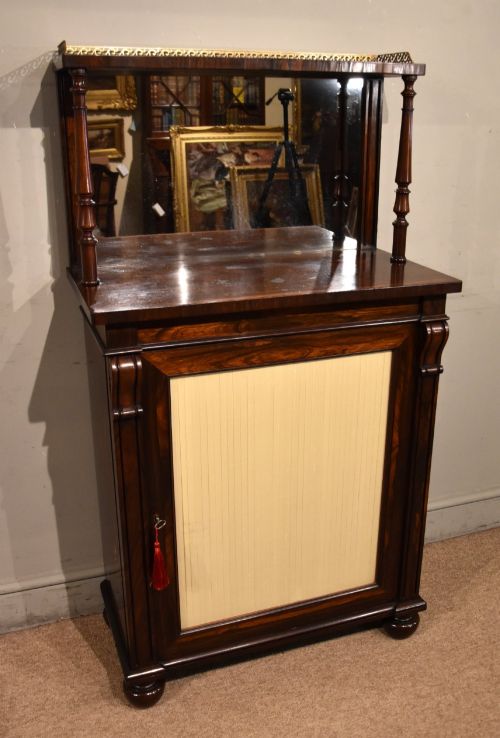
Regency Brass Cabinet
A regency brass cabinet combines refined timber surfaces with precise metal enrichment, offering both display space and secure storage for the discerning interior.
Regency Brass Cabinet
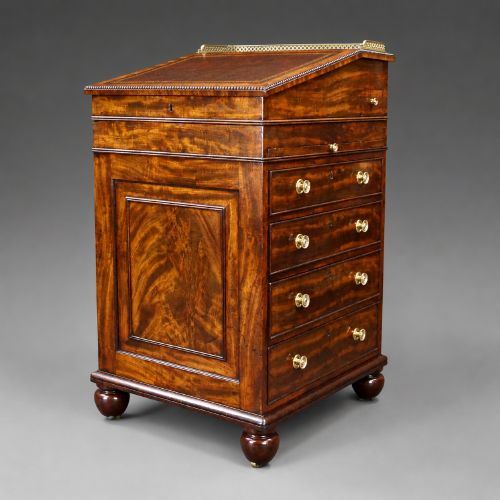
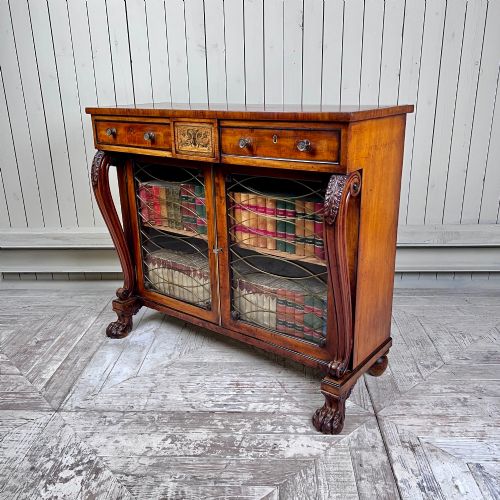
A regency brass cabinet is a low storage piece, chiffonier, pier cabinet, or bookcase originating primarily from the Regency and 19th Century periods. These pieces are characterised by formal architectural proportions and specific use in formal reception rooms.
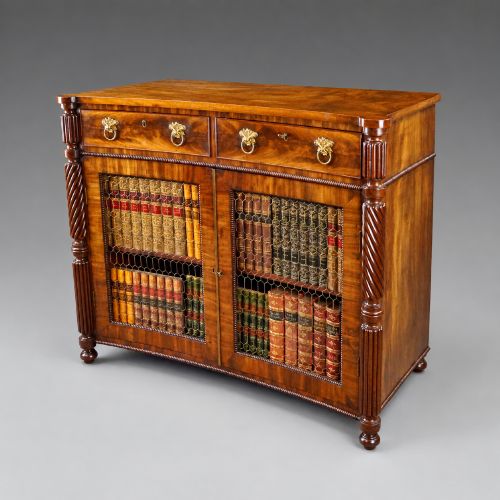
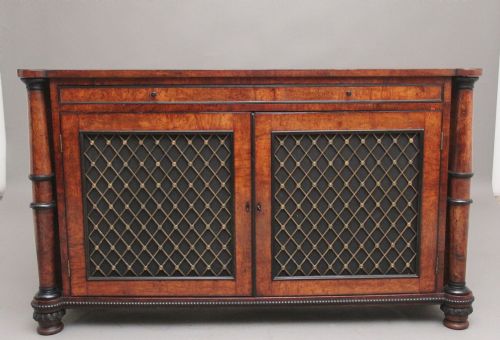
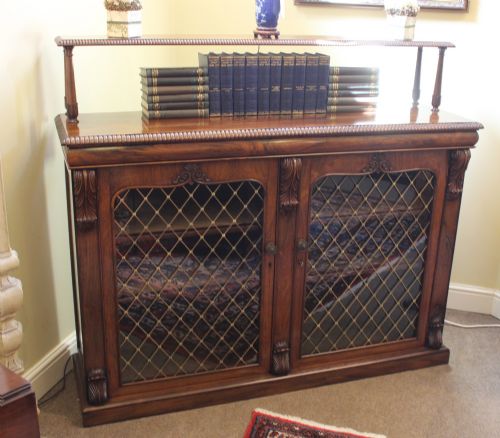
Buyers will most frequently encounter rosewood and mahogany side cabinets featuring glazed or brass-grilled doors and fitted interiors. The form prioritises horizontal surface display paired with enclosed shelving below.
Originating largely from Georgian and Regency workshops, these items serve as both functional storage units and decorative focal points within traditional interiors.
Materials and construction methods
Cabinet makers utilised dense exotic timbers such as rosewood and flame mahogany as substrates, often applying contrasting veneers of ebony, pollard oak, or satinwood. These solid foundations ensured stability and allowed for smooth, highly polished exterior surfaces.
Brass enrichment forms a defining characteristic, appearing as fine line inlay, intricate marquetry, cast mounts, and protective grilles backed by gathered fabric. Metal components were meticulously fitted into hand-cut channels within the timber.
Structural assembly relied on traditional joinery, incorporating turned feet, marble tops, and specialist hardware such as brass gilt fittings and campaign style joints.
Listings feature rosewood, mahogany, pollard oak, and amboyna timbers paired with brass inlay and marble tops across 19th Century forms.
Distinguishing tiers of quality
The sophistication of the brass inlay and marquetry dictates the upper echelon of the range, where precise geometric lines and figurative motifs demonstrate exceptional hand-cutting. Lesser examples feature simpler brass stringing or plain mounts with less integration into the timber grain.
Timber selection and figure significantly impact the standing of a piece, with richly figured flame mahogany and heavily grained rosewood commanding greater visual depth. Secondary woods and plain veneers indicate more utilitarian workshop output.
Gillows·Louis Constantin Le Gaigneur·Pitcher
The Regency Brass Cabinet Glossary
- Chiffonier
- A compact sideboard or low cabinet typically fitted with shelves enclosed by doors, often surmounted by a raised superstructure. This form became popular during the Regency period for dining and drawing rooms.
- Pier Cabinet
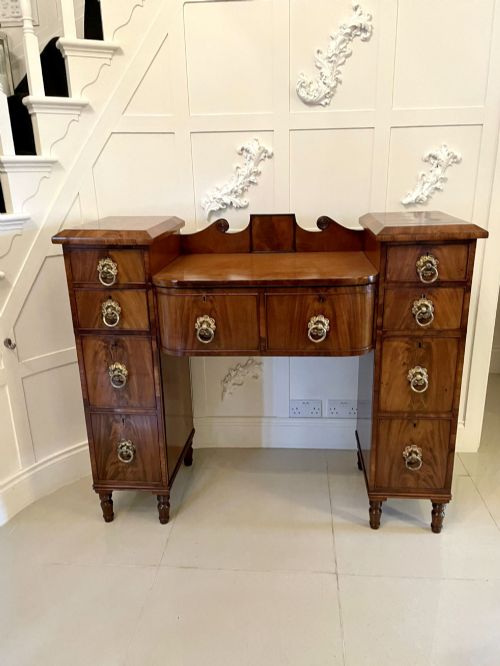
- A narrow display or storage piece designed specifically to fit the wall space between windows. These often incorporate marble tops and brass-grilled doors.
- Brass Grille
- A protective mesh of woven or cast brass fitted into cabinet doors to allow visibility of contents while providing secure enclosure. They frequently replace glass panels in library and drawing room furniture.
- Marquetry
- Decorative patterns formed by the insertion of contrasting veneers into a primary wood ground. Craftsmen utilise this technique to create elaborate floral or geometric designs.
- Secretaire
- A cabinet or desk featuring a pull-down writing flap that conceals a fitted interior of small drawers and pigeonholes. This dual-purpose form combines writing utility with concealed compartment storage.
Regency Brass Cabinet: Frequently Asked Questions
Where were these cabinets placed originally?
These cabinets stood primarily in principal reception rooms, dining parlours, and libraries of Regency and Georgian homes. Their low profiles allowed them to sit beneath windows or against specific wall piers without obstructing natural light.
In contemporary interiors, they function effectively as media consoles, hallway storage points, or display surfaces in living spaces.
How do I care for rosewood and mahogany surfaces?
Maintenance requires avoiding direct sunlight and excessive humidity to prevent timber splitting and veneer lifting. Regular dusting with a soft, dry cloth preserves the polished finish without chemical buildup.
Application of appropriate wax feeds the antique timber periodically, maintaining the natural lustre of the grain and brass elements.
What is the difference between a chiffonier and a side cabinet?
A chiffonier traditionally includes a raised shelf superstructure supported by pillars above the main low cabinet body. A side cabinet remains flat-topped, offering a clean surface of marble or timber.
Both forms utilise similar enclosed storage configurations beneath, but the chiffonier's upper tier provides additional display space.
Are brass grilles original to these pieces?
Original brass grilles show consistent patination and are integrated directly into the door framework without modern replacement screws or altered timber rebate edges. They were designed to protect delicate book bindings or display collections.
Fabric linings behind these grilles were historically chosen to complement room textiles and conceal interior contents.