


Regency Brass Bucket
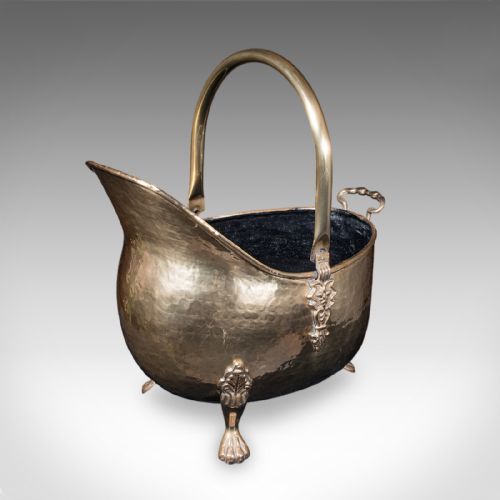
A regency brass bucket brings utility and polish to a fireside or living space, offering a refined vessel for coal, logs or planting.
Regency Brass Bucket
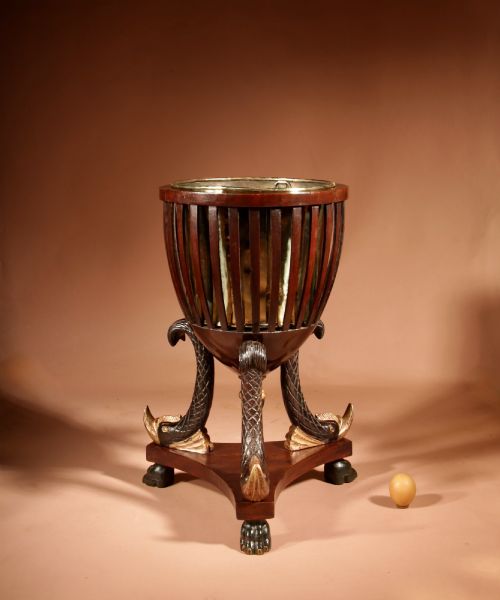
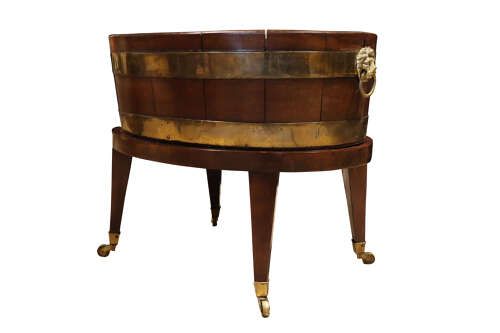
A regency brass bucket typically takes the form of a coopered wooden body fitted with heavy brass bands, handles and liners, spanning wine coolers, jardinières and coal scuttles. These versatile vessels served diverse domestic functions, moving easily from holding champagne or wine bottles to housing peat, coal or interior plants.
Materials and construction
Makers constructed the wooden bodies of these vessels using traditional coopering techniques, joining tight staves of mahogany, satinwood or ebonised wood with interlocking side joints. This sturdy barrel-making method provided the structural strength required to hold heavy loads of damp peat, wine bottles or earth.
Heavy brass bands, swing handles and decorative mountings fastened the wooden staves together, complemented by zinc, metal or cut glass linings designed to protect the timber from moisture. Gilt bronze mounts and chiselled brass details occasionally enriched the exterior for grander domestic settings.
Evaluating craftsmanship
Quality rests in the crispness of the brass fittings and the depth of figure in the timber body, where finely figured mahogany or walnut elevates an ordinary utility vessel into a decorative statement. The precision of the coopered staves and the robustness of the original liners distinguish finer examples from standard production.
Proportion and decorative restraint set superior pieces apart, especially in how the brass bands integrate with the wood and whether auxiliary elements like castors or swing handles display careful casting rather than crude finishing.
The Regency Brass Bucket Glossary
- Coopered
- Built from vertical wooden staves fitted together and bound with metal hoops, much like a traditional drinking barrel.
- Jardiniere
- An ornamental stand or large pot designed to hold growing plants or flowers indoors.
- Cellarette
- A lockable container or fitted box used to store wine bottles near the dining table.
- Ebonised
- Wood treated with a chemical stain or finish to imitate expensive ebony.
- Gilt Bronze
- Bronze cast metal that has been treated with a thin layer of gold or gold-coloured wash.
Regency Brass Bucket: Frequently Asked Questions
What were these buckets originally used for?
These vessels held coal or peat beside the fireplace, chilled wine and champagne bottles with ice, or functioned as indoor plant containers.
Their robust construction and waterproof linings allowed them to transition between dining rooms, drawing rooms and hearths depending on household needs.
How do I clean a brass bucket?
Dust the exterior regularly with a soft cloth and apply a gentle metal cleaner sparingly to the brass bands only when tarnish obscures the finish.
Avoid getting harsh polishes on the surrounding mahogany or walnut timber, as chemical residues can permanently stain or damage the polished wood grain.
Are these buckets waterproof?
Most retain internal metal, zinc or glass liners intended to contain moisture from melting ice or watered plants.
Liners can develop leaks over time due to age, so checking the interior condition is essential before placing plants directly inside without a secondary pot.
How do I distinguish Regency from later styles?
Authentic Regency pieces display period construction methods, hand-cut dovetails or coopered staves, and period brass casting techniques.
Twentieth-century reproductions often feature heavier machine-made components, brighter modern brass finishes and standardised timber grains that differ from nineteenth-century stock.