

Regency Box
These pieces known as a regency box bring refined utility and classic joinery to any interior.
Regency Box
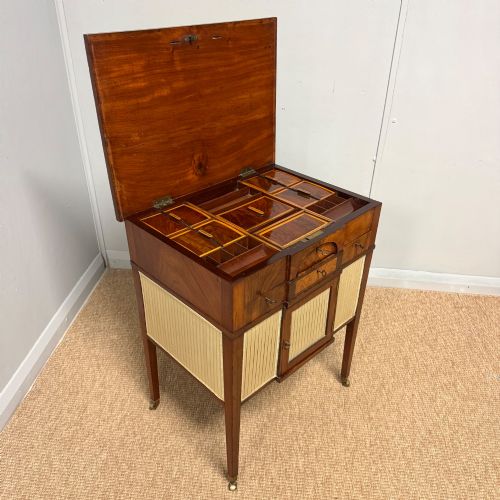
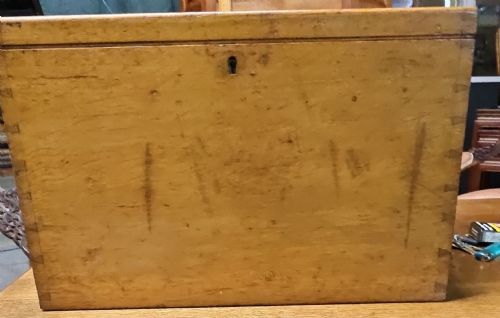
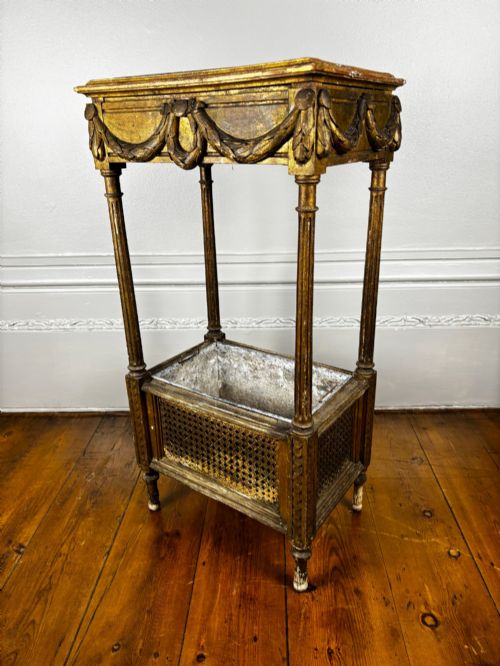
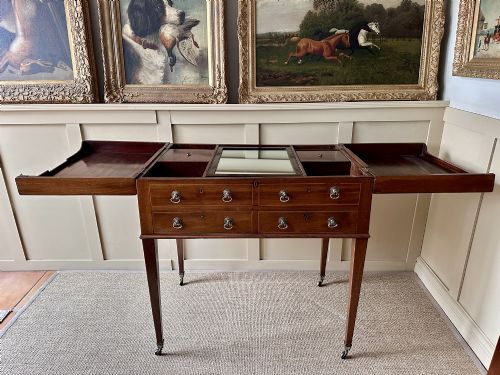
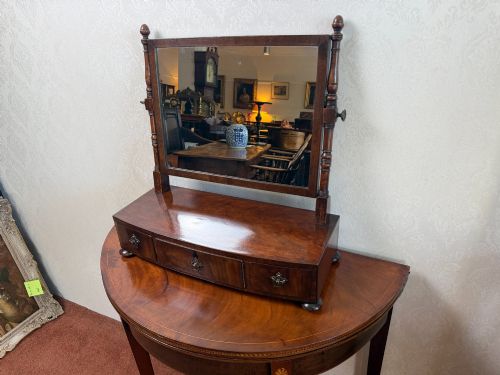
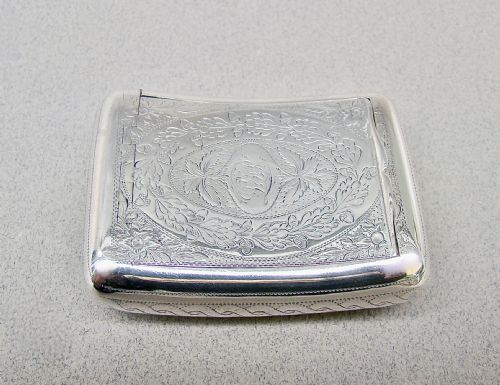
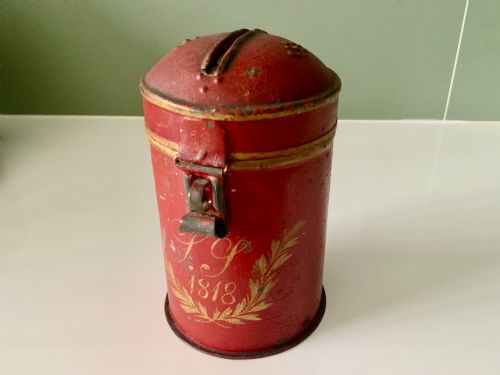
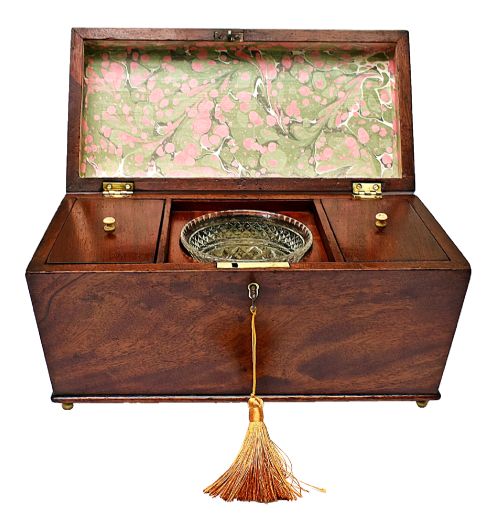
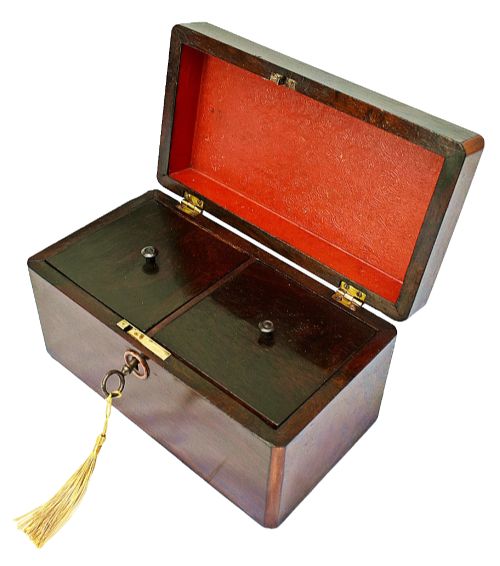
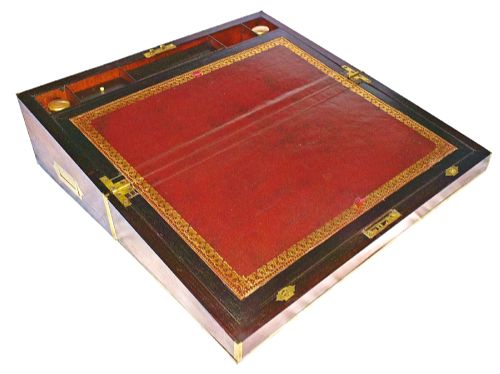
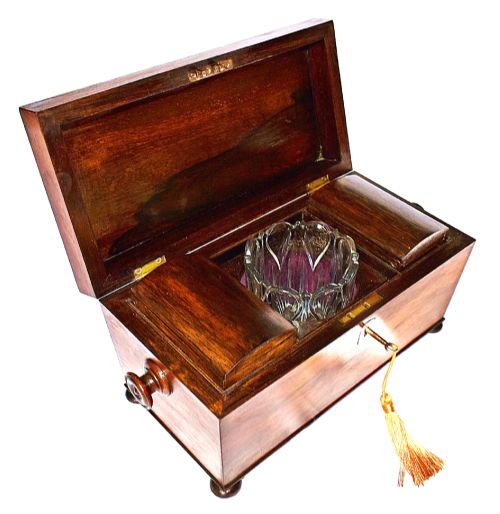
A regency box encompasses a diverse group of domestic containers created to hold tea, writing materials, needlework, and valuables. Buyers exploring this category will frequently encounter tea caddies, writing slopes, work tables, and jewellery boxes dating from the Georgian, Regency, and William IV eras.
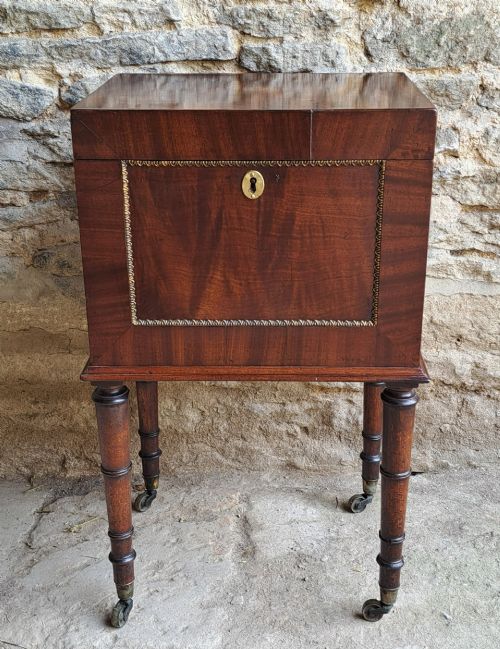
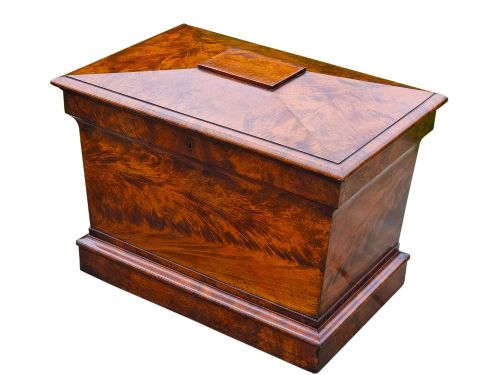
The objects serve specific domestic functions, from small tabletop caddies designed to secure precious tea leaves to larger sarcophagus-shaped cellarettes and teapoys. Many pieces incorporate fitted interiors with hidden compartments, small drawers, and lidded containers intended for organised storage.
Materials and construction
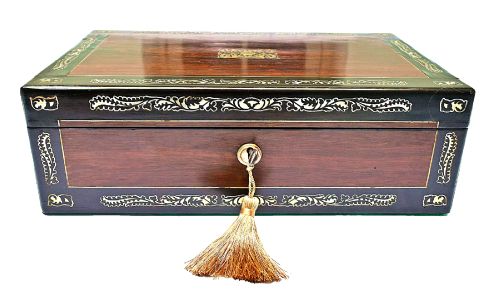
Cabinet makers utilised dense exotic and native hardwoods including mahogany, rosewood, satinwood, pollard oak, and coromandel, often selecting figured veneers such as flame mahogany to display rich grain patterns. Surfaces frequently feature contrasting boxwood, ebony, or brass inlays arranged in geometric motifs.
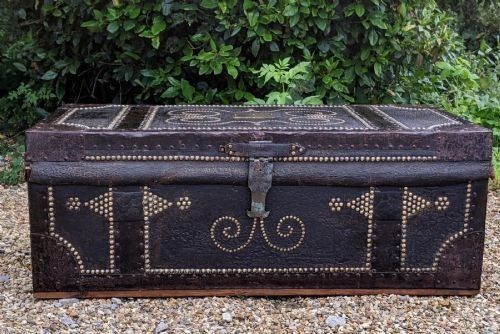
Metalwork played a structural and decorative role, with brass carrying handles, escutcheons, corner brackets, and studding applied to leather-bound trunks and campaign writing slopes. Interiors often combined polished wood with fabric linings, leather surfaces, and glass or silver accessories.
Regency Box Retail Price Guide 2026
Typical asking prices for regency box among the pieces listed under this phrase on Sellingantiques today, from the lower quarter to the upper quarter. They describe what is for sale here now, not the wider market.
The inventory demonstrates a strong representation of mahogany and rosewood, alongside specialised items incorporating brass, tortoiseshell, and leather.
Judging quality and execution
Quality rests upon the selection of timber veneers and the precision of the cabinet work, particularly where brass inlay meets the surrounding wood. Superior examples maintain crisp carved details, intact interior fittings, and original working locks with matching keys.
The depth of the natural patina and the preservation of the original polish significantly influence the standing of a piece. Lower tiers show careless veneer repairs, replaced hardware, or loss of internal compartments that compromised the original utility.
Samuel Pratt·Cary London
The Regency Box Glossary
- Tea caddy
- A small box constructed to store loose tea leaves, often featuring internal lidded compartments to separate different varieties.
- Writing slope
- A portable box with a slanted hinged lid lined with leather, designed to provide a flat writing surface while housing inkwells and stationery.
- Teapoy
- A pedestal table fitted with a lidded box on top, originating as a container for storing tea and serving equipment.
- Vinaigrette
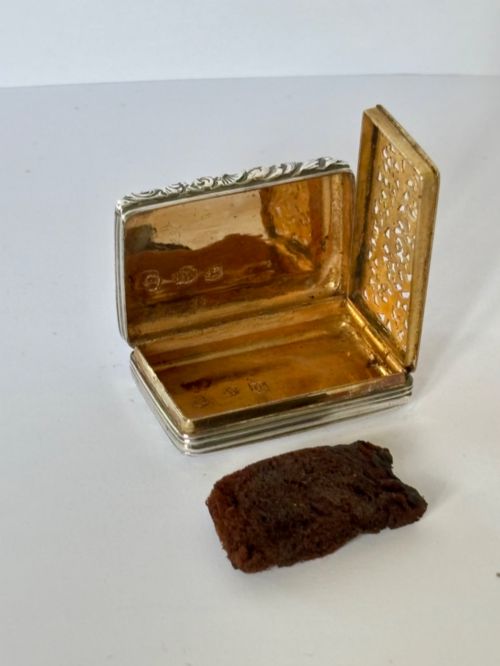
- A small ornamental box containing a perforated grille, designed to hold a sponge soaked in aromatic vinegar.
- Cellarette
- A large freestanding or tabletop container used for storing bottles of wine and spirits.
Regency Box: Frequently Asked Questions
What was a regency box used for?
These boxes served specialised domestic tasks, housing valuable commodities like tea, writing implements, sewing tools, or personal documents. Their secure construction kept precious household items protected and organised.
Many designs included fitted interiors with small drawers, secret compartments, and dedicated slots for glass bottles or silver instruments.
How do I identify a regency period box?
Look for specific architectural motifs, classical proportions, and the use of rosewood, mahogany, or satinwood veneers combined with brass inlay. Cabinet makers of this era favoured clean lines influenced by neoclassical design.
Interior construction details, such as hand-cut dovetailing and secondary timbers like oak or pine, also help confirm the period of manufacture.
Where should I place a regency box at home?
These pieces sit well on top of sideboards, desks, or occasional tables where their polished wood surfaces and inlays can be appreciated. Smaller caddies and writing slopes require minimal space while adding texture to a room.
Keep them away from direct sunlight and strong heat sources to protect the delicate wood veneers and leather linings.
What is the difference between a tea caddy and a teapoy?
A tea caddy is a portable tabletop box designed exclusively to hold tea leaves and keep them dry. A teapoy is a larger, heavier piece featuring a box mounted on a pillar and tripod base.
Teapoys often incorporate mixing bowls or multiple internal compartments alongside the storage space for tea.