




Regency Bookshelf Cabinet
A regency bookshelf cabinet brings architectural elegance and useful display space to a room, combining open shelves with enclosed storage.
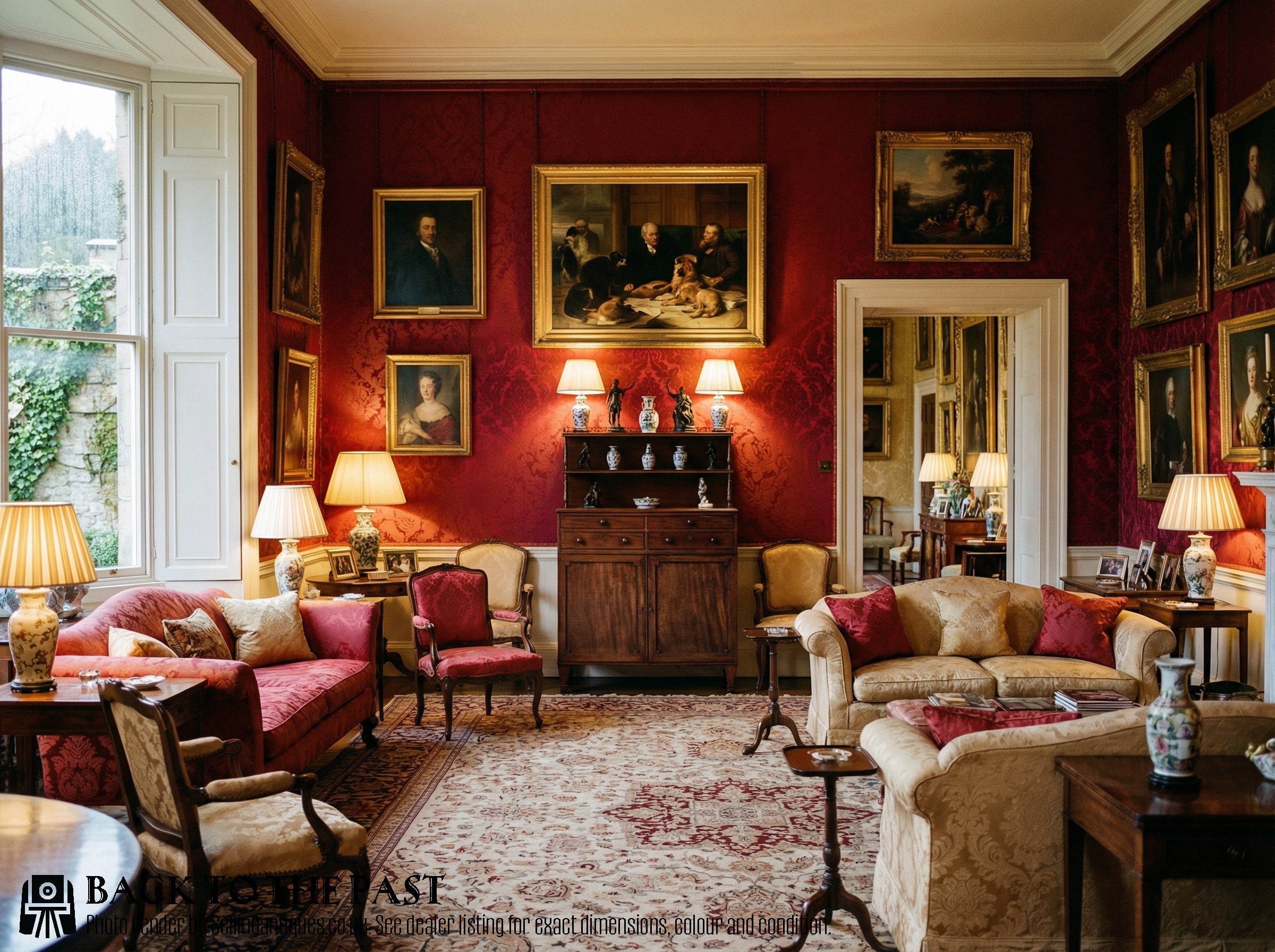
Regency Bookshelf Cabinet
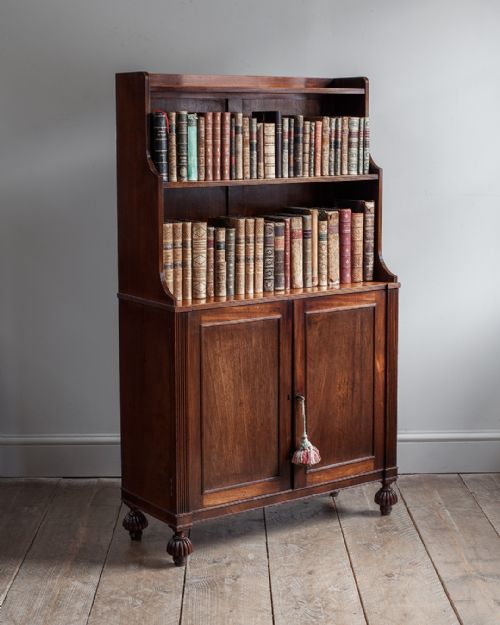
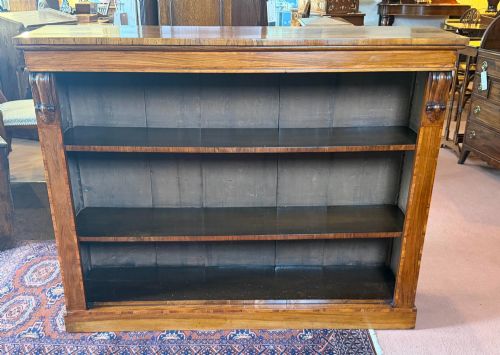
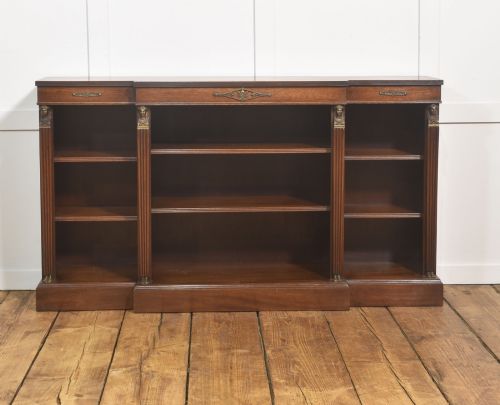
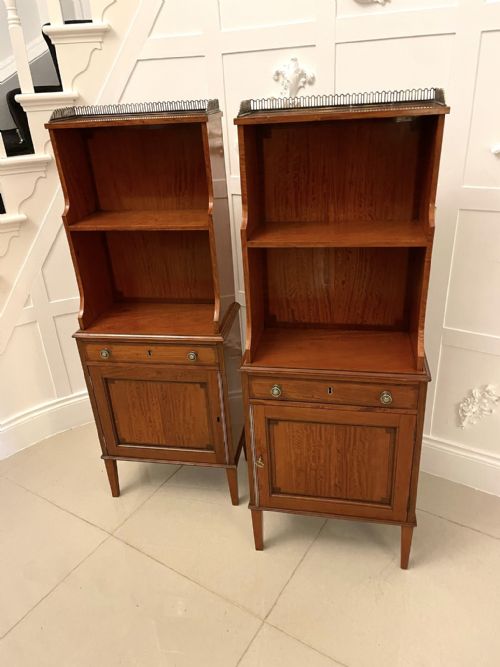
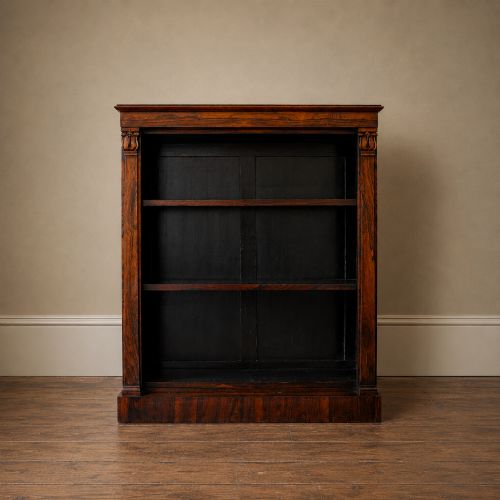
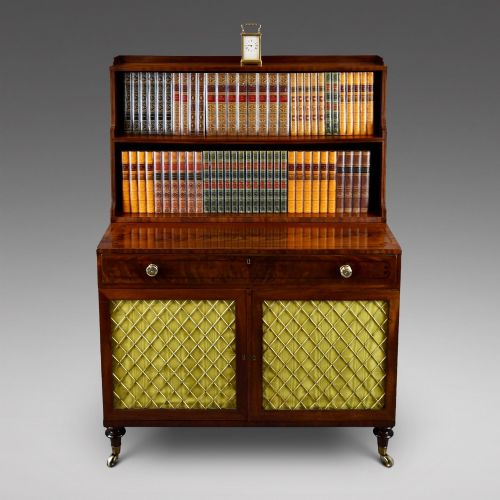
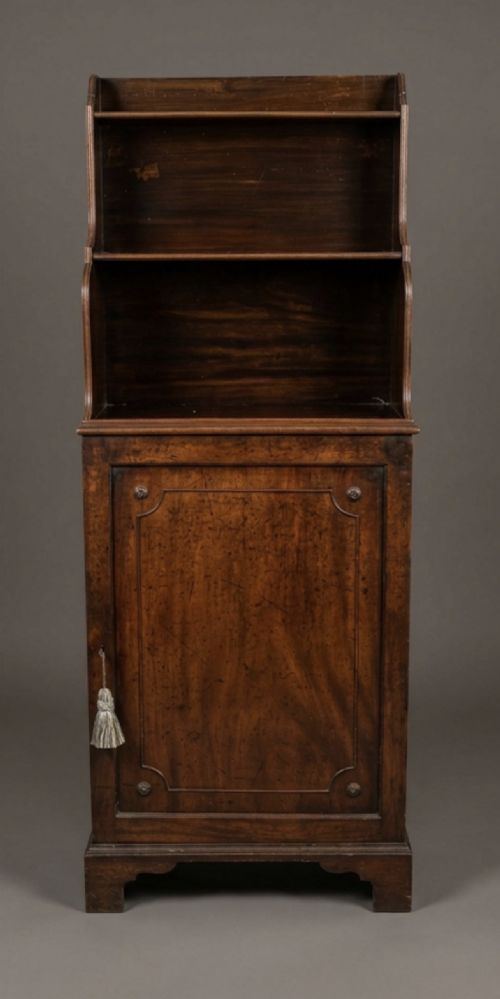
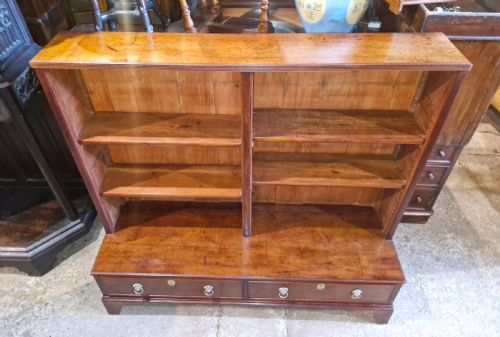
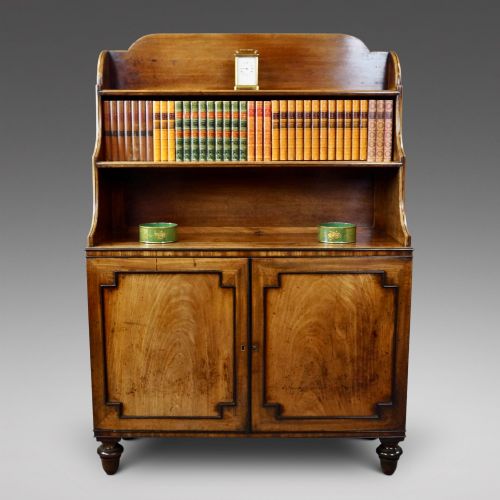
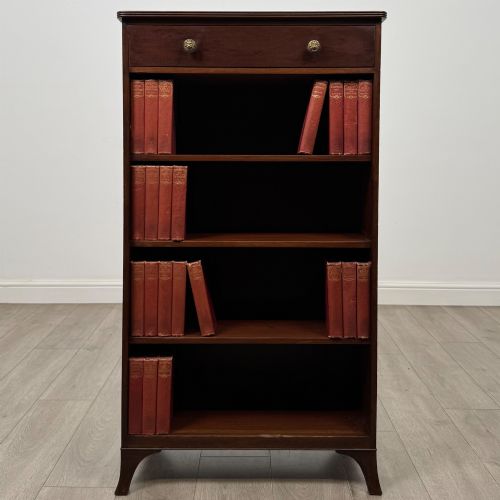
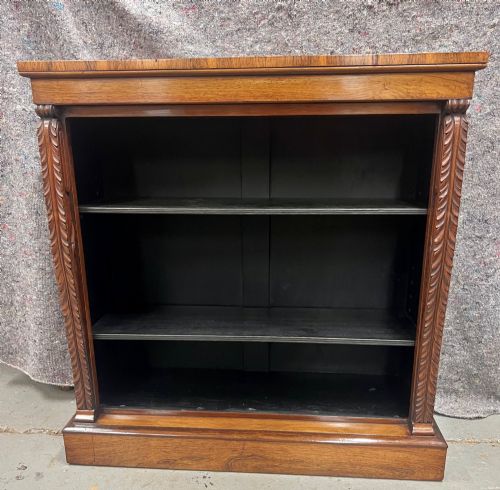
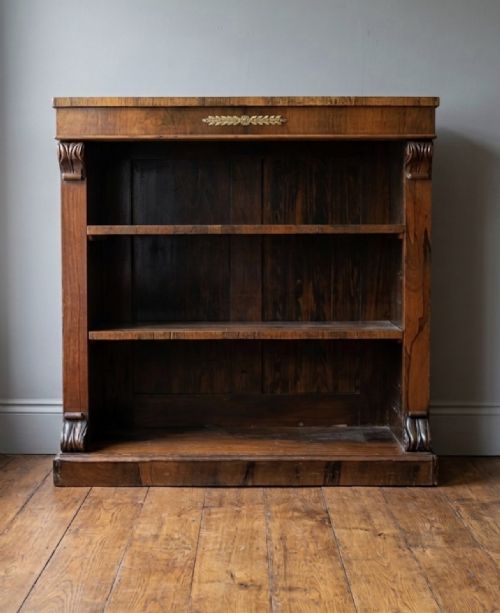
A regency bookshelf cabinet unites the practical requirements of a library with the refined proportions characteristic of the early nineteenth century. Buyers searching this phrase encounter low open bookcases, tall waterfall tiers, and breakfront designs featuring cupboards below.
The pieces appearing on this page span the Regency period itself, alongside later interpretations from the nineteenth and early twentieth centuries. Mahogany and rosewood predominate, frequently styled with adjustable shelves and brass mounts.
Materials and construction
Cabinet makers utilised dense tropical hardwoods such as mahogany and rosewood, often applying fine veneers over secondary woods to achieve figured surfaces like flame mahogany and burr walnut. Satinwood appears alongside simulated paint and original grained finishes.
Detailing relied on brass inlays, ormolu mounts, and occasionally leather dummy books integrated into the cabinetry. Structural elements included adjustable shelf mechanisms and marble tops on specific side cabinet hybrids.
Some Regency cabinets conceal their contents behind clever leather dummy books.
Qualities of distinction
The calibre of a regency bookshelf cabinet rests upon the selection of timber veneers and the crispness of the architectural moulding. Superior examples exhibit balanced proportions across breakfront profiles and refined execution in brass or parcel gilt enrichment.
Originality of surface finish, from grained paint to polished rosewood, dictates the standing of a piece. Pieces retaining their original adjustable shelf supports and backboards demonstrate greater integrity.
Gillows
The Regency Bookshelf Cabinet Glossary
- Waterfall bookcase
- A tiered set of graduating open shelves where the sides step down progressively. This form became popular during the Regency period for displaying small volumes.
- Breakfront
- A cabinet design where the central section projects forward from the flanking wings. This configuration adds depth and visual rhythm to a library wall.
- Dwarf bookcase
- A low shelving unit designed to sit beneath dado height. These pieces allow light to pass across a room while keeping books within easy reach.
- Crossbanding
- A decorative border of veneer laid perpendicular to the grain of the main surface. It frames panels on higher-quality cabinet work.
- Ormolu
- Gilded bronze mounts applied as decorative ornaments to furniture. They provide contrast against dark rosewood and mahogany.
Regency Bookshelf Cabinet: Frequently Asked Questions
How do I identify a Regency bookcase?
Regency bookcases display classical proportions, architectural details, and rich dark timbers like rosewood and mahogany. Look for brass inlay, pilasters, and open shelves with adjustable fittings.
Many pieces also incorporate lower cupboards enclosed by panelled doors or brass grilles, maintaining a balanced elevation.
Where should I place a low bookcase?
Low bookcases suit living rooms, studies, and hallways where tall furniture might block natural light. Their top surface provides space for lamps, clocks, or ornaments.
Because many finished backs are designed to stand against a wall, positioning them centrally requires checking the rear construction.
How are adjustable shelves supported?
Early nineteenth-century bookcases typically use wooden ratchet strips, brass shelf studs, or notched vertical battens fixed to the interior sides. These systems allowed owners to alter shelf heights for different book sizes.
Original internal mechanisms remain an indicator of period manufacture.