
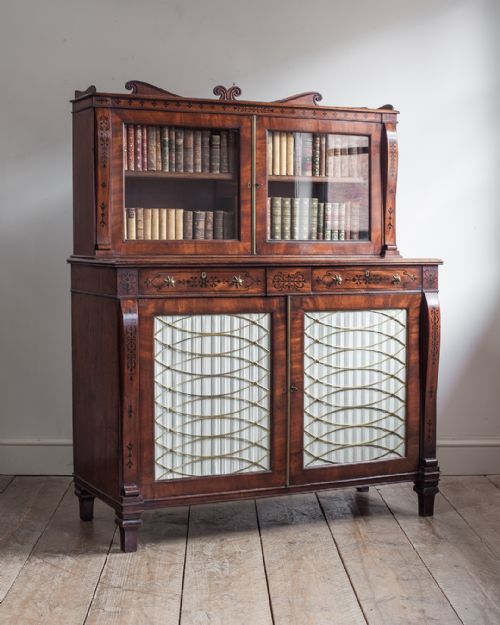


Two Tier Chiffonier
A two tier chiffonier gives you a neat, tiered surface for display and storage, bringing compact elegance to a sitting room.
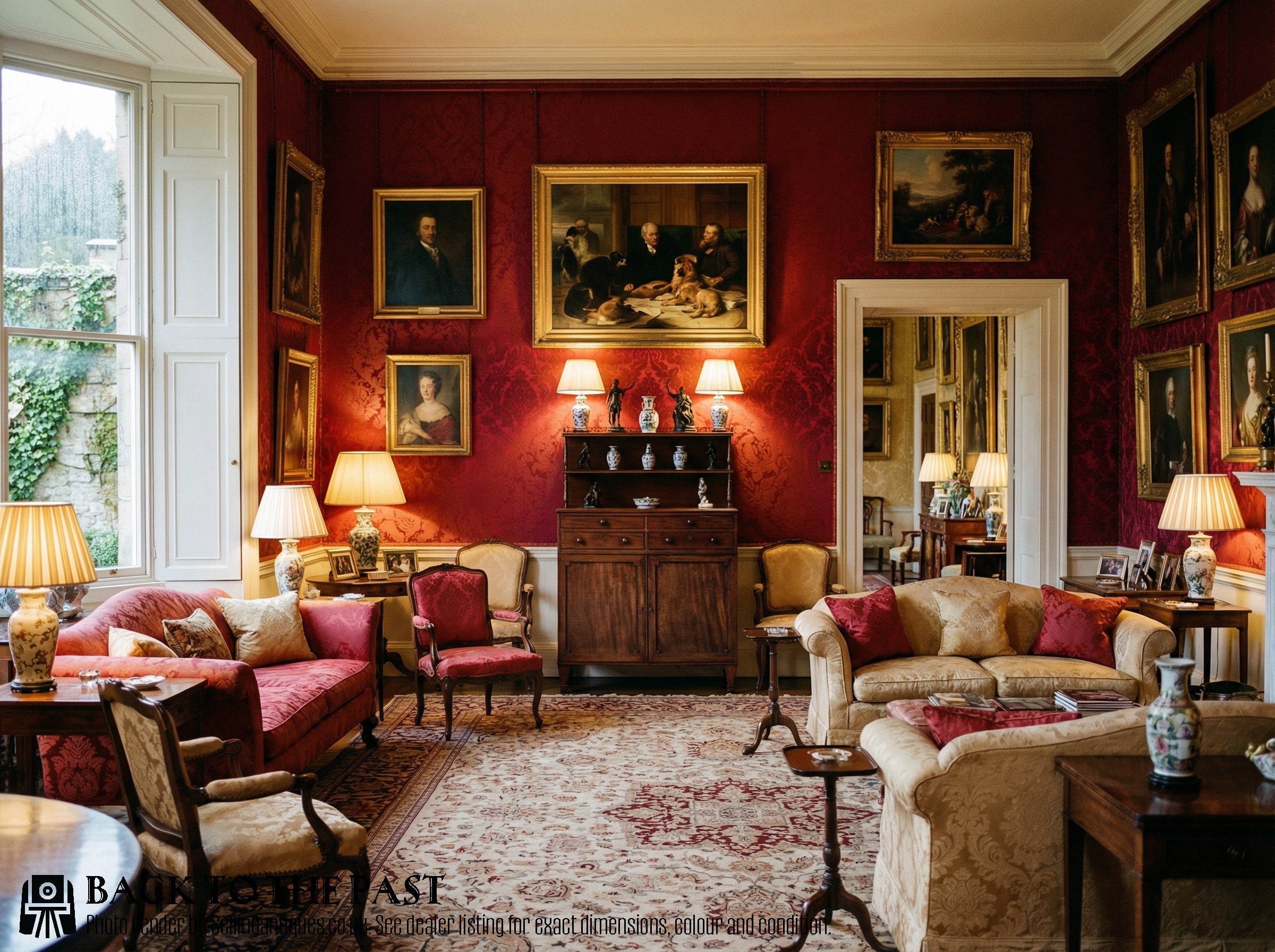
Two Tier Chiffonier
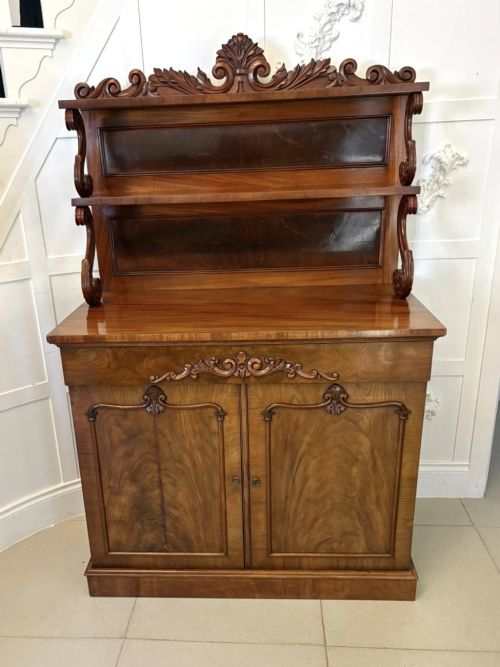
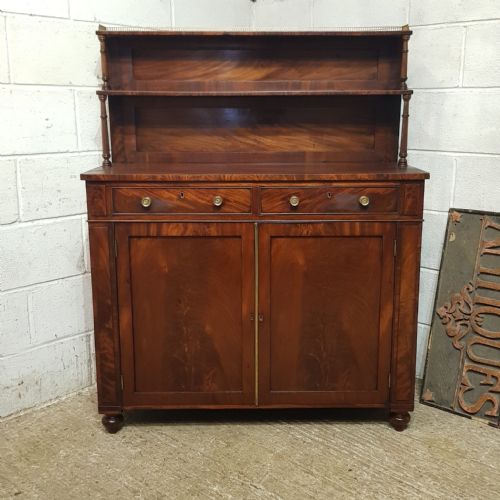
A two tier chiffonier is a compact storage piece featuring a lower cabinet topped by a tiered shelf back, designed for practical elegance in nineteenth-century interiors. These items appear across Victorian, Regency, and William IV periods, spanning styles from the early nineteenth century to late Victorian production.
Most examples found here date from the Victorian and Regency eras, constructed primarily in mahogany, rosewood, and walnut. The lower section typically provides enclosed cupboard space or drawers, while the upper structure uses columns or uprights to support one or two display tiers.
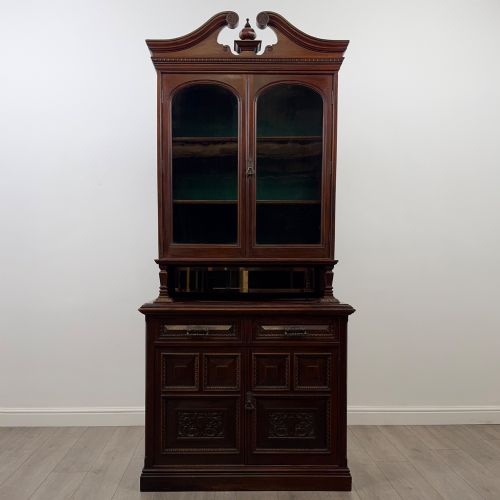
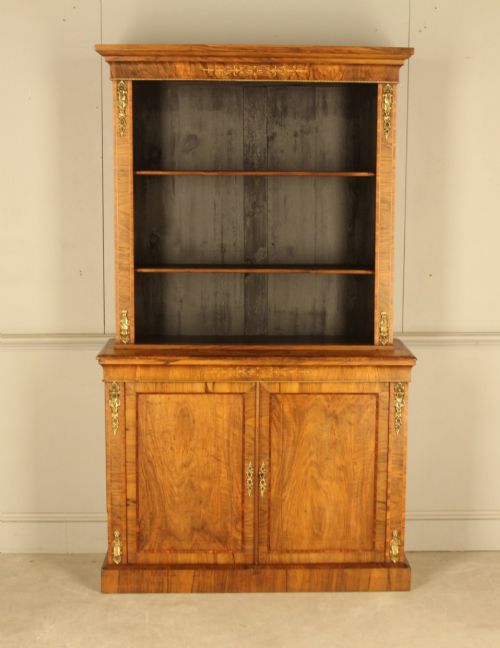
Makers adapted the form for various rooms, resulting in pieces catalogued as side cabinets, dwarf bookcases, and buffets alongside standard chiffoniers. The two tier chiffonier remains a versatile choice for modern homes needing surface area without the footprint of a full sideboard.
How they were made
Cabinetmakers utilised solid timbers alongside figured veneers, selecting rich mahogany, flame mahogany veneer, rosewood, and burr walnut for exterior surfaces. These woods were chosen for their grain patterns and finished with polished surfaces that highlighted the natural figuring.
Construction frequently incorporated brass gallery rails, gilt mounts, or ormolu details to accent the upright supports and upper tiers. Glazed doors appear on bookcase variants, while structural stability relies on robust joinery within the lower cupboard carcase.
Some chiffoniers feature hidden writing drawers, letting nineteenth-century correspondents compose secret notes right beside the dining china.
What varies in quality
Finer pieces incorporate thoughtful functional additions, such as integrated writing drawers or high-grade brass and ormolu mounts. The overall proportion and the harmony between the lower cabinet and the upper shelving dictate the standing of an individual piece.
The Two Tier Chiffonier Glossary
- Chiffonier
- A low sideboard or cabinet, typically featuring a shelf back or upper tiers, developed in the early nineteenth century for dining and drawing rooms.
- Upstand
- The vertical wooden back structure rising above the main surface, often fitted with shelves to create the second tier.
- Flame mahogany veneer
- A thin slice of mahogany timber cut from the fork of the tree to produce a flickering, flame-like pattern across the cabinet doors.
- Ormolu
- Gilded bronze ornamentation applied to furniture mounts, adding decorative contrast to dark woods like rosewood and mahogany.
- Dwarf bookcase
- A low open or glazed bookcase designed to sit below window height, frequently related in form to the chiffonier.
Two Tier Chiffonier: Frequently Asked Questions
What is a two tier chiffonier?
A two tier chiffonier is a low nineteenth-century cabinet that combines a closed lower storage space with an elevated upper shelf structure.
Cabinetmakers designed these pieces to hold books, serving items, and decorative objects while occupying minimal floor space.
How were they used originally?
In nineteenth-century homes, these cabinets served in dining rooms and morning rooms for storing tableware, books, and writing materials.
The upper tiers provided a convenient display area for porcelain and decorative objects during formal gatherings.
Where should I place one?
These compact cabinets suit sitting rooms, hallways, and dining spaces where you require surface display without a large furniture footprint.
The lower cupboard provides practical concealed storage while the upper tier holds books or small ornaments.
How do I date a chiffonier?
Dating relies on identifying stylistic markers from periods such as Regency, William IV, and Victorian production.
Mahogany and rosewood point towards early nineteenth-century work, while later Victorian examples often introduce heavier walnut carcases and gilt mounts.