



Two Tiered Sideboard
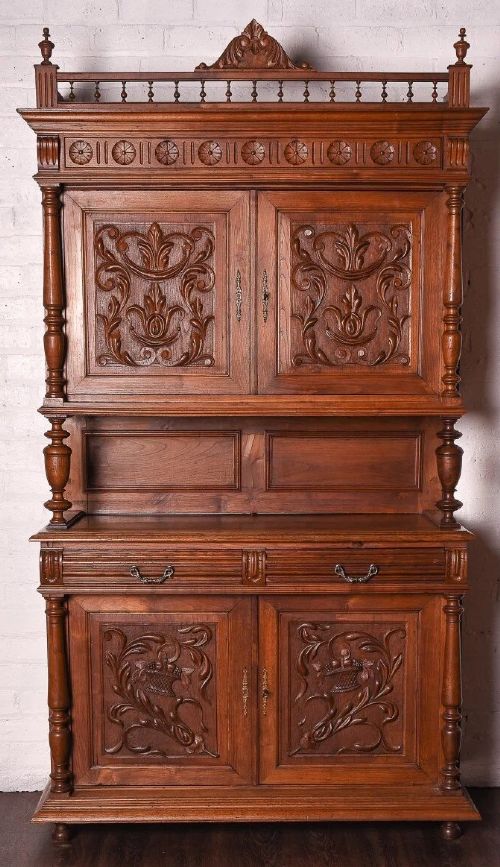
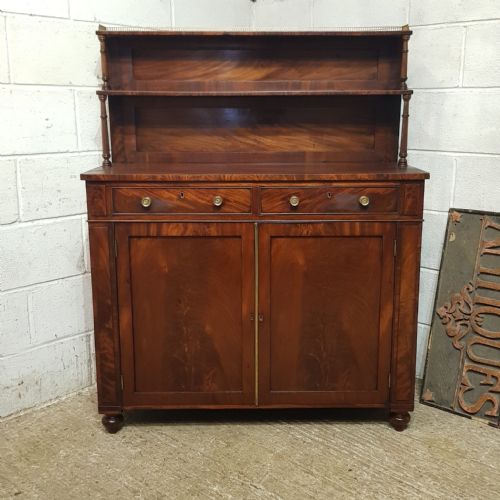
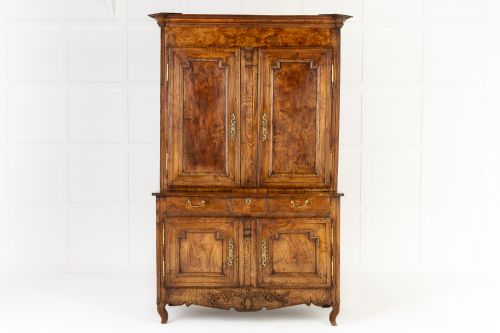
A two tiered sideboard brings tiered display and surface storage together, offering timber construction from the nineteenth century and earlier.
Two Tiered Sideboard
A two tiered sideboard combines a lower storage cabinet or serving surface with an upper shelf tier, drawing on forms recorded across the eighteenth and nineteenth centuries. These pieces appear in mahogany, oak, and walnut, reflecting period cabinet-making traditions from English workshops and continental makers.
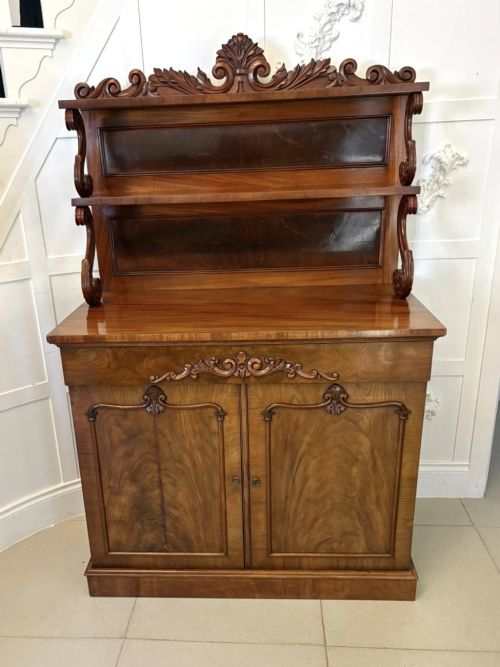
The version most commonly met on this page is the Victorian mahogany or oak chiffonier and buffet server, often fitted with a raised shelf back or tiered display superstructure. Pieces span regional English country furniture, Regency designs, and French provincial styles.
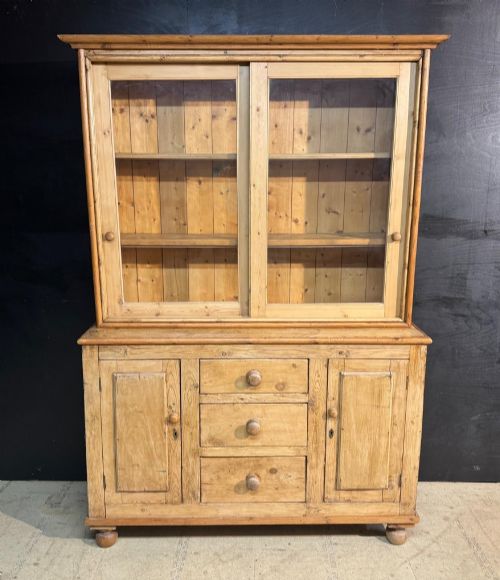
Makers and regional joiners utilised sturdy timbers like pine and ash alongside luxury veneers such as pollard and burr walnut, creating functional serving furniture for dining rooms and morning rooms.
Materials and Technique
Construction relies heavily on solid hardwoods like mahogany and oak, supplemented by walnut, ash, and pine for secondary framing and regional country pieces. Cabinetmakers employed traditional joinery, including dovetailed drawers and panelled doors, alongside carved ornamentation.
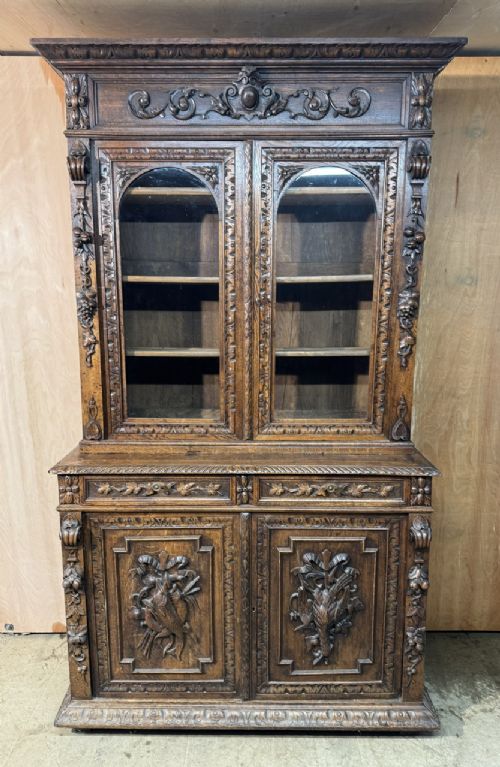
Surfaces frequently feature figured mahogany veneers or ebonised wood details, complemented by turned brass supports, glass panels, and iron hardware. French and Welsh pieces demonstrate regional carving techniques, ranging from elaborate hunting motifs to simpler panelled construction.
Listings feature eighteenth and nineteenth century periods, incorporating Victorian, Regency, and Georgian eras across various regional styles.
Evaluating Quality
Quality rests upon the selection of timber, such as highly figured mahogany or pollard oak, and the crispness of hand-carved details. Superior examples display balanced proportions between the lower cabinet and the upper tiers, alongside refined structural joinery.
The integration of secondary materials like brass mounts, glass doors, and original hardware distinguishes standard utility pieces from fine cabinet work produced by notable firms.
Gillows of Lancaster and London·James Shoolbred and Co·Gordovil Spain
The Two Tiered Sideboard Glossary
- Chiffonier
- A compact sideboard or cabinet, typically featuring a raised two tier shelf back above a low storage base. It gained popularity during the Regency and Victorian periods for dining and drawing rooms.
- Buffet
- A serving table or sideboard equipped with cupboards or tiers for displaying and serving food and drink. These items range from heavy oak Gothic designs to polished mahogany server tables.
- Deuddarn
- A traditional Welsh two-part oak cupboard or press featuring stacked storage sections. These regional pieces provide deep historic character through pegged joints and panelled doors.
- Pollard Oak
- Oak timber taken from trees that have been pollarded, producing dense wood with distinctive clustered grain patterns. Cabinetmakers utilised this figured wood for decorative surface veneers.
- Dumb Waiter
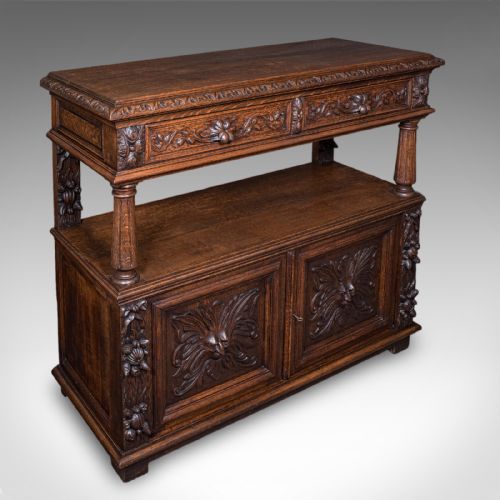
- A tiered serving piece designed to hold dishes without domestic staff present. Nineteenth-century examples often incorporate multiple wooden shelves on central turned columns.
Two Tiered Sideboard: Frequently Asked Questions
What is a two tiered sideboard?
A two tiered sideboard is a piece of dining furniture combining a lower storage base with an upper display shelf or superstructure. These items function as serving tables or display cabinets.
They appear primarily in nineteenth-century styles, utilising timbers such as mahogany, oak, and walnut to provide both surface space and enclosed storage.
How do I date a sideboard?
Dating relies on timber selection, construction methods, and stylistic details recorded across periods from the eighteenth century onward. Regency and Victorian pieces show distinct shifts in veneer use and carving depth.
Examining secondary woods inside drawers and the style of brass or iron hardware helps place a piece within its historical era.
Where were these sideboards used?
These pieces served primarily in dining rooms, morning rooms, and country house reception spaces for holding tableware, silver, and food during meals. Tiers allowed for the display of ceramics and glassware.
Regional variations, such as Welsh dressers and French buffets, fulfilled similar storage and display roles in domestic kitchens and large halls.
Are these pieces solid wood?
Construction varies between solid timbers like oak, pine, and ash, and veneered surfaces applied to secondary woods. Mahogany and walnut pieces frequently utilise figured veneers over sturdy framing.
Examining drawer linings and cabinet interiors reveals the underlying materials and construction methods employed by period joiners.