

Regency Bookcase with Doors
A regency bookcase with doors is a substantial library piece combining display shelves with enclosed storage, offering disciplined architectural lines for the home.
Regency Bookcase with Doors
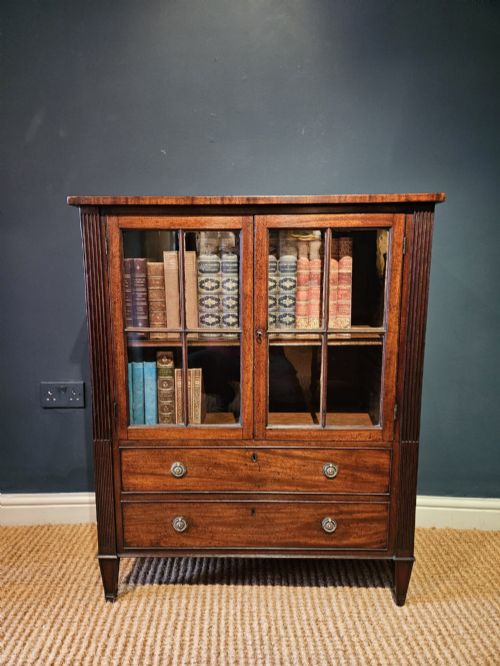
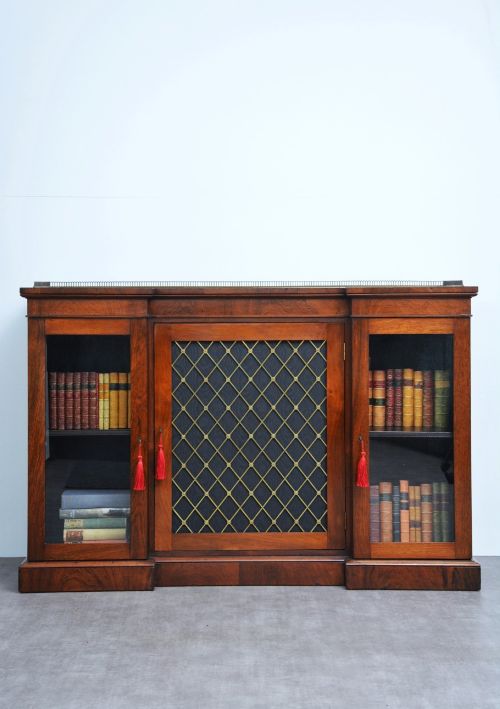
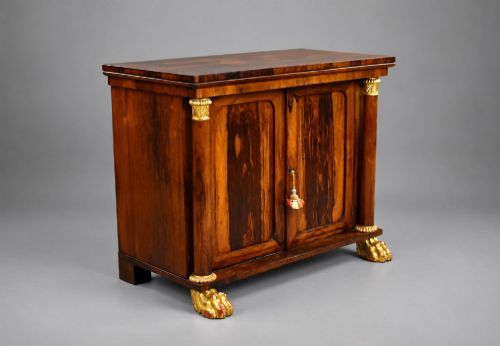
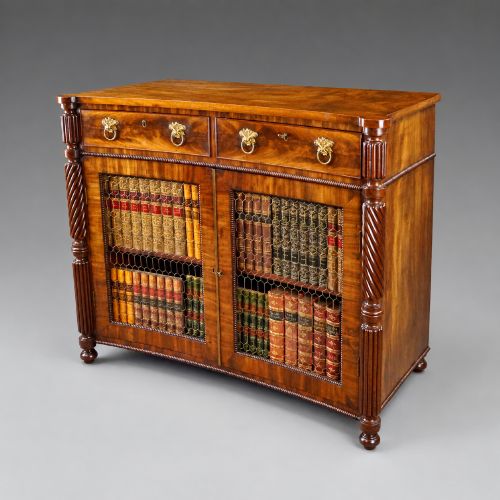
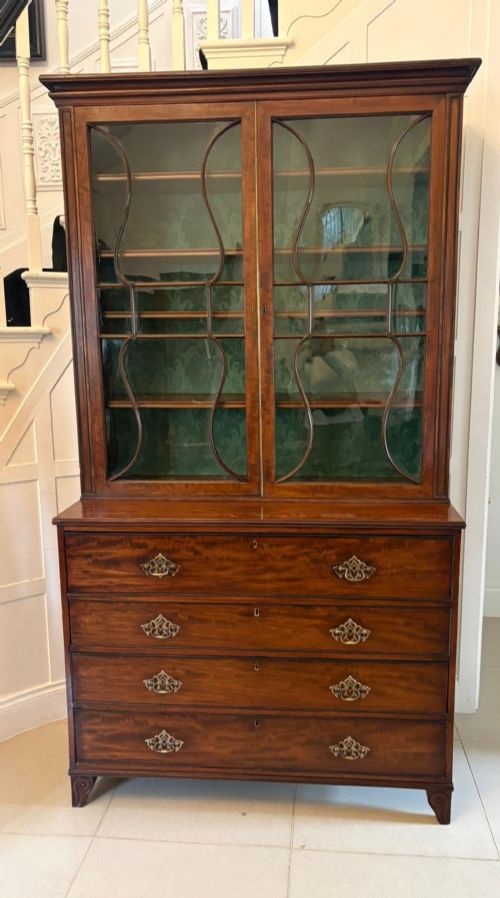
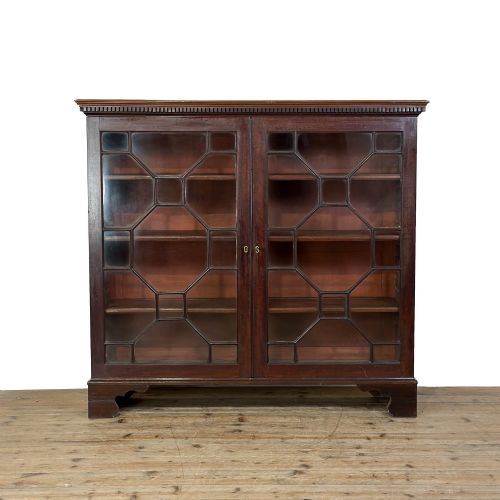
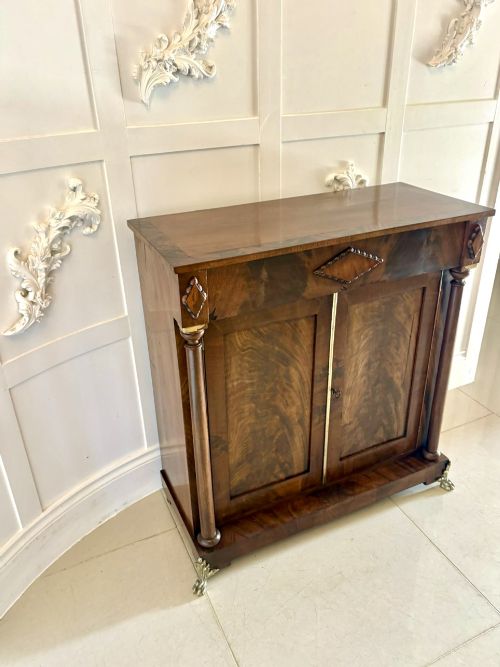
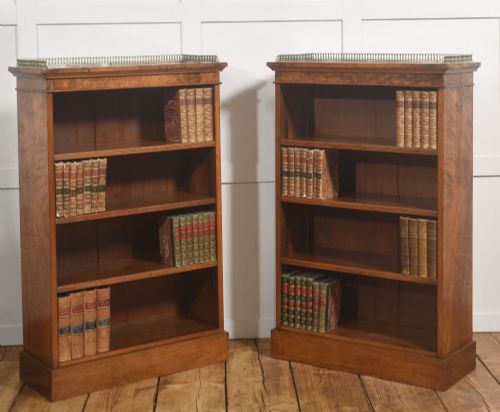
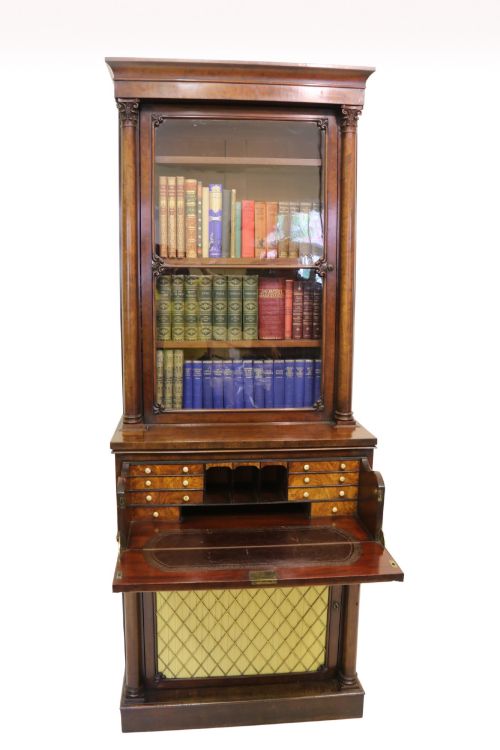
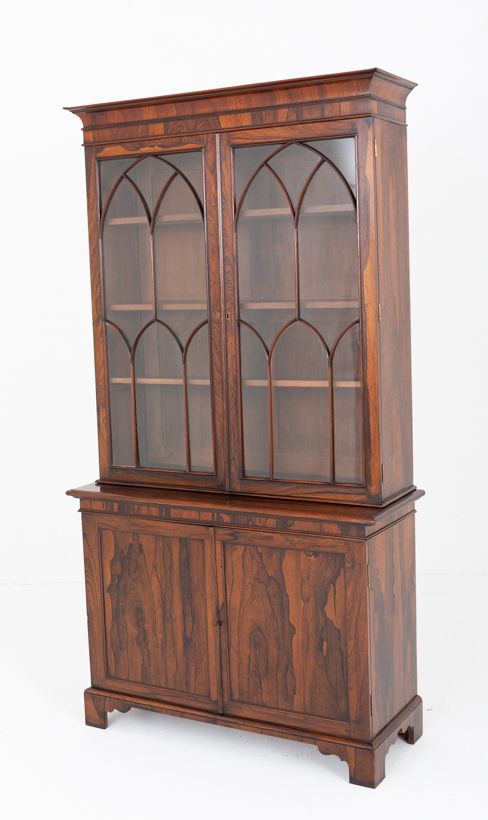
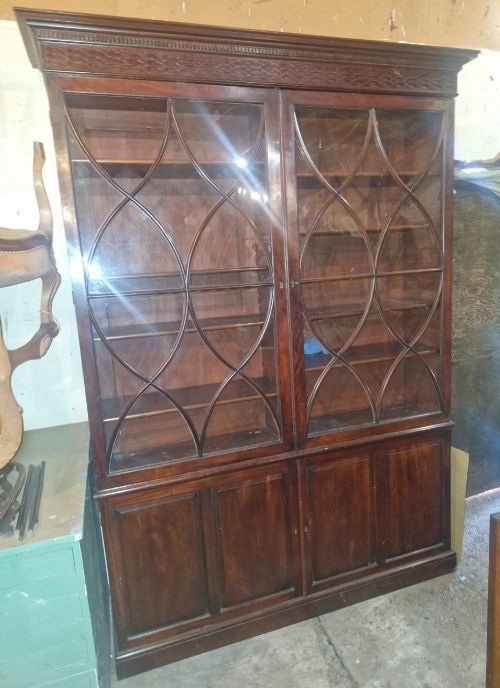
A regency bookcase with doors brings together classical proportions and practical enclosed shelving, appearing in forms such as tall breakfront libraries, secretaire bookcases, and low side cabinets with glazed or panelled timber doors. These pieces derive principally from the nineteenth century, spanning periods from the Regency era through to later Victorian interpretations.
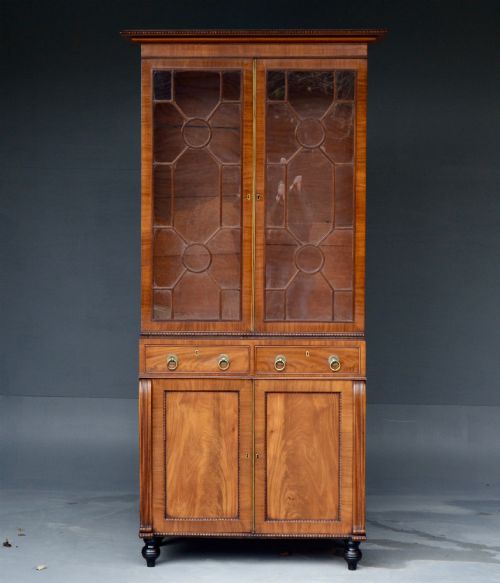
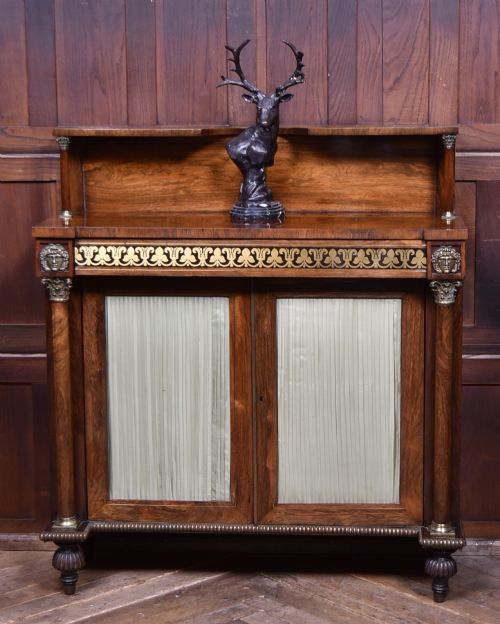
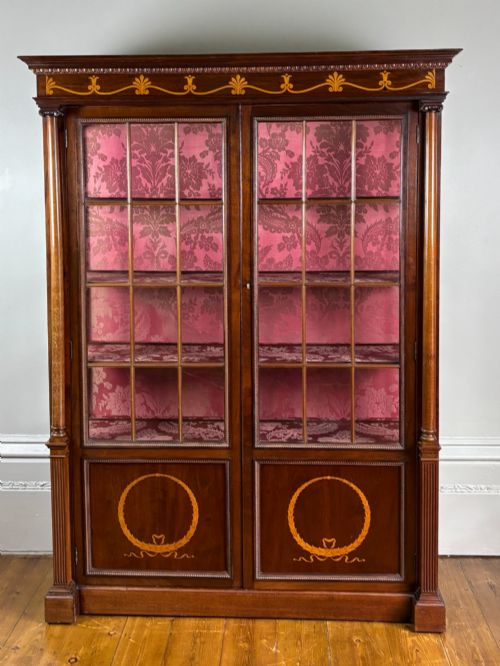
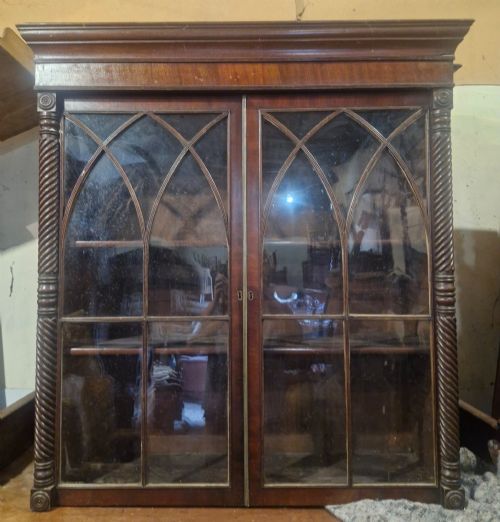
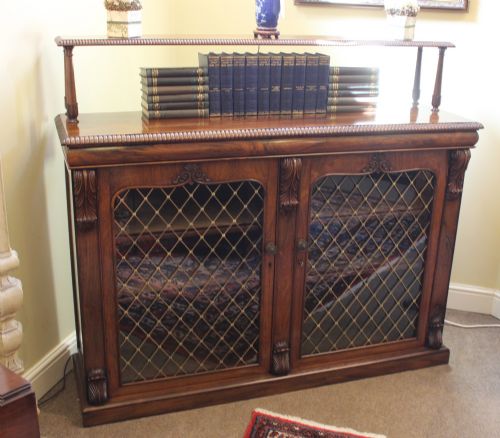
The version most commonly met on this page is the mahogany or rosewood bookcase featuring glazed upper doors alongside lower cupboards, designed to protect valuable volumes while displaying bindings. Alongside these tall architectural libraries, smaller chiffoniers and side cabinets provide compact alternatives with fabric or wooden panel doors.
Materials and construction
Cabinetmakers constructed these pieces primarily using solid mahogany, flame mahogany veneer, and rosewood, occasionally incorporating walnut and burr walnut for later nineteenth-century examples. Timber surfaces frequently received decorative enhancement through contrasting brass inlay, delicate stringing, and figured grain selection.
Glazing bars formed intricate geometric or Gothic patterns across door panels to hold individual panes of glass securely. Structural additions such as brass galleries, adjustable wooden shelving, and fitted secretaire drawers with internal compartments completed the construction of these library pieces.
Regency Bookcase with Doors Retail Price Guide 2026
Typical asking prices for regency bookcase with doors among the pieces listed under this phrase on Sellingantiques today, from the lower quarter to the upper quarter. They describe what is for sale here now, not the wider market.
Some cabinets hid correspondence behind secret spring-loaded catches inside fitted writing drawers.
Separating top from bottom
Quality rests upon the selection and matching of timber veneers, where symmetrical flame mahogany or richly figured rosewood demonstrates superior cabinetmaking ambition. Plain, utilitarian surfaces with heavy secondary timbers indicate standard commercial production rather than high workshop standards.
The refinement of internal fittings and architectural detailing dictates the standing of a piece. Crisp glazing bars, well-cast brass mounts, integrated brass galleries, and smoothly operating secretaire drawers separate exceptional library furniture from utilitarian storage.
James Winter & Sons
The Regency Bookcase with Doors Glossary
- Secretaire bookcase
- A hybrid form incorporating a fitted writing drawer with a drop-front writing surface positioned beneath upper display shelves.
- Chiffonier
- A low cabinet typically featuring enclosed doors below, sometimes surmounted by a raised shelf or small superstructure.
- Breakfront
- A piece of furniture whose central section projects forward from the flanking outer bays.
- Flame mahogany veneer
- Timber sliced to reveal a distinctive flickering, flame-like grain pattern applied over a secondary wood carcass.
- Brass gallery
- A small ornamental railing, usually pierced or spindled, fitted along the top edge of a cabinet or chiffonier.
Regency Bookcase with Doors: Frequently Asked Questions
How do I care for mahogany and rosewood bookcases?
Maintain stable room humidity and keep timber surfaces away from direct heat sources to prevent veneer lifting or wood splitting. Regular dusting with a dry, soft cloth preserves the polish without the buildup of heavy waxes.
Inspect brass fittings and hinges periodically to ensure they remain secure. Avoid using harsh chemical sprays on both the timber and the glass panes.
Were these bookcases meant only for books?
While designed primarily to house leather-bound volumes in private libraries, many pieces accommodated scientific instruments, ceramics, and folded papers. Secretaire variants specifically served correspondence needs alongside reading duties.
Lower enclosed cupboards provided secure out-of-sight storage for ledgers, glassware, and household goods. This dual function made them central items in nineteenth-century reception rooms.
How can I tell a Regency piece from a Victorian one?
Regency pieces often display restrained classical proportions, brass inlay, and rosewood or San Domingo mahogany surfaces reflecting early nineteenth-century neoclassical tastes. Glazing bars tend to form precise geometric arrangements.
Victorian interpretations frequently adopt heavier proportions, darker walnut veneers, or Gothic Revival motifs. Examining the secondary timbers and interior construction methods often clarifies the transition between these periods.