


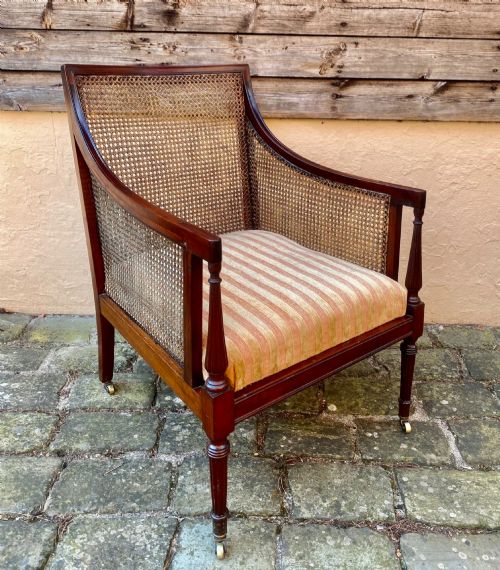
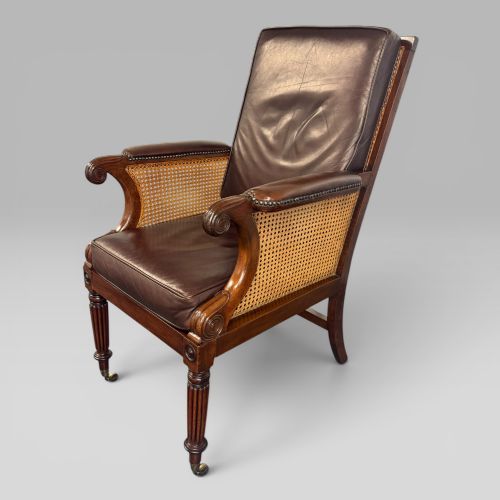


Regency Armchair on Castors
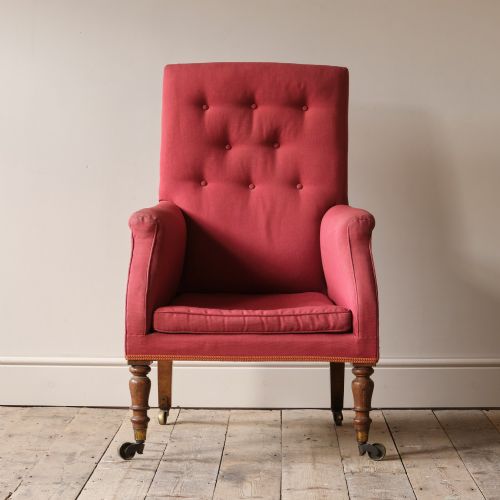
A regency armchair on castors combines generous proportions with mobility, offering deep library comfort rooted in the early nineteenth century.
Regency Armchair on Castors
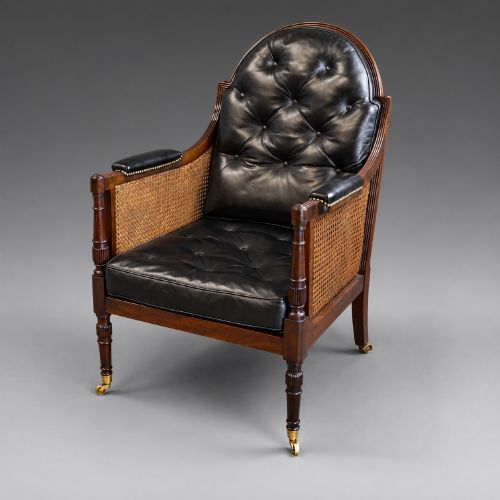
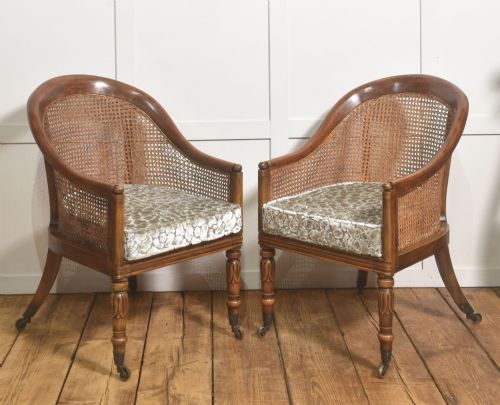
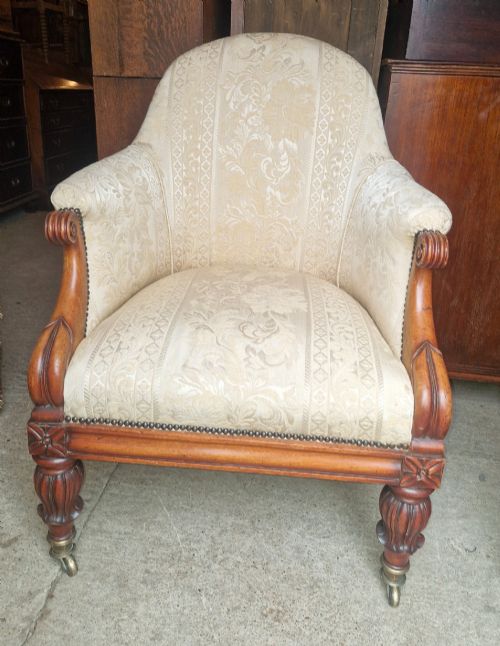
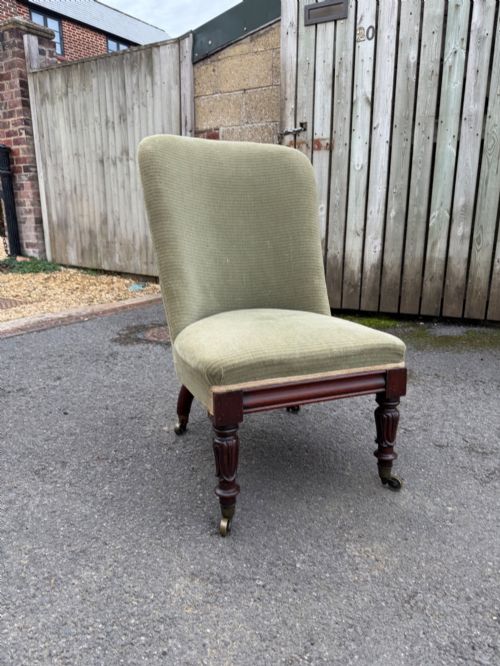
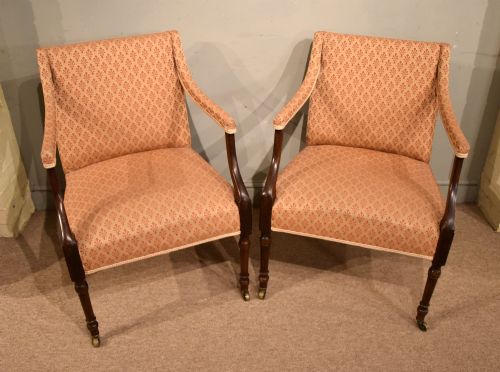
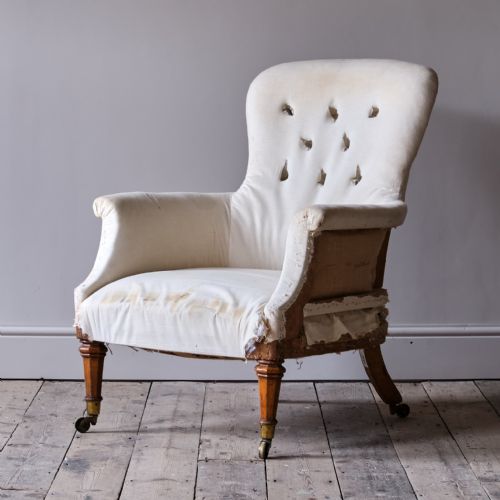
A regency armchair on castors is primarily represented by library chairs, bergères, and occasional desk or slipper chairs originating from the Regency, George IV, and William IV periods.
These seats are designed for heavy study or reading rooms, frequently appearing in forms like the cane-panelled bergere, the lyre-front armchair, and the reclining reading chair.
The integration of castors beneath mahogany or rosewood frames allows heavy seating to move smoothly across nineteenth-century floors without marring the timber.
Materials and construction methods
Cabinetmakers built the foundational frames of these chairs using solid mahogany or rosewood, occasionally applying a simulated rosewood finish to secondary timbers.
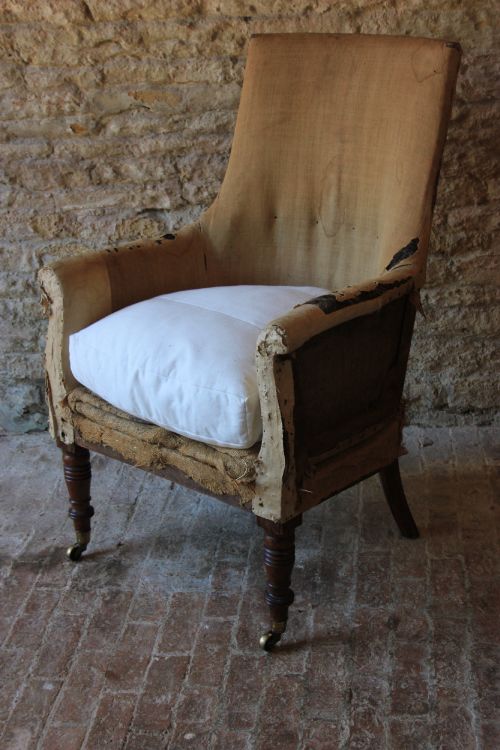
Caning, leather, fabric, velvet, hessian, and calico provide the structural support and upholstery layers, often framed by reeded woodwork or turned legs fitted with brass castors.
Regency Armchair on Castors Retail Price Guide 2026
Typical asking prices for regency armchair on castors among the pieces listed under this phrase on Sellingantiques today, from the lower quarter to the upper quarter. They describe what is for sale here now, not the wider market.
Listings feature mahogany and rosewood frames paired with brass castors, upholstered across periods spanning Georgian, Regency, William IV, and Victorian eras.
Distinctions in craftsmanship
Quality rests in the drawing of the frame and the generosity of proportions, where fluid lines in the mahogany or rosewood distinguish standard workshop output from exceptional cabinet work.
The integration of functional mechanics, such as sliding seats or reclining mechanisms, separates ordinary seating from sophisticated library chairs designed for sustained comfort.
Gillows·Miles & Edward·Minter·Daws
The Regency Armchair on Castors Glossary
- Reeded
- A decorative moulding formed of parallel convex strips carved into the timber frame. It is frequently seen on the legs and arm supports of Regency seating.
- Lyre front
- An arm support or front rail shaped in the stylistic outline of a classic stringed instrument. This motif characterises refined library armchairs of the period.
- Castor
- A small wheel fitted to the base of each leg to permit rolling movement. Brass is the standard metal used for these fittings on nineteenth-century chairs.
- Slipper chair
- A low-seated upholstered chair originally designed for bedrooms or dressing rooms. They appear in nineteenth-century collections alongside larger library seating.
Regency Armchair on Castors: Frequently Asked Questions
What defines a genuine Regency armchair?
A genuine piece displays the characteristic proportions, timber selection, and joinery methods typical of the early nineteenth century, bridging Georgian traditions and later Victorian production.
Key indicators include solid mahogany or rosewood frames, reeded detailing, and original brass castors that support the mobility required of a proper library chair.
How do I care for caned panels?
Caned panels require gentle dusting and occasional light moisture to prevent the natural material from becoming brittle over time. Avoid placing these chairs near direct heat sources.
Proper humidity levels in a room preserve the tension and flexibility of the woven cane during seasonal changes.
Were these chairs meant for libraries?
Many examples are explicitly termed library armchairs because they were built for heavy study spaces, reading rooms, and gentlemen's retreats.
Their robust construction and integrated castors allowed scholars to shift position or move the seat easily across large book-lined rooms.