



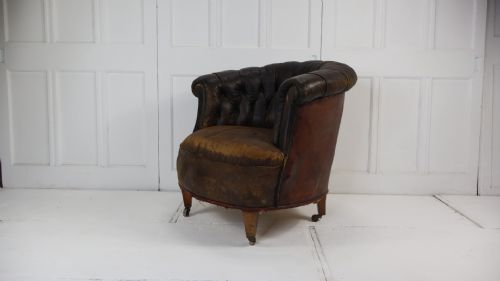
Regency Arm Chair
A regency arm chair brings classical proportion and refined timber to a room, offering a seat designed for the library, parlour or dining table.
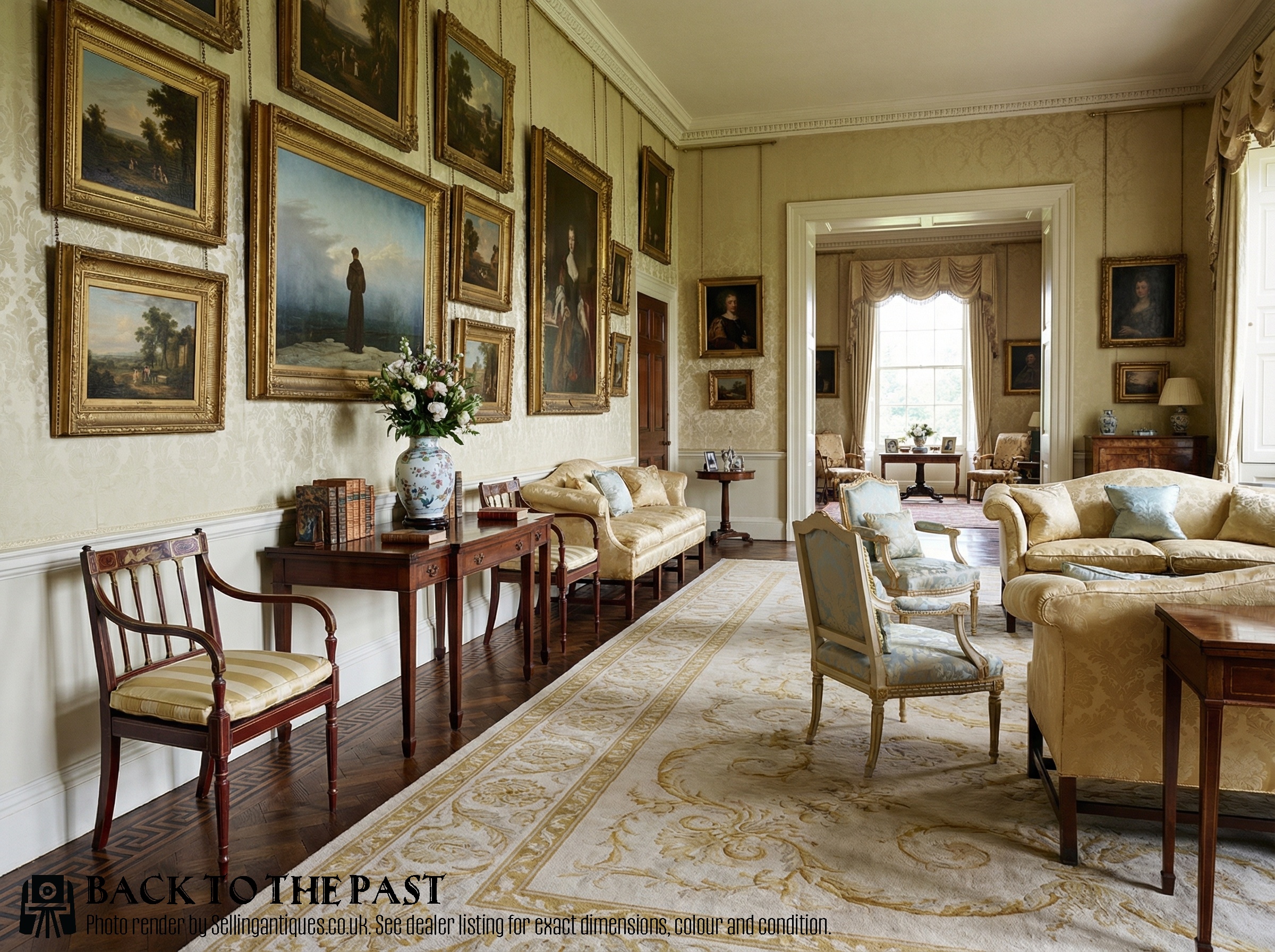
Regency Arm Chair
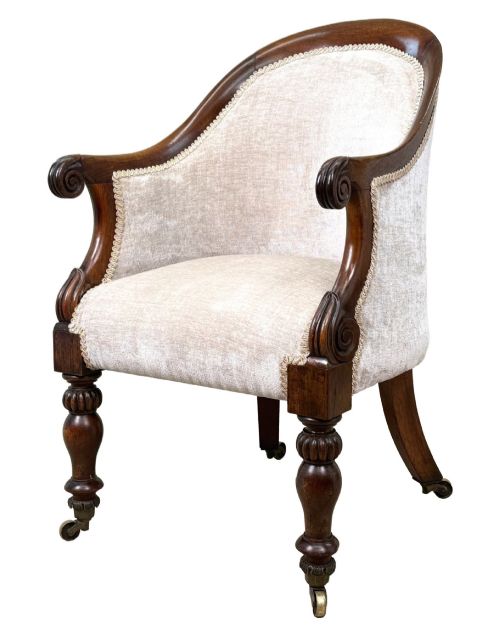
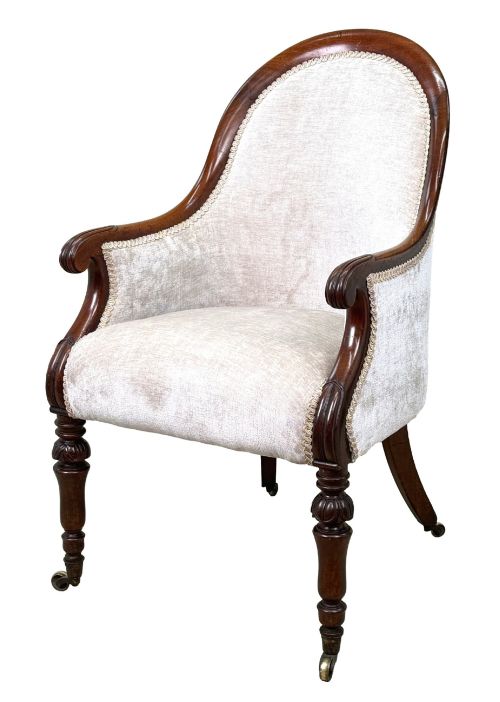
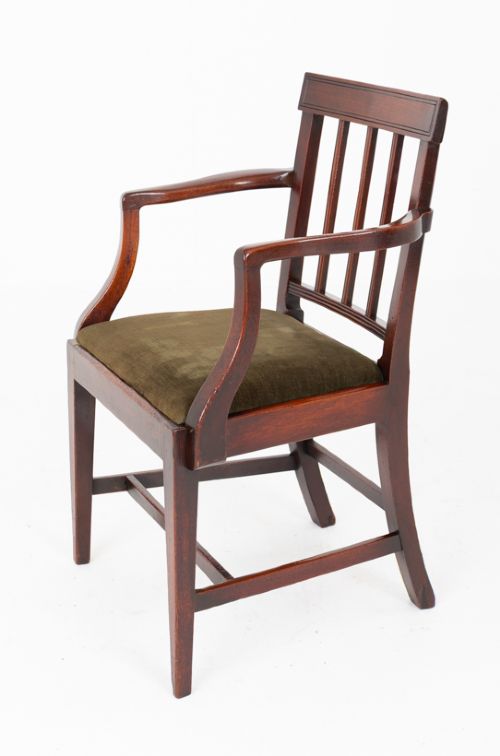
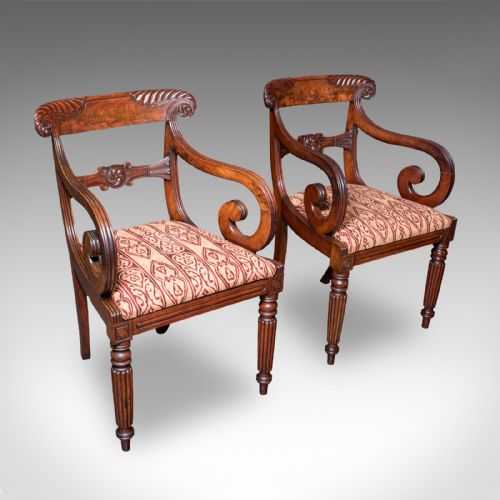
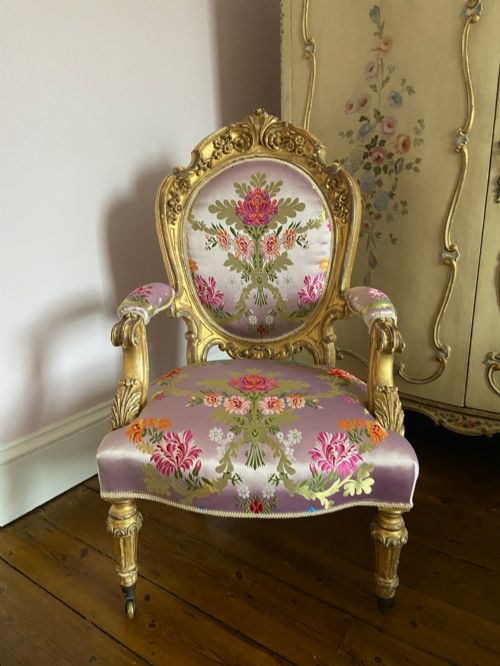
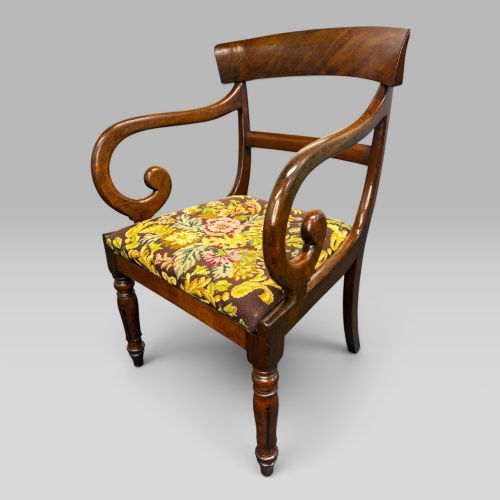
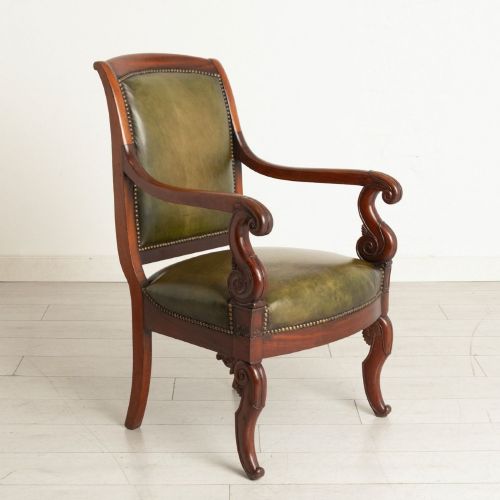
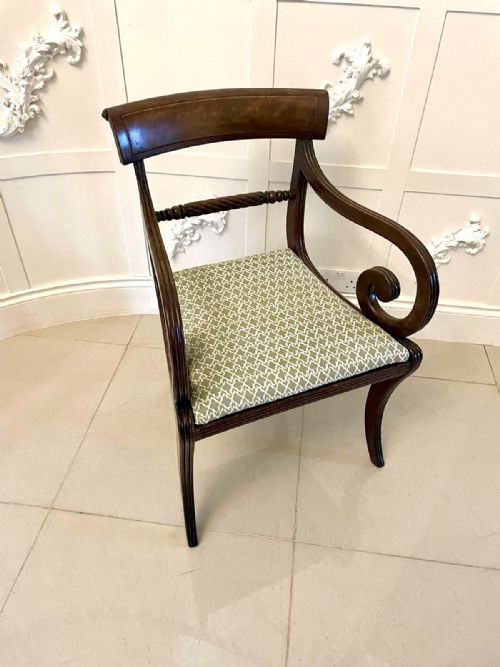
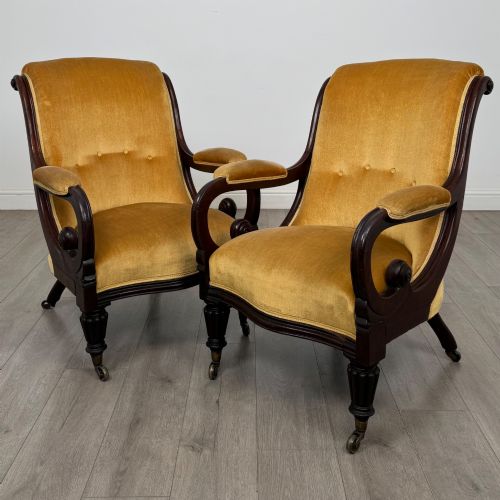
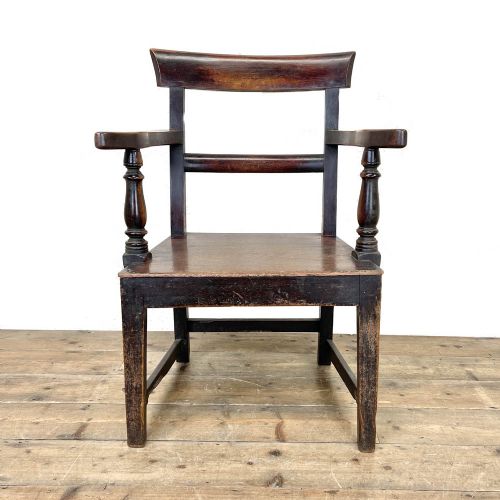
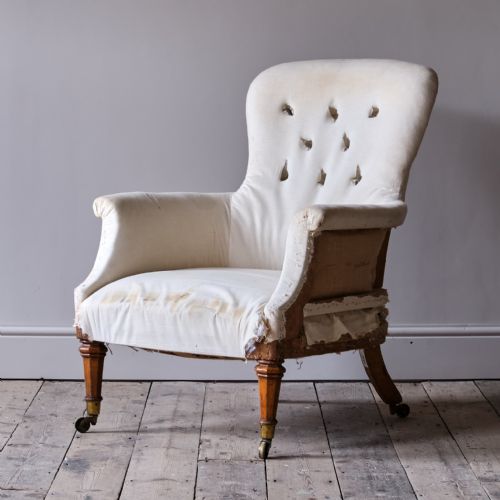
A regency arm chair encompasses diverse forms including library chairs, bergères, carvers, and desk chairs originating from the early nineteenth century alongside later revivals. Mahogany and rosewood form the core of the selection, complemented by beech, elm, and painted finishes.
How They Were Made
Cabinetmakers constructed frames primarily from dense native and exotic hardwoods such as mahogany, rosewood, and walnut, often utilising steam-bending for curved components like tub backs and scroll arms.
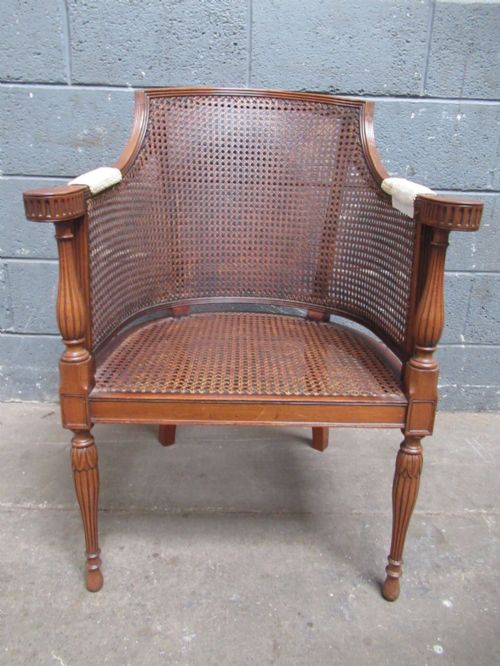
Decorative detailing involved brass inlay, delicate parcel gilding, ebonising, and hand-caning woven directly into the wooden frames of bergère models.
Regency Arm Chair Retail Price Guide 2026
Typical asking prices for regency arm chair among the pieces listed under this phrase on Sellingantiques today, from the lower quarter to the upper quarter. They describe what is for sale here now, not the wider market.
Garden seating occasionally slips indoors, reminding us that nineteenth-century relaxation was not strictly confined to the parlour.
What Varies in Quality
The refinement of timber selection and the crispness of carved elements dictate the hierarchy, where sharp reeding and well-defined scrollwork distinguish superior workshop production from simpler country execution.
Structural integrity depends upon the joinery within the arm supports and leg joints, alongside the preservation of original surfaces versus later intervention.
Gillows·Minter·John Gee
The Regency Arm Chair Glossary
- Bergère
- An enclosed armchair featuring upholstered or cane-panelled sides and back. This form often includes a drop-in cushion.
- Carver
- An armchair designed to match a set of dining chairs, traditionally placed at the table heads. They feature heightened arms to accommodate dining posture.
- Sabre leg
- A concave tapering furniture leg that curves outward towards the foot. The profile mimics the sweep of a cavalry sabre.
- Tub chair
- A deep-seated chair with a continuous curved back and arms forming a circular enclosure. It provides a protective barrier against draughts in domestic rooms.
- Reeding
- Parallel convex moulding carved into wood surfaces. This decorative technique is common on the legs and uprights of nineteenth-century seating.
Regency Arm Chair: Frequently Asked Questions
How do I identify a true period piece?
Authentic period examples display appropriate timber shrinkage, traditional hand-cut joinery, and wear patterns consistent with early nineteenth-century construction methods.
Examination of the underside and internal framing reveals tool marks and construction details characteristic of the era rather than later revival periods.
What is a bergère armchair?
A bergère is a closed-sided upholstered armchair featuring cane or fabric panels fitted directly into the wooden frame.
These seats frequently incorporate loose squab cushions and gained popularity for library and drawing room use during the Regency epoch.
Where should I place a library chair?
Library and tub chairs suit reading corners, studies, and drawing rooms where their supportive curved backs offer comfortable seating.
Pairing them with a low side table creates a functional reading space that complements their historical domestic purpose.
How do I care for antique leather upholstery?
Maintain leather upholstery by applying specialised animal-fat free conditioners sparingly to preserve the suppleness of the hide.
Keep such seating away from direct sunlight and heat sources to prevent the leather from drying and cracking over time.