



Reeded Brass Lamp
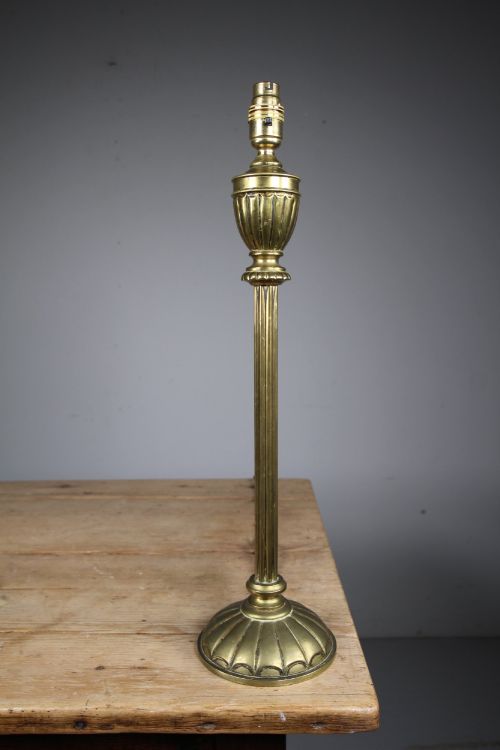
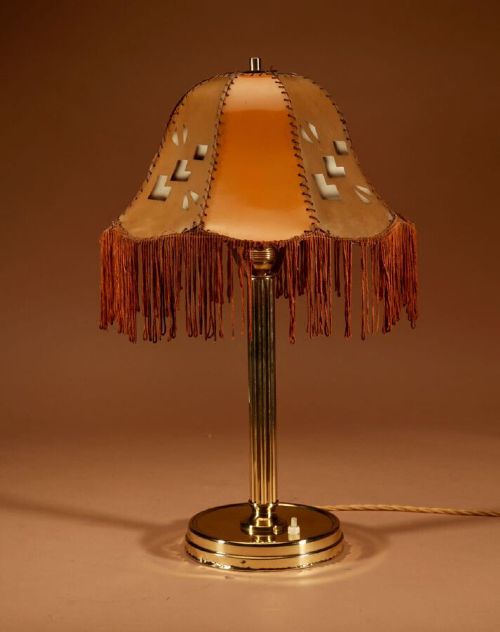
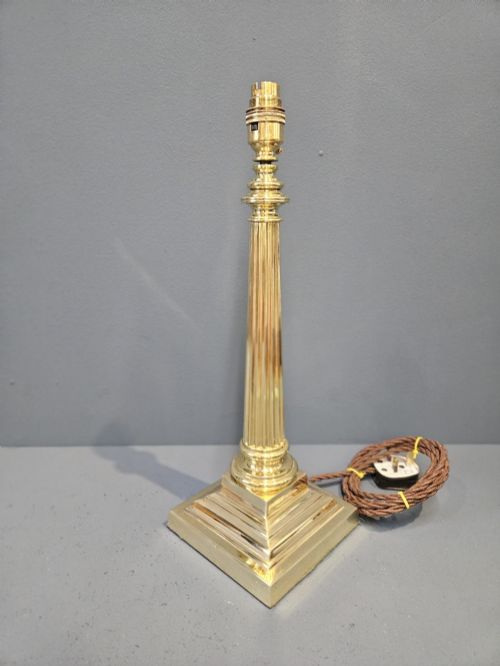
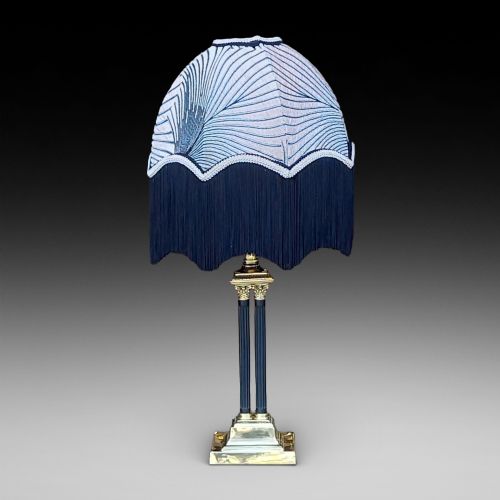
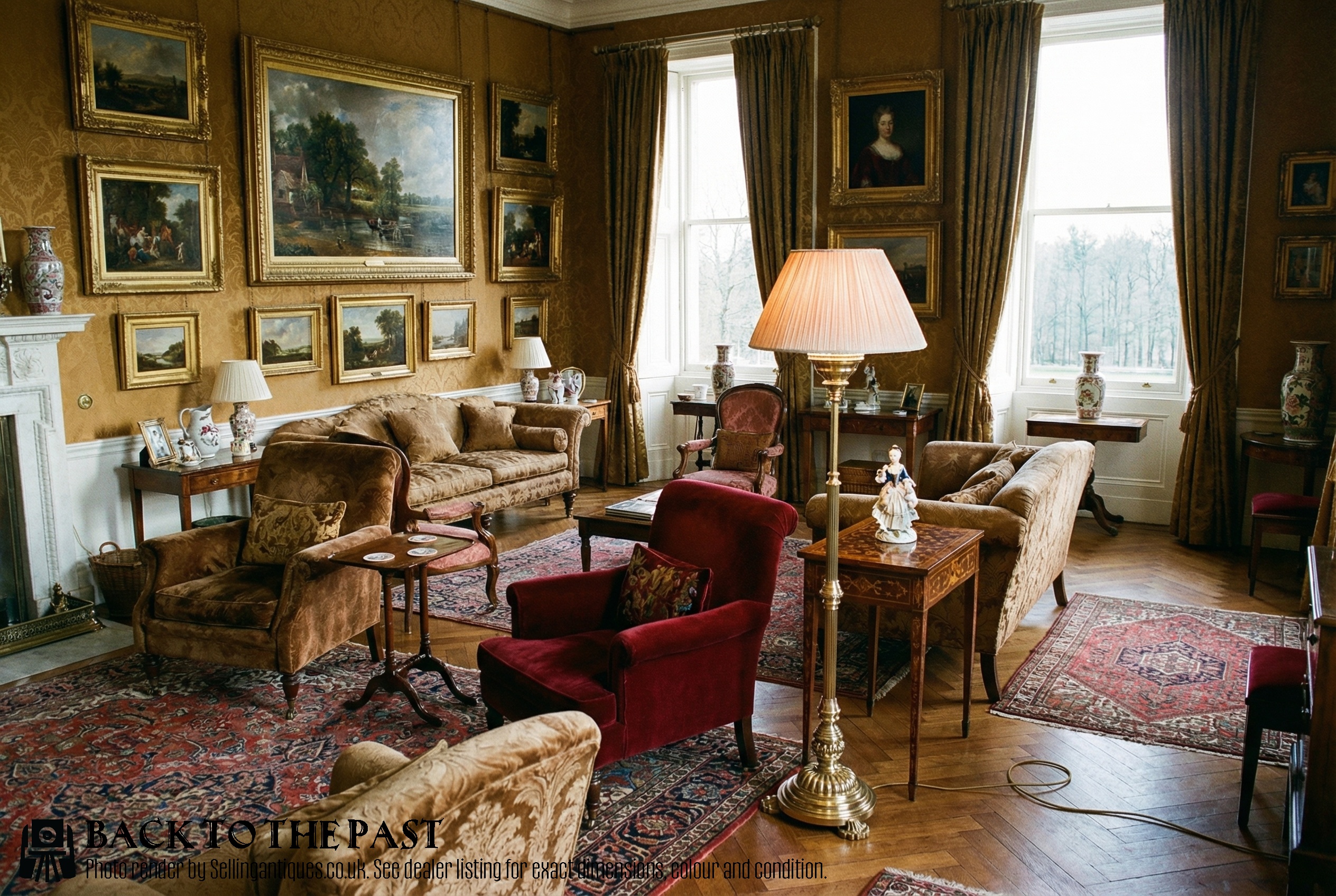
A reeded brass lamp brings classical column work and warm metal reflection into a room.
Reeded Brass Lamp
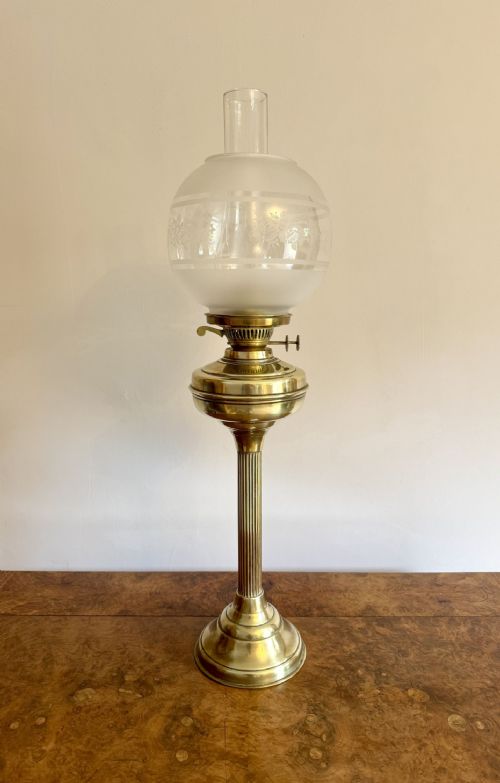
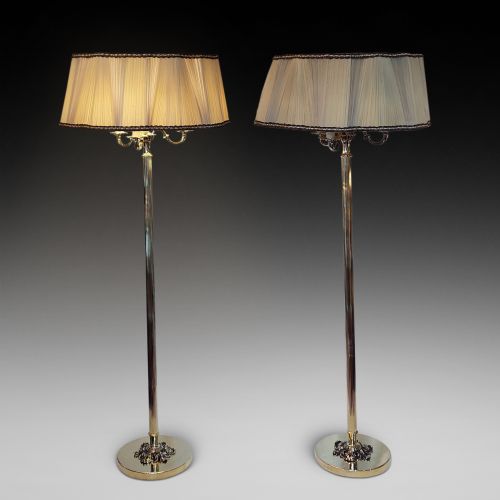
When you search for a reeded brass lamp, you are looking at upright lighting formed with parallel, rounded grooves running vertically along a central column. These pieces take the form of table lamps, standard floor lamps, and oil lamps that were later converted to electric use.
The most common examples on this page date from the Victorian and Edwardian periods, alongside later 1920s designs. They frequently adopt classical architectural orders such as the Corinthian or Doric column, grounding domestic illumination in historical ornament.
While the majority of listings focus on table lamps and standard lamps, the wider selection occasionally spans related items in brass and mahogany. The defining feature remains the reeded shaft, which catches the light across its multiple convex ridges.
How they were made
The construction relies heavily on cast and turned brass, shaped into slender columns with detailed capitals and stepped bases. Many period examples began life as oil lamps, incorporating glass reservoirs or metal burners that were subsequently adapted for electrical flex.
Wiring methods include modern braided fabric flex to replace older cord, while standard floor lamps often utilise telescopic mechanisms for adjustable height. Secondary materials such as glass, ceramic, and mahogany appear in bases, shades, or paired furniture elements.
Listings span the Victorian, Edwardian, and Art Deco periods, utilising brass, glass, mahogany, and braided fabric flex.
What varies in quality
Quality in these lamps rests on the crispness of the casting in the reeding and the architectural detail of the capital. Sharply defined flutes and heavy gauge brass distinguish the finer examples from lighter, more utilitarian production.
Proportion and scale also dictate the standing of a piece, particularly in standard lamps and monumental column table lamps. Solid construction, substantial weight, and well-executed mechanical adjustments for height or angle mark out the superior items in the range.
Young's
The Reeded Brass Lamp Glossary
- Reeded
- Formed with parallel convex ridges running along the length of a surface. This technique provides texture and catches highlights on metal columns.
- Corinthian column
- A classical architectural order featuring an ornate capital decorated with acanthus leaves. It is frequently seen atop Victorian and Edwardian brass lamp shafts.
- Duplex
- A type of double-wick burner system found on period oil lamps. It allowed for a brighter flame before conversion to electricity.
- Telescopic
- Describing a standard lamp shaft that extends vertically via an inner sliding tube. This allows the overall height of the light to be adjusted.
- Doric
- A plain, sturdy classical column order with a simple capital. It offers a more restrained alternative to ornate Corinthian designs.
Reeded Brass Lamp: Frequently Asked Questions
Are these lamps safe to use today?
Many period pieces have been rewired with modern components to meet current electrical standards.
Buyers should check individual listings to confirm whether a piece has been recently tested or requires professional rewiring.
How do I date a brass column lamp?
Victorian and Edwardian pieces often display heavier cast brass components and authentic period burner mechanisms if they started as oil lamps.
Later 1920s examples tend to incorporate simpler stylistic lines or differing switch hardware from earlier decades.
Can I adjust the height of a standard lamp?
Certain floor lamps feature telescopic brass columns that permit the upright stem to extend or retract.
This mechanism allows you to alter the height of the light source to suit different ceiling clearances or room layouts.
What is the difference between an oil lamp and a table lamp?
Original oil lamps were built with metal reservoirs and burners designed to hold paraffin before being converted to electricity later on.
Purpose-built electric table lamps lack these internal fuel containers and were manufactured specifically for domestic wiring.