


Reddish Mahogany Cabinet
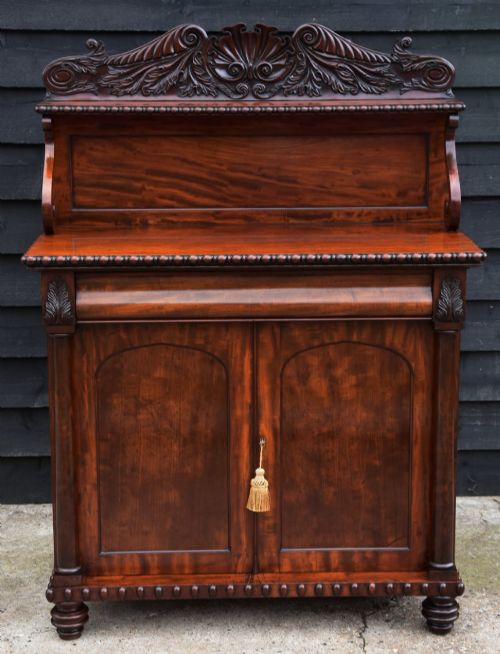
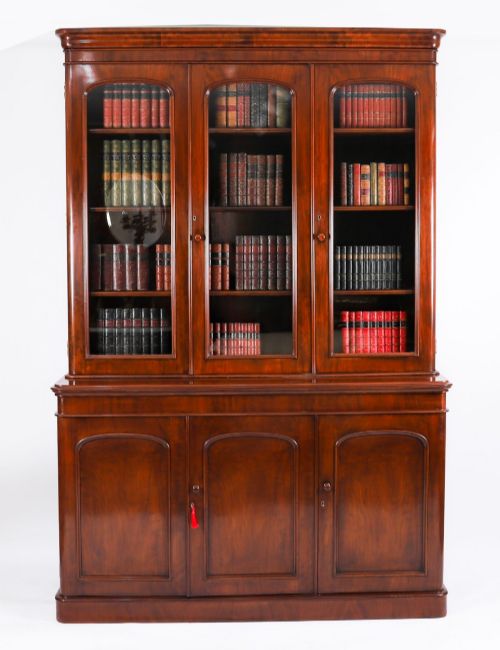
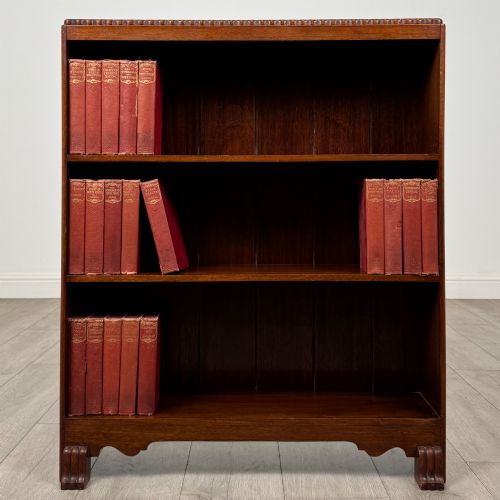
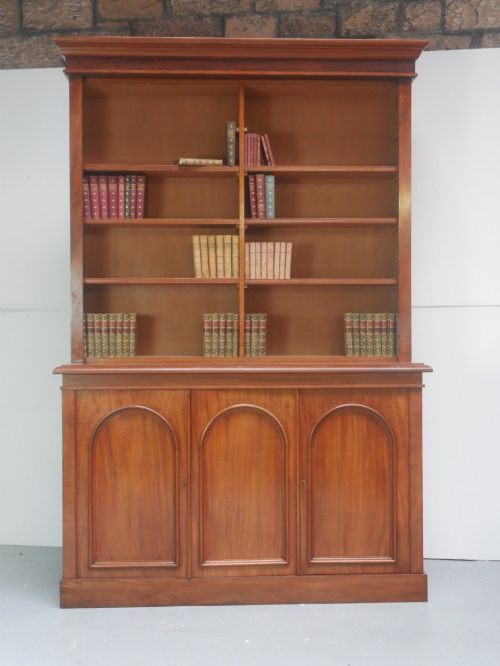
These reddish mahogany cabinet pieces bring warmth and utility to a room, offering practical storage through rich timber surfaces.
Reddish Mahogany Cabinet
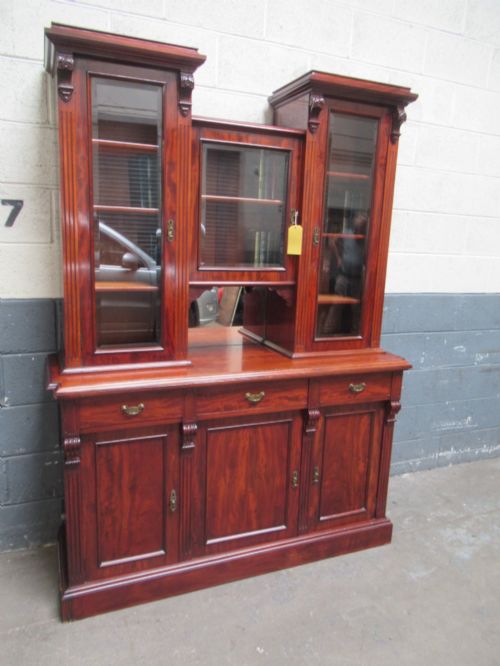
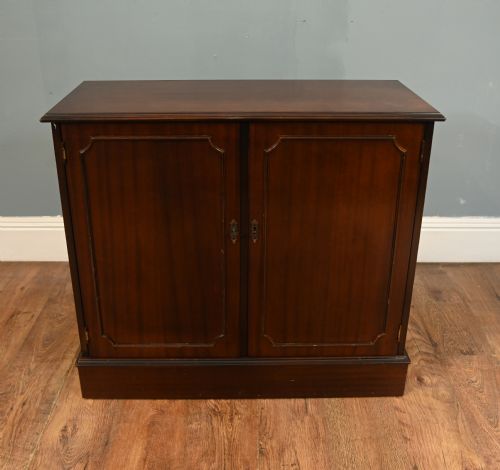
A reddish mahogany cabinet encompasses a variety of practical wooden storage forms shaped by the Georgian, Victorian, and Edwardian eras. Buyers search for this phrase to find functional furniture that anchors a room with deep timber tones and traditional craftsmanship.
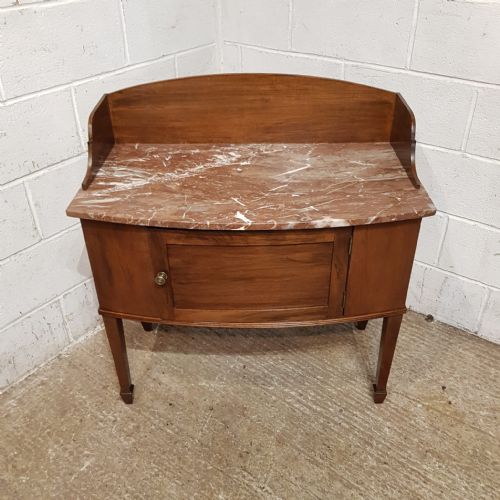
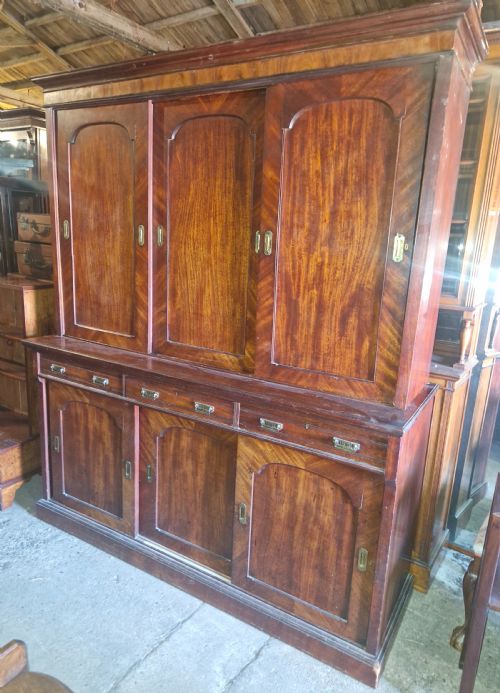
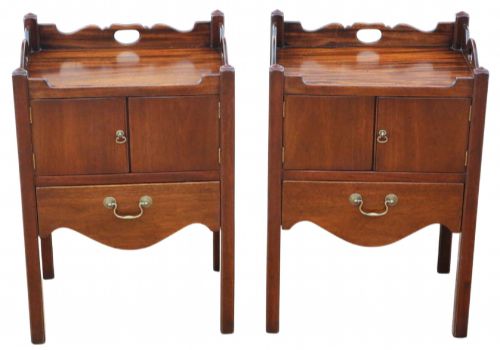
The selection here most frequently meets the eye in the form of bookcases, bedside cabinets, and chests of drawers from the nineteenth century. Pieces range from grand library bookcases to small bedside cupboards and washstands.
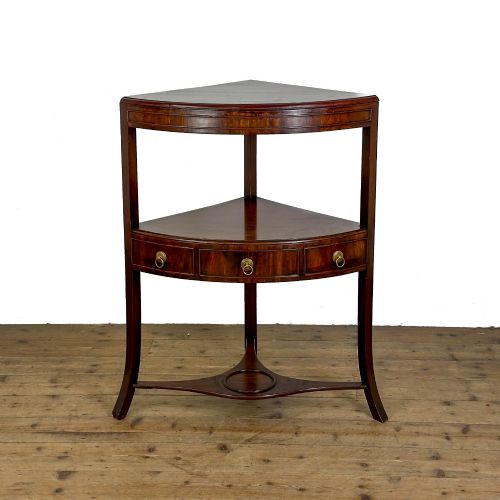
Origins span formal English country house designs to compact Edwardian examples, reflecting diverse domestic needs across the decades. Variations include corner cabinets, bureau bookcases, and narrow wall units tailored for specific interior spaces.
What varies in quality
Quality rests upon the selection of the timber and the depth of the grain, particularly in how flame mahogany veneers are matched across drawer fronts and doors. Superior examples display carefully chosen boards that present a cohesive, animated reddish figure.
Construction integrity distinguishes the finer items, seen in the snug fit of dovetailed drawer joints and the weight of the brass fittings used. Lesser pieces may rely on simpler joinery or heavier secondary woods without the same precision of finish.
Proportion and stylistic restraint also define the upper tier, where cornices, plinths, and classical details harmonize rather than crowd the primary mahogany surface.
One remarkably patient cabinet includes forty separate drawers, proving that someone once had an immense collection of very tiny things to tidy away.
Brady
The Reddish Mahogany Cabinet Glossary
- Flame mahogany
- A veneer cut from the fork of the mahogany tree where the branch meets the trunk, producing a distinctive, flickering grain pattern. It was widely used on principal surfaces of nineteenth-century furniture to create visual impact.
- Chiffonier
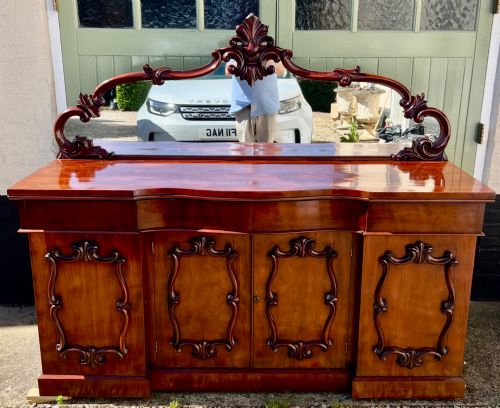
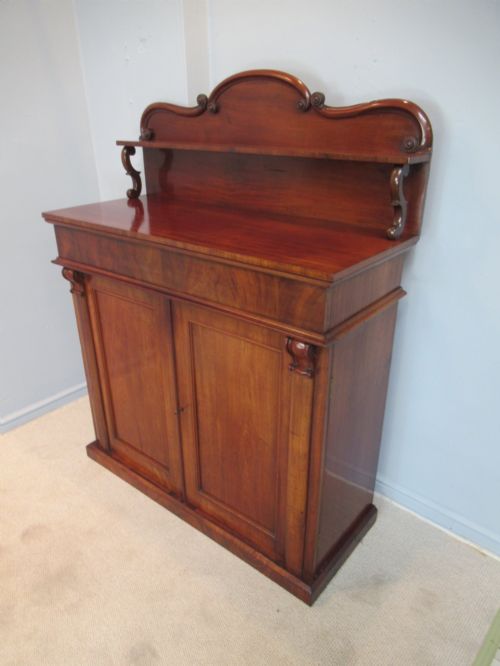
- A low sideboard or cabinet with enclosed shelves below, popular during the Regency and Victorian periods. It typically served for the storage of dining silver or linen.
- Bureau bookcase
- A combination piece featuring a sloping desk flap that opens for writing, surmounted by glazed shelving for books. These units combined workspace and library storage in a single footprint.
- Washstand
- A specialised table or cabinet designed to hold a basin and washware, frequently fitted with a marble top to protect the wood from splashes. Many date from the Victorian era.
- Waterfall bookcase
- A set of open bookshelves where each successive shelf is narrower than the one below, creating a stepped profile. This style gained favour during the Georgian period.
- Wellington chest
- A tall, narrow chest of drawers secured by a hinged locking side stile that fastens with a key. It originated in the nineteenth century for compact storage.
Reddish Mahogany Cabinet: Frequently Asked Questions
What is a reddish mahogany cabinet used for?
These cabinets provide versatile storage for books, household linens, and daily items across living spaces and bedrooms.
Larger versions serve as libraries or sideboards, while compact bedside tables and chests fit smaller domestic rooms.
How do I date a mahogany cabinet?
Dating relies on observing construction methods, hardware styles, and the overarching design period visible in the piece. Georgian items show different proportions and joinery compared to later Victorian or Edwardian examples.
Secondary woods, drawer linings, and veneer thicknesses also offer strong clues to the decade of manufacture.
Where should I place a bedside cabinet?
A bedside cabinet sits naturally beside a bed to hold small evening essentials and personal items on its top surface.
Enclosed cupboards or drawers below keep reading material and accessories neatly hidden from view.
How do I care for mahogany furniture?
Maintain the timber by keeping it away from direct sunlight and sudden temperature shifts that can dry out the wood.
Regular dusting with a soft cloth preserves the polish without building up heavy wax layers.