



Red Woven Storage Bag
A red woven storage bag brings nomadic tribal textiles into daily interiors through practical wool pouches created across Central Asia and Persia.
Red Woven Storage Bag
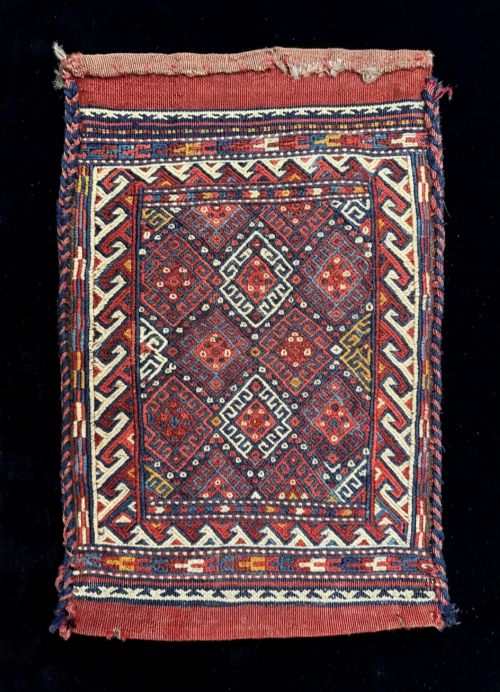
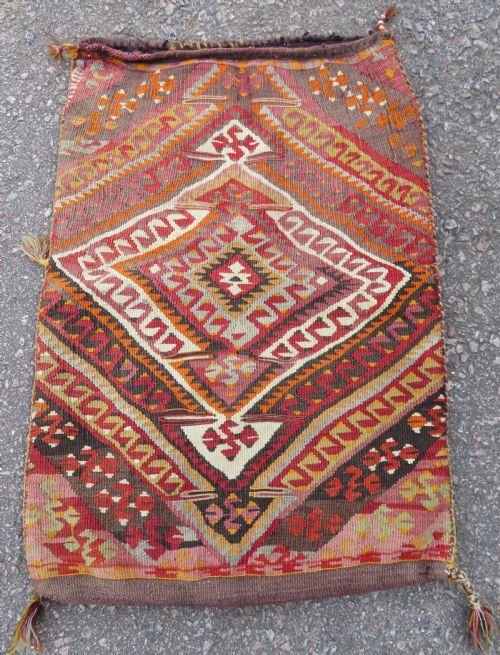
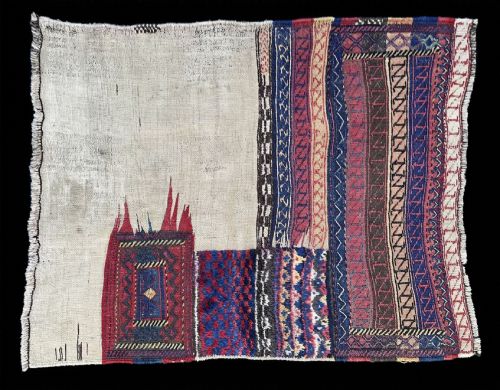
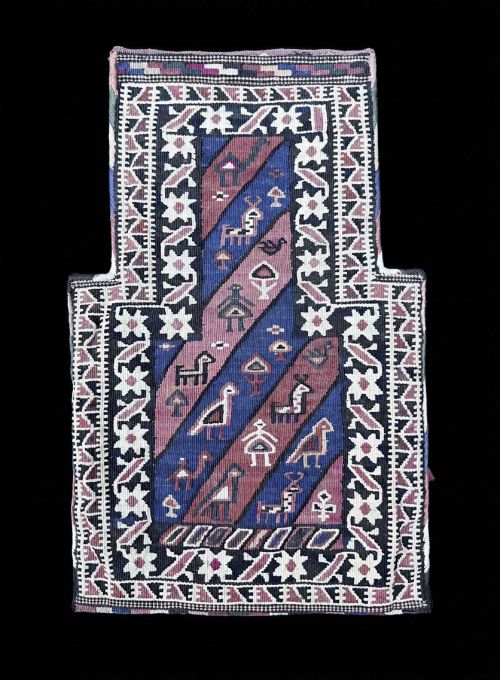
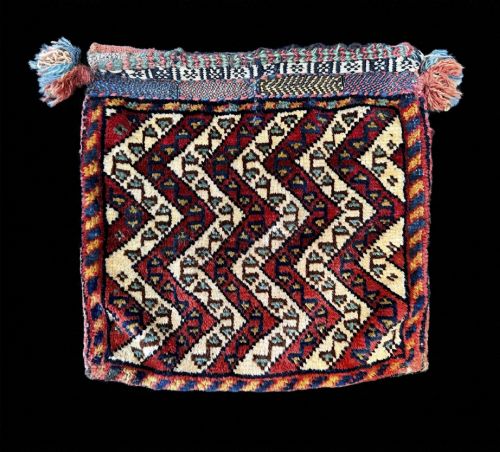
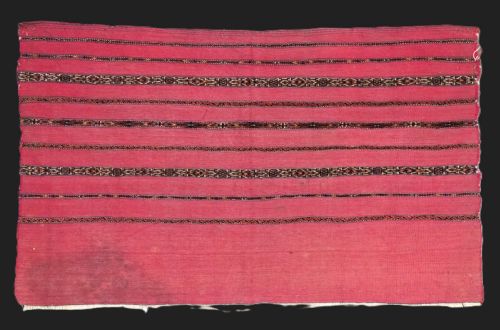
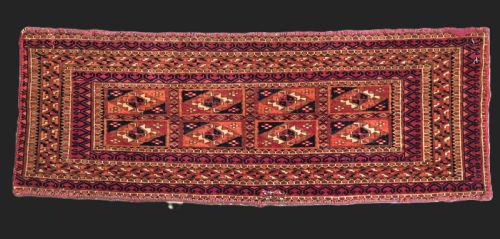
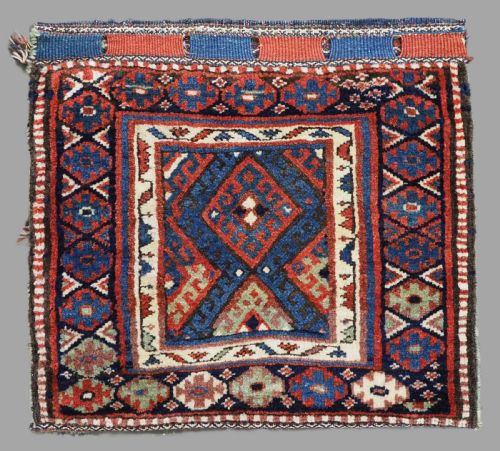
A red woven storage bag encompasses tribal utility pieces including tent bags, grain sacks, and small pouches designed by nomadic groups. These textiles originate from nineteenth and early twentieth-century regions spanning Turkmenistan, Persia, and the Caucasus.
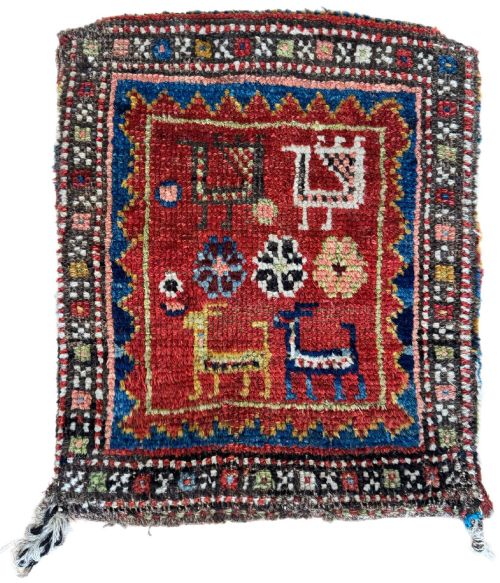
Most pieces seen on this page arrive as bag faces or complete containers woven by Turkmen, Kurdish, and Qashqa'i tribes. Their formats serve specific domestic functions, from carrying spindle wool to storing household provisions inside tents.
Materials and construction methods
Makers utilised hand-spun wool, cotton, and occasionally silk highlights, combining pile knotting with flatweave techniques. Natural dyes generated the dominant red colour grounds found across these nomadic textiles.
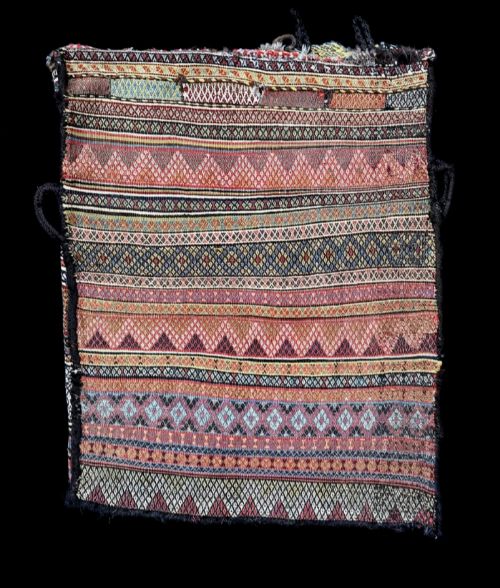
Backings often feature plain weave construction, while structural elements incorporate goat hair for durability. Skilled weavers integrated hanging loops and sturdy selvedges to withstand heavy nomadic transport and use.
Red Woven Storage Bag Retail Price Guide 2026
Typical asking prices for red woven storage bag among the pieces listed under this phrase on Sellingantiques today, from the lower quarter to the upper quarter. They describe what is for sale here now, not the wider market.
Nomadic weavers occasionally attached small amuletic motifs to their storage bags to ward off the evil eye from stored provisions.
Quality factors in tribal bags
Fineness of weave and structural integrity distinguish exceptional examples from standard utilitarian items. Dense knotting counts and the careful preservation of original plain weave backs or hanging loops elevate a piece.
The clarity of natural dye saturation and the precision of geometric tribal motifs dictate visual impact. Completeness, such as retaining both front and back panels, marks superior examples within the category.
The Red Woven Storage Bag Glossary
- Chuval
- A large tent storage bag traditionally used by Turkmen nomads for bedding and clothing. These pieces frequently display multiple guls across a rich red field.
- Torba
- A smaller horizontal storage bag utilised inside nomadic tents. They often feature finished lower fringes and hanging loops for wall attachment.
- Gul
- A medallion motif repeated across Turkmen carpets and storage bags. Each tribal group weaves distinctive geometric variations of these primary design elements.
- Mafrash
- A rectangular storage container or transport chest face woven in flatweave or pile techniques. They were stacked inside nomadic dwellings to hold household goods.
- Kizil
- A term denoting red-ground Turkmen bag faces, particularly associated with Tekke weaving. These textiles rely heavily on deep madder-dyed wool backgrounds.
Red Woven Storage Bag: Frequently Asked Questions
What were these bags used for?
Nomadic tribes utilised these woven pouches to store grain, clothing, bedding, and smaller items like spinning tools inside tents.
Their robust construction allowed them to endure the rigours of seasonal migration and daily domestic life.
How do I hang a bag face?
Many bag faces retain original hanging loops along the top edge for mounting directly onto a wall.
Alternatively, custom mountings or padded sleeves allow collectors to display these textiles safely without damaging the wool structure.
How are tribal regions identified?
Specific knotting structures, colour palettes, and repeating geometric motifs point toward particular tribes such as the Yomut, Tekke, or Qashqa'i.
Border designs and secondary filler ornaments provide further clues regarding the geographical origin of the weaver.
Are complete bags common?
Surviving examples often appear as isolated bag faces because the plain weave backs wore out faster than the knotted pile fronts.
Finds that retain both original faces and backs are less common and highly valued by textile collectors.