



Red Wool Mafrash Bag
A red wool mafrash bag is a durable nomadic storage container that brings rich tribal geometry and texture to a modern interior.

Red Wool Mafrash Bag
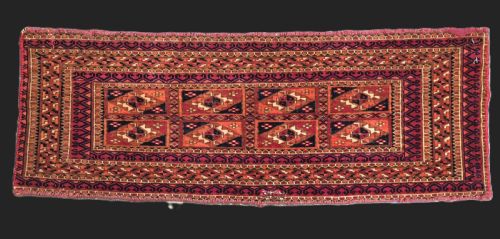
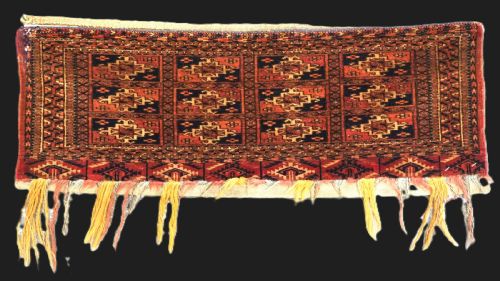
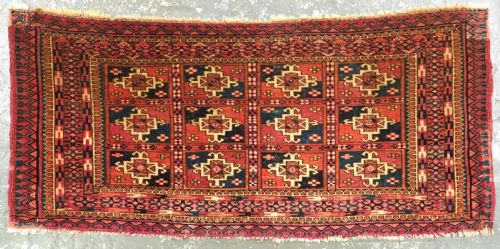
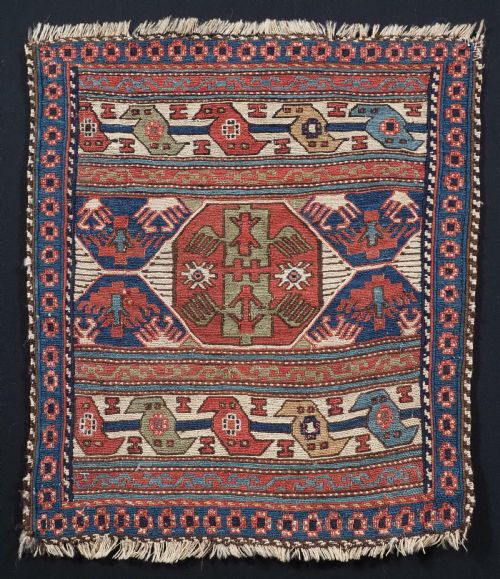
You are most likely to meet complete boxes with their plain weave backs intact, or individual Soumak bag faces displaying classic tribal motifs. The Turkmen and Shahsavan groups produced the majority of these examples, utilising distinctive formats like the torba and the mafrash panel. These textiles combine deep red ground colours with intricate wool and cotton weaving techniques developed by tribal artisans.
How they were made
These textiles rely on hand-spun wool combined with natural dyes and vegetable dyes to achieve their deep red colouration and secondary hues. Artisans integrated cotton and linen for structural strength, ensuring the bags could endure the rigours of nomadic transport. The construction frequently employs flatweave or Soumak techniques, which create crisp geometric patterns and textured surfaces.
Weavers constructed complete mafrash pieces by joining decorated panels to plain weave backs, forming robust rectangular containers. The use of natural dye materials yields subtle tonal variations across the wool surface, reflecting the organic sourcing of colours within tribal communities.
The listings feature pieces spanning the eighteenth, nineteenth, and early twentieth centuries, constructed from hand-spun wool, cotton, and linen.
What varies in quality
The sophistication of the tribal design distinguishes standard examples from exceptional ones, particularly where complex bird, dragon, or gul motifs are executed with precision. The survival of the complete structure, including original plain weave backs rather than isolated bag faces, elevates the integrity of a piece.
The clarity and depth of the natural and vegetable dyes also dictate the visual strength of the textile. Fineness of the hand-spun wool and tightness of the Soumak or flatweave technique demonstrate the skill of the original weaver.
The Red Wool Mafrash Bag Glossary
- Mafrash
- A large rectangular storage bag used by nomadic tribes for bedding and household possessions during migrations. These were often woven in pairs to balance on pack animals.
- Soumak
- A wrap-around flatweave technique that creates a durable fabric with a raised, braid-like surface texture on the front and loose threads on the back.
- Gul
- A repeating medallion or tribal crest associated with specific Turkmen and Central Asian groups. Each design identifies the lineage or tribal origin of the weaver.
- Flatweave
- A textile constructed without pile by interlocking warp and weft threads together. This method produces a thin, flat fabric utilised for bands and structural panels.
Red Wool Mafrash Bag: Frequently Asked Questions
What were red wool mafrash bags used for?
Nomadic families utilised these sturdy containers to pack and transport bedding, clothing, and household goods during seasonal migrations between summer and winter pastures.
Mounted on pack animals or stored within tribal tents, they served as both functional furniture and decorative indicators of family wealth and tribal identity.
How do I live with a mafrash bag?
These textiles adapt well to modern interiors as wall hangings, table runners, or flat display pieces. Complete bags can be stuffed lightly to function as floor cushions or decorative accents in a living space.
Keep them away from direct sunlight to protect the natural wool dyes, and use a breathable underlay if placed on furniture or floors.
How do I tell Turkmen and Shahsavan pieces apart?
Turkmen pieces frequently display repeating octagonal gul medallions on a rich red wool ground, often associated with Teke, Yomut, or Ersari tribes. Their structures include torba formats and banded flatweaves.
Shahsavan examples often employ Soumak technique featuring bird, dragon, or geometric panel designs originating from the Caucasus. Their palette and drawing styles reflect Northwest Persian and Caucasian nomadic traditions.
What is the difference between a bag face and a complete bag?
A bag face is the decorative front panel of the original container, which has often been separated from its structural backing over time. Collectors frequently frame or mount these panels as standalone works of textile art.
A complete bag retains its plain weave back and side panels, preserving the original three-dimensional form and utility of the piece as it was constructed.