
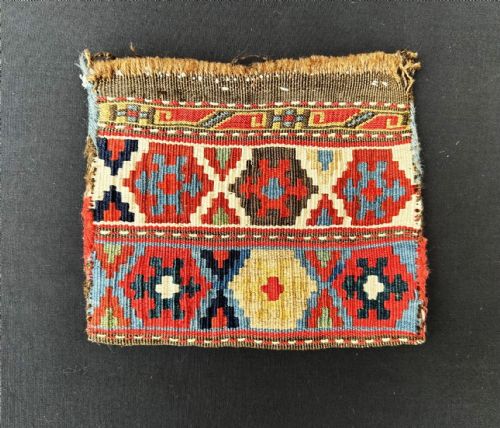


Wool Caucasian Kilim Bag
These wool caucasian kilim bag pieces are nomadic storage vessels and cushions woven by tribal makers, sought for their vibrant geometric patterns and genuine utility.
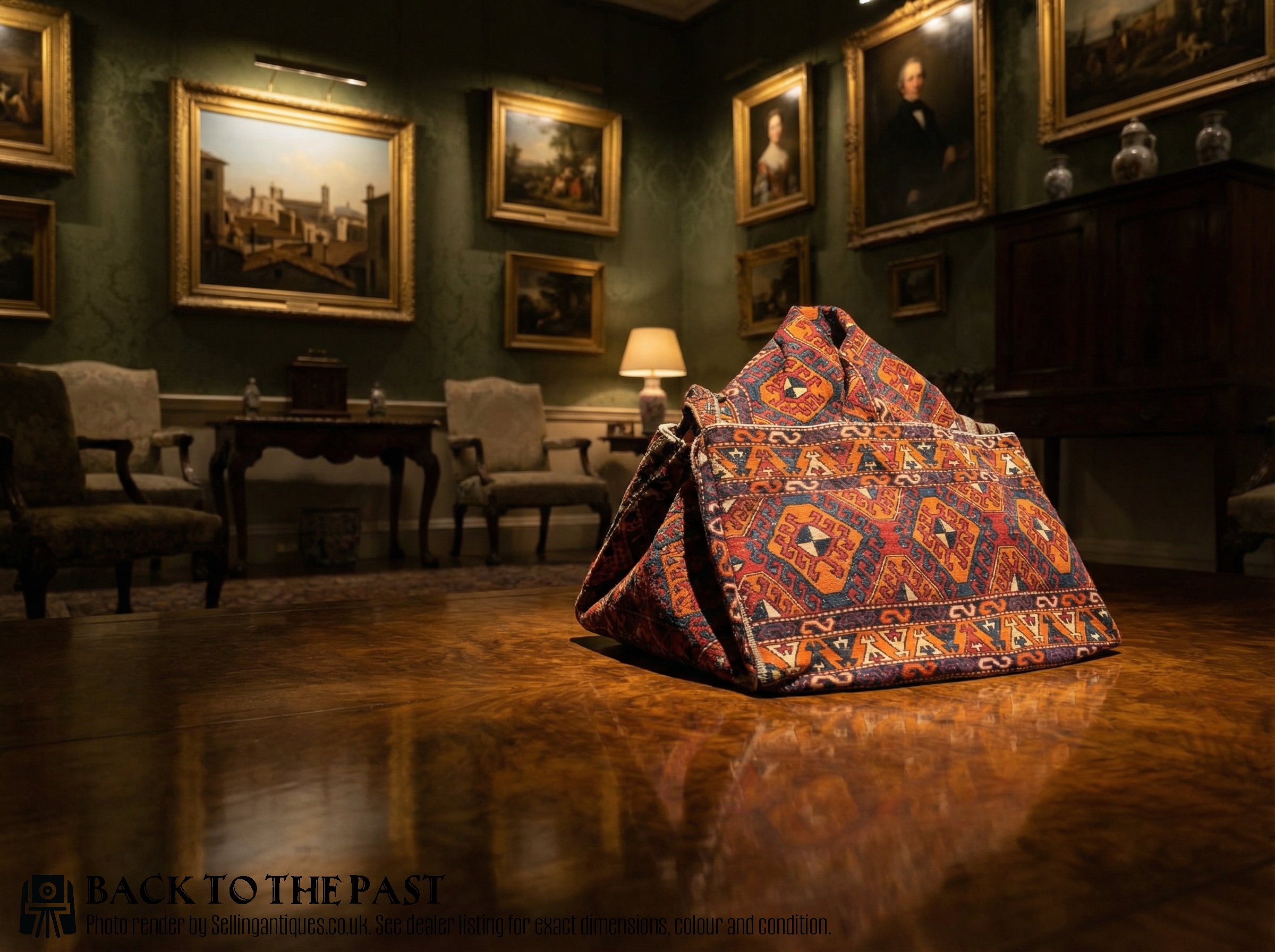
Wool Caucasian Kilim Bag
When you search for a wool caucasian kilim bag, you are looking at flat-woven textile pieces originating from tribal and nomadic groups across the Caucasus and neighbouring regions. These pieces encompass complete storage bags, mafrash panels, saddlebags, and cushion covers adapted from traditional functional items.
The items listed here span the nineteenth and early twentieth centuries, stretching from around eighteen seventy to nineteen twenty. You will encounter complete saddlebags, vanity bags, and bag faces that have been carefully repurposed into decorative cushions while retaining their original woven character.

How they were made
These textiles are constructed primarily from hand-spun wool and cotton, utilising traditional flat-weaving techniques without a knotted pile. The weavers employed supplementary weft-wrapping methods to create crisp geometric patterns and durable structures suitable for nomadic transport.
Natural dyes provide the rich colour palette seen across these pieces, interacting with hand-spun wool to create subtle variations in tone over decades of exposure and use. The structural backings often incorporate plain weave construction to balance the intricate face designs.
These nomadic bags carried everything a family owned across the mountains, now reduced to holding your sofa cushions.
What varies in quality
Quality in these nomadic textiles rests upon the tightness of the weave, the clarity of the geometric motifs, and the integrity of the natural dyes. Tighter hand-spun wool construction yields a firmer handle and a more durable surface that holds its shape over time.
The distinction between standard examples and superior ones lies in the complexity of the tribal design work and the preservation of the original flat-weave structure. Complete pieces with intact backs or paired saddle configurations command greater appreciation among collectors of nomadic weaving.
The Wool Caucasian Kilim Bag Glossary
- Kilim
- A flat-woven carpet or textile produced by tightly interweaving warp and weft strands without creating a pile. This technique results in a lightweight, durable fabric with identical patterns visible on both sides.
- Mafrash
- A large rectangular storage bag or chest panel traditionally used by nomads for bedding and household goods. These containers are constructed from flat-woven kilim sides and sturdy base fabrics.
- Saddlebag
- A paired set of storage sacks joined by a central web, designed to be draped over horses, donkeys, or camels. Surviving examples often appear as complete pairs or separated bag faces.
- Hand-spun wool
- Yarn produced manually using a spindle or simple wheel rather than industrial machinery. This traditional preparation leaves natural irregularities that absorb dyes unevenly, creating rich depth in the finished textile.
- Natural dye
- Colouring matter derived from plants, insects, and minerals rather than synthetic chemical compounds. These dyes age gracefully, developing soft patinas over generations of light and handling.
Wool Caucasian Kilim Bag: Frequently Asked Questions
What is a mafrash bag?
A mafrash is a heavy-duty rectangular storage container traditionally used by nomadic tribes to transport bedding and household possessions during seasonal migrations. These pieces feature flat-woven panels joined together to form a sturdy box shape.
Today, surviving examples are often found as individual panels or complete containers valued for their bold geometric designs and structural integrity.
How were these bags used?
Nomadic groups utilised these woven receptacles for packing and transporting personal belongings, clothing, and domestic equipment on animal backs. Their robust flat-weave construction ensured they could withstand the rigours of camp life and constant travel.
Over time, many functional saddlebags and storage sacks have been carefully adapted into decorative cushions or preserved flat as textile art.
How do I care for a kilim bag?
Protect these antique textiles from direct sunlight to prevent natural dyes from fading over extended periods. Gentle vacuuming through a mesh screen helps remove dust without disturbing the hand-spun wool fibres.
Avoid chemical cleaning agents and consult a specialist in antique oriental textiles if deep cleaning becomes necessary.
How do I date a tribal bag?
Dating relies on assessing the materials, particularly the presence of hand-spun wool and early natural dye palettes that pre-date synthetic aniline colours. Stylistic markers specific to regional weaving groups also provide reliable chronological clues.
Examining the wear patterns and structural remnants helps place these items within the nineteenth or early twentieth-century periods.