



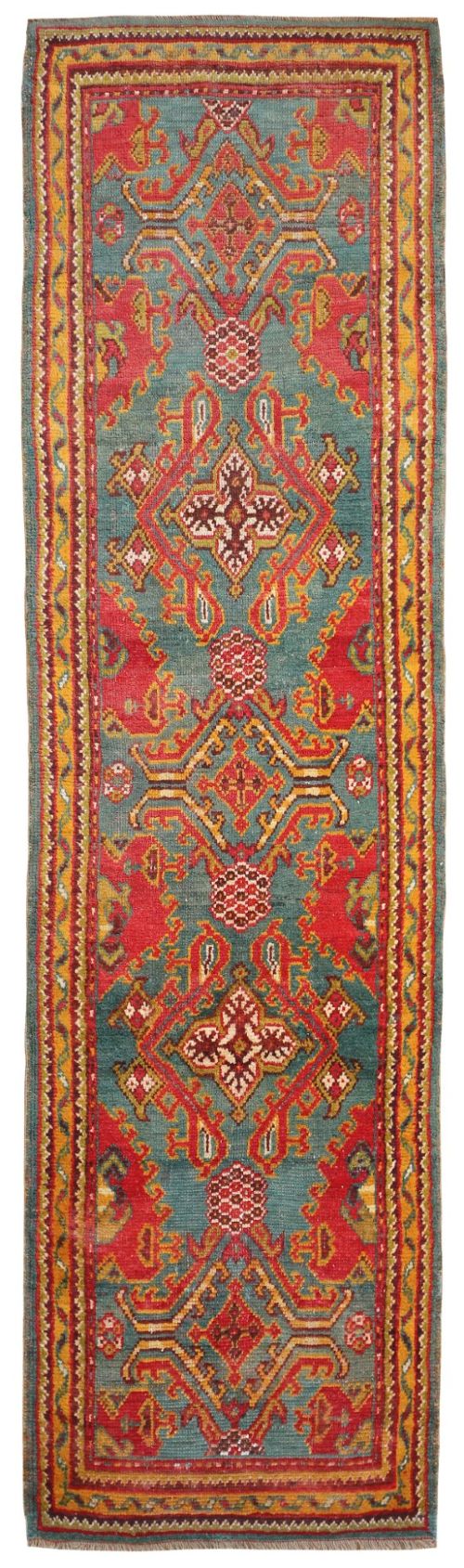
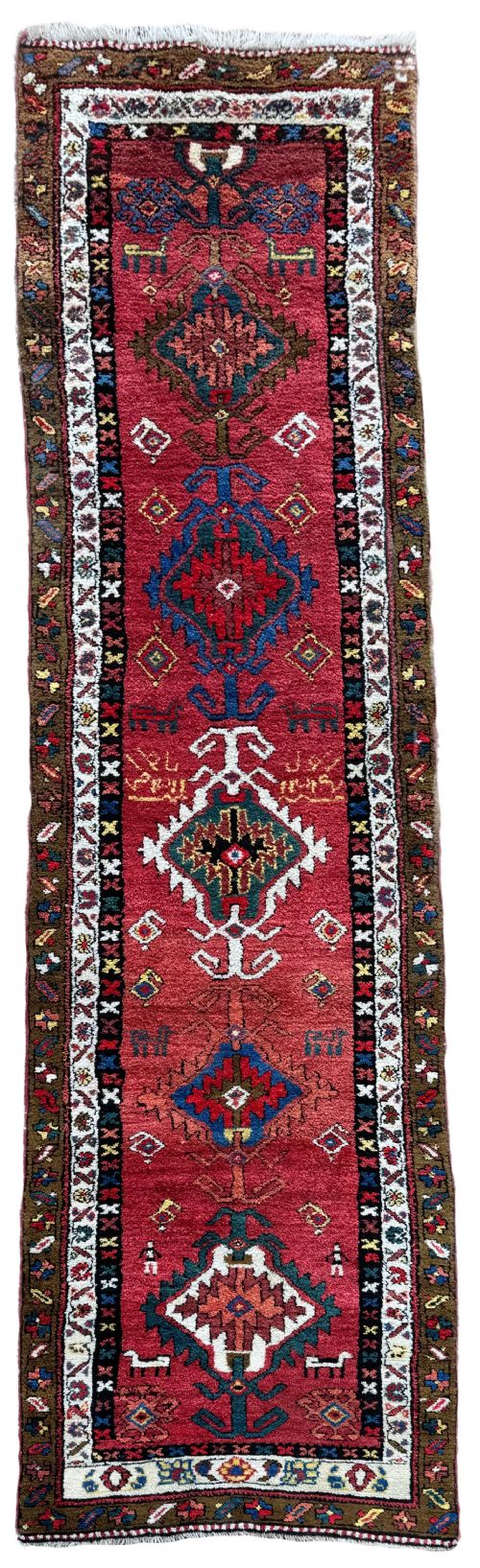
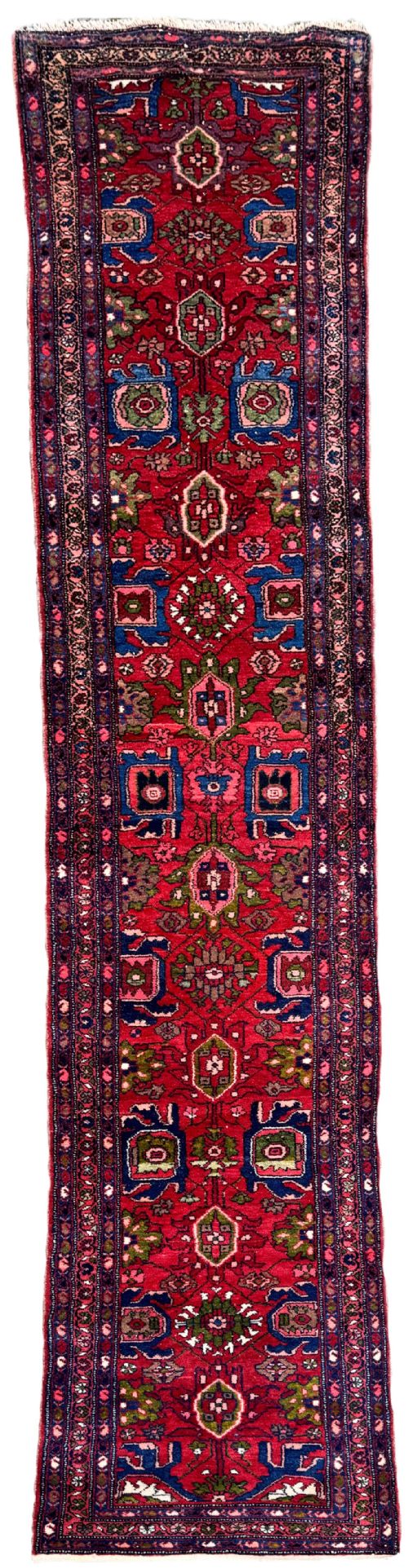
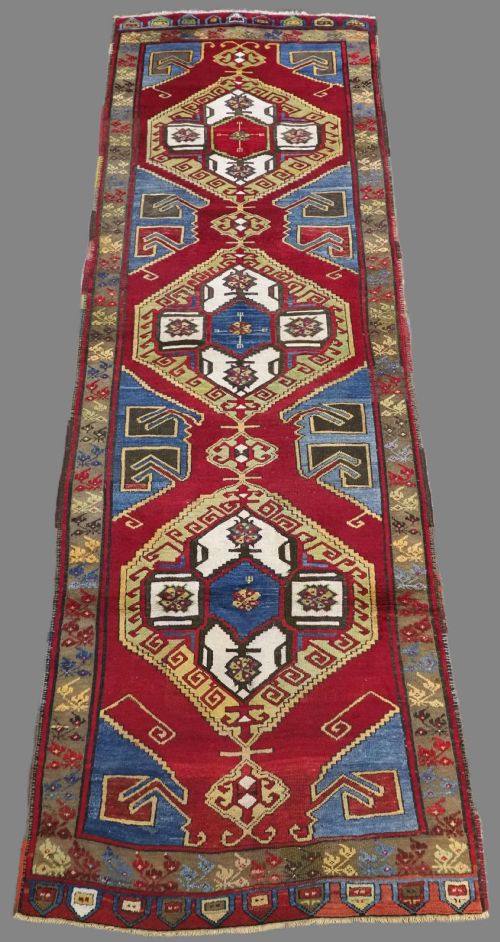

Red Wool Hallway Runner
A red wool hallway runner brings warmth and pattern to long spaces through enduring tribal and traditional weaving traditions.
Red Wool Hallway Runner
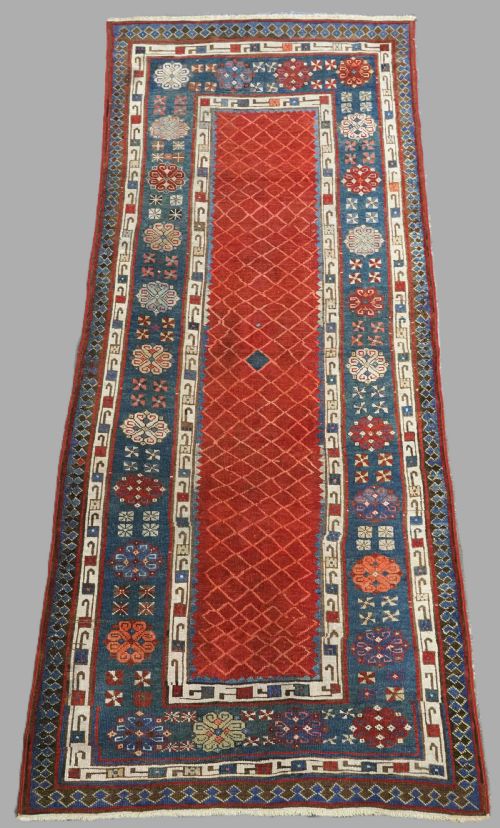
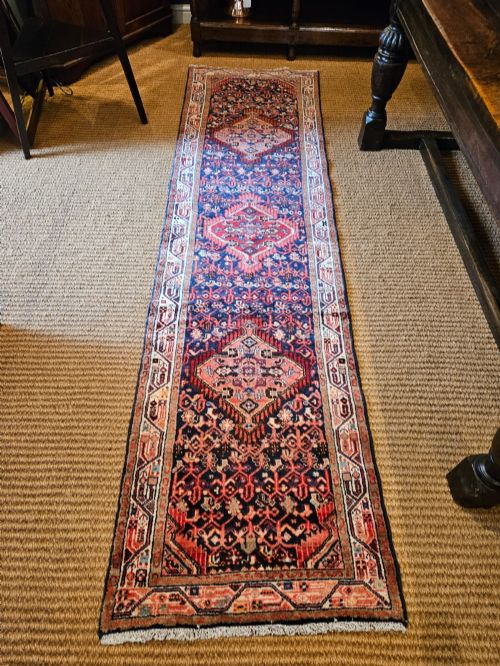
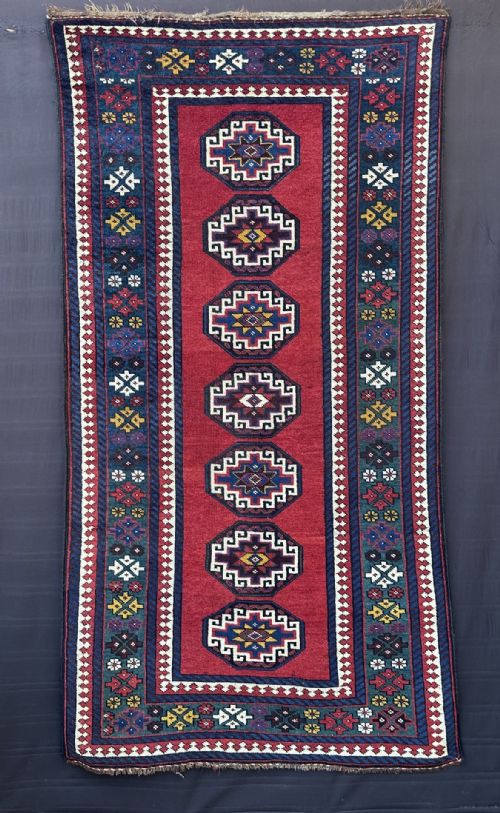
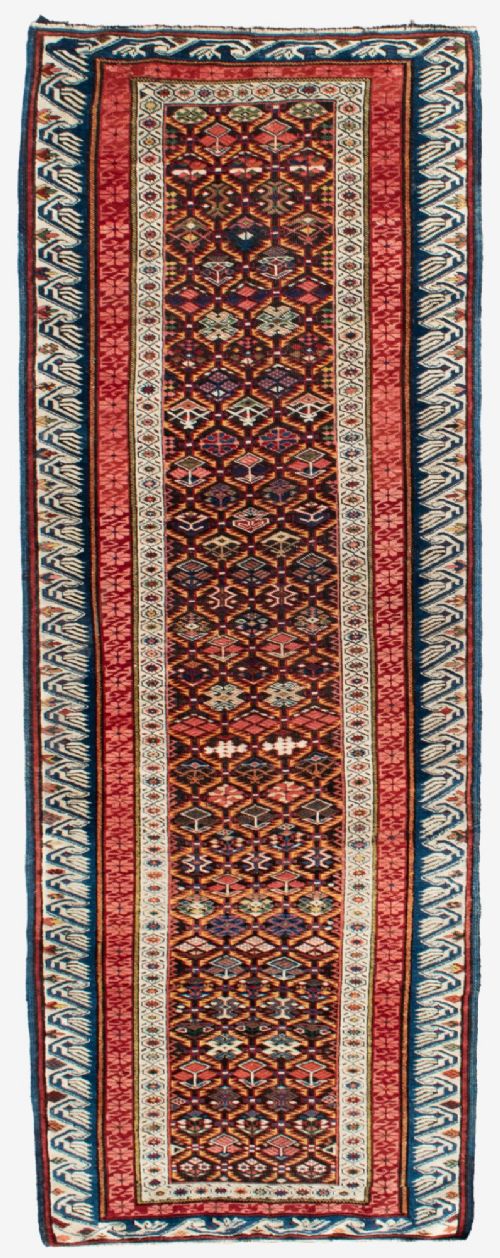
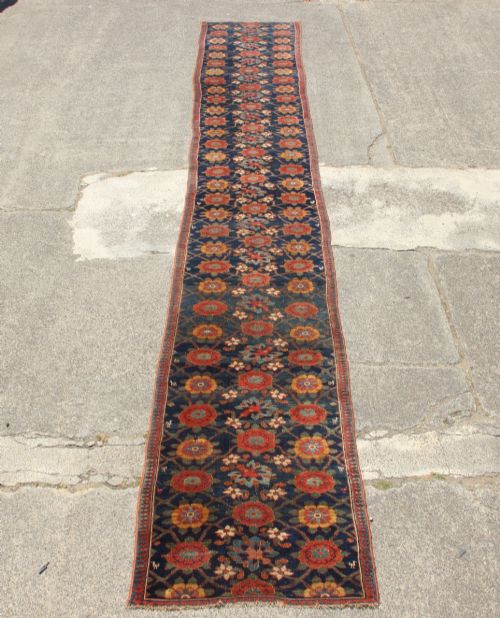
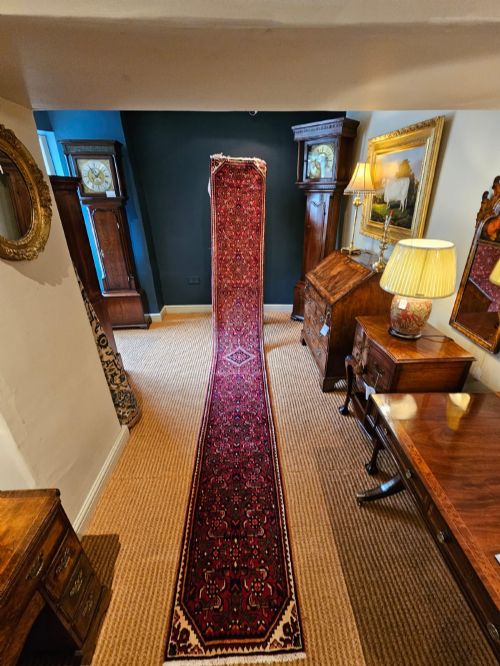
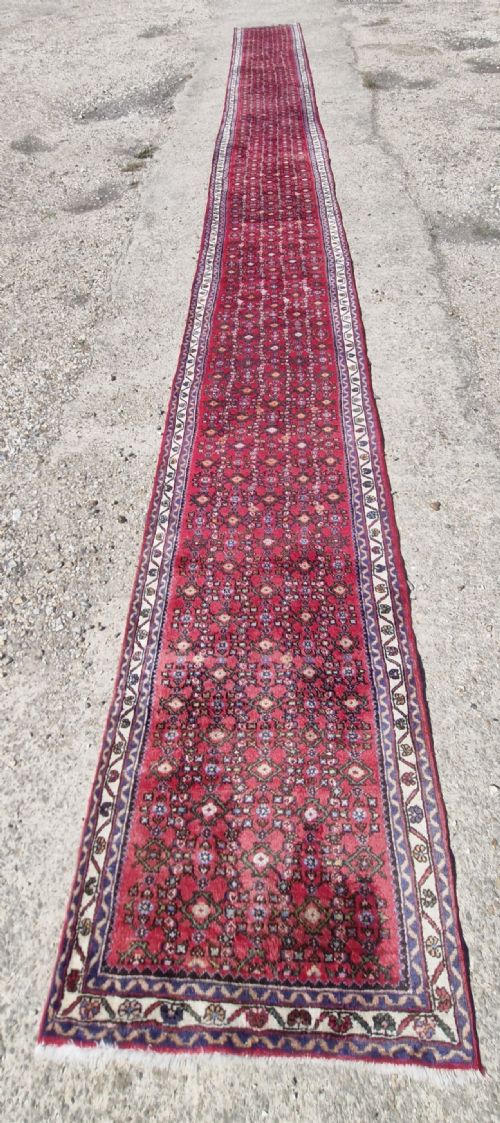
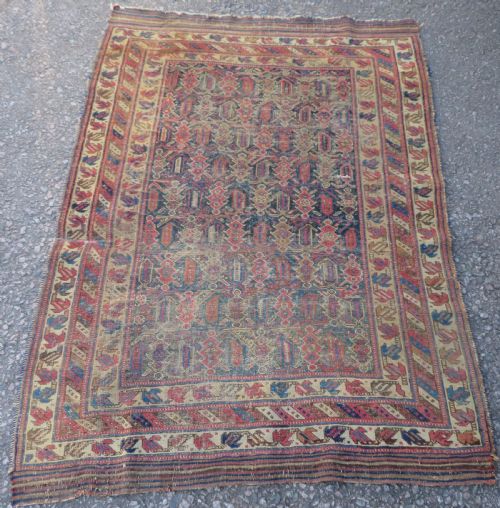
A red wool hallway runner is a long, narrow floor covering designed for corridors, halls, and landings, rendered in deep crimson and scarlet tones. When you search for this phrase, you encounter antique floor coverings originating from Persian, Caucasian, Anatolian, and Turkish weaving centres. These pieces date across the nineteenth and early twentieth centuries, spanning periods from the eighteen-sixties to the nineteen-twenties.
The selections available on this page lean heavily towards authentic tribal and village formats such as Heriz, Hamadan, Kurdish, and Caucasian runners. These items serve the practical purpose of protecting high-traffic passages while introducing complex geometric and floral motifs underfoot. Buyers meet pieces varying from modest lengths of under three metres to expansive examples stretching over six metres.
How they were made
These floor coverings rely primarily on a foundation of wool and cotton, utilising hand-spun wool for the pile to ensure resilience in narrow spaces. Artisans knotted the pile by hand onto warp and weft threads, incorporating traditional techniques passed down through generations in tribal workshops and villages. The reliance on natural dyes derived from plants and minerals gives the wool its characteristic depth of colour.
Weavers constructed these long formats using traditional vertical or horizontal looms, securing the sides with sturdy selvedges. The structure accommodates the dense traffic of corridors, combining hand-spun wool with durable cotton foundations to withstand decades of movement.
Red Wool Hallway Runner Retail Price Guide 2026
Typical asking prices for red wool hallway runner among the pieces listed under this phrase on Sellingantiques today, from the lower quarter to the upper quarter. They describe what is for sale here now, not the wider market.
Listings feature pieces dated across the nineteenth and early twentieth centuries, predominantly employing hand-spun wool and cotton materials.
What varies in quality
Quality in a red wool hallway runner rests upon the integrity of the weave and the finesse of the design execution. Tighter knot counts and finer hand-spun wool create greater resilience, allowing the structure to endure heavy foot traffic without losing definition in the pattern. The clarity of the natural dyes and the precision of the geometric or floral lattice work further separate standard village pieces from finer tribal examples.
Condition and proportions also govern the standing of each piece, as length and narrowness must suit architectural corridors harmoniously. Well-preserved edges and balanced proportions distinguish the finer survivors of the nineteenth and early twentieth centuries from heavily distressed alternatives.
The Red Wool Hallway Runner Glossary
- Runner
- A long, narrow carpet format specifically proportioned for corridors, hallways, and staircases. It directs movement through domestic spaces.
- Pile
- The cut or uncut loop surface of a carpet formed by the yarn tied to the warp threads. It provides the soft, durable layer walked upon.
- Warp
- The stationary vertical threads stretched on a loom upon which the knots are tied. It forms the skeletal foundation of the textile.
- Weft
- The horizontal threads passed alternately over and under the warp threads to secure the rows of knots. It binds the structure together firmly.
- Selvedge
- The finished side edges of a carpet, wrapped with wool or cotton cords to prevent fraying. It protects the structural integrity of the weave.
- Natural dye
- Colouring matter derived from plants, insects, or minerals rather than synthetic compounds. It yields subtle variations and patination over time.
Red Wool Hallway Runner: Frequently Asked Questions
What is a red wool hallway runner?
A red wool hallway runner is a narrow, elongated antique carpet woven from wool, traditionally placed in corridors and long passageways. These floor coverings combine practical durability with rich crimson and madder red hues.
Originating largely from Persian, Caucasian, and Anatolian weaving traditions, they feature distinctive tribal and geometric designs that anchor long, narrow architectural spaces.
How do I choose the right length?
Selecting the correct length involves measuring your corridor while leaving equal margins of exposed floor around the edges. Consider standard historical dimensions, which range from compact lengths of two metres up to grand expanses exceeding six metres.
Ensure doors swing freely over the pile thickness by checking the clearance of your hallway doors before installation.
How do I care for antique wool runners?
Care for antique wool runners requires gentle, regular vacuuming without a rotating brush roll to protect the hand-spun pile. Professional cleaning should be undertaken periodically by specialists familiar with antique textiles.
Utilising a quality underlay prevents slipping and cushions the foundation fibres against hard flooring surfaces, extending the lifespan of the textile.
How do I identify different regional styles?
Identifying regional styles involves examining the specific motifs, colour palettes, and structural characteristics unique to each weaving group. For instance, Heriz runners often display bold geometric medallions, while Caucasian pieces favour sharp, linear lattices.
Familiarising yourself with the typical wool quality and border designs of areas such as Hamadan, Shirvan, and Kurdistan helps distinguish one origin from another.