

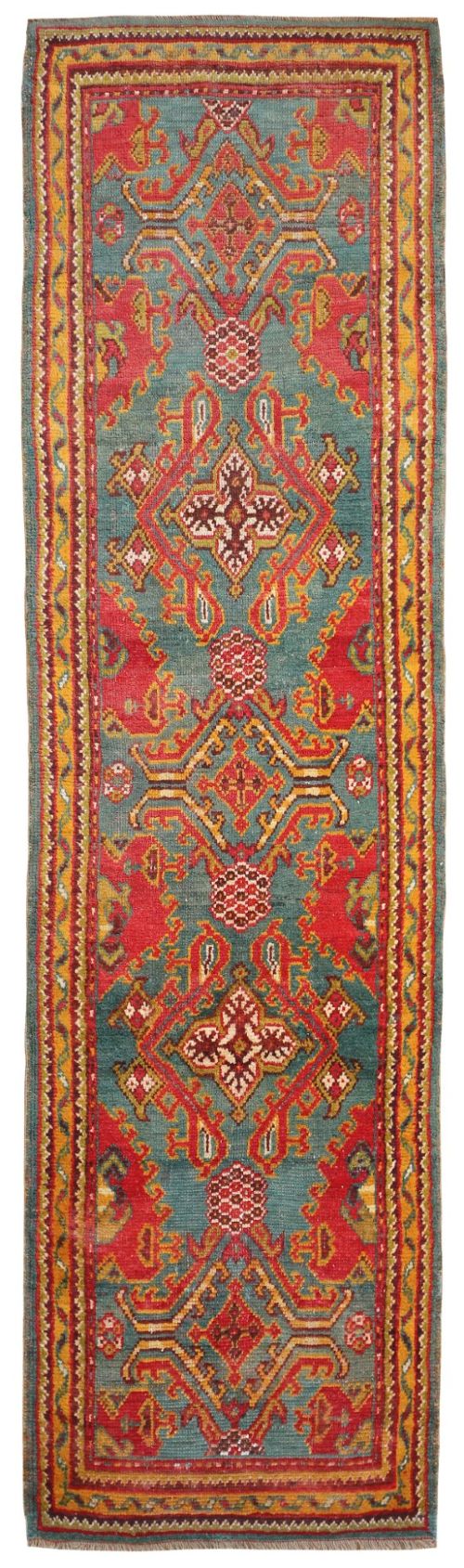
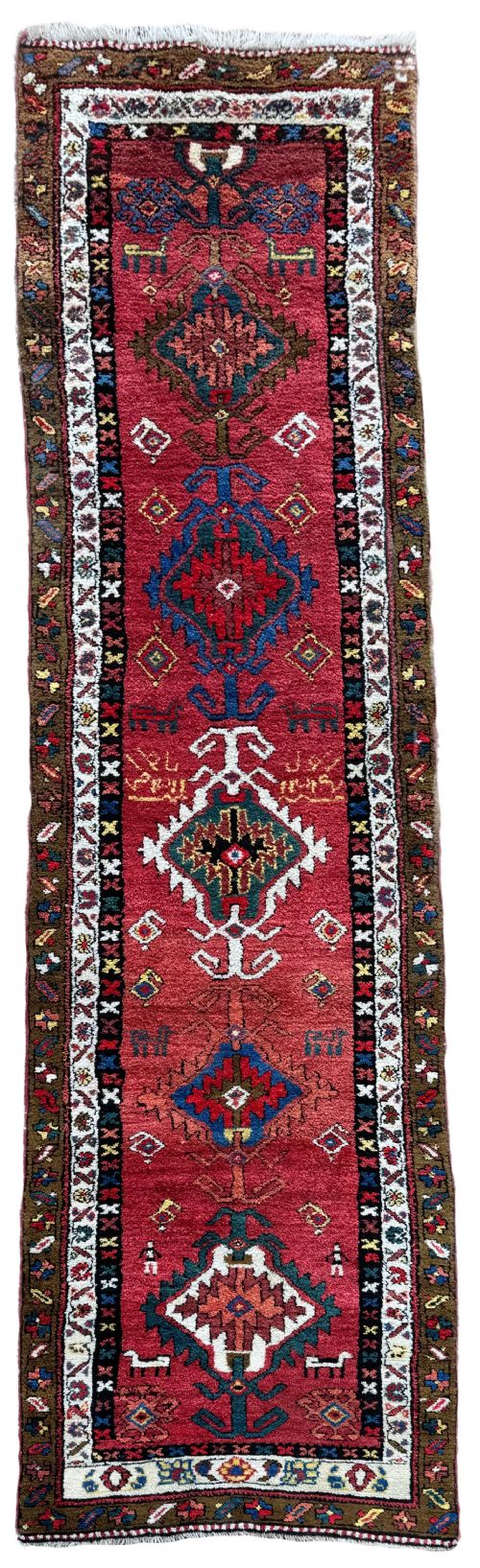
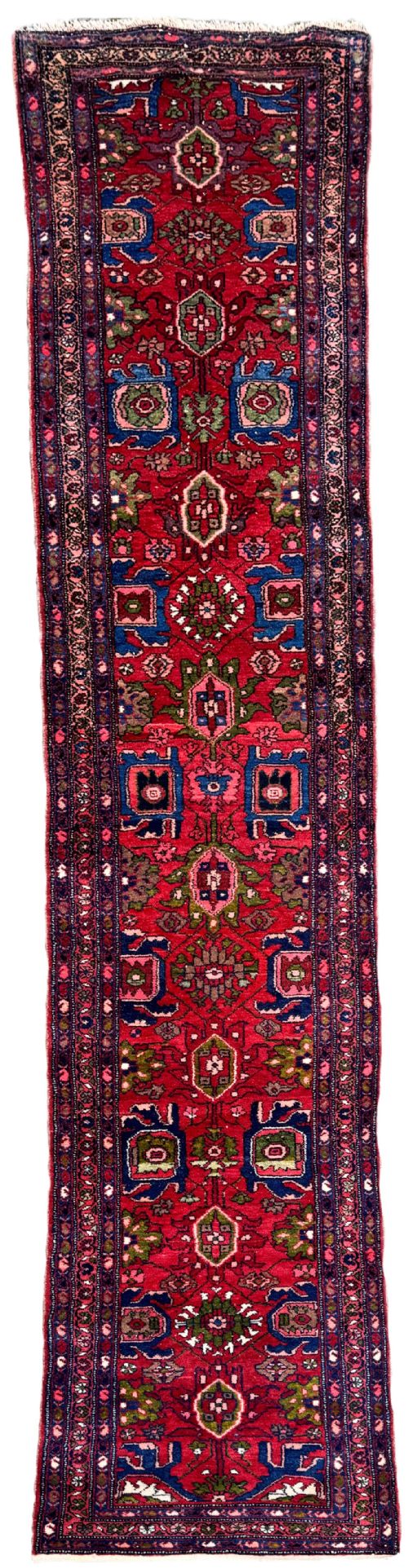
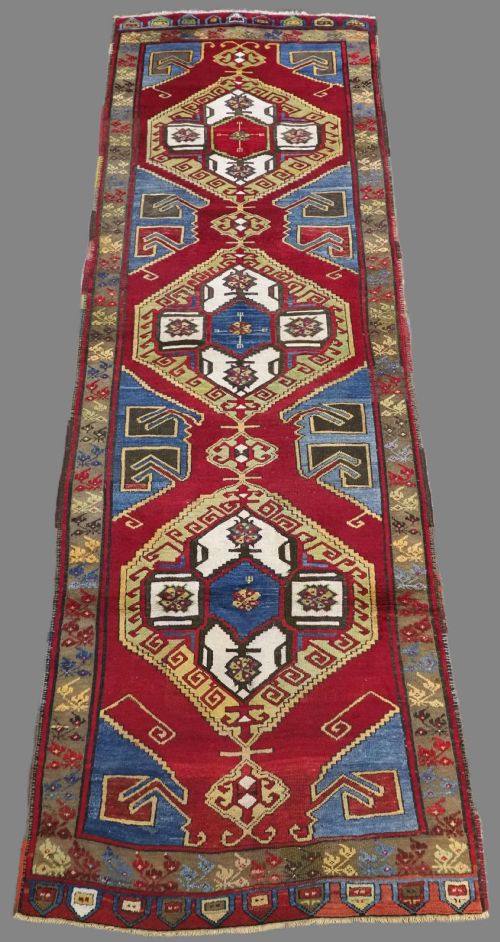
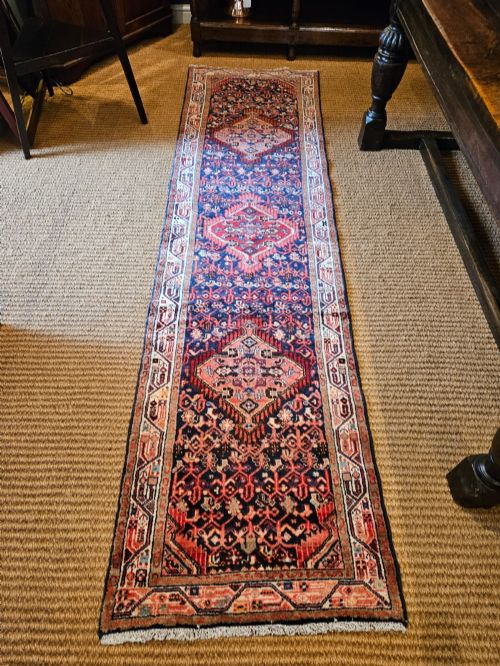
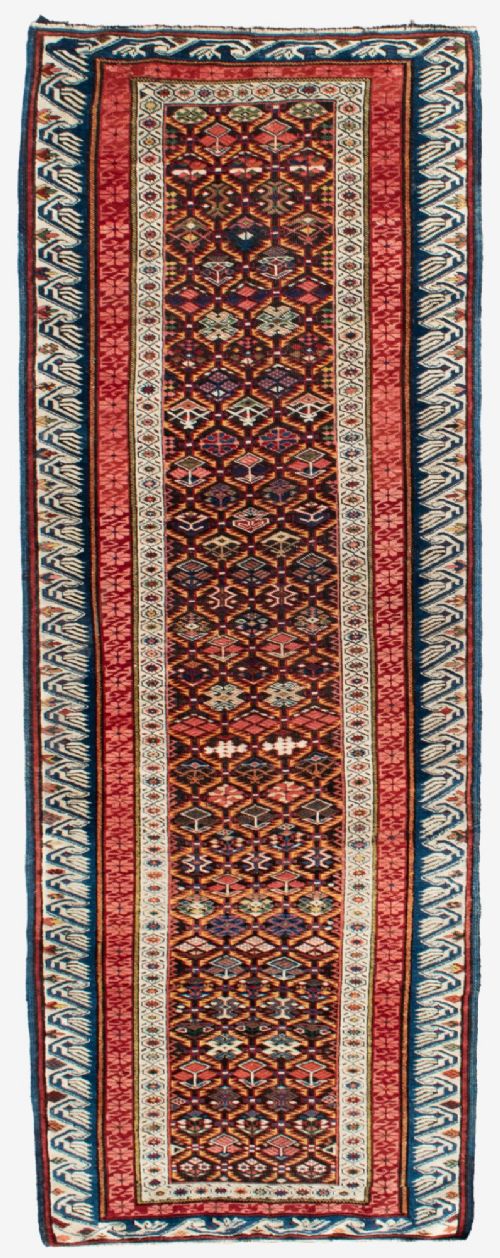
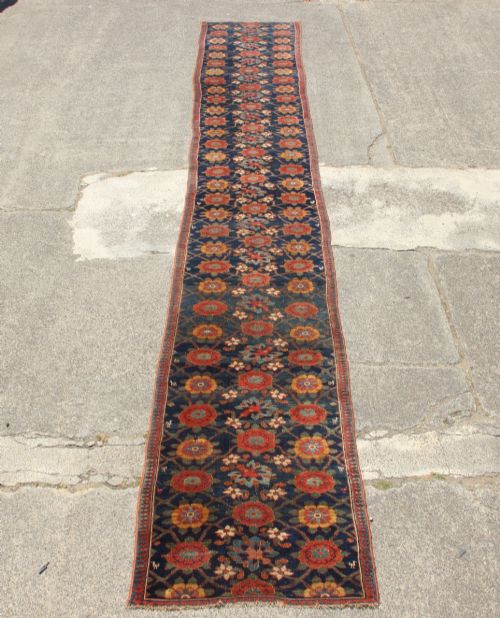
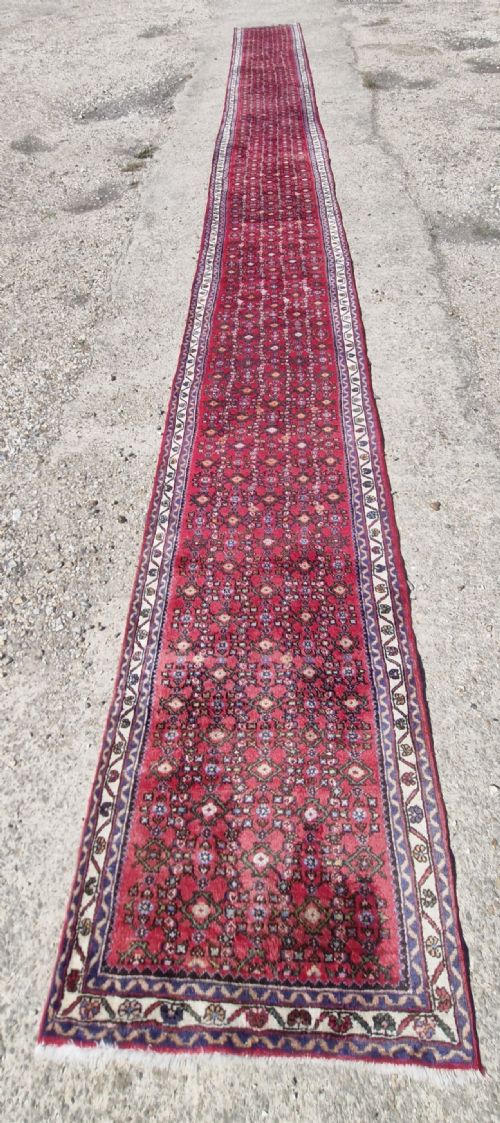

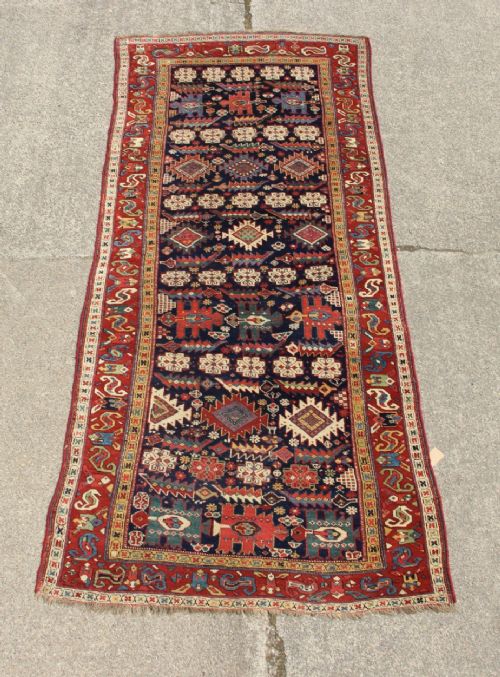
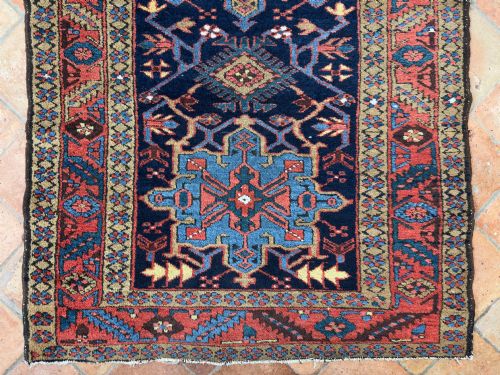

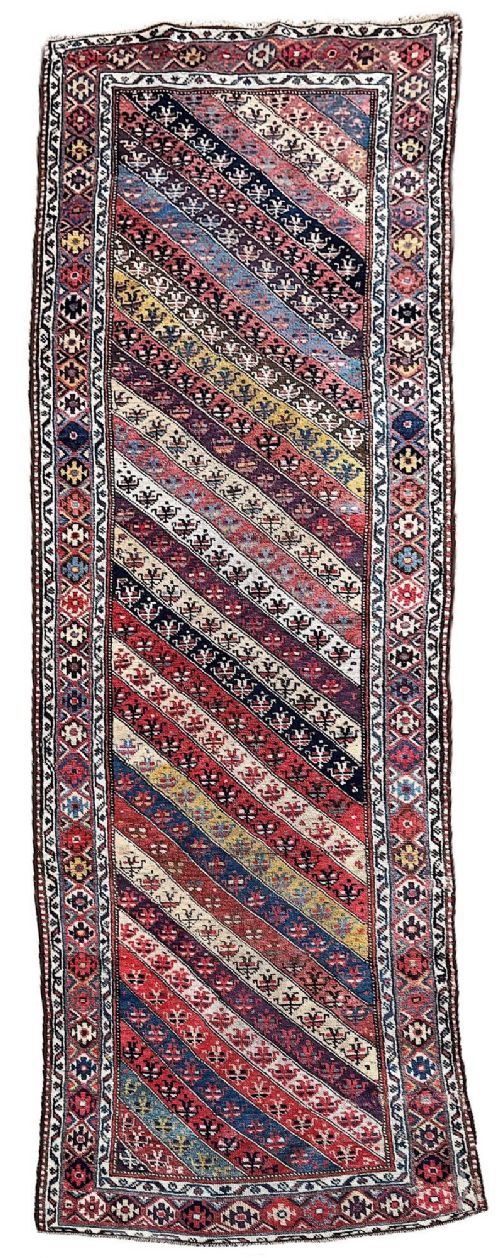
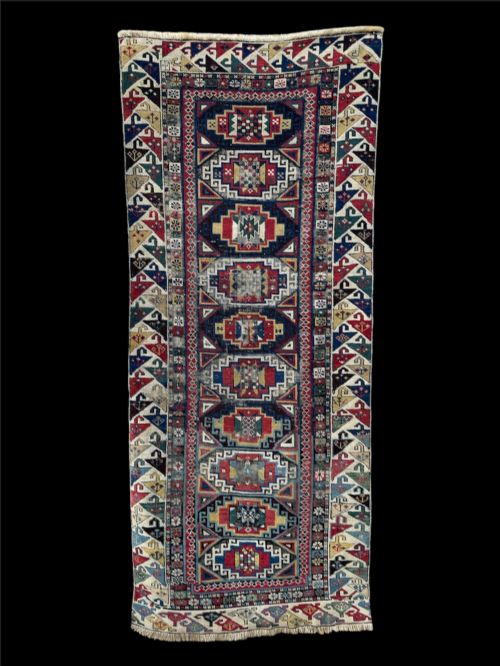
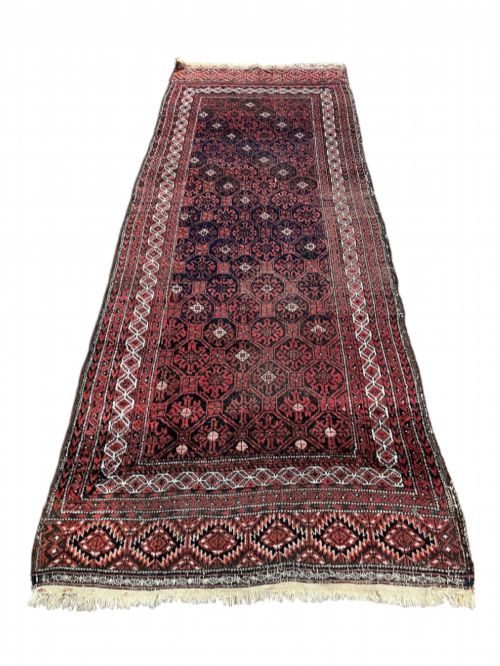
Red Wool Corridor Runner
A red wool corridor runner brings warmth and pattern to long hallways, grounding narrow spaces with traditional tribal and village weaving.
Red Wool Corridor Runner
A red wool corridor runner is a narrow, elongated textile designed specifically for hallways, landings and long passages. These pieces span from the mid nineteenth century through the early twentieth century, originating primarily from Persian, Caucasian and Anatolian weaving traditions.
The selections available here emphasise tribal and village workshops, including Heriz, Hamadan, Kurdish, Kazak and Shirvan designs. Such runners serve to protect high traffic floorboards while introducing deep madder reds and geometric or floral motifs to domestic interiors.
Most examples measure significantly longer than they are wide, adapting to the dimensions of older corridors and entrance halls. They reflect the utilitarian yet artistic output of nomadic and settled weavers across the Near East.
How they were made
These runners rely on natural wool for both the pile and the foundational structure, often paired with cotton for warps and wefts in specific regional groups. Hand-spun wool provides the tactile weight and variable texture characteristic of nineteenth and early twentieth century village production.
Weavers knotted the wool tightly onto vertical looms, employing traditional symmetrical or asymmetrical knotting techniques depending on the tribal origin. Natural dyestuffs, notably madder root for reds, created deep and enduring colour palettes that mellow gracefully over decades of use.
Current listings feature runner rugs spanning from eighteen fifty through nineteen sixty, utilising hand-spun wool and cotton across Persian, Caucasian and Anatolian traditions.
What varies in quality
Quality in a red wool corridor runner lies in the integrity of the wool, the saturation and depth of the natural dyes, and the crispness of the tribal design. Tighter knot counts and resilient hand-spun pile distinguish finer village work from simpler commercial production.
Structural preservation also dictates value, as runners endure heavy foot traffic along narrow pathways. Retaining original side cordings (selvedges) and end finishes indicates careful historic maintenance and superior initial construction.
The Red Wool Corridor Runner Glossary
- Runner
- A long, narrow carpet format intended for hallways, stairs and corridors. Their proportions measure length at several times the width.
- Madder
- A natural red dye derived from the roots of the Rubia tinctorum plant. It produces the rich, earthy reds foundational to Persian and Anatolian village weaving.
- Selvedge
- The finished side edges of a rug where the weft threads turn back. Original selvedges protect the structure from fraying.
- Knot count
- The density of knots per square unit of measurement. Higher counts often permit finer detail in geometric and floral fields.
- Warp
- The stationary lengthwise threads stretched on the loom. The pile knots are tied around these foundational cords.
Red Wool Corridor Runner: Frequently Asked Questions
How do I measure for a hallway runner?
Measure the clear floor space of your corridor, leaving an equal border of exposed wood or tile on all sides. Account for door clearance so the rug does not jam when interior doors swing open.
Ensure you check the maximum length possible without blocking heating vents or awkward transitions between rooms.
Are these runners durable for heavy traffic?
Traditional village and tribal runners utilise robust hand-spun wool and sturdy knotting designed for daily domestic use. Hallways experience concentrated footsteps, so a thick wool pile absorbs this friction effectively.
Pairing the runner with a quality underlay helps prevent slipping and cushions the textile against hard subfloors.
How do I distinguish regional styles?
Caucasian runners typically display bold geometric medallions and sharper, saturated primary colours. Persian examples such as Heriz or Hamadan often incorporate more intricate repeating botanical motifs and earthy tones.
Anatolian pieces from regions like Konya or Karapinar present distinctive tribal field arrangements and heavy wool structures.
How should I clean an antique runner?
Vacuum gently using suction only, avoiding rotating brush bars that can pull at historic wool pile. Professional specialist cleaning remains essential for deep maintenance to protect natural dyes.
Address accidental spills immediately by blotting with a dry cloth rather than rubbing the moisture deeper into the fibres.