
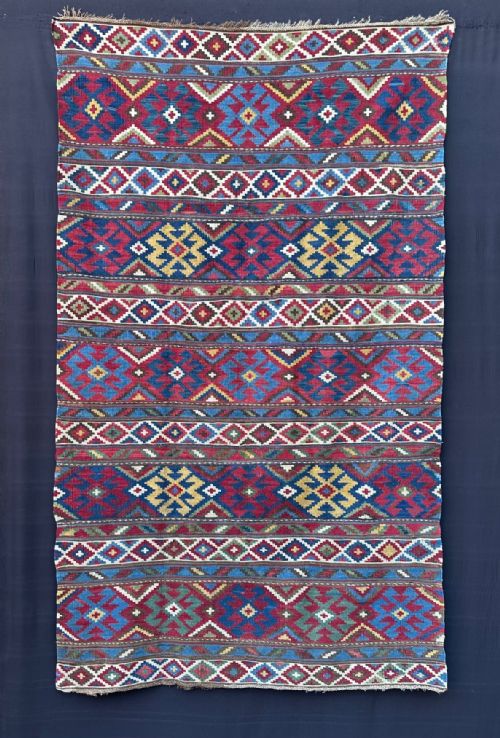
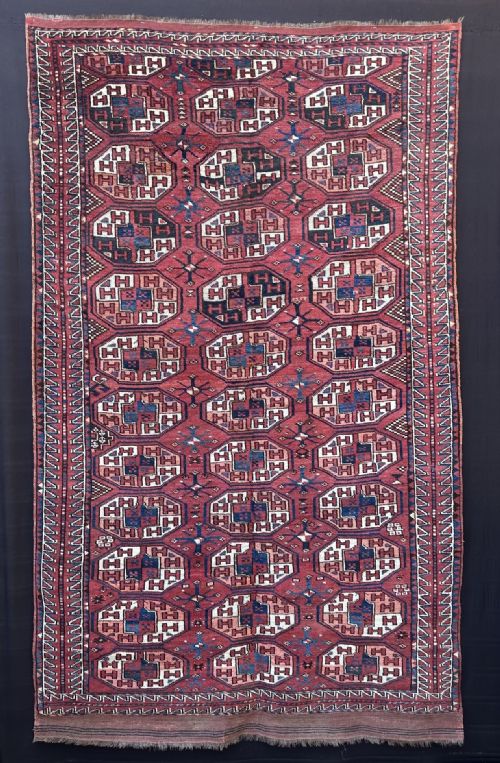



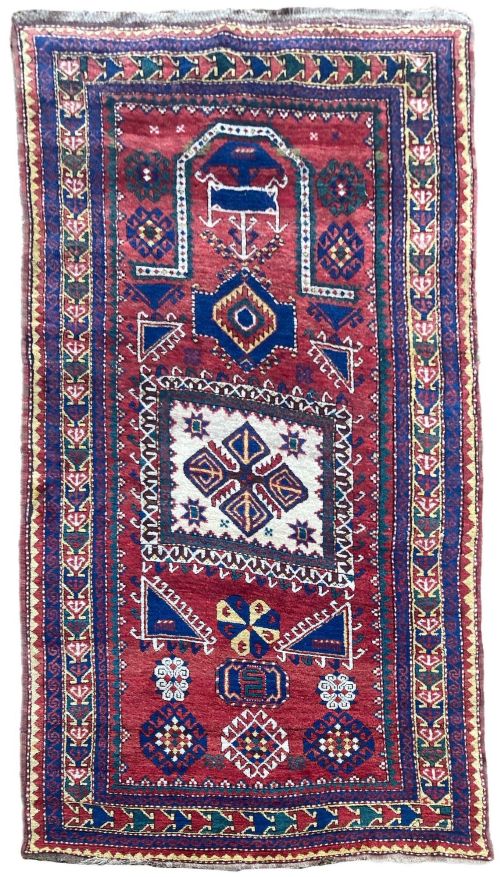
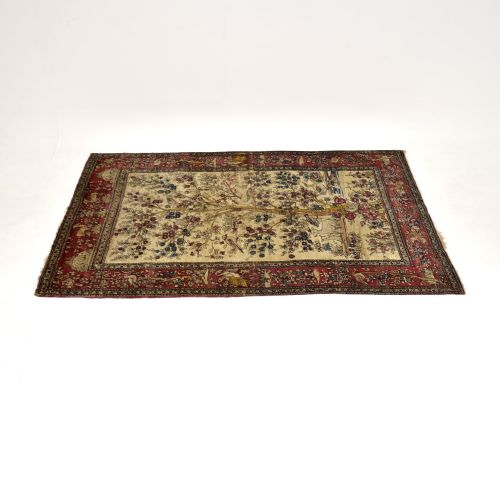
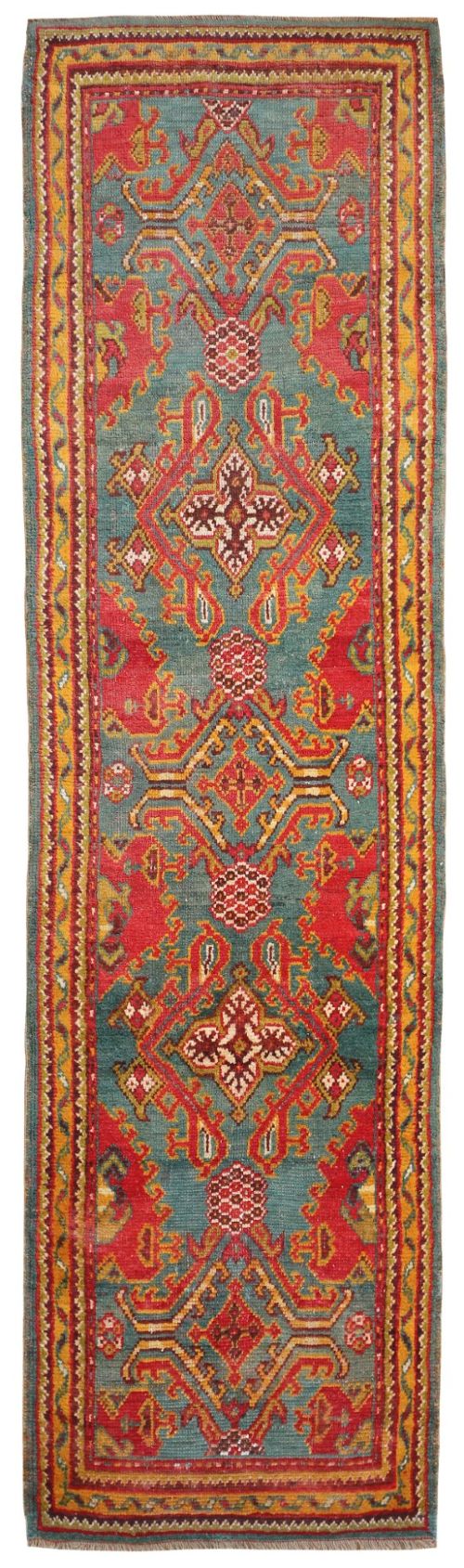
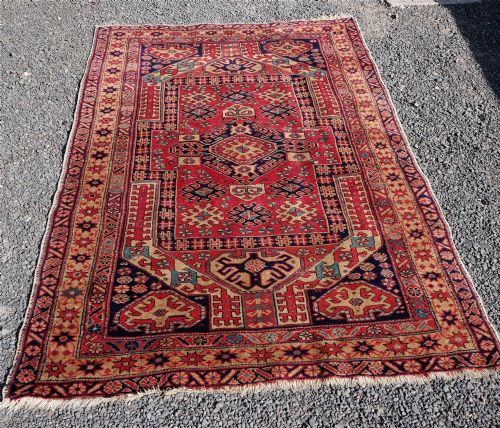
Red Wool Area Carpet
These red wool area carpet selections offer traditional Persian designs and tribal motifs, bringing lasting warmth and character to your floor.
Red Wool Area Carpet
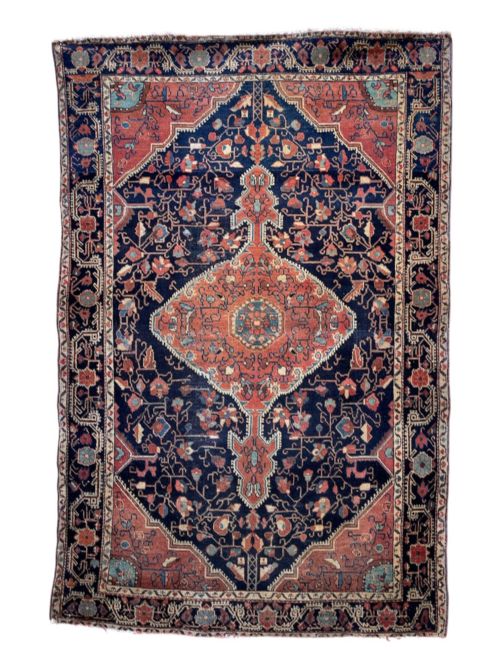
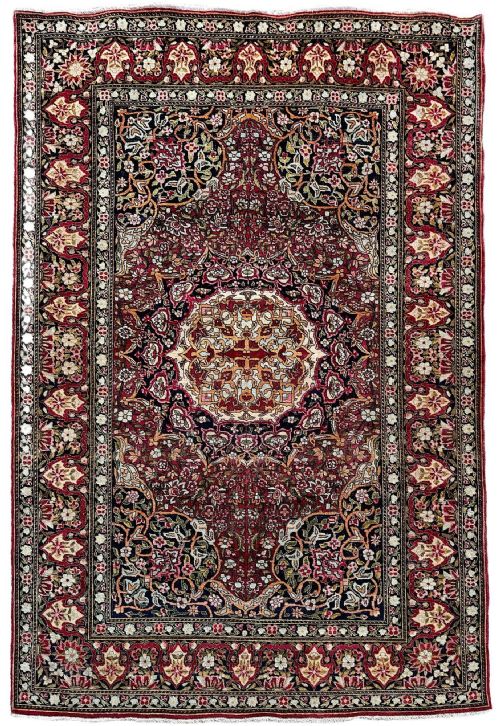
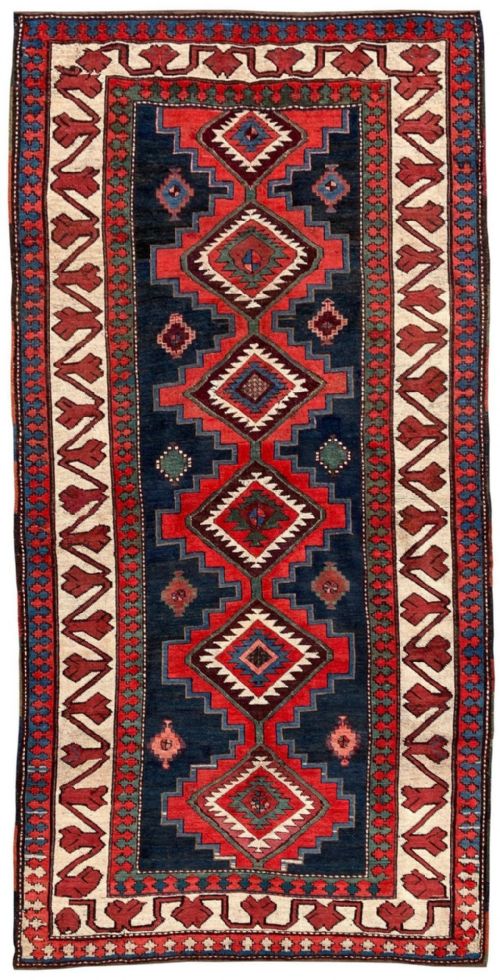
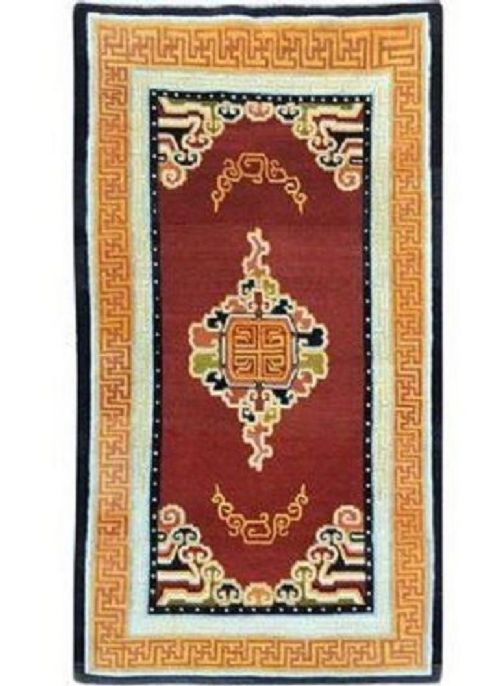
A red wool area carpet brings together traditional Persian patterns and village styles spanning the late nineteenth and early twentieth centuries. When you search for this phrase, you meet woven carpets originating from various Persian workshops and tribal regions.
These floor coverings date from periods around 1880, 1890, 1900, 1910, 1920, and 1930. They survive in various dimensions, functioning primarily as functional area rugs and carpets for interior spaces.
How they were made
These pieces are constructed using natural wool for the pile and cotton for the foundational warp and weft structures. Artisans knotted the wool by hand onto the cotton foundation to create durable floor coverings.
The construction methods reflect traditional Persian and tribal weaving techniques passed down through generations. Natural dyes produced the intense colours and deep red hues seen across the pieces.
Red Wool Area Carpet Retail Price Guide 2026
Typical asking prices for red wool area carpet among the pieces listed under this phrase on Sellingantiques today, from the lower quarter to the upper quarter. They describe what is for sale here now, not the wider market.
What varies in quality
Quality in these carpets rests upon the precision of the knotting and the complexity of the regional design. Finer weaving allows for crisper execution of traditional floral medallions and tribal patterns.
The depth and vibrancy of the wool dyes also determine the visual impact of the piece. Carpets with intense colours and well-preserved structural integrity sit at the upper end of the range.
The Red Wool Area Carpet Glossary
- Pile
- The upright wool fibres forming the usable surface of the carpet. This soft layer absorbs wear and displays the woven pattern.
- Warp
- The foundational vertical threads stretched on the loom before knotting begins. Cotton warps provide stability and strength to the structure.
- Weft
- The horizontal threads passed through the warp threads to lock the knots in place. Together with the warp, it forms the sturdy backing of the rug.
- Medallion
- A central ornamental design motif placed in the middle of the carpet field. Traditional Persian rugs frequently utilise this symmetrical focal point.
- Tribal
- A descriptive term for rugs woven by nomadic or village groups rather than city workshops. These pieces often feature geometric motifs and spontaneous designs.
Red Wool Area Carpet: Frequently Asked Questions
What is a red wool area carpet?
A red wool area carpet is a hand-knotted floor covering featuring wool pile on a cotton foundation, originating from Persian and tribal regions during the late nineteenth and early twentieth centuries.
These pieces showcase traditional regional patterns including floral medallions and village motifs executed in rich red colourways.
Where were these rugs made?
These carpets were woven in various specific districts and tribal regions of Persia, including the territories associated with Afshar, Bijar, Sarouk, Qashqai, Karaja, Kurdish, Khamseh, and Tabriz weavers.
Each region developed distinct weaving methods, material choices, and design vocabularies that distinguish their carpets today.
How do I care for my rug?
Living with a antique wool carpet requires gentle maintenance such as regular light vacuuming without a beater bar and prompt attention to spills. Keeping the rug out of direct sunlight helps protect the natural wool dyes from fading.
Professional cleaning tailored to antique textiles ensures the wool pile and cotton foundation remain preserved for years to come.
How do I tell regional styles apart?
Distinguishing regional styles involves examining the specific motifs, colour combinations, and structural characteristics unique to each weaving tradition. City workshops like Tabriz or Sarouk often display refined floral compositions, whereas tribal pieces like Qashqai or Khamseh feature geometric village designs.
Comparing the handling of the wool and the knot density provides further clues to a carpet's specific geographic origin.