
Red Victorian Armchair
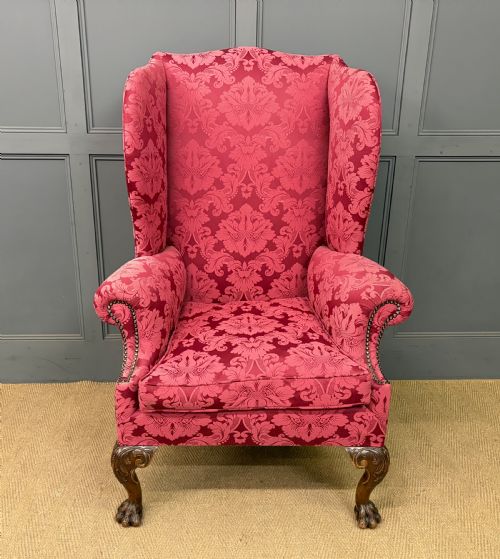
A red victorian armchair brings substantial nineteenth-century presence and rich colour to a room through deep upholstery and dark timber frames.
Red Victorian Armchair
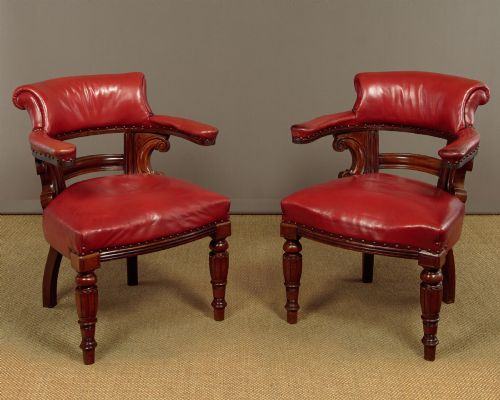
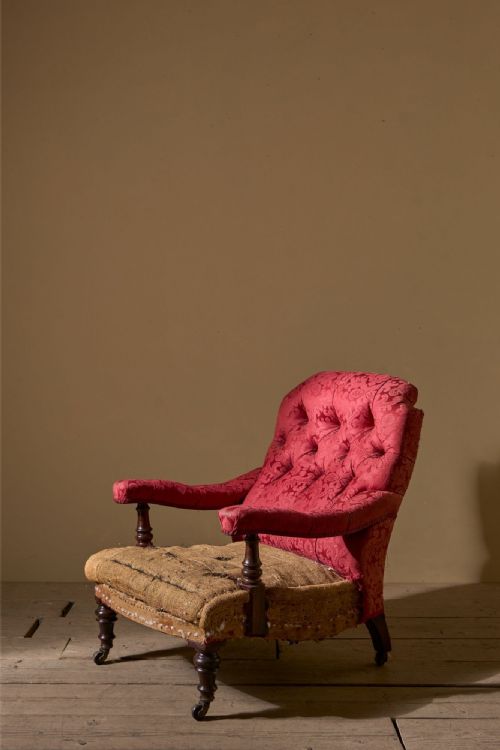
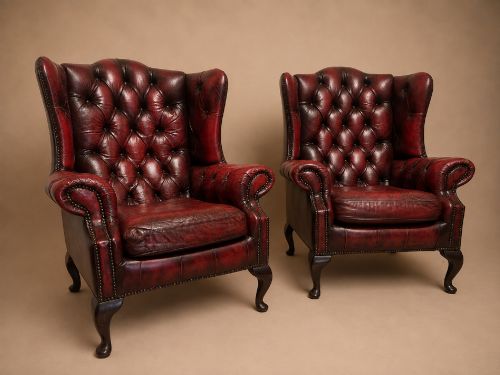
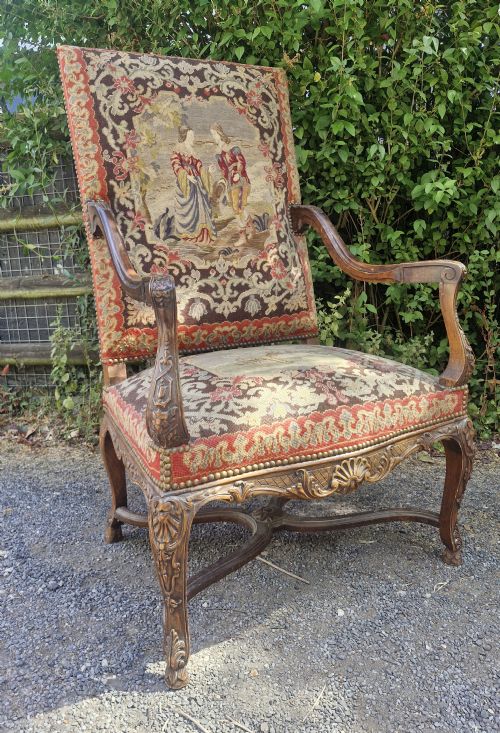
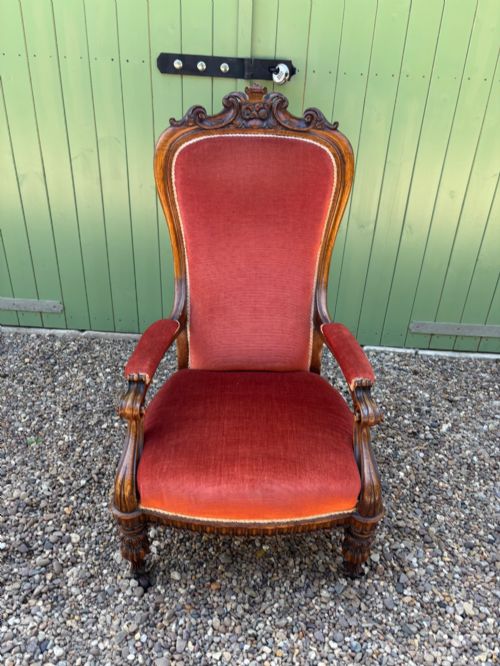
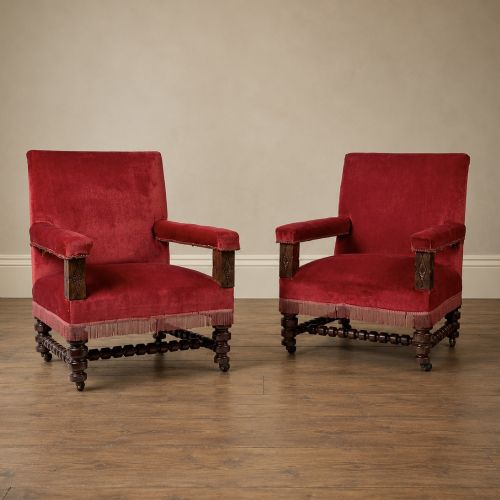
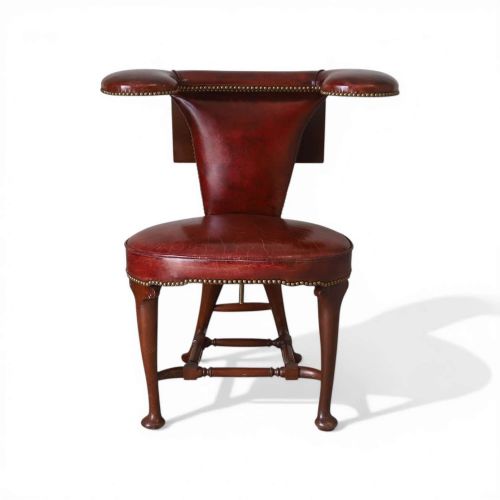
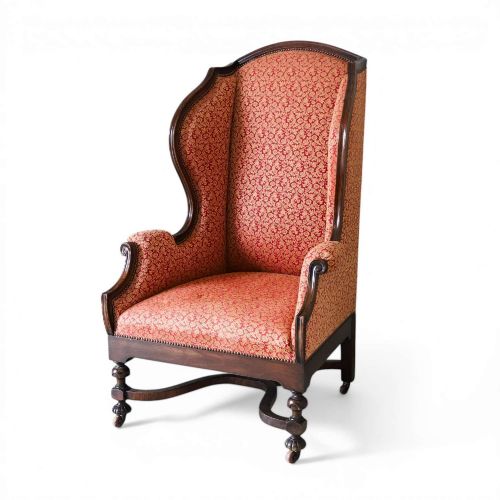
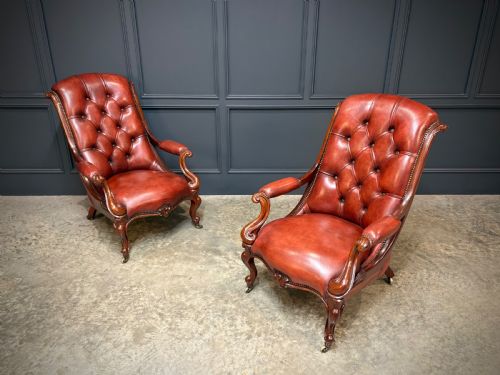
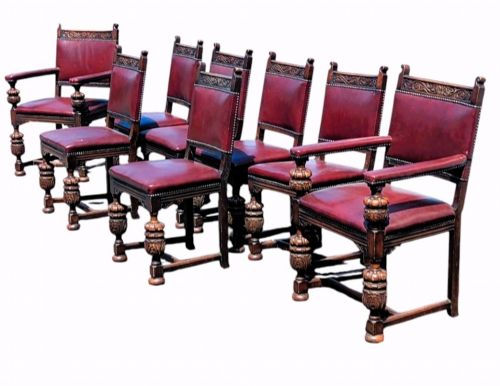
Buyers frequently encounter buttoned leather library chairs, velvet fireside seats and carved walnut frames bearing deep red tones. These pieces combine robust timber construction with sprung upholstery designed for extended comfort.
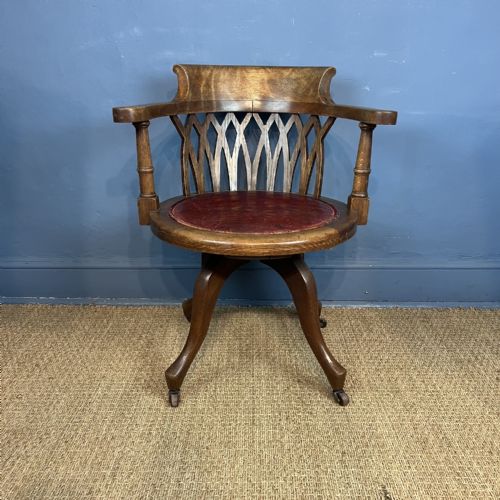
The selection extends to revolving desk chairs, slipper chairs and reading seats originating from the nineteenth and early twentieth centuries. Each type reflects specific period domestic habits, from formal study to fireside relaxation.
How they were made
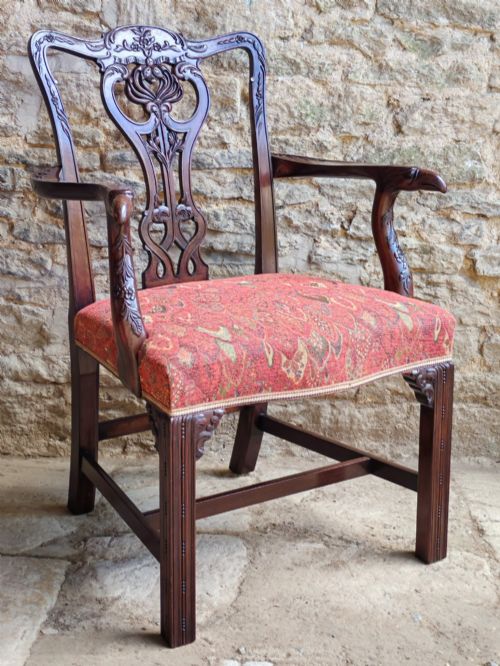
Makers constructed the structural frames of these armchairs using dense hardwoods such as mahogany, oak, walnut and rosewood. These timbers were frequently carved with decorative motifs, barley twists or clean lines depending on the prevailing style.
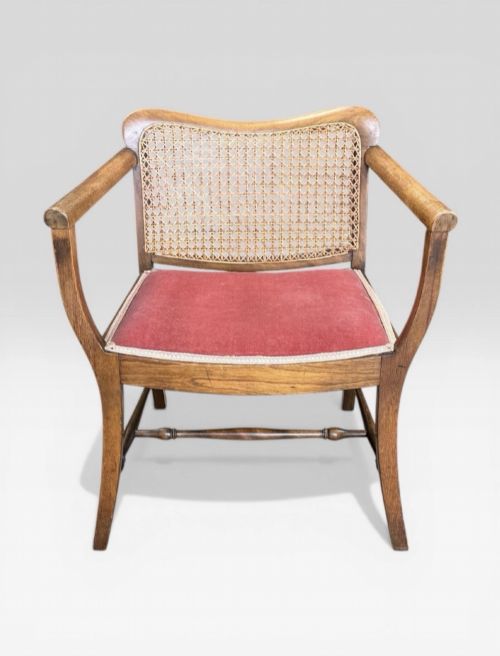
Upholstery involved traditional methods utilising durable textiles like leather, velvet and needlework secured over coiled springs and webbing. Brass castors, studs and cane work frequently finished the pieces to enhance mobility and visual texture.
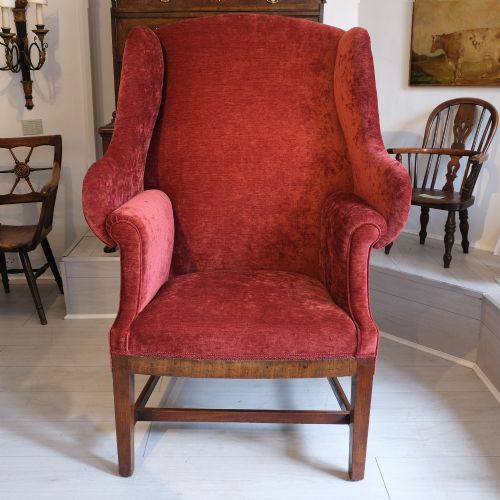
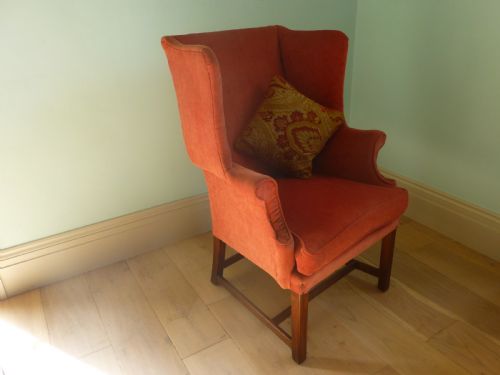
The documented forms span library chairs, slipper seats, wingbacks and revolving desk chairs from the Victorian era.
What varies in quality
The standard of craftsmanship shows in the depth and execution of the frame carving, the stability of the joinery and the selection of primary timbers. Superior examples display crisp detailing, substantial proportions and high-grade materials throughout the internal structure.
Preservation of original upholstery materials, stamped maker details or associated provenance elevates an armchair's standing among collectors. The integrity of the frame and the quality of the timber grain ultimately distinguish finer workshop output from standard commercial production.
Howard and Sons·James Shoolbred·Gillows·S and H Jewell·John Reid and Sons·Cope and Collinson
The Red Victorian Armchair Glossary
- Wingback
- An upholstered armchair with side panels designed to shield the occupant from drafts. These protective extensions became a hallmark of comfortable fireside seating throughout the nineteenth century.
- Library chair
- A substantial armchair built for reading rooms, frequently finished in dark leather or velvet. Such seats often feature generous proportions and robust hardwood frames.
- Button back
- An upholstery technique where depressions are created by securing buttons through the padding at regular intervals. This method yields a diamond-patterned surface often seen on Victorian velvet and leather chairs.
- Barley twist
- A decorative turning technique resembling a spiralling rope applied to furniture legs and supports. This carved detail appears frequently on nineteenth-century oak and walnut frames.
- Slipper chair
- A low-seated upholstered chair originally designed for bedrooms to assist with dressing. These compact forms typically feature short legs and supportive padded backs.
Red Victorian Armchair: Frequently Asked Questions
What is a red victorian armchair used for?
These armchairs served various domestic functions ranging from fireside reading to study seating and bedroom dressing. Their robust construction and comfortable padding made them central pieces in nineteenth-century reception rooms.
Today, they provide functional seating while introducing traditional period character and strong colour to contemporary interiors.
How do I identify a Victorian armchair?
Identification relies on observing characteristic nineteenth-century timber choices such as mahogany, walnut and oak, combined with period upholstery styles like button-backed velvet or leather. Details such as turned barley twist legs or maker stamps often confirm the era.
Comparing the proportions and joinery methods against known nineteenth-century workshop standards helps verify authenticity.
Are these armchairs comfortable for daily use?
Most examples were built with traditional coiled springs and deep padding designed for extended sitting periods. Their generous dimensions and supportive backs make them practical for regular lounging.
Buyers should assess the internal spring condition and firmness of the padding to ensure the seat meets their comfort preferences.
How do I care for leather and velvet upholstery?
Leather surfaces require regular conditioning with appropriate balms to prevent drying and cracking over time. Gentle dusting and professional cleaning methods preserve the pile of antique velvet.
Keeping these materials away from direct sunlight and excessive heat sources prevents fading and degradation of the fabric.