
Red Tribal Wall Hanging
A red tribal wall hanging brings tactile warmth and centuries of nomadic heritage directly into a modern interior.
Red Tribal Wall Hanging
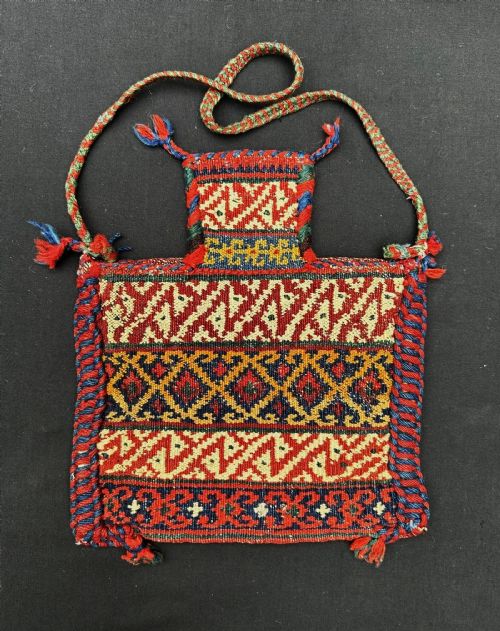
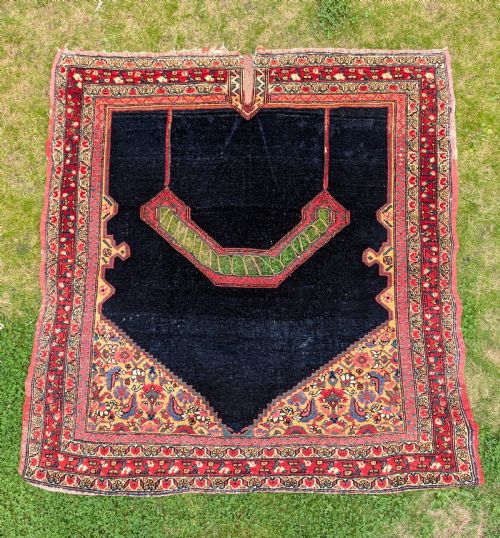
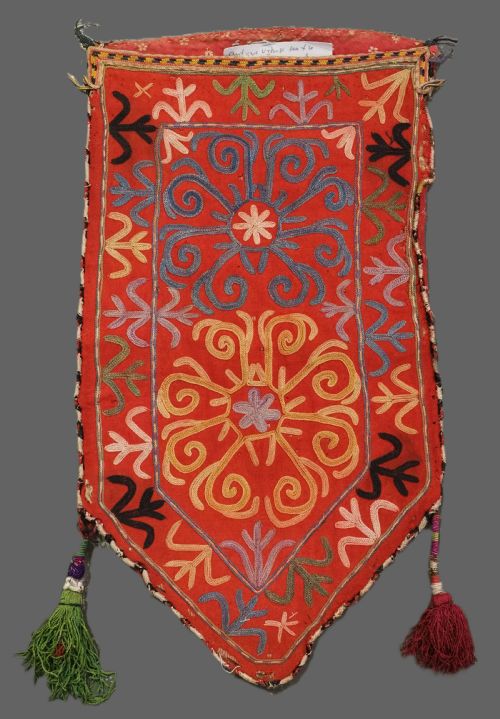
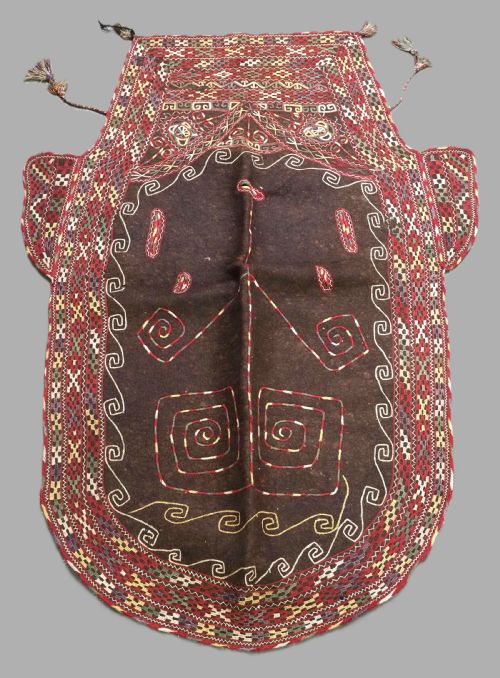
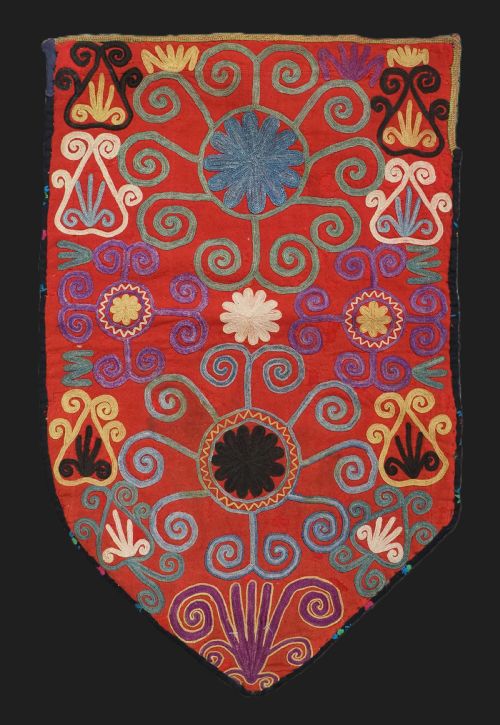
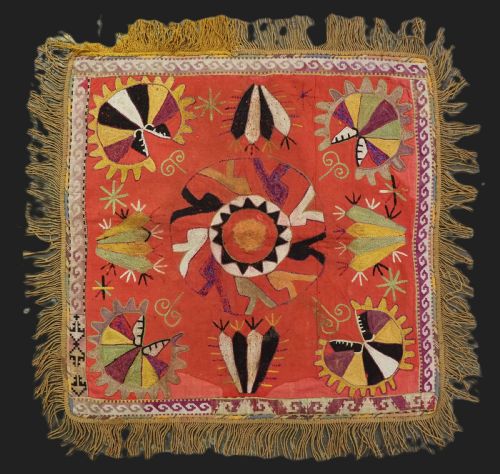
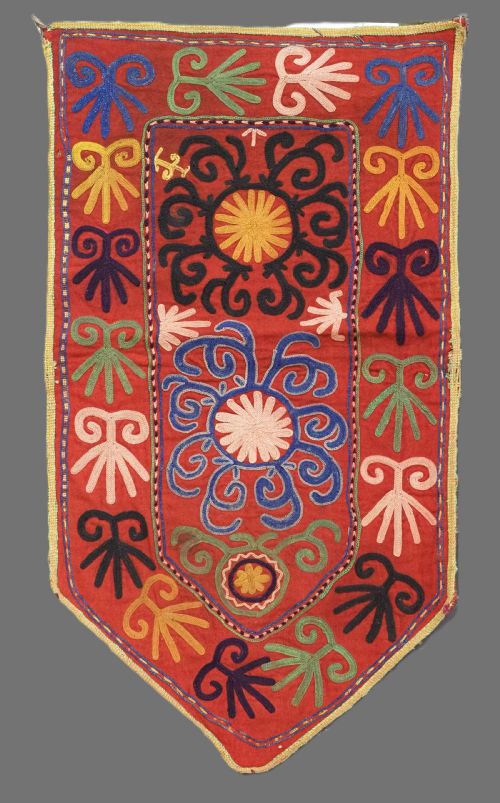
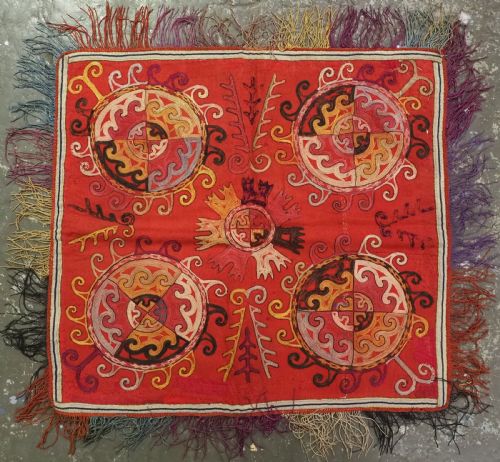
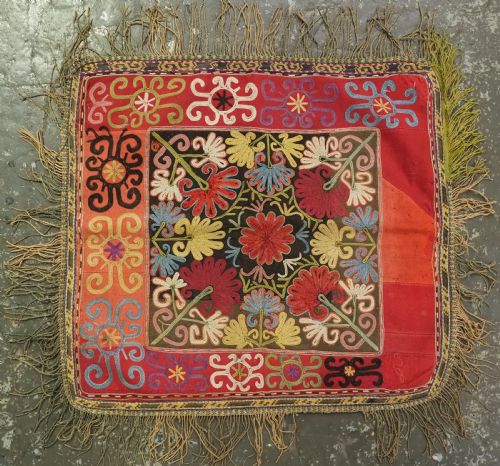
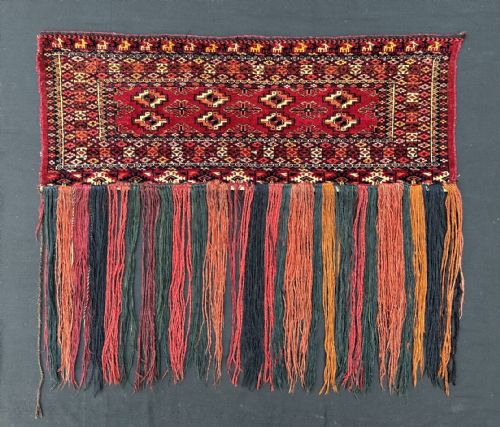
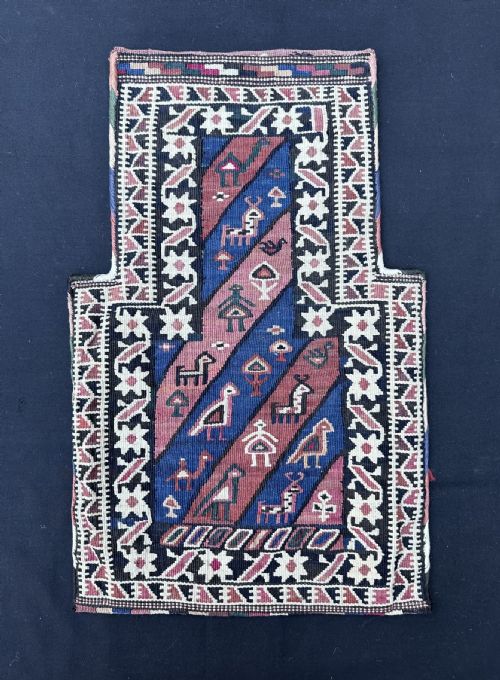
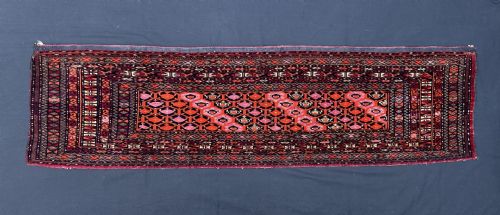
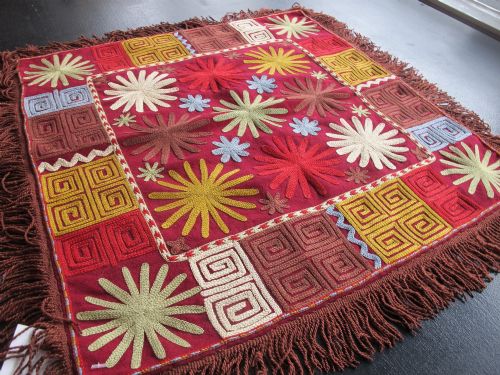
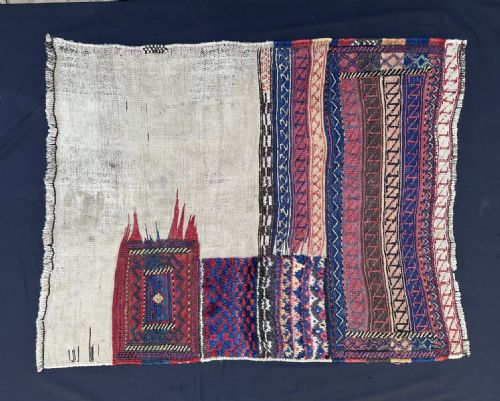
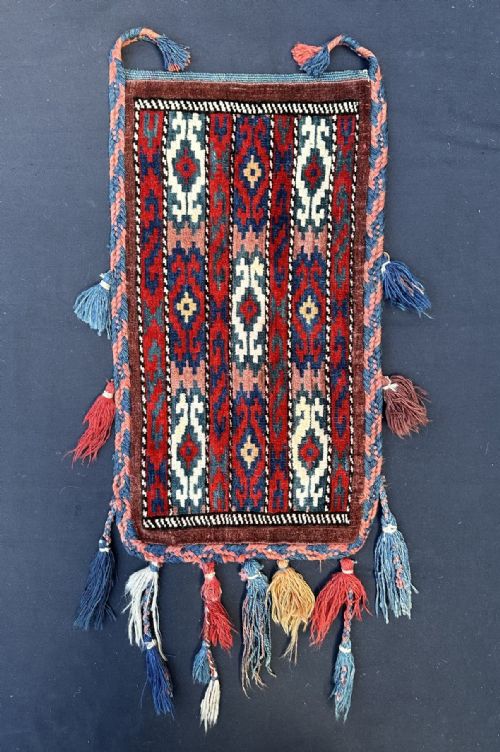
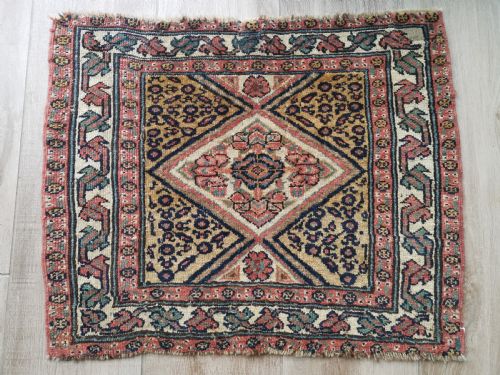
A red tribal wall hanging encompasses antique utilitarian textiles, dowry embroideries, and animal trappings repurposed for display. Buyers searching this phrase most frequently encounter Central Asian embroideries and Persian tribal bags created by nomadic groups.
The material forms range from Uzbek Lakai tribe ilgiches and horse covers to Yomut Turkmen ceremonial blankets and Qashqai bagfaces. These objects originate from nineteenth and early twentieth-century communities across Persia, Turkmenistan, and Uzbekistan.
Many of these items functioned originally as storage sacks, saddle covers, or tent decorations before finding new life as wall art. Their geometric motifs and crimson grounds reflect the specific tribal identities and regional aesthetics of their makers.
How they were made
Makers utilised hand-spun wool, cotton, and felted wool as foundations for these textiles, often combining structures with silk thread embroidery. Natural dyes provided the deep reds and contrasting tones that define the visual impact of the pieces.
Nomadic artisans employed intricate needlework and knotting techniques, producing dense surface patterns designed to withstand practical use. Felt and woven structures were frequently embellished with supplementary threads to create tactile relief.
Red Tribal Wall Hanging Retail Price Guide 2026
Typical asking prices for red tribal wall hanging among the pieces listed under this phrase on Sellingantiques today, from the lower quarter to the upper quarter. They describe what is for sale here now, not the wider market.
Listings feature wool, cotton, silk, and natural dyes across nineteenth and early twentieth-century periods.
What varies in quality
The vitality of the natural dye palette and the saturation of the red hues influence the visual strength of each textile. Subtle shifts in colour depth arise from traditional dyeing methods and the quality of the base wool.
Execution of the motifs, the precision of the needlework, and the complexity of the tribal design structure set individual examples apart. Intact original edges and well-preserved embroidery threads contribute to the overall integrity of the textile.
The Red Tribal Wall Hanging Glossary
- Ilgich
- A Central Asian dowry embroidery piece created by tribes such as the Uzbek Lakai, often utilised today as a wall hanging. These textiles feature dynamic geometric stitching on felt or fabric grounds.
- Asmalyk
- A large, pentagonal Yomut Turkmen trapping traditionally hung on the flank of a camel during wedding processions. They display characteristic tribal gull motifs in rich red wool.
- Torba
- A small Turkmen storage bag woven with wide proportions and displayed inside the yurt. Collectors value them for their balanced field designs and secondary border patterns.
- Sofreh
- A woven or embroidered spread used during meals or dough preparation by nomadic groups such as the Timuri. These flat-woven pieces often showcase minimalist geometric symbols.
- Bagface
- The decorative front panel of a utilitarian nomadic bag, preserved after the plain backing wore away. They encapsulate the primary design vocabulary of tribes like the Qashqai and Afshar.
Red Tribal Wall Hanging: Frequently Asked Questions
How were these tribal textiles used originally?
Nomadic communities used these pieces for daily storage, transport, and ceremonial processions. Items like salt bags, bread sofhrehs, and saddle covers served practical functions within the tent.
Ceremonial trappings adorned horses and camels during weddings and tribal gatherings. Their designs often carried protective symbols and identified the specific clan of the maker.
How do I care for a textile wall hanging?
Display the textile away from direct sunlight to prevent the natural red dyes from fading over time. Gentle mounting techniques that distribute weight evenly across the fabric help preserve the structure.
Avoid using harsh cleaning agents or water on antique wool and silk embroidery. Periodic light vacuuming through a mesh screen removes surface dust safely.
How can I tell different tribal designs apart?
Tribal designs vary according to the specific region and nomadic group, such as the Yomut Turkmen or the Uzbek Lakai. Turkmen pieces frequently feature repeating octagonal gull motifs in deep madder reds.
Lakai embroideries display energetic, asymmetrical applique and couched stitching in bright silk threads. Persian tribal work often incorporates sharper geometric medallions and animal forms.