




Red Tribal Torba
When you search for a red tribal torba, you are looking at nineteenth-century Central Asian storage bags woven by nomadic tribes to hold household goods.
Red Tribal Torba
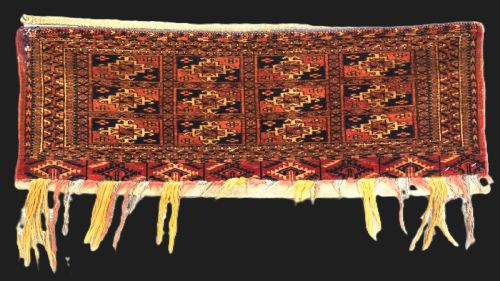
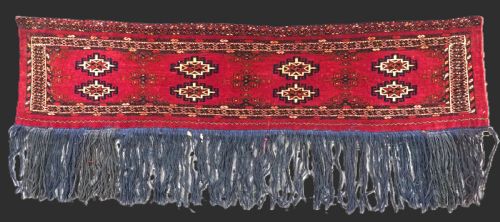
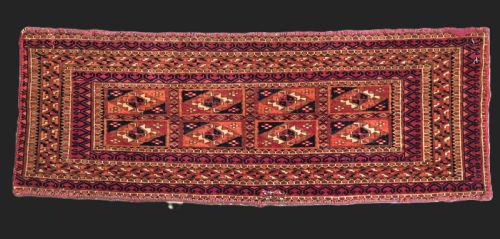
A red tribal torba is a traditional Central Asian bag face or complete storage pouch created by Turkmen and related nomadic groups during the nineteenth century. These utilitarian textiles were woven to hang inside a yurt or serve practical roles in tribal life, frequently displaying deep madder red grounds.
The selections encountered here span various tribal traditions, including Tekke, Saryk, Yomut, and Ersari groups, alongside Lakai Uzbek examples. Pieces range from complete bags retaining their plain weave backs to individual bag faces and surviving fragments.
Forms vary from standard multi-gul torbas to specialised storage pieces and smaller format bags. Collectors and interior decorators seek them for their rich coloration and tribal iconography.
How they were made
Weavers constructed these textiles predominantly using hand-spun wool and natural dyes, occasionally incorporating cotton foundations and silk highlights for contrast. The wool was tightly knotted or flatwoven to ensure durability in nomadic environments.
Natural dyestuffs provided the characteristic deep red and madder grounds that define the palette. Skilled artisans utilised traditional tribal motifs such as gul medallions, kedjebe designs, and curled leaf patterns, executed with precise botanical and mineral colours.
Red Tribal Torba Retail Price Guide 2026
Typical asking prices for red tribal torba among the pieces listed under this phrase on Sellingantiques today, from the lower quarter to the upper quarter. They describe what is for sale here now, not the wider market.
Nomadic weavers packed these little bags with dowry items so densely that even camels walked with extra artistic pride.
What varies in quality
Quality in these nomadic bags is determined by the fineness of the weave, the clarity of drawing, and the depth of the natural dyes. Tighter knotting and precise geometric execution separate master-woven examples from standard utilitarian work.
The vitality and saturation of the red ground palette, alongside the preservation of original backs and borders, heavily influence the standing of an individual piece within the field.
Tekke Tribes·Yomut Tribes·Saryk Turkmen·Ersari Turkmen·Lakai Uzbeks
The Red Tribal Torba Glossary
- Torba
- A small Turkmen storage bag traditionally used inside a tent for holding personal belongings or household items. These pieces were vital components of nomadic domestic life and dowry arrangements.
- Gul
- A primary octagonal or repeating medallion motif used across Central Asian tribal weaving. Each tribal group utilised distinct gul variations to signal lineage and identity.
- Mafrash
- A rectangular storage bag or valise used for bedding and transport during nomadic migrations. They often share design vocabulary with torbas.
- Asmalyk
- A large pentagonal or hexagonal camel trapping used in wedding processions. Their design elements occasionally appear in smaller torba formats.
- Kepse gul
- A specific diamond-latticed motif associated primarily with Yomut tribal weaving. It creates a dynamic repeating pattern across the textile field.
Red Tribal Torba: Frequently Asked Questions
What is a red tribal torba used for?
These textiles served as functional storage bags inside nomadic tents, holding small possessions, garments, or tribal goods. They were also woven as part of traditional dowries.
Today, collectors typically mount them as wall hangings or display them as decorative tribal rugs within domestic interiors.
How do I tell different tribal designs apart?
Different tribal groups utilised signature medallions known as guls, such as the Tekke guls or Yomut kepse patterns. Palette choices and border structures also help distinguish between Tekke, Saryk, Yomut, and Ersari work.
Examining the weave structure and secondary colours provides further clues to tribal origin.
Are these bags complete with backs?
Some pieces survive as complete pouches retaining their original plain weave wool backs, while others exist as individual bag faces. Complete examples offer a fuller picture of how the storage containers were constructed.
Both complete torbas and bag faces are common forms found within nineteenth-century Central Asian textiles.
How do I care for an antique textile?
Keep these wool and natural dye pieces out of direct sunlight to prevent fading of the red madder grounds. Gentle vacuuming with a screen attachment helps remove dust without damaging the pile.
Professional textile conservators should handle any cleaning or structural stabilization.