








Red Tribal Runner Rug
A red tribal runner rug brings warmth and linear rhythm to a long hallway, woven by hand with enduring village and nomadic traditions.
Red Tribal Runner Rug
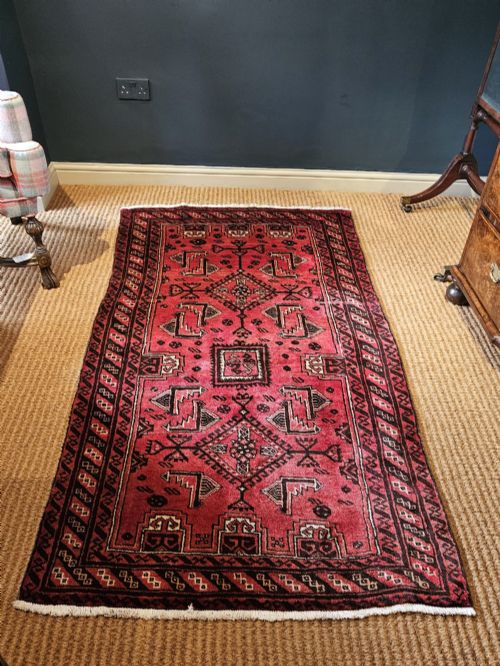
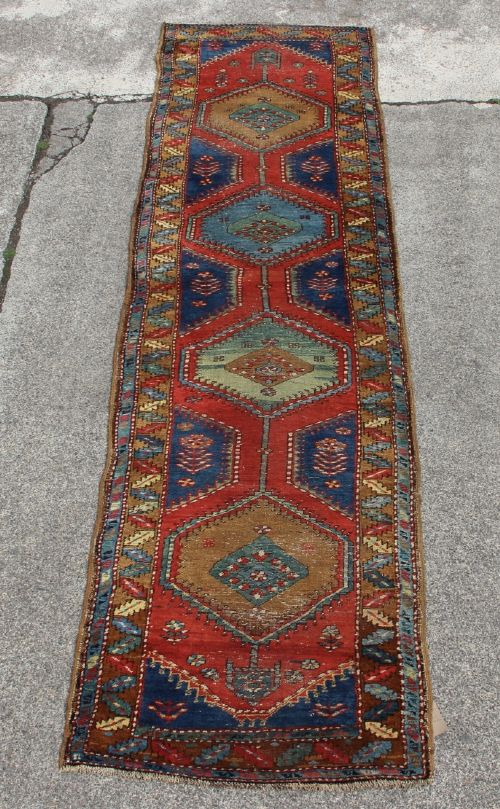
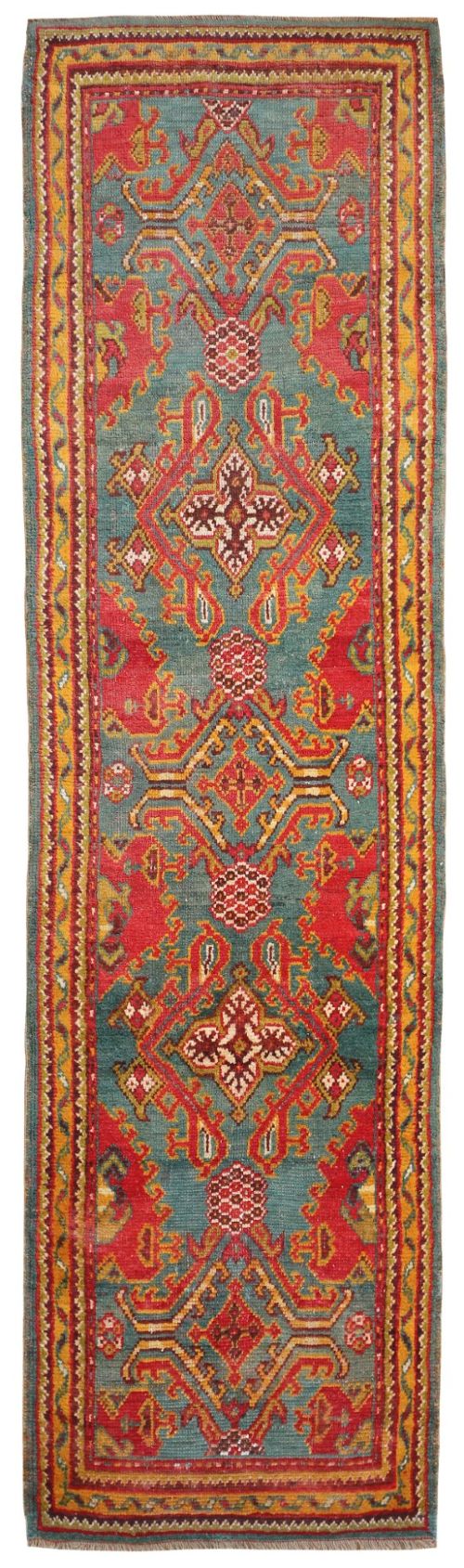
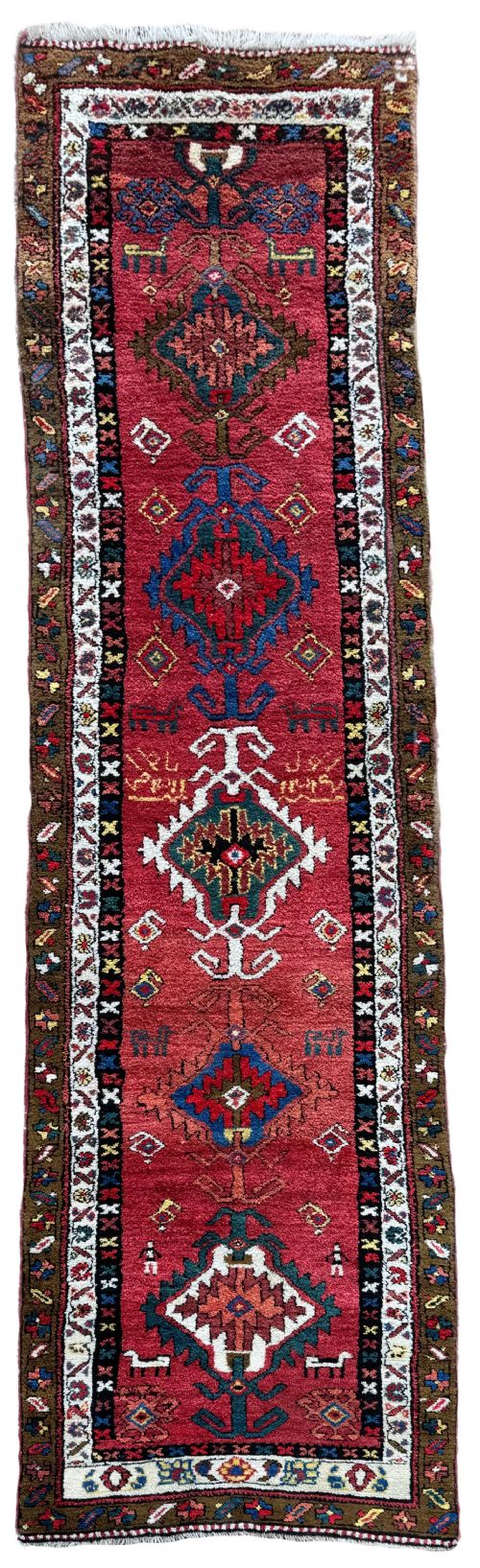
A red tribal runner rug is a long, narrow carpet produced by nomadic or village weavers across Persia, the Caucasus, Anatolia, and Central Asia. These textiles serve primarily as functional floor coverings for corridors, stairs, and narrow landings, combining bold geometric motifs with elongated formats.
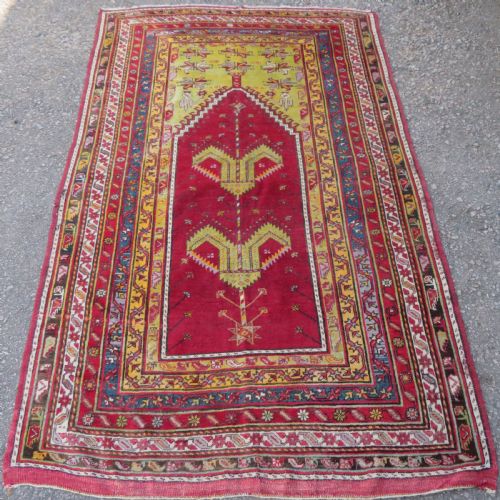
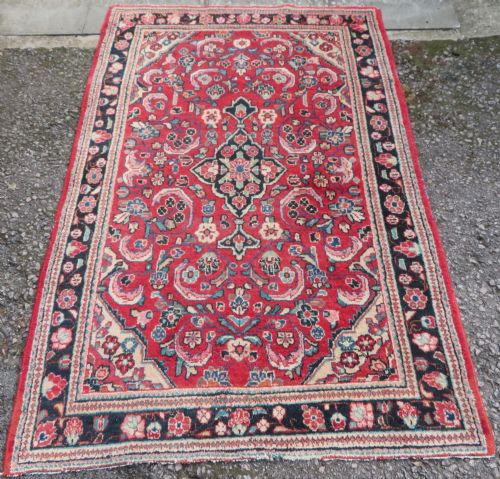
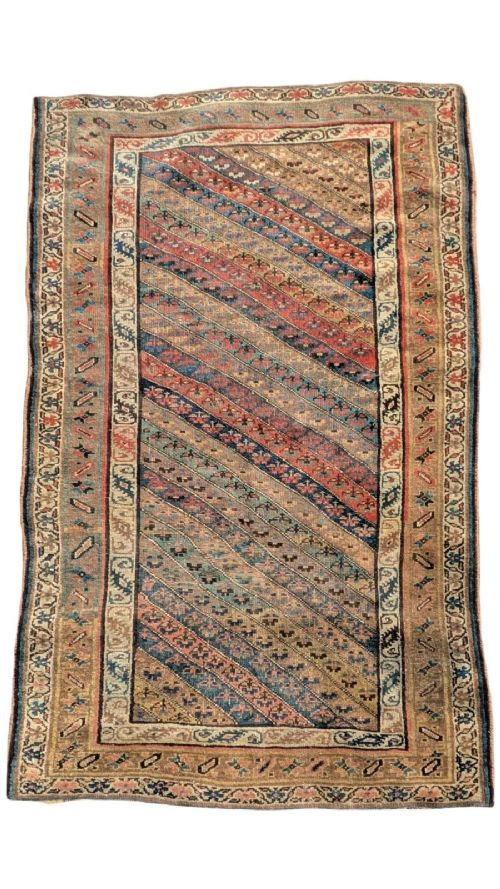
The pieces appearing on this page span from the nineteenth century into the mid twentieth century, encompassing styles such as Persian Tribal, Caucasian Tribal, and Baluch Tribal. Buyers frequently encounter formats originating from traditional weaving centres like Hamadan, Heriz, Kazak, and Kurdish districts.
Nomadic and village workshops typically designed these runners for domestic use rather than export, resulting in spontaneous compositions and rich, earthy madder red fields. Each example records the distinct weaving vocabulary of its specific tribe or region, from Caucasian lattice work to Anatolian geometric medallions.
Materials and construction
These runners rely on hand-spun wool for the pile, chosen for its resilience and capacity to hold saturated tones through years of foot traffic. Cotton foundations frequently provide structural stability for the warp and weft threads, particularly in village productions from Persia and Anatolia.
Weavers utilised natural dyes, notably madder root to achieve various shades of red, alongside indigo and plant-based yellows. The wool pile is hand-knotted onto the foundation threads, creating a dense, durable surface that adapts to the contours of historic hallways.
One exceptional hallway runner stretches out to an impressive thirty-two feet in length, ready for a remarkably grand corridor.
Evaluating quality and execution
Quality in these long carpets rests upon knot density, precision of the geometric layout, and the clarity of the natural dyes used in the wool. Tightly packed knots yield a firmer handle and sharper definition along the intricate borders and central medallions.
The depth and uniformity of the red tones across the field indicate the skill of the dyer and the quality of the wool fleece. Furthermore, structural integrity along the original selvedges and ends distinguishes pieces that retain their original proportions from those altered by later trimming.
Kizyl Ayak Tribe·Baluch Tribe·Bakhtiar·Kazak·Ushak·Kirsehir·Heriz·Mahal·Kashgai·Hamadan·Konya Karapinar·Talish·Kelardasht·Kurdish·Mazlaghan·Afshar·Karaja·Sahab·Daghestan·Luri Tribe
The Red Tribal Runner Rug Glossary
- Runner
- A long, narrow carpet format designed specifically for hallways, corridors, and staircases. It guides movement through domestic spaces while protecting wooden floorboards.
- Madder
- A natural red dye derived from the root of the Rubia plant, widely utilised across tribal weaving regions for centuries. It produces rich, earthy terracotta and crimson shades that mellow gracefully with age.
- Selvedge
- The reinforced outer edge of a rug where the lateral weft threads turn back, preventing the pile from unravelling. Original selvedges indicate careful preservation.
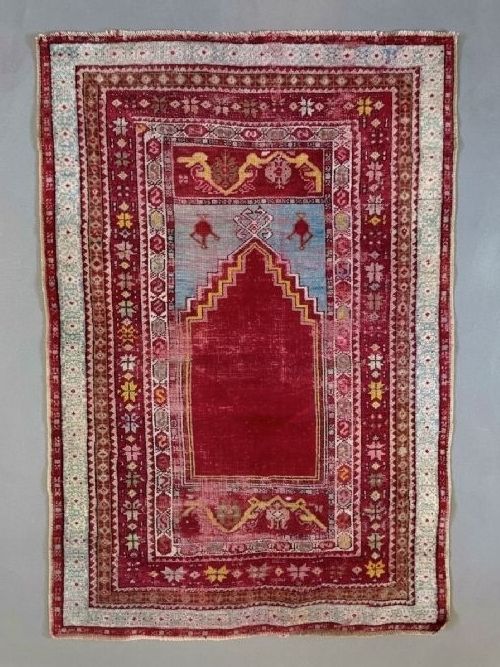
- Mihrab
- An arch-like motif representing a prayer niche, frequently seen in rugs designed for devotional use. This architectural element points towards Mecca during prayer.
- Warp
- The vertical foundation threads stretched tightly on the loom before knotting begins. Cotton and wool are the standard materials for these structural elements.
Red Tribal Runner Rug: Frequently Asked Questions
Where should I place a long runner rug?
These narrow carpets are proportioned for hallways, corridors, landings, and entrance spaces where linear floor coverage is required. They soften footfall and protect high-traffic wooden boards.
Ensure you measure the available walkway carefully, leaving a uniform margin of exposed floor around the perimeter of the rug for a balanced look.
How do I clean an antique wool runner?
Regular gentle vacuuming without a rotating brush roll prevents dust and grit from settling deep into the wool pile. Address spills immediately by blotting with a clean, dry cloth rather than rubbing.
Professional specialist cleaning is recommended every few years to preserve the natural lanolin in the wool and protect the organic dyes.
Are these rugs suitable for heavy daily traffic?
Traditional village and nomadic runners utilise robust hand-spun wool and sturdy knotting designed for generations of domestic use. They handle hallway foot traffic exceptionally well.
Utilising a quality underlay beneath the runner prevents slipping, cushions the foundation threads, and reduces friction against the floor.
How can I tell different tribal designs apart?
Distinguishing regional styles involves examining the specific geometric vocabulary, colour palettes, and border arrangements. Caucasian pieces often feature bold, sharp polygons, whereas Persian village runners display more intricate floral or lattice structures.
Reference books and comparison with documented examples help identify the characteristic palette and weave structure of specific tribal groups.