
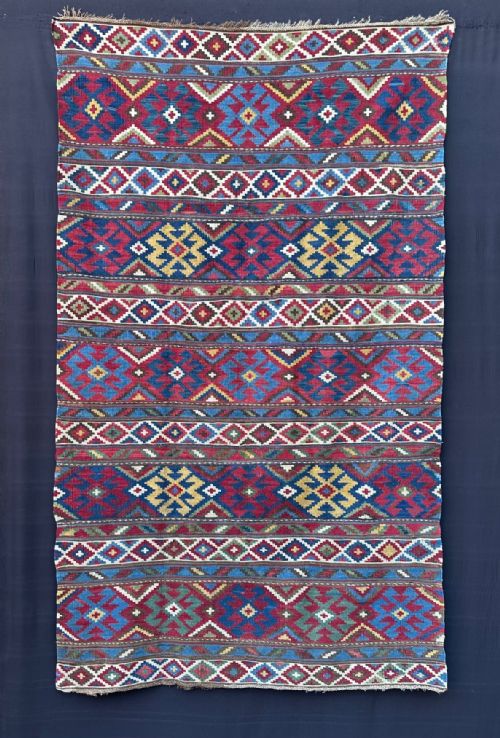
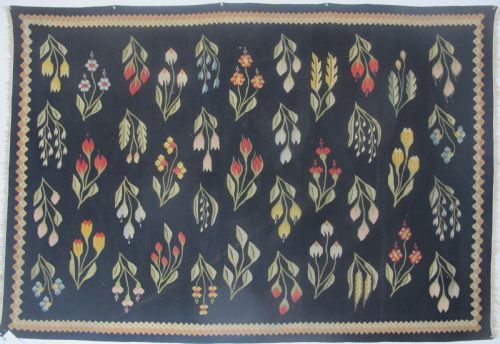
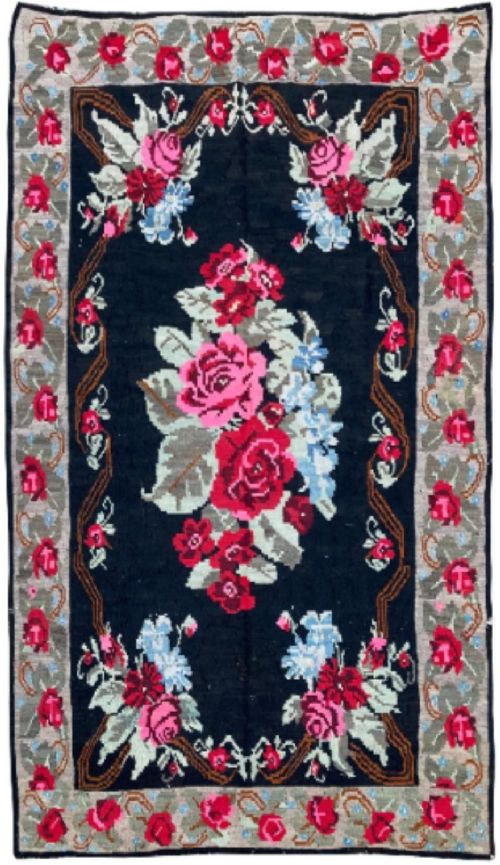
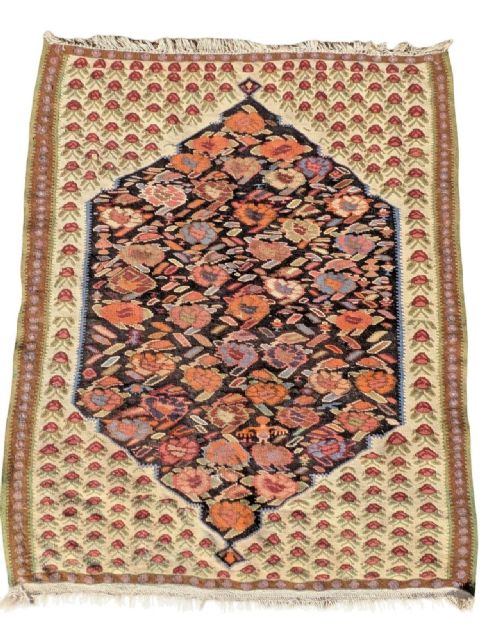




Traditional Wool Kilim Rug
A traditional wool kilim rug brings flat-woven tribal geometry and rich regional history directly to your floor.
Traditional Wool Kilim Rug
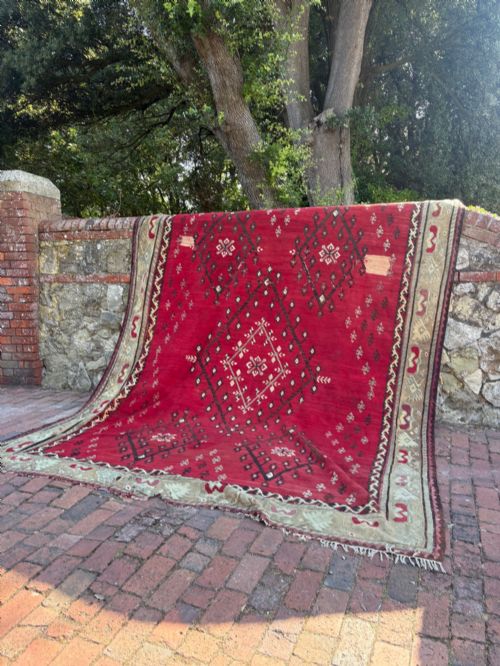
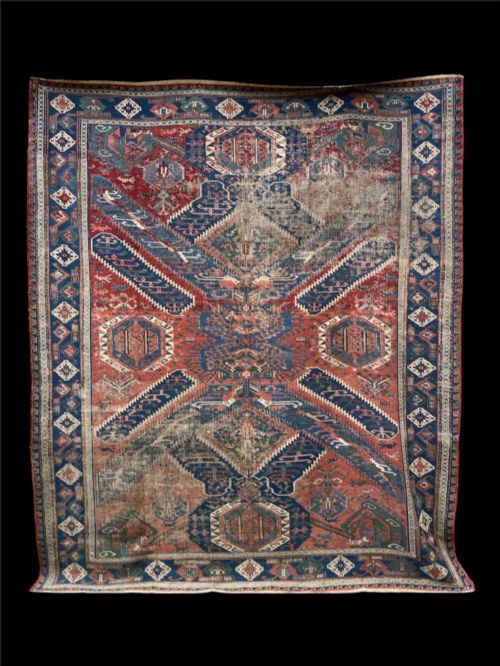
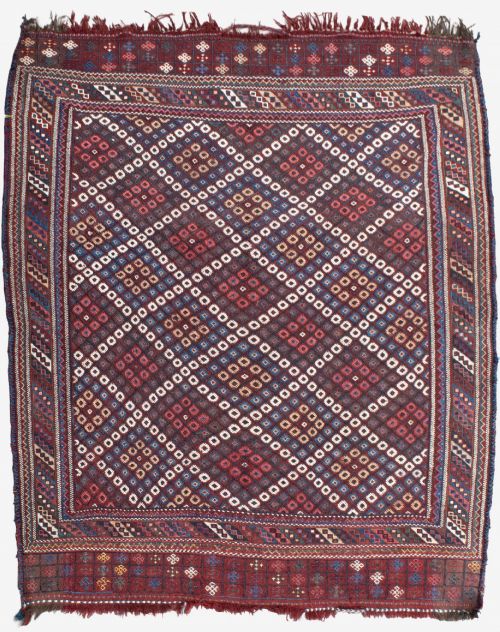
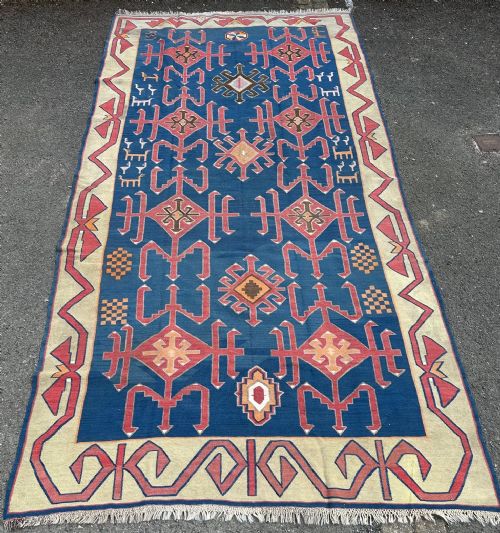
A traditional wool kilim rug is a flat-woven textile produced by tribal and village makers across Anatolia, the Caucasus, Persia, Central Asia, and Eastern Europe. These pieces serve primarily as floor coverings, carpets, runners, and decorative cushions.
The versions most commonly met in these selections span from the mid-nineteenth century through the early twentieth century. They encompass regional styles such as Anatolian tribal, Caucasian, Bessarabian, and Persian tribal flatweaves.
How they were made
Makers construct a traditional wool kilim rug by interweaving warp and weft threads on a vertical or horizontal loom without creating a pile. This technique produces a flat fabric where the coloured weft threads are beaten tightly to cover the vertical warps entirely.
The materials rely principally on wool and cotton, frequently utilising hand-spun wool dyed with natural substances. This combination yields durable textiles with distinct tonal variations across the flat-woven surface.
The inventory encompasses diverse regional forms including runners, cushion covers, and large room-sized carpets from Anatolia, the Caucasus, Persia, and Central Asia.
What varies in quality
Quality in a traditional wool kilim rug depends upon the tightness of the weave and the precision of the slit-tapestry junctions where colour blocks meet. Finer weaves allow for sharper geometric or floral motifs and greater structural integrity over decades of use.
The handling of natural dyes and the depth of the wool preparation also separate standard village pieces from exceptional tribal examples. Greater mastery in dyeing creates harmonious patination as the colours age.
The Traditional Wool Kilim Rug Glossary
- Kilim
- A flat-woven carpet or rug produced without a pile across various regions of the Near East and Central Asia. These textiles rely on interlocking weft techniques to form geometric or floral patterns.
- Warp
- The stationary vertical threads stretched onto a loom before weaving begins. The weft threads pass alternately over and under these structural elements.
- Weft
- The horizontal threads passed through the warp to build the pattern and fabric of the rug. In flatweaves, these coloured threads completely conceal the warp.
- Soumak
- A supplementary weft-wrapping technique that creates a brocade-like texture on the surface of the textile. This method provides extra durability and a raised appearance compared to standard flat-weaving.
- Sofreh
- A type of spread or cloth used traditionally for dining or preparing food within nomadic and village households. These textiles often feature specific regional iconography and elongated formats.
Traditional Wool Kilim Rug: Frequently Asked Questions
How do I clean a kilim rug?
Gentle surface cleaning and regular light vacuuming without a rotating brush help maintain the wool fibres. Professional specialist cleaning remains safer for older natural-dyed textiles.
Avoid soaking or machine washing flatweaves, as excess moisture can distort the structure and cause natural dyes to bleed across the cotton and wool warp threads.
Can I use a kilim on a wooden floor?
Placing a suitable non-slip underlay beneath the textile prevents slipping and reduces friction between the flat-woven wool and the timber surface. This extra layer also cushions the fabric against heavy foot traffic.
Because traditional wool kilim rugs lack a dense pile, an underlay adds a softer underfoot feel while keeping the rug stable in hallways and living spaces.
What causes the slit effect in kilims?
The slit occurs naturally in flat-weaving when two different colour areas meet along a vertical axis without their weft threads interlocking. Weavers leave these small openings between distinct design blocks as a standard characteristic of the technique.
Master makers carefully manage these slits to ensure the structural strength of the rug remains sound despite the absence of connecting stitches between the colour zones.
How do I date an antique kilim?
Dating relies on examining the specific wool preparation, the chemical or natural dye palette, and the regional weaving characteristics recorded in the design. Pieces from the nineteenth century often display softer, hand-spun wool textures and specific tribal motifs that evolved later in industrial reproductions.
Comparing structural details, such as the twist of the yarn and the presence of regional repairs or variations, helps narrow down the period of production between the mid-nineteenth and early twentieth centuries.