
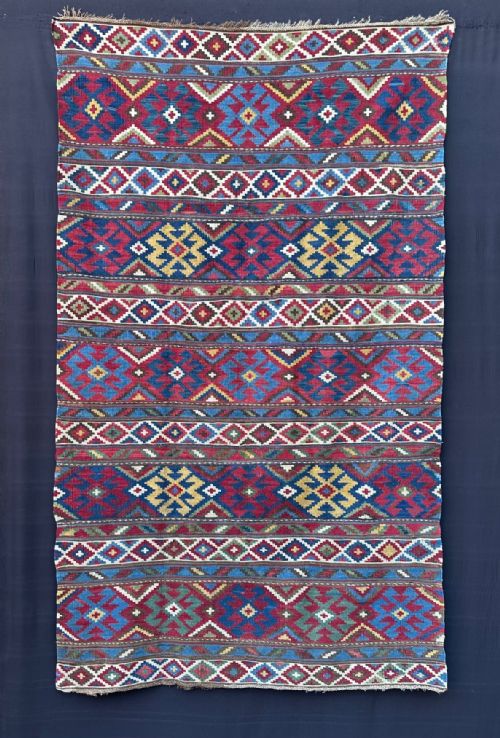
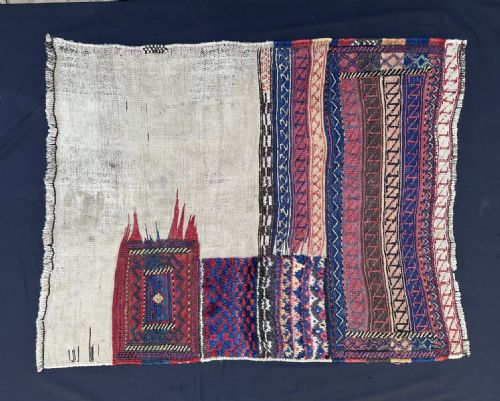
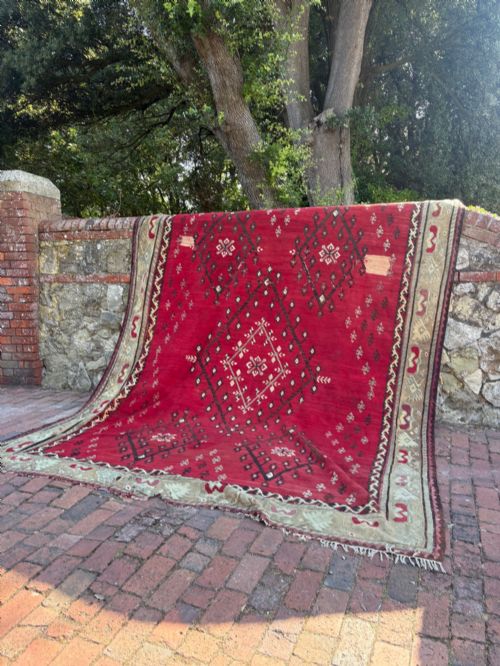
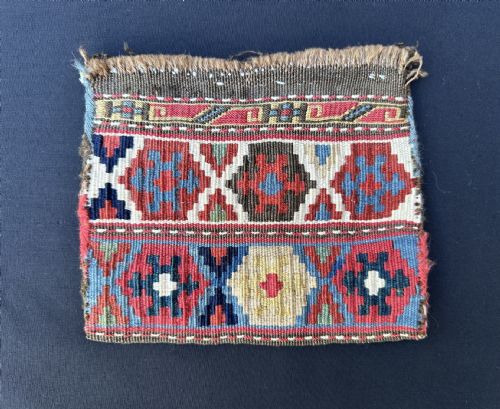


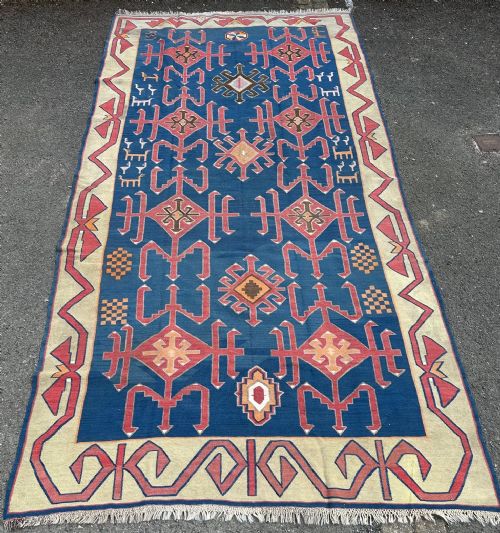


Red Tribal Kilim
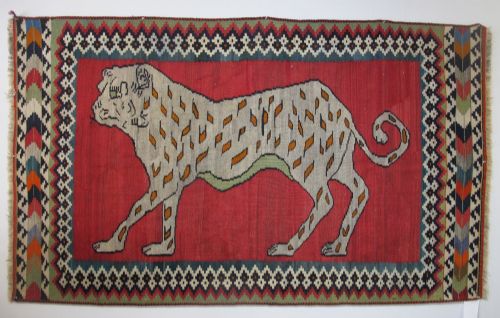
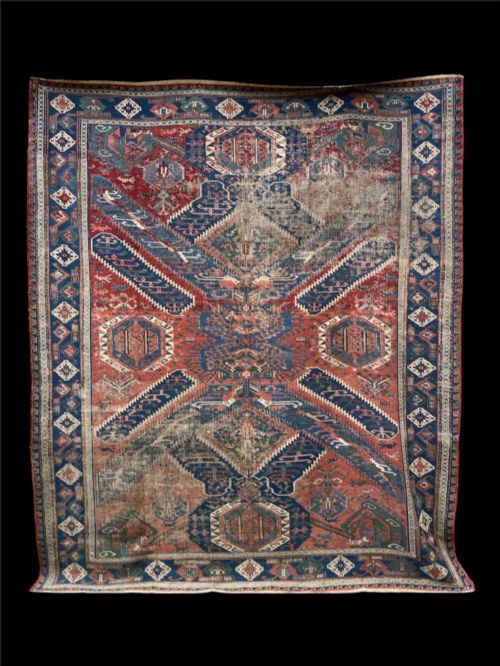
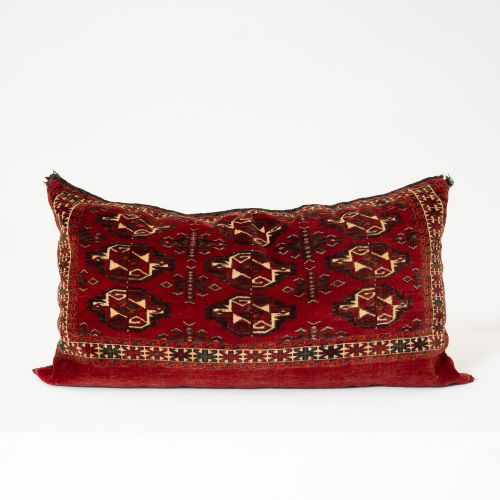
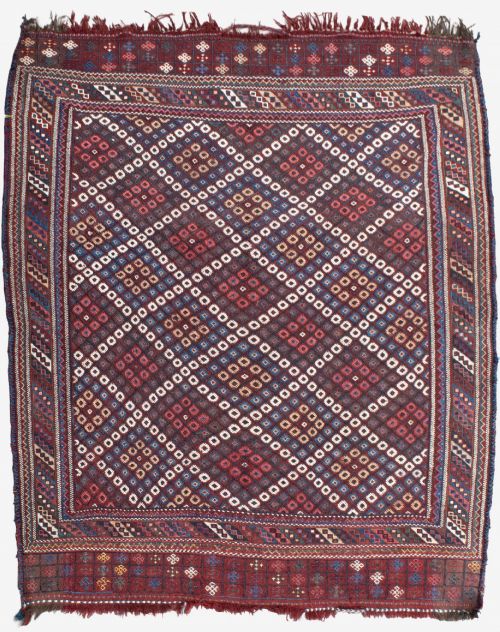
A red tribal kilim brings dense geometric pattern and saturated natural dyes into a room through flatwoven nomadic textiles dating from the mid-nineteenth century onward.
Red Tribal Kilim
When you search for a red tribal kilim, you encounter flatwoven rugs, covers, and utilitarian storage bags created by nomadic and village groups across Persia, the Caucasus, and Central Asia. These textiles were produced primarily for domestic use within tribal households rather than for export, resulting in authentic regional designs and varied weaving structures.
The pieces available span from the mid-nineteenth century through the mid-twentieth century, encompassing distinctive regional forms such as Sofreh dining cloths, Mafresh storage bag faces, and large floor carpets. Among these, you are most likely to meet vibrant Persian tribal rugs and Caucasian flatweaves characterised by strong geometric medallions and rich madder-dyed wools.
How they were made
These textiles rely on hand-spun wool and occasional goat hair spun into sturdy warps and wefts, providing a dense, durable foundation. Natural dyes, derived from local plants and minerals, yield the characteristic deep reds and secondary tones that soften gradually over decades.
Weavers utilised slit-tapery and other flatweave techniques to build crisp geometric patterns without pile, interlocking the weft threads around warp threads to create sharp colour transitions. The resulting structure remains thin, flexible, and resilient under daily domestic use.
Nomadic weavers occasionally embedded tiny intentional asymmetries into their geometric borders to ward off the evil eye.
What varies in quality
The fineness of the spin and the tightness of the weave separate exceptional tribal pieces from standard utilitarian examples. A finer weave allows for greater precision in complex geometric motifs and graphic lines.
The purity and depth of the natural dyes also determine the visual stature of a textile. Textiles retaining saturated madder reds and complex colour variations display a richer visual resonance than those with uniform or faded tones.
The Red Tribal Kilim Glossary
- Kilim
- A flatwoven textile produced without a pile by tightly interweaving warp and weft threads. This technique creates a lightweight rug with identical patterns visible on both sides.
- Sofreh
- A utilitarian cloth used historically for spreading meals or handling bread within nomadic households. These often feature narrow formats and bold symbolic borders.
- Mafresh
- A rectangular storage bag or trunk panel woven by nomadic groups for transporting household goods. They typically display banded designs or intricate graphic fields.
- Sumak
- A warp-wrapping technique that adds texture and structural heft to flatwoven surfaces. It produces raised geometric details across the face of the textile.
- Madder
- A natural dye sourced from the roots of the Rubia tinctorum plant. It provides the durable red hues foundational to nineteenth-century tribal weaving.
Red Tribal Kilim: Frequently Asked Questions
What is a tribal kilim?
A tribal kilim is a pileless woven textile produced by nomadic weavers in regions such as Persia, Anatolia, and the Caucasus. They served practical functions in daily camp life, acting as floor coverings, blankets, and storage containers.
Over generations, these flatweaves became appreciated for their bold graphic designs and rich plant-based colour palettes. Each piece reflects the specific aesthetic vocabulary of the tribe that produced it.
How were these flatweaves used?
Nomadic families utilised these textiles for insulation, storage, and food preparation within tents and temporary dwellings. Specialised formats functioned as eating cloths, grain bags, and saddle covers.
Because they were made for heavy daily use, the materials needed to be durable and tightly beaten during weaving. Their current survival demonstrates the high standard of early nomadic craftsmanship.
How do I care for an antique kilim?
Protect antique flatweaves by placing a quality rug underlay beneath them to prevent slipping and reduce friction against hard floors. Regular gentle vacuuming without a rotating power brush removes embedded dust safely.
Keep them out of direct, prolonged sunlight to protect the natural madder dyes from fading. Professional specialist cleaning remains recommended when deeper maintenance becomes necessary.
How can I tell regions apart?
Regional attribution relies on observing specific structural traits, wool characteristics, and secondary ornament motifs. Caucasian pieces often display crisp, sharp geometric polygons and cooler secondary palettes.
Persian tribal weaving from groups like the Qashqai or Afshar tends to incorporate warmer madder reds, playful animal motifs, and multi-colored striped borders. Studying the specific weave structure helps confirm the geographical origin.