





Geometric Flatweave Kilim
A geometric flatweave kilim brings graphic tribal architecture into a room, offering hard-wearing utility and centuries of nomadic weaving traditions.
Geometric Flatweave Kilim
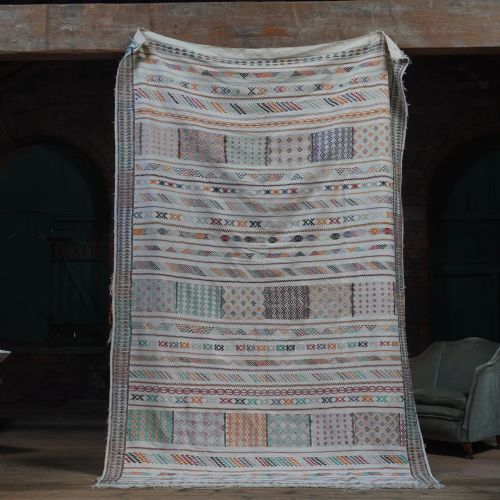
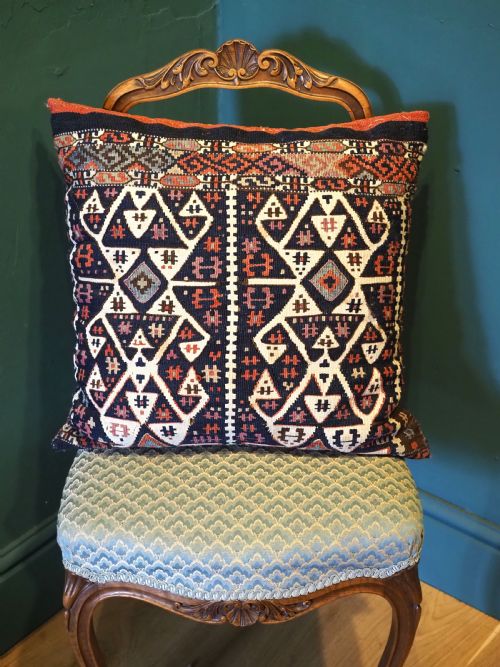
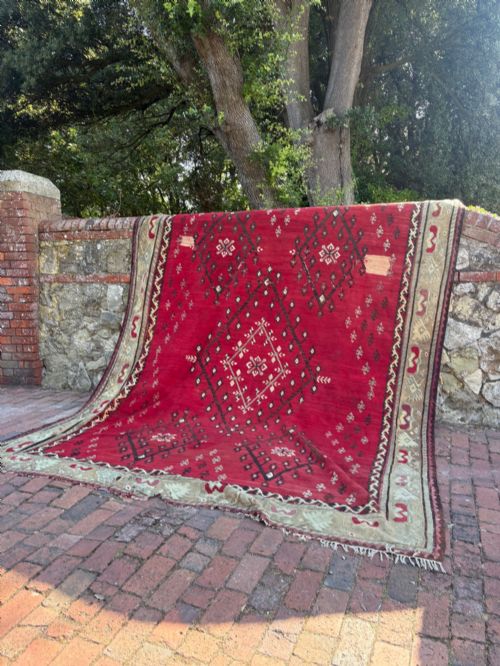
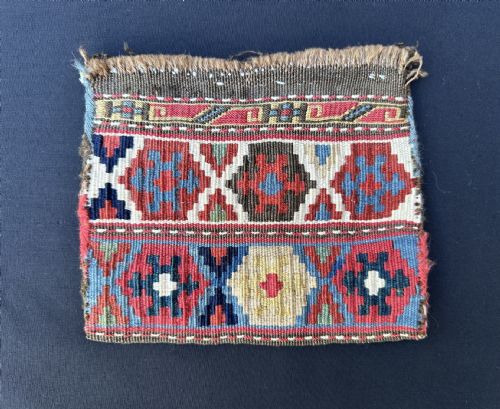
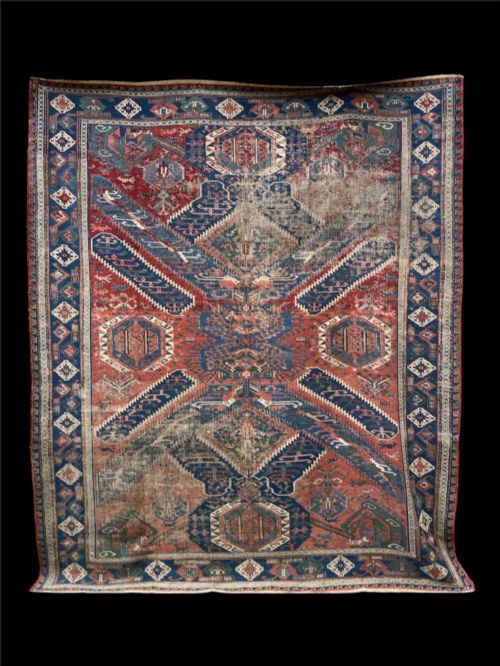
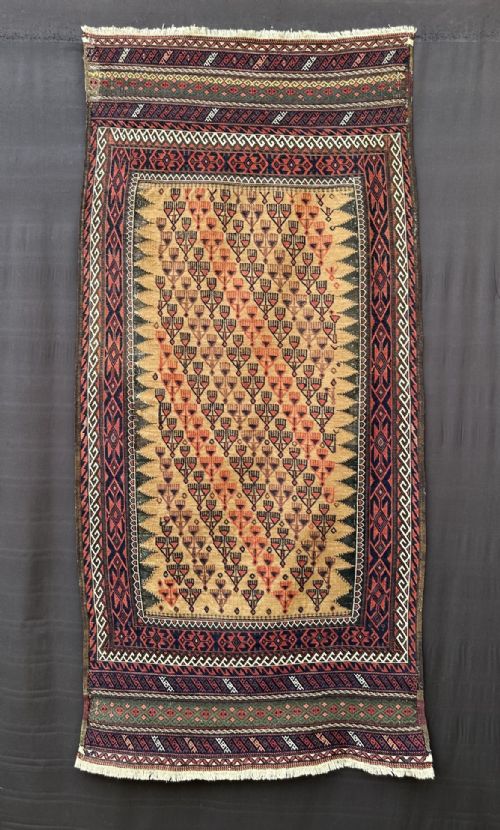
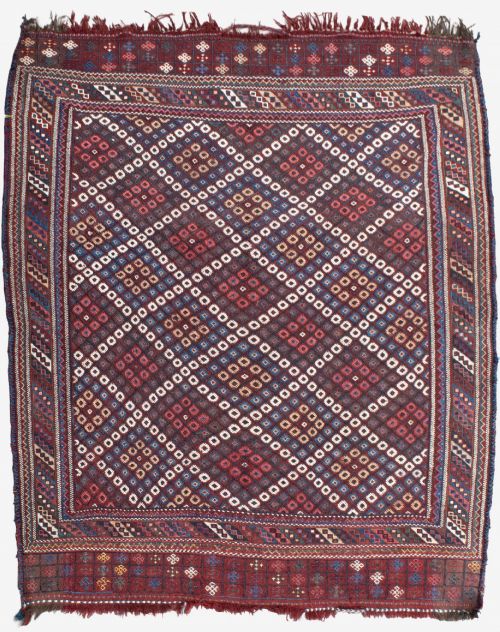
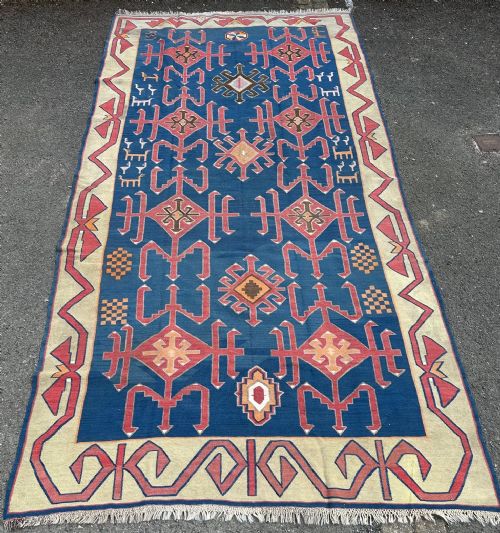
A geometric flatweave kilim is an untufted textile originating from nomadic and tribal cultures across Persia, Anatolia, the Caucasus, and Central Asia. These pieces range from large room-sized carpets and runners to smaller utility items such as bread sofrehs, dining cloths, storage bags, and cushions.
The aesthetic relies on strong angular motifs, medallions, and banded designs created through slit-weave construction. Buyers meeting these pieces on this page will encounter regional variations including Qashqai, Shirvan, Afshar, and Anatolian tribal styles.
Originating primarily across the nineteenth and early twentieth centuries, these textiles served functional roles within tribal households before entering the antique market. Their enduring appeal lies in the direct translation of tribal iconography into practical floor coverings and soft furnishings.
How They Were Made
Makers utilised natural dyes and hand-spun wool, often combined with cotton foundations to construct these flatweaves. Certain variants incorporate alternative regional materials, such as cactus silk and sabra fibre for specific cushion and textile forms.
The weaving technique relies on warp and weft interlacings without a pile, producing a flat fabric that exposes the geometric patterns sharply on both sides. Natural colour sources yielded enduring hues that softened gracefully over decades of use.
The inventory encompasses both large room-sized carpets and domestic items such as bread sofrehs, saddle bags, and cushions.
What Varies in Quality
The distinction between tiers rests upon the tightness of the weave, the intricacy of the tribal iconography, and the purity of the natural dye palette. Tightly constructed pieces demonstrate a disciplined execution of complex geometric layouts.
Condition and structural integrity heavily influence the standing of an individual piece, noting that historical repairs and timeworn alterations reflect the genuine working history of nomadic textiles. The balance between preserved original edges and honest signs of age dictates the character of the piece.
The Geometric Flatweave Kilim Glossary
- Kilim
- An untufted flatweave textile produced by tightly interweaving warp and weft strands. This method generates a lightweight, reversible fabric devoid of pile.
- Sofreh
- A tribal spread or cloth traditionally used for dining, food preparation, or bread making. These rectangular formats often display striking border graphics.
- Sumak
- A supplementary weft-wrapping technique that creates a textured, durable surface resembling embroidery on the reverse. It adds structural heft to Caucasian and regional carpets.
- Mafrash
- A large storage bag or chest panel utilised by nomads for transporting household goods. They frequently feature bold horizontal striping and tribal symbolism.
- Slit-weave
- A fundamental flatweaving method where the weft threads return at the boundary of a colour block, leaving a small vertical slit. This technique produces the crisp geometric outlines characteristic of tribal rugs.
Geometric Flatweave Kilim: Frequently Asked Questions
How do I clean a kilim?
Gentle surface brushing and careful vacuuming without a rotating head remove accumulated dust from the flatweave structure. Professional textile cleaning is advised for deeper maintenance.
Water washing should be approached with caution to protect historical natural dyes and hand-spun wool fibres from bleeding or shrinkage.
Where were these textiles made?
Production centres span Anatolia, the Caucasus, Persia, and Central Asia, driven by various nomadic and settled tribal groups. Specific regions like Shirvan, Fars, and Malatya developed distinct regional palettes and geometric repertoires.
Borderland regions between Persia and Afghanistan also yielded characteristic utilitarian flatweaves created by tribes such as the Timuri and Afshar.
Are these pieces reversible?
Standard slit-weave kilims present a similar design on both sides because the structural threads carry through the fabric. This reversibility allows the rug to be flipped periodically to distribute wear evenly.
Sumak weave variations differ by displaying a distinct, untidy floated thread structure on the reverse side while presenting a smooth patterned face.
What is a sofreh used for?
A sofreh served as an essential domestic cloth laid on the ground for eating meals, kneading bread dough, or gathering families. Their formats tend to be narrower or square, governed by their original utilitarian function within the tent or home.
Today, these functional cloths function well as small decorative rugs or wall hangings due to their strong graphic centre fields.