


Red Terracotta Carpet
A red terracotta carpet brings deep earthy tones and centuries of tribal weaving traditions directly into your floor space.
Red Terracotta Carpet
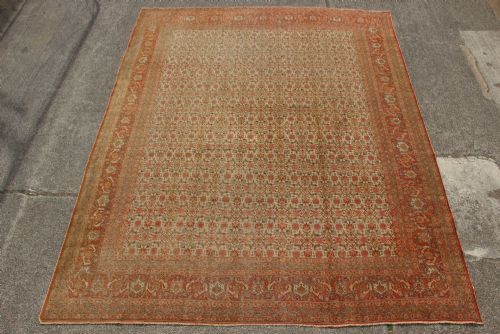
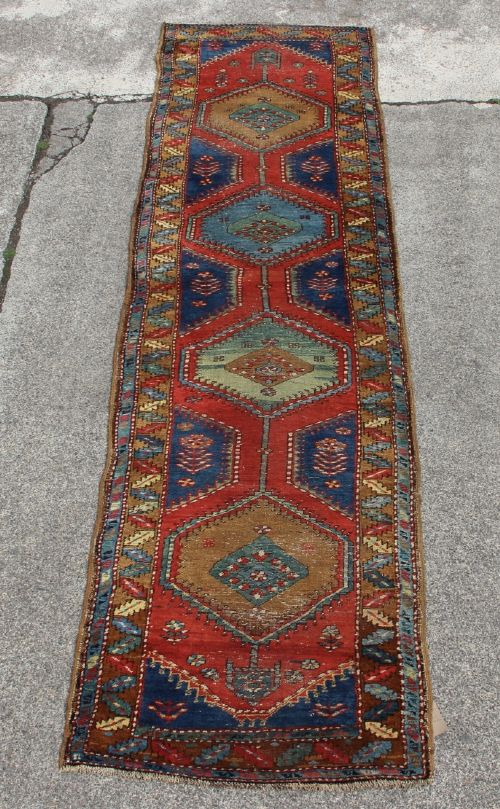
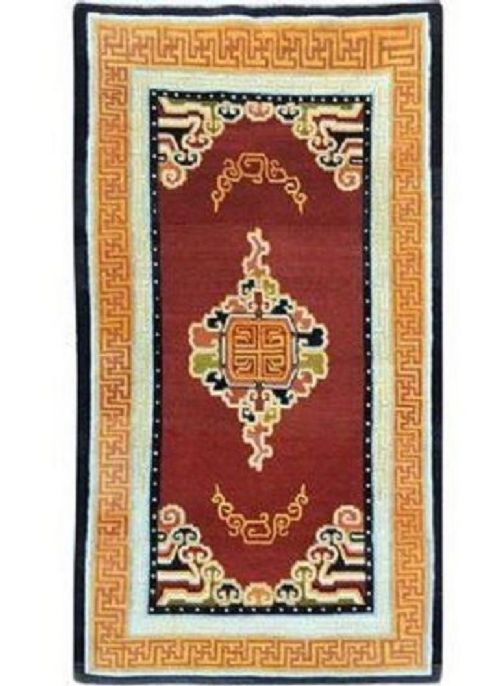
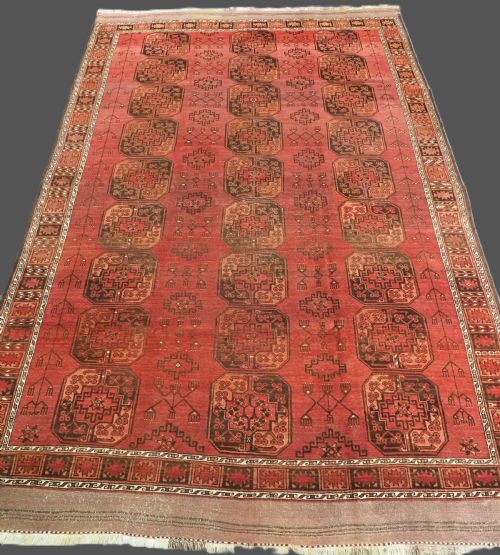
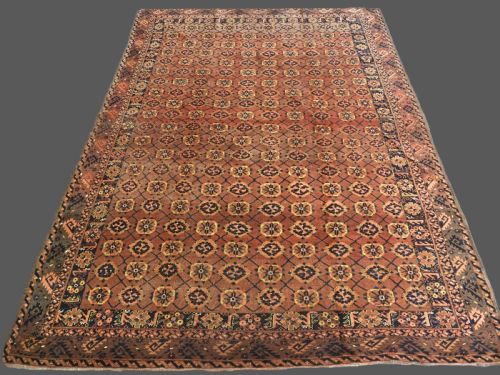
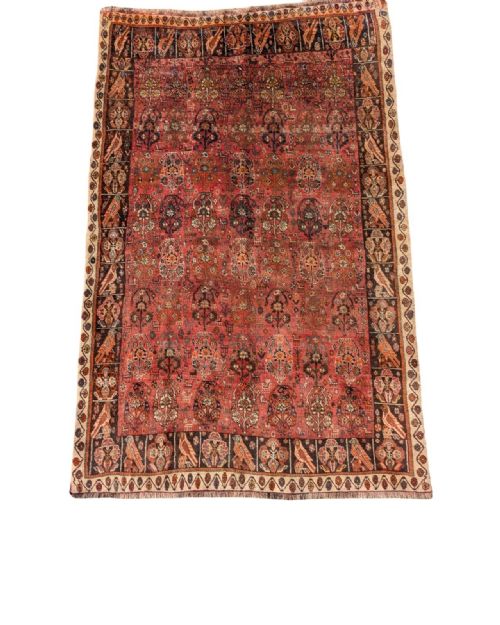
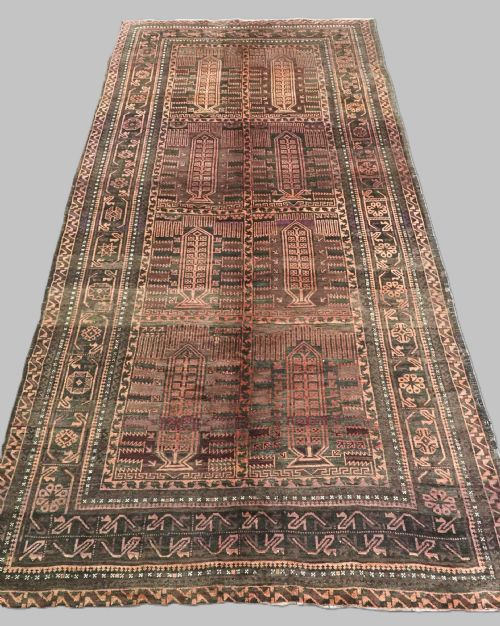
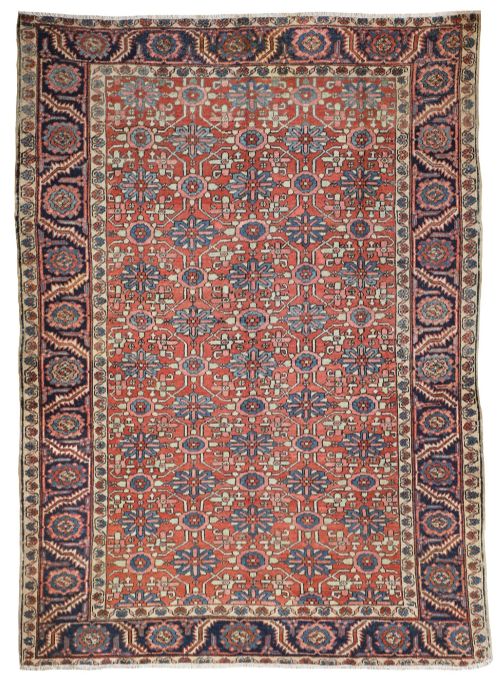
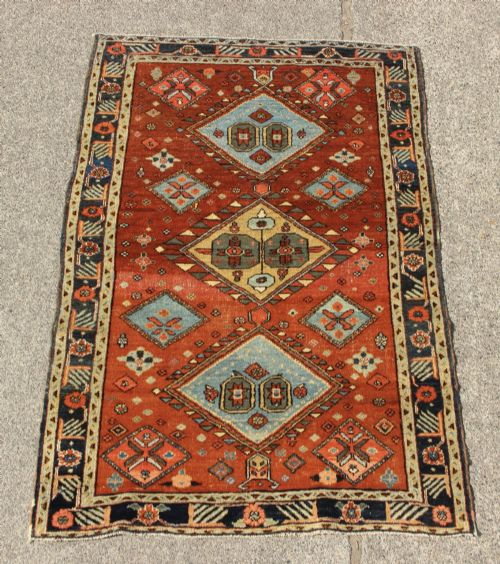
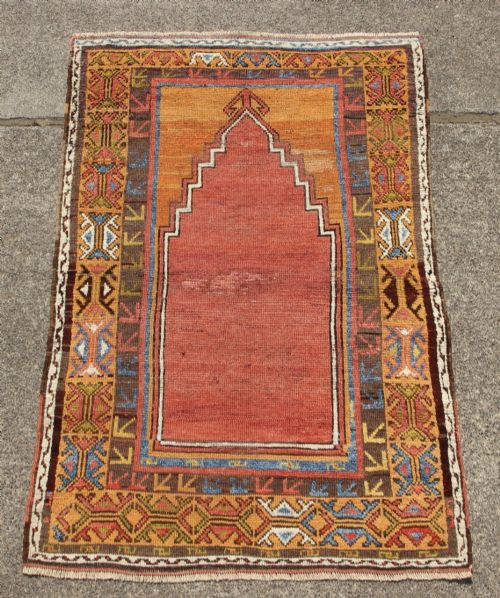
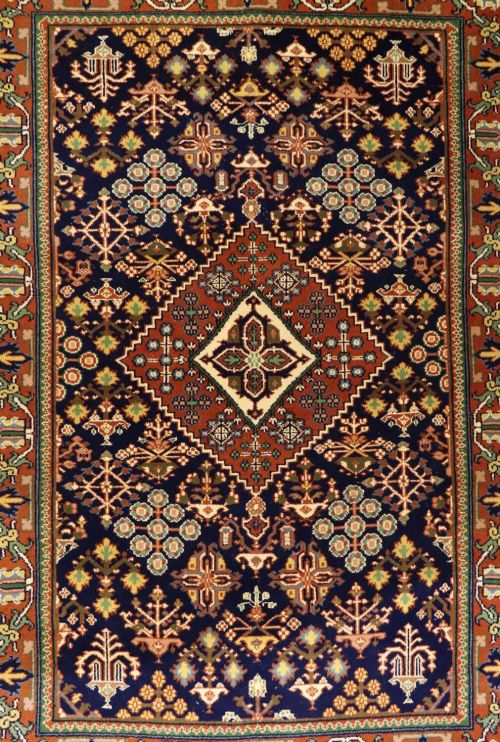
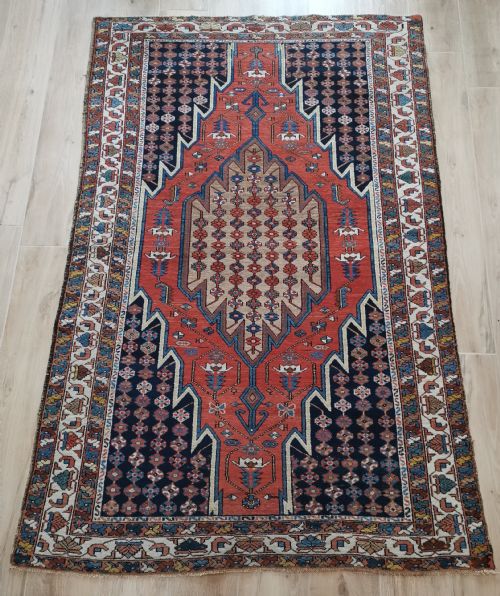
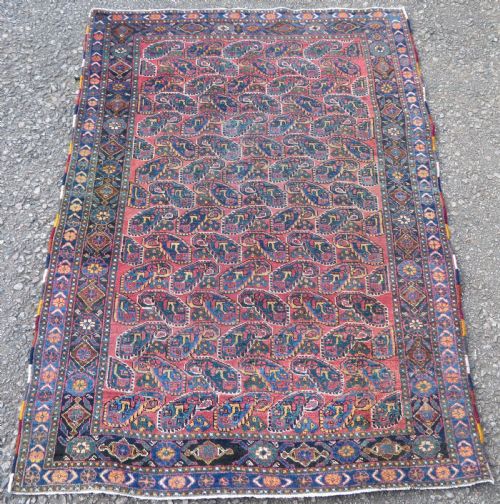
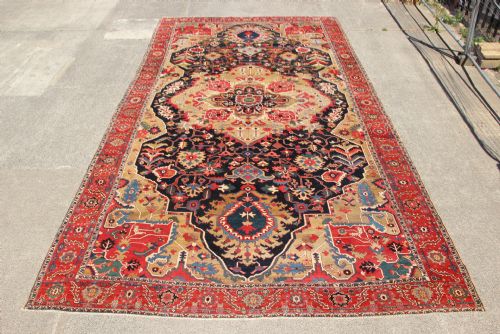
A red terracotta carpet encompasses hand-knotted room-size floor coverings and tribal rugs featuring warm clay and brick-red backgrounds. The pieces found here span the late nineteenth century through to the early twentieth century, originating from Persian and Central Asian weaving traditions.
Buyers will encounter specific regional styles such as Heriz, Bakshaish, and Afshar pieces, alongside Turkmen and Baluch tribal rugs. These floor coverings range from compact area rugs to substantial room-sized carpets with geometric medallions or all-over patterns.
The selection reflects traditional village and workshop production, capturing the distinct aesthetic of Persian Heriz carpets and nomadic Central Asian textiles. Each piece displays the characteristic palette of natural dyes anchored by terracotta and red hues.
How they were made
These carpets and rugs are constructed using hand-spun wool and cotton foundations, manipulated through traditional hand-knotting techniques. Artisans utilised natural dyes to achieve the signature terracotta and red fields seen across the regional groups.
Nomadic and village weavers also employed flatweave and embroidery methods on specific items like felt rugs and tent door hangings. The integration of wool and natural colourants ensures the structural integrity and lasting depth of each textile.
The listings feature pieces spanning the 1870s to the 1960s, constructed from hand-spun wool, cotton, and felt.
What varies in quality
The standard of a red terracotta carpet rests on the fineness of the knotting and the complexity of the design rendered by the weaver. Tightly packed wool piles and precise geometric execution distinguish workshop productions like Heriz from simpler village variants.
The vibrancy and depth of the natural dyes significantly influence the overall character of the piece. Subtle variations in the terracotta ground and the clarity of secondary tones demonstrate the skill applied during the dyeing and weaving process.
The Red Terracotta Carpet Glossary
- Terracotta
- A warm brownish-red clay colour that forms the dominant background field in these carpets and rugs. This shade derives from traditional natural dyeing processes used across Persian and Central Asian workshops.
- Heriz
- A prominent carpet-weaving region in north-west Persia known for durable room-sized floor coverings with bold geometric medallions. These pieces often feature prominent terracotta fields balanced by indigo and ivory accents.
- Medallion
- A central ornamental design motif placed in the middle of the carpet field. In these tribal and village weaves, medallions typically display angular, geometric forms rather than curved floral lines.
- Knot
- The individual loops of wool tied onto the warp and weft threads to form the pile of the rug. Hand-knotted construction density varies depending on whether the piece originated from a nomadic tribe or a settled workshop.
Red Terracotta Carpet: Frequently Asked Questions
What is a terracotta carpet?
A terracotta carpet is a hand-knotted wool floor covering featuring a warm brick-red or clay-coloured background field. These pieces primarily originate from Persian and Central Asian weaving regions during the nineteenth and early twentieth centuries.
Such carpets rely on traditional natural dyes to create their distinctive earthy palette. They encompass various regional styles, including geometric Heriz designs and nomadic tribal rugs.
Where were these carpets made?
These textiles were produced across Persia and Central Asia by village weavers, nomadic tribes, and regional workshops. Prominent origins include north-west Persian districts like Heriz and Bakshaish, alongside Turkmen and Baluch tribal groups.
Each weaving centre utilised local materials and distinct design vocabularies. This regional diversity accounts for the wide range of geometric patterns and formats available.
How do I care for an antique rug?
Living with an antique wool carpet requires gentle regular vacuuming without a beating brush roll. Professional cleaning tailored for natural dyes and hand-spun wool preserves the fibres and prevents colour bleeding.
Keeping the rug out of direct, harsh sunlight protects the terracotta tones from fading over time. Using a quality underlay also prevents slipping and reduces physical wear on the foundation.
How are different tribal styles identified?
Identifying tribal styles involves examining the specific geometric motifs, border arrangements, and colour combinations used in the weave. Turkmen pieces often display repetitive gul motifs, while Heriz carpets feature large central medallions and strong corner brackets.
Structural details such as the handling of the wool and the construction of the fringes provide further clues. Comparing these elements against known regional markers helps differentiate between Caucasian, Persian, and Central Asian work.