

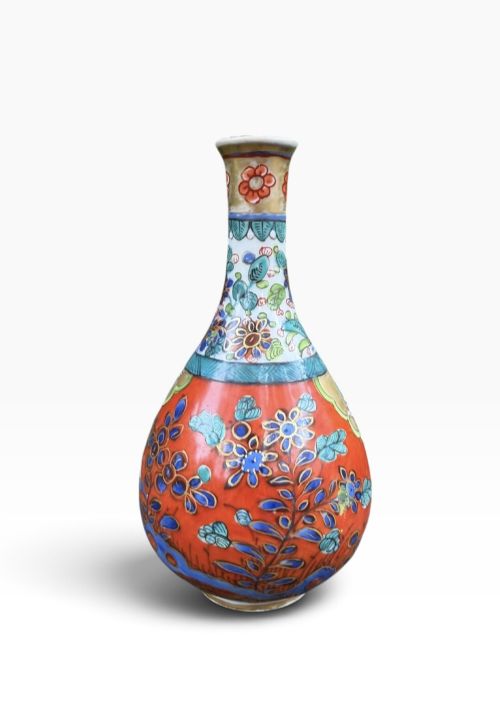
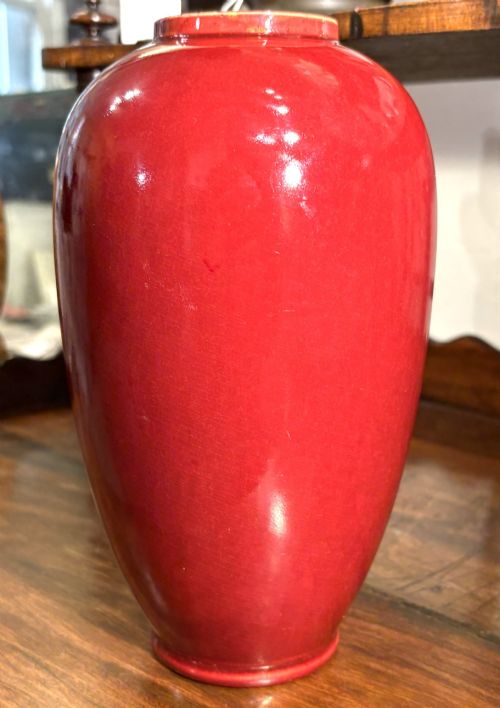
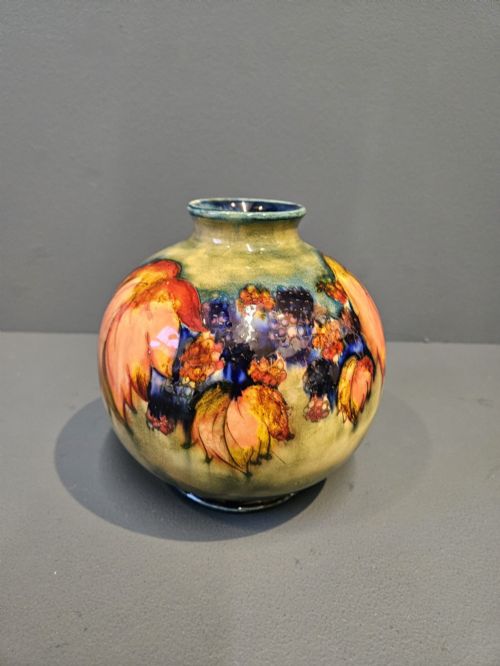
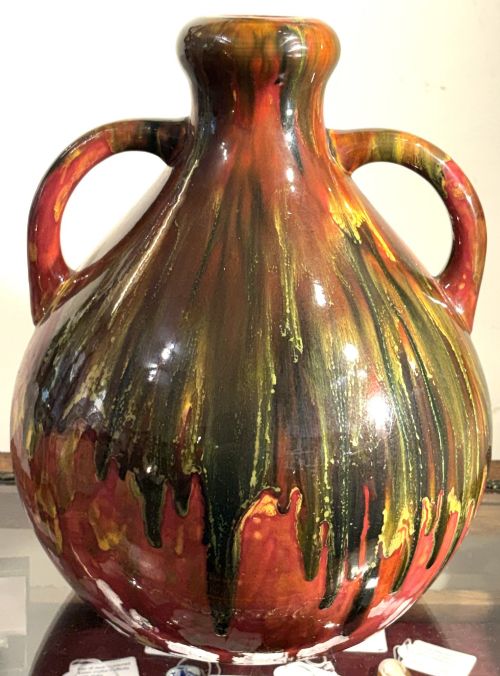
Red Pottery Vessel
These red pottery vessel items span centuries of ceramic tradition, offering collectors tactile forms that ground any room.
Red Pottery Vessel
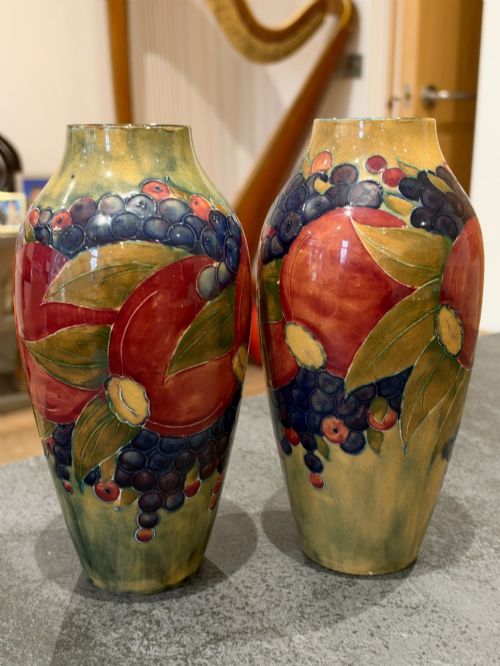
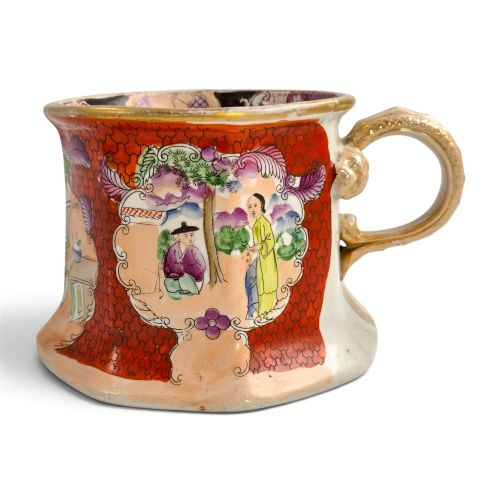
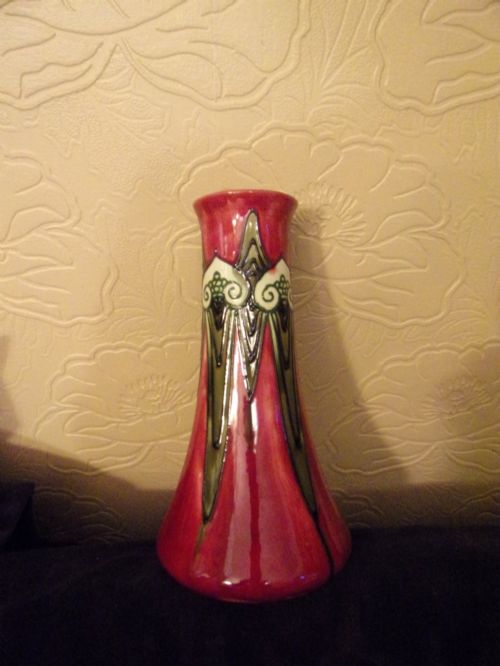
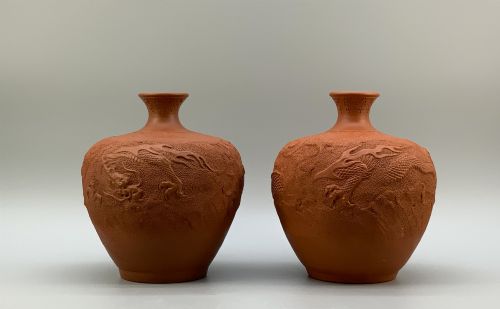
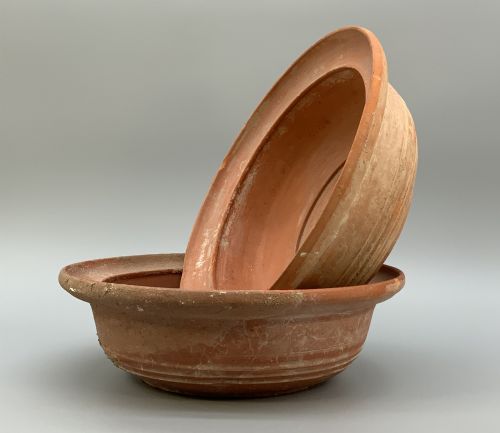
A red pottery vessel brings together centuries of ceramic history, ranging from ancient archaeological bowls to nineteenth-century art pottery and Japanese wares. Buyers seeking a red pottery vessel encounter diverse forms such as twin-handled vases, brush washers, pitchers, and decorative bowls.
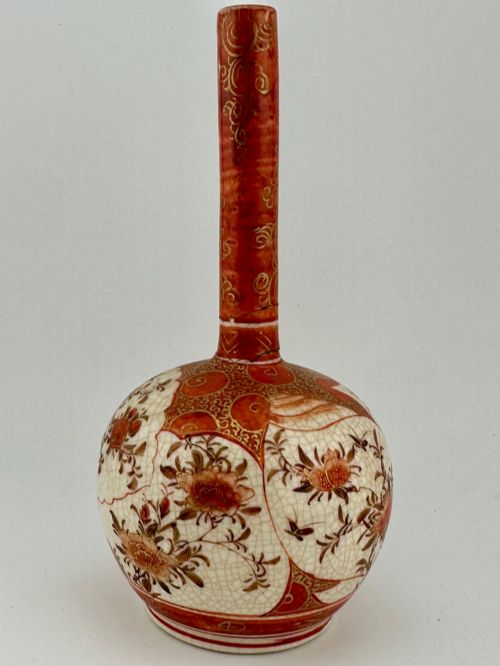
The selection on this page leans heavily toward Japanese Meiji period ceramics, alongside Edwardian art pottery and pieces from Chinese dynasties. Makers utilised earthenware, terracotta, and specialised glazes to create utilitarian and decorative objects alike.
Originating across distinct global workshops, these items demonstrate how potters shaped regional clays into enduring household and scholarly objects. Each piece reflects the material preferences and stylistic ambitions of its specific period.
Distinguishing quality
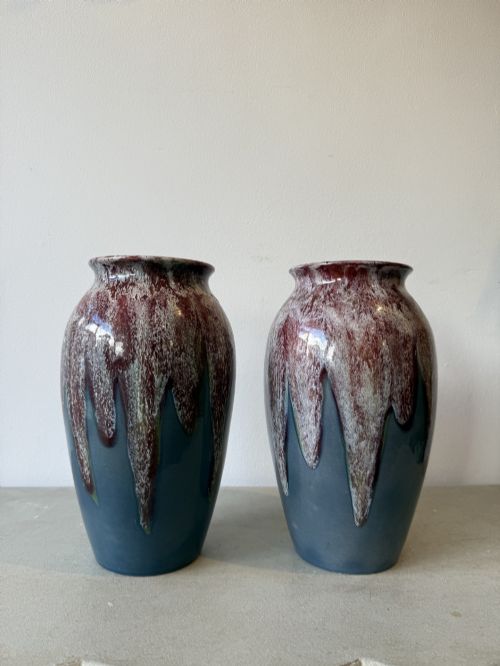
Quality rests upon the precision of the modelling, the depth and control of the glaze, and the clarity of any applied surface decoration. Superior examples display confident handling of the clay body and intentional, balanced proportions.
Signature marks, workshop attribution, and the crispness of hand-painted or tube-lined details separate standard production items from exceptional studio pieces. The preservation of the original surface finish remains central to the standing of any piece.
Red Pottery Vessel Retail Price Guide 2026
Typical asking prices for red pottery vessel among the pieces listed under this phrase on Sellingantiques today, from the lower quarter to the upper quarter. They describe what is for sale here now, not the wider market.
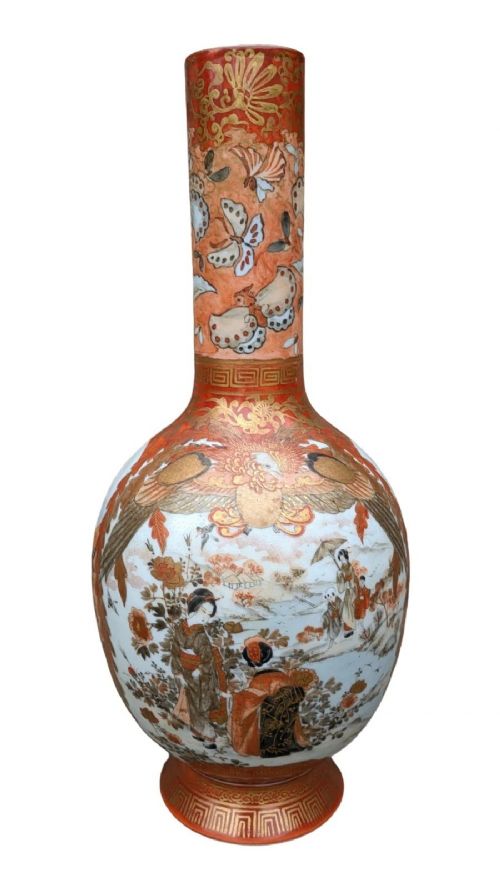
Geographic origins span British art pottery, continental European maiolica, and Japanese Meiji period Kutani and Imari wares.
Burmantofts·Minton·Sumida Gawa·Macintyre & Co.·Royal Doulton
The Red Pottery Vessel Glossary
- Terracotta
- A porous, unglazed or glazed red earthenware fired at relatively low temperatures. It provides a warm, earthy base for subsequent decoration or glazes.
- Tube-lining
- A decorative technique where slip is squeezed through a nozzle onto a clay body to form raised outlines. This method creates defined cells for holding coloured glazes.
- Moriage
- A Japanese ceramic decoration technique where clay is piped onto the surface in dots or lines to create raised patterns. It is frequently seen on Kutani and Satsuma wares.
- Suiban
- A shallow Japanese basin traditionally used for arranging flowers or displaying stones. These pieces often feature figurative or naturalistic modelled elements.
- Flambé
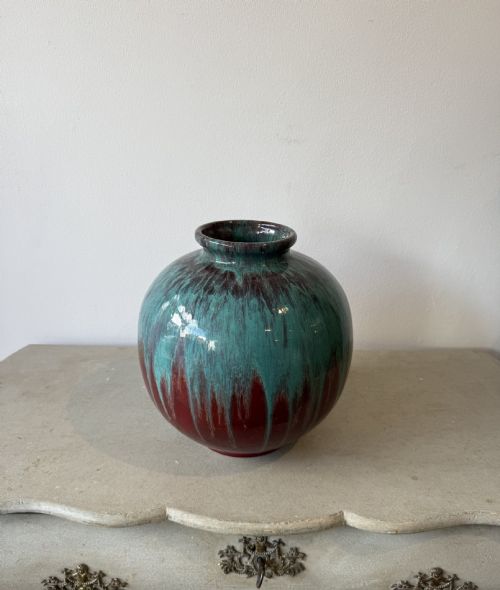
- A rich, variegated glaze created by reduction firing in a kiln, producing streaked red and purple colour effects. It gained popularity during the late nineteenth and early twentieth centuries.
Red Pottery Vessel: Frequently Asked Questions
How do I care for antique pottery?
Keep vessels out of direct sunlight and clean them gently with a dry, soft cloth. Avoid using water or chemical cleaners on porous or earthenware surfaces.
Display pieces on stable surfaces away from high traffic areas to prevent accidental knocks or drops.
What is Japanese Sumida Gawa pottery?
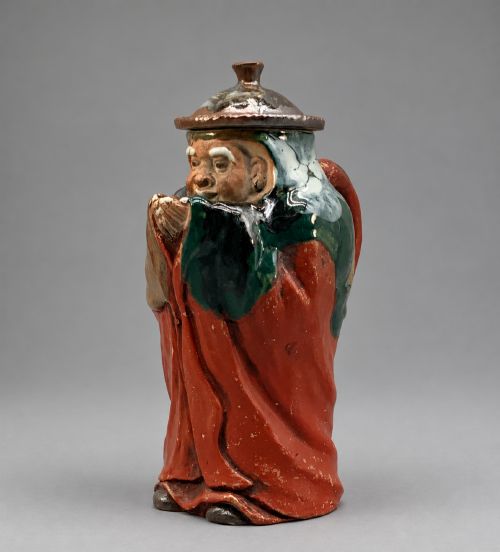
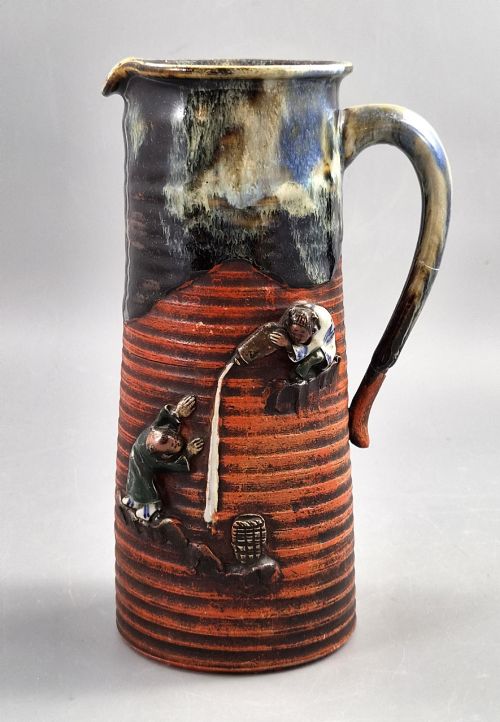
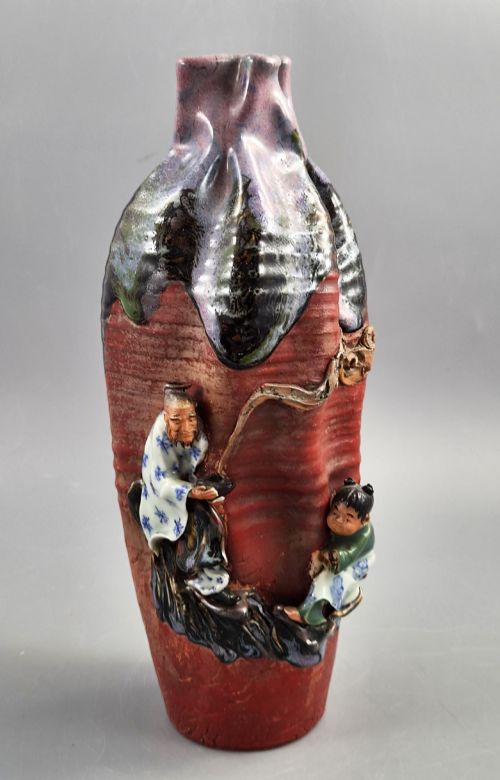
Sumida Gawa pottery originates from the banks of the Sumida River in Tokyo, dating primarily to the Meiji and Taishō periods. These pieces are distinctive for their heavily textured glazes and applied figures climbing across the exterior.
They often depict traditional scenes, sages, or animals in high relief against a fluid lavender or terracotta ground.
How are different periods identified?
Period identification relies upon stylistic markers, material composition, and any factory or artist marks stamped on the base. Victorian and Edwardian British pieces often feature specific tube-lined patterns, while Japanese items align with Meiji manufacturing traits.
Comparing potting weights, glaze formulas, and decorative motifs helps narrow down the decade of production.
Were these vessels used daily?
Many items served practical domestic or scholarly functions, such as cooking dishes, sake pitchers, and brush washers for calligraphy. Other forms were purely decorative, intended for display in nineteenth-century drawing rooms or studies.
Examine the interior surfaces and base wear to determine whether a piece saw active service or remained primarily ornamental.