


Red Porcelain Jar
When you search for a red porcelain jar, you enter a vibrant world of Imari palettes, Kutani workshops, and Chinese iron-red glazes designed to command attention.
Red Porcelain Jar
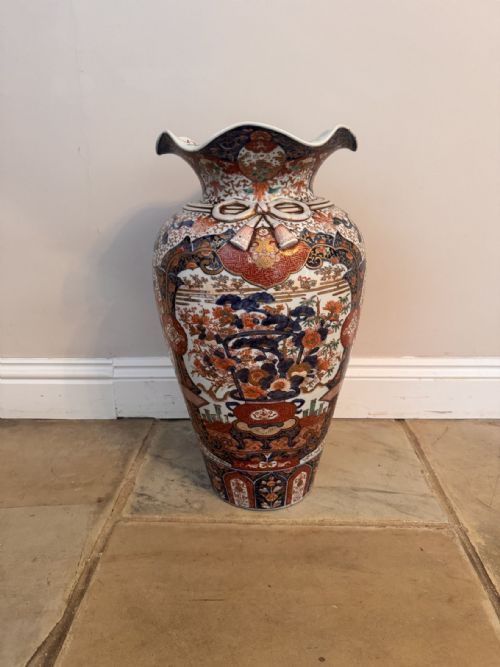
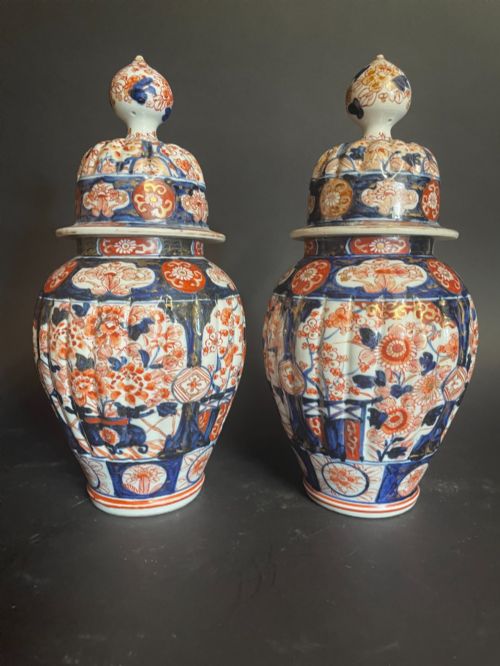
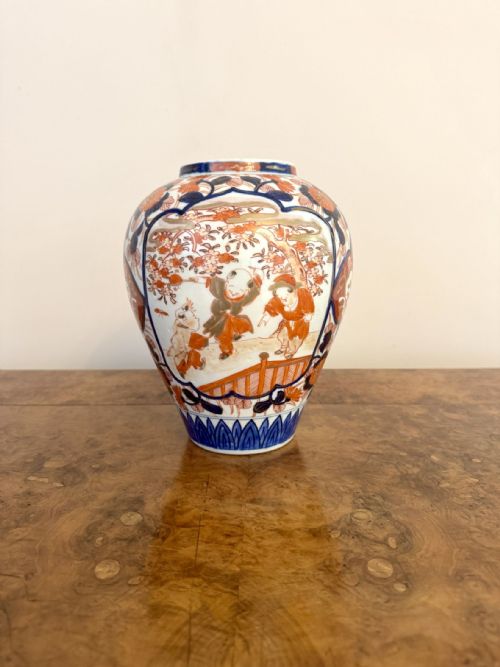
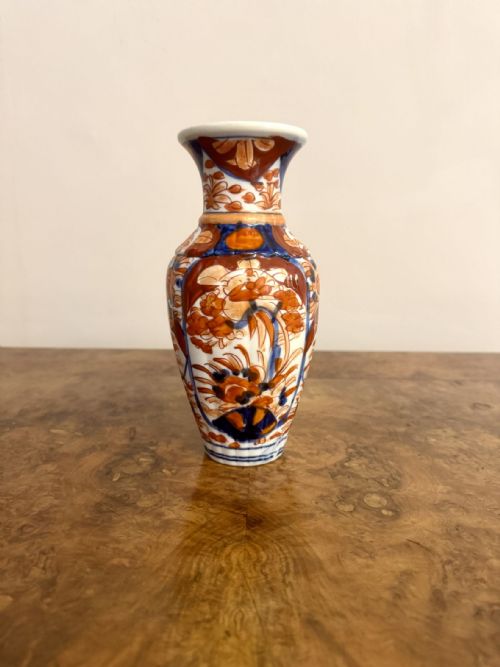
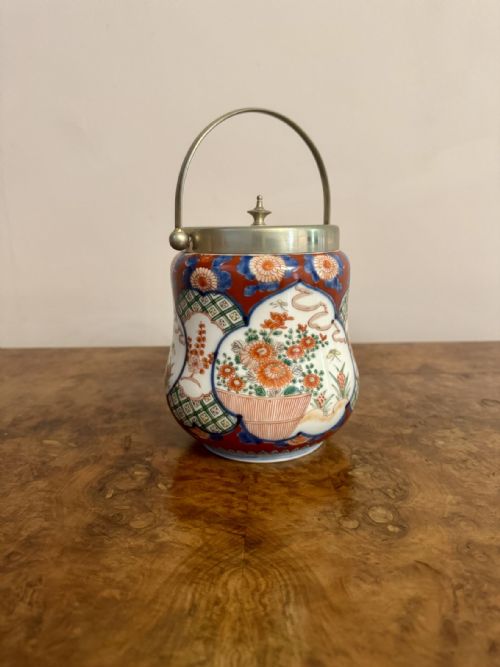
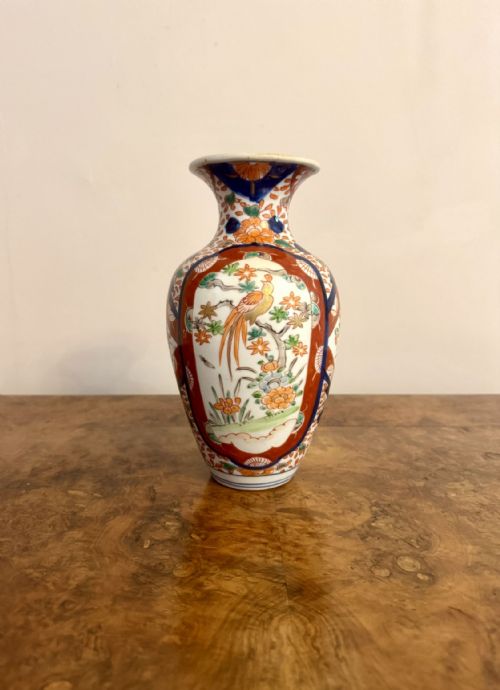
A red porcelain jar encompasses covered ginger jars, lidded vessels, and decorative vases originating predominantly from Japanese and Chinese kilns. The pieces on this page lean heavily toward nineteenth-century Japanese Imari ware, featuring characteristic iron-red pigments combined with cobalt blue and gilt details.
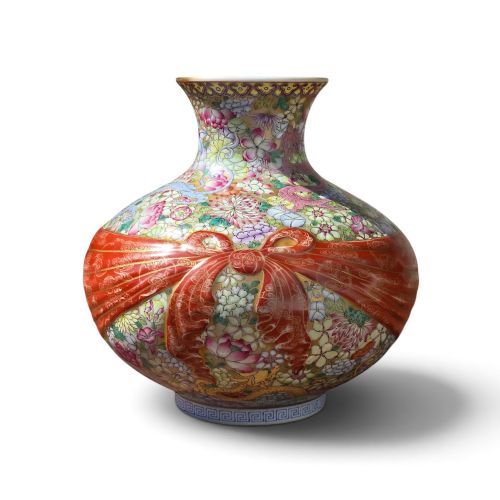
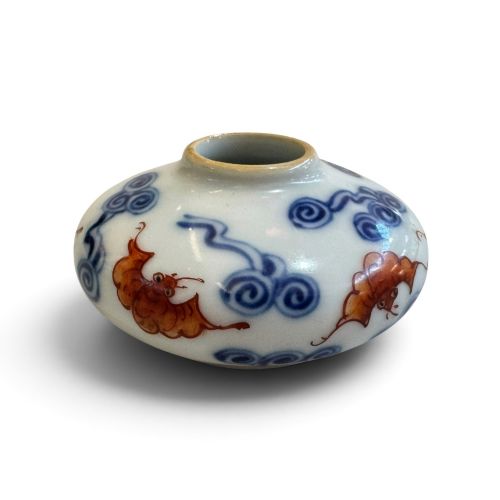
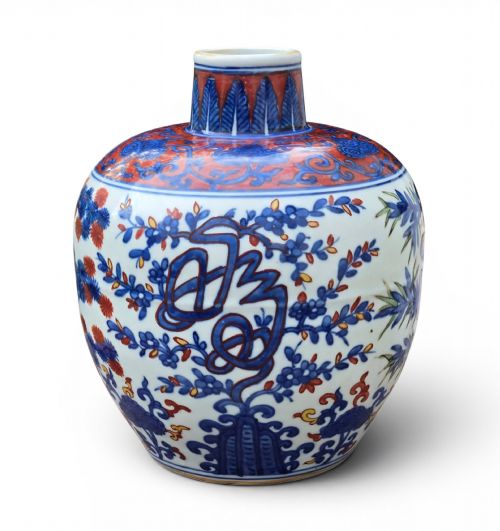
Forms range from small cabinet pieces and double gourds to imposing floor-standing vases and hexagonal vessels. The overarching commonality remains the striking incorporation of red tones, whether through overglaze enamel or underglaze copper pigments.
How they were made
Potters shaped high-fired porcelain bodies on the wheel or pressed them into moulds before applying intricate hand-painted designs. Artisans utilised mineral-based underglaze iron-red pigments and overglaze enamels to achieve the signature crimson hues across the ceramic surface.
Many items incorporate gilding and gold leaf highlights applied over the fired glaze and subjected to a subsequent low-temperature kiln fixing. Additional decorative effects rely on contrasting cobalt blue underglaze painting and carved relief work within the porcelain body itself.
Listings feature nineteenth-century Japanese Meiji period pieces alongside eighteenth-century Edo examples decorated in the Imari palette.
What varies in quality
Quality reveals itself in the crispness of the hand-painted brushwork and the precision of the polychrome enamel application. Superior examples display balanced composition, harmonious integration of the iron-red palette with gilt accents, and well-preserved surface detailing without excessive rubbing.
The weight, throwing symmetry of the porcelain body, and clarity of the base glaze separate standard production ware from exceptional atelier pieces. Potteries and workshops known for skilled artisans consistently demonstrate superior control over high-temperature firing results.
Kinrin Workshop·Masons Ironstone·Samson
The Red Porcelain Jar Glossary
- Kutani
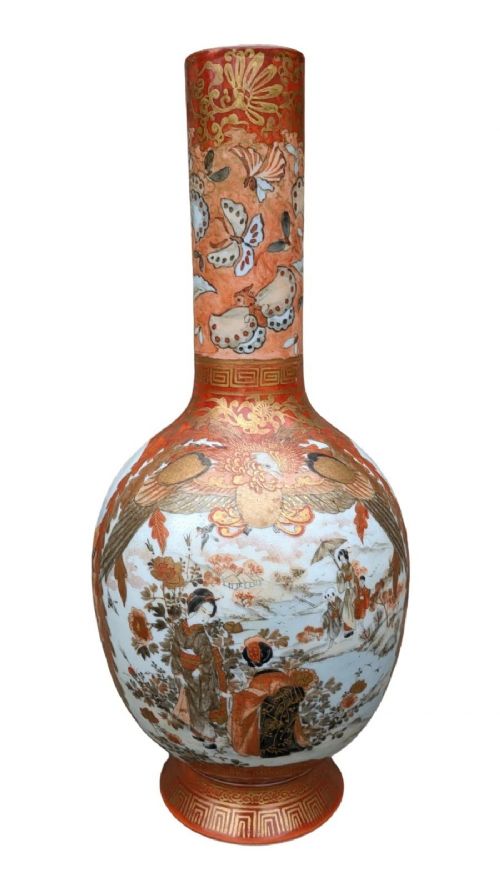
- Japanese porcelain noted for bold pictorial designs and rich overglaze enamel colours. Kutani pieces often incorporate expressive figures, birds, and floral motifs.
- Underglaze red
- A decorative technique using copper oxide painted beneath the transparent glaze before firing. Achieving the desired red hue requires precise kiln temperature control in a reducing atmosphere.
- Ginger jar
- A ceramic vessel characterised by a broad-shouldered body and a high-domed cover. Originally utilised for storing spices and preserves, these jars later became purely decorative interior objects.
- Koro
- A traditional Japanese incense burner typically supported on three or more feet and fitted with a pierced cover. These ceramic vessels allow aromatic smoke to drift through openwork designs.
Red Porcelain Jar: Frequently Asked Questions
What are ginger jars used for?
Ginger jars served as functional storage containers for spices, salt, and oils during earlier periods of trade. Over time, Western collectors repurposed them entirely as decorative mantel and table ornaments.
Today, they add height and historic pattern to living spaces without requiring any functional use. Many also find new life as wired table lamps while retaining their original ceramic lids.
How do I identify Imari porcelain?
Imari porcelain is easily recognised by its signature tripartite colour scheme of cobalt blue, iron-red enamel, and abundant gold leaf. The designs frequently layer floral and brocade patterns across the entire surface of the vessel.
Examining the unglazed foot ring often reveals fine white porcelain body characteristics typical of Japanese Arita kilns. The weight and crispness of the brushwork further confirm the traditional production methods.
Where were these jars made?
The majority of these jars were produced in Japanese kilns located around Arita and the Kaga province during the nineteenth century. Production also extended to Chinese imperial kilns and nineteenth-century European factories mimicking Asian aesthetics.
Export trade routes distributed these ceramics widely across Britain and continental Europe to satisfy domestic demand for exotic decorative arts. Each regional centre applied its own distinct interpretation to the iron-red glaze and porcelain body.
How do I style these jars at home?
These jars anchor room schemes when placed in pairs on sideboards, mantels, or open shelving units. Their bold red and blue tones complement neutral wooden furniture and traditional interior palettes.
Removing the covers allows smaller jars to function as striking display vases for floral arrangements. Mixing different forms, such as double gourds and hexagonal shapes, creates visual depth within a room.