




Red Porcelain Dish
A red porcelain dish brings together centuries of skilled glaze work and bright iron-red pigment, offering a striking centrepiece for any room.
Red Porcelain Dish
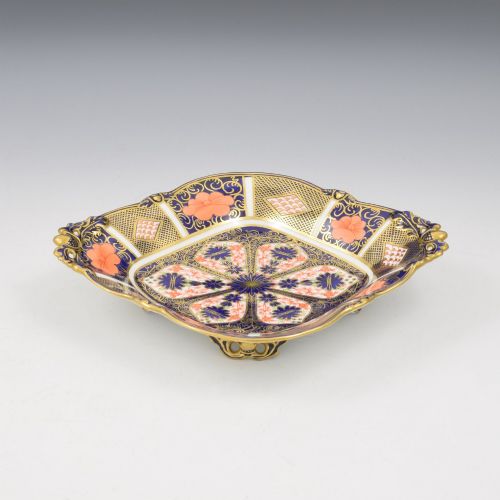
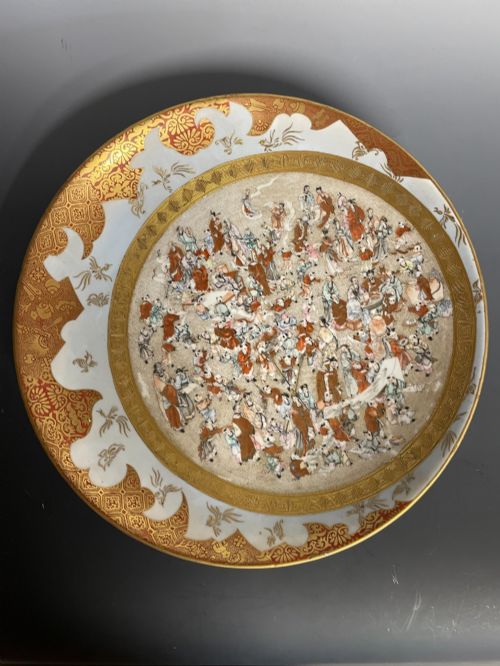
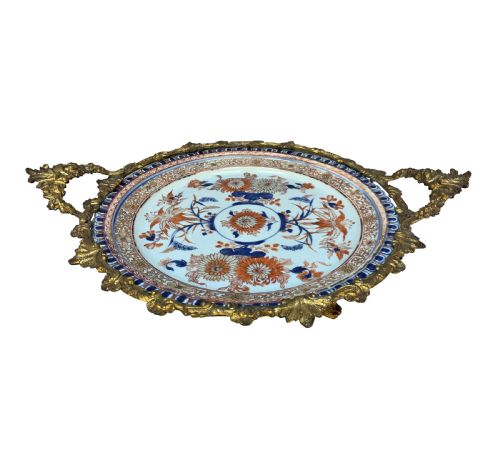
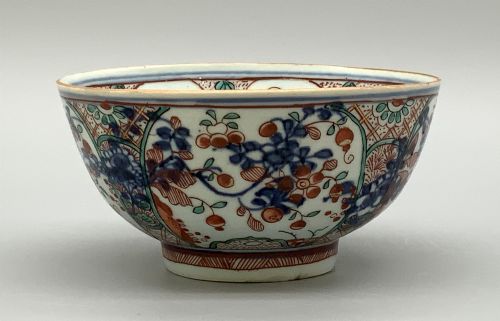
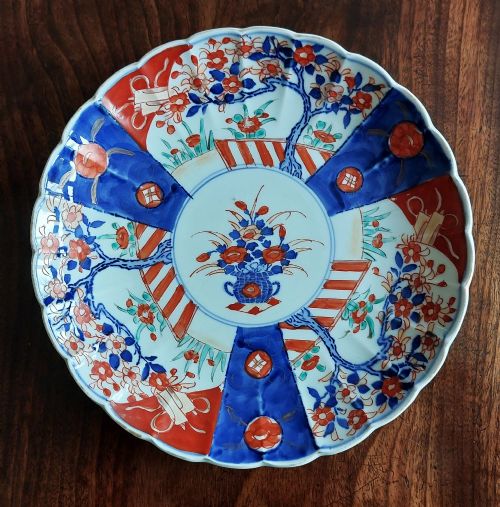
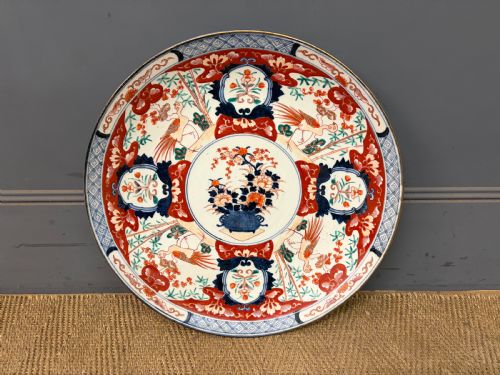
When you search for a red porcelain dish, you enter a field dominated by Japanese Imari, Chinese export wares, and English porcelain from the eighteenth and nineteenth centuries. These items range from small scalloped plates to large chargers and deep bowls, often displaying intricate floral or avian motifs.
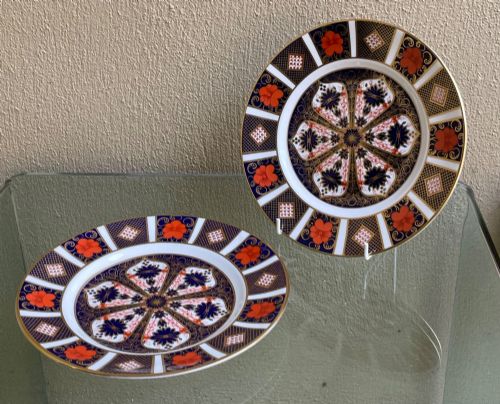
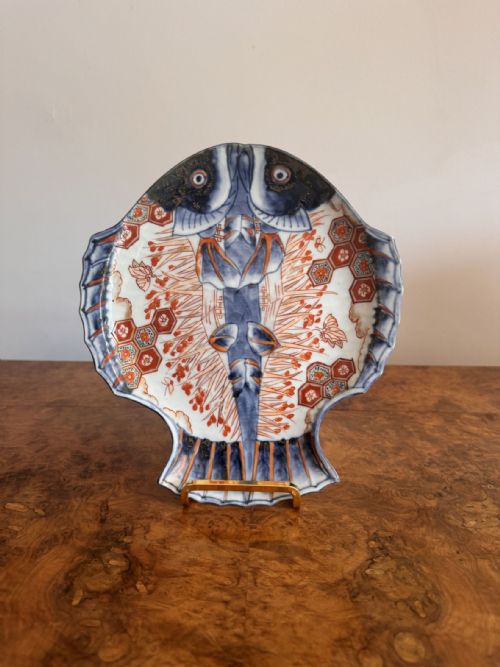
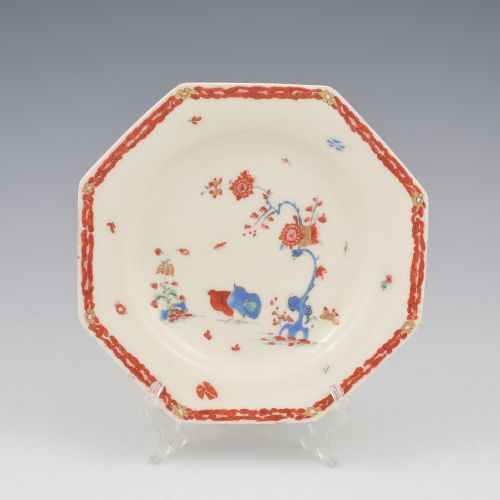
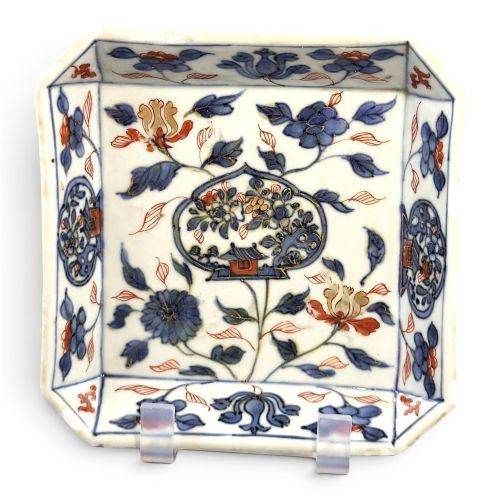
The examples most commonly encountered on this page date from the Meiji period and the nineteenth century, alongside earlier eighteenth-century pieces bearing characteristic iron-red and cobalt blue pigments. Forms vary from traditional round dishes to octagonal plates, square bowls, and even fish-shaped vessels.
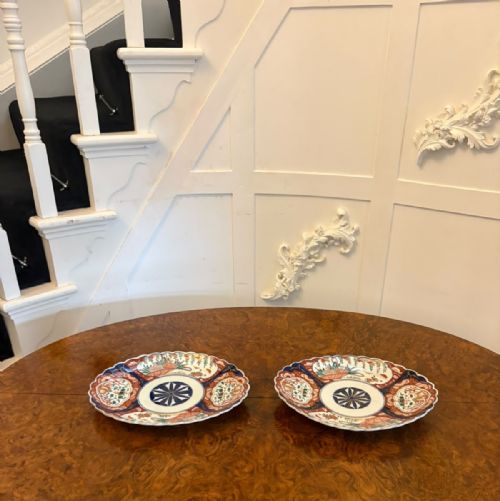
Originating from diverse kilns across Asia and England, these decorative ceramics serve primarily as display pieces rather than everyday tableware. Collectors encounter everything from individual cabinet plates to matched pairs and larger chargers intended for wall hanging or table centrepieces.
How they were made
The construction relies on hard-paste or soft-paste porcelain shaped by hand or moulded, then fired at high temperatures to achieve a vitrified body. Artisans applied underglaze cobalt blue and overglaze iron-red enamel, frequently accented with gilding or gold leaf.
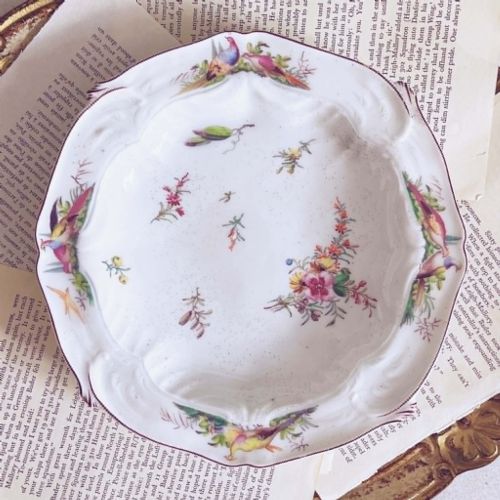
English factories such as Chelsea and Bow utilised soft-paste porcelain and moulded bodies, decorating them with handpainted polychrome birds and floral patterns. Meanwhile, East Asian and Japanese workshops employed precise brushwork over white glazes, combining rich red enamels with complementary colours.
Listings on this site feature porcelain and ceramic dishes spanning the eighteenth to the twentieth centuries, with a strong presence of Japanese Meiji period wares.
What varies in quality
Quality rests primarily in the crispness of the hand-painted brushwork and the vibrancy of the enamel and gilding layers. Superior pieces display precise detailing in the avian, floral, and geometric motifs without muddiness in the iron-red pigment.
The fineness of the porcelain body and the complexity of the vessel shape, such as scalloped edges, moulded fish forms, or octagonal geometry, also separate standard production wares from exceptional examples.
Chelsea·Bow·Royal Crown Derby
The Red Porcelain Dish Glossary
- Imari Style
- A decorative scheme originating in Japan that typically combines underglaze blue, iron-red enamel, and gilt highlights over a white porcelain body. It heavily influenced European ceramic design during the eighteenth century.
- Soft-paste Porcelain
- A ceramic material composed of clay and glass frit, fired at lower temperatures than hard-paste porcelain. English factories like Chelsea utilised this body for its creamy tone and smooth glaze.
- Charger
- A large decorative plate or dish used traditionally for display or serving. In this category, chargers often feature elaborate Japanese or Chinese export designs.
- Gilding
- The application of gold leaf or powdered gold onto the surface of porcelain. It highlights rims, motifs, and moulded details.
- Kakiemon
- An asymmetric style of Japanese enamel decoration known for fine pictorial designs of birds and flowers. It was widely copied by European porcelain manufacturers.
Red Porcelain Dish: Frequently Asked Questions
How were these dishes used originally?
Many of these pieces served as decorative display items in prominent rooms rather than everyday dining vessels. Large chargers were often mounted on walls or set upon buffets to show off wealth and taste.
Smaller dishes and bowls functioned as sweetmeat containers or table centrepieces during formal meals, highlighting imported or domestic ceramic artistry.
How do I care for antique porcelain?
Keep these ceramics out of direct sunlight to protect overglaze enamels and gilding from fading over time. Dust them gently with a dry, soft cloth rather than using chemical cleaners.
Hand wash them only when strictly necessary using lukewarm water and mild soap, avoiding dishwashers entirely to preserve the fragile glaze and painted details.
What is the red anchor period?
The red anchor mark denotes a specific phase of production at the Chelsea porcelain factory during the mid-eighteenth century. Pieces from this time show refined soft-paste bodies and delicate polychrome painting.
Items bearing this mark are particularly sought after by collectors of early English ceramics for their artistic quality and historical significance.