


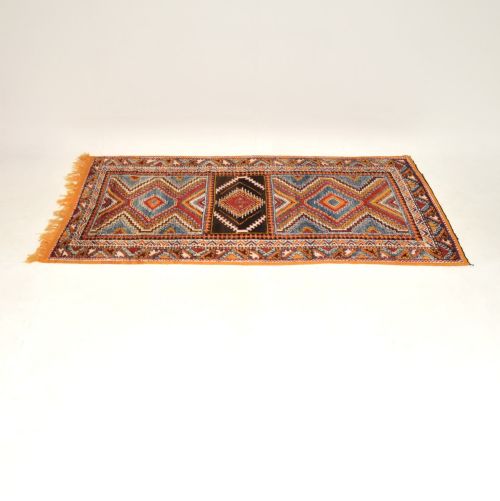
Red Persian Weaving
Red persian weaving brings together centuries of village and tribal textile traditions, offering durable floor coverings and practical bags worked in rich madder tones.
Red Persian Weaving
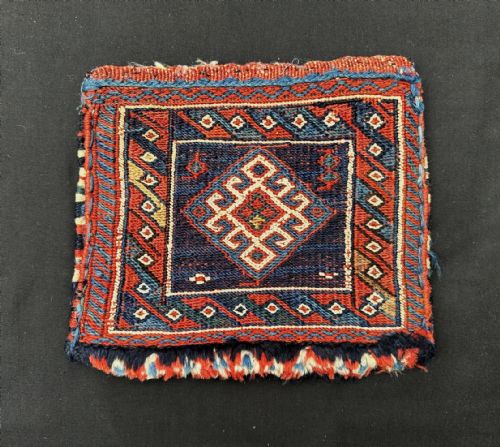
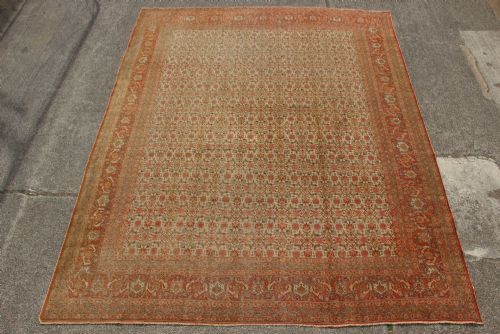
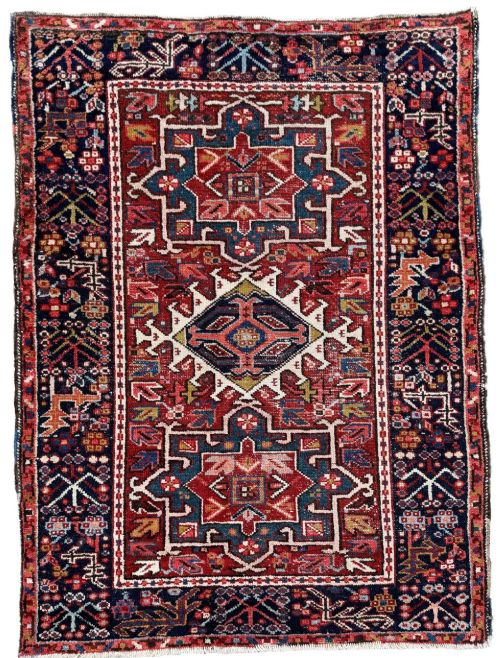
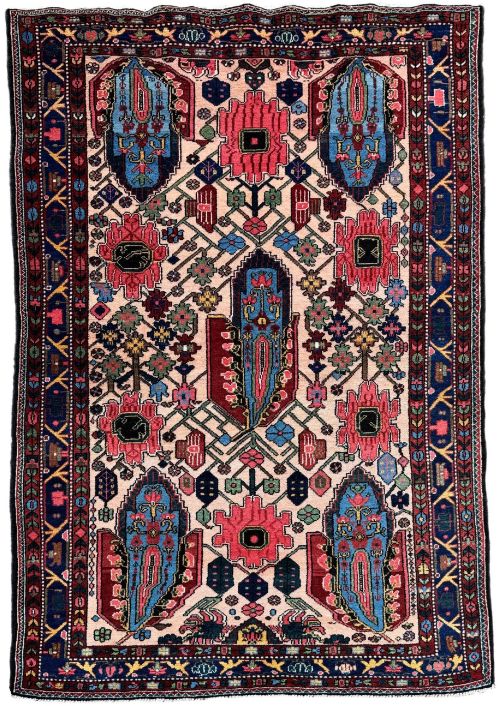
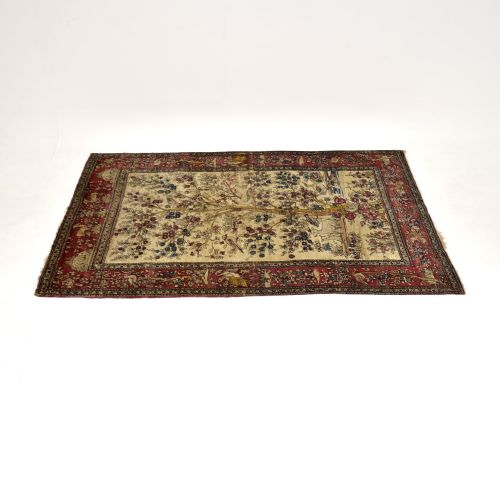
Red persian weaving encompasses a diverse range of floor coverings and nomadic textiles created across different regions of Persia. Buyers browsing this selection will encounter tribal rugs, village carpets, and smaller functional items such as saddle bags and vanity bags.
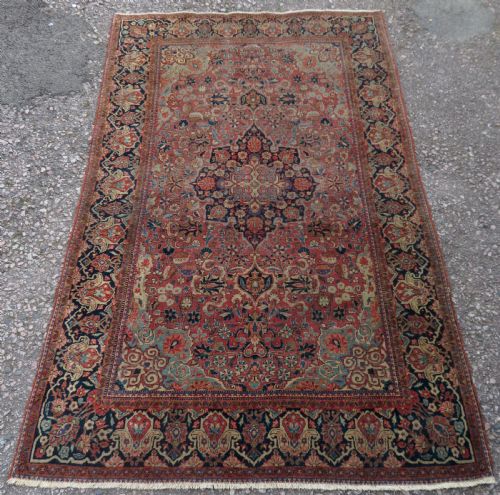
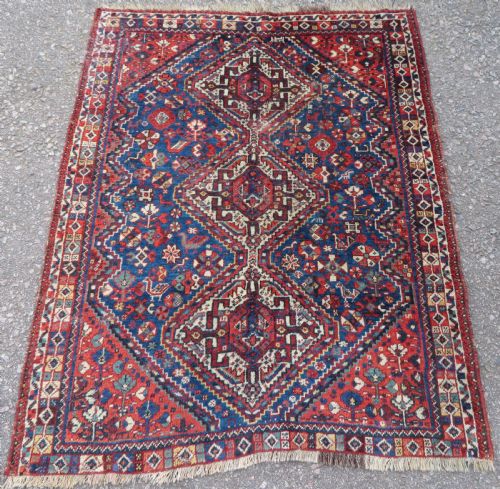
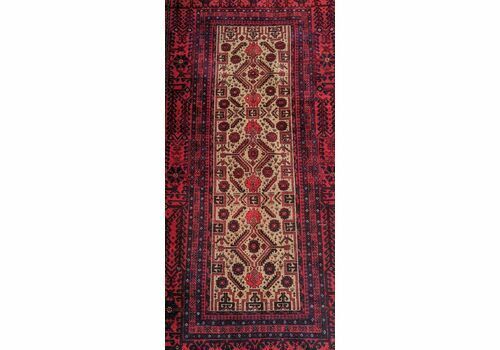
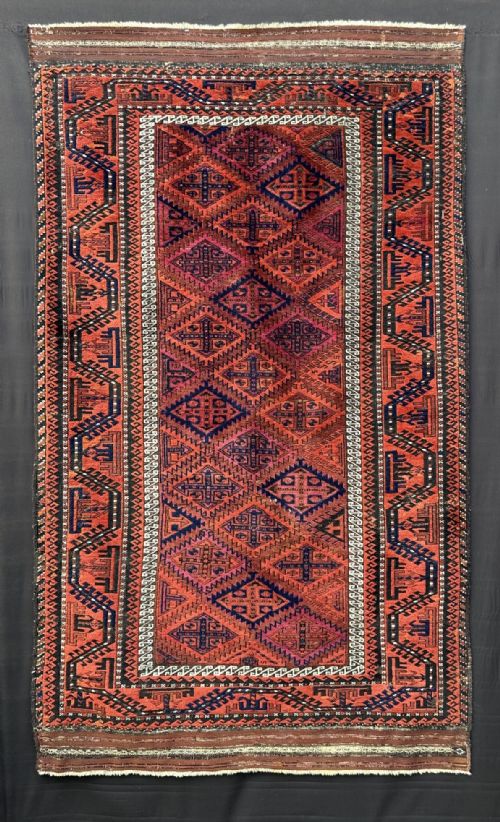
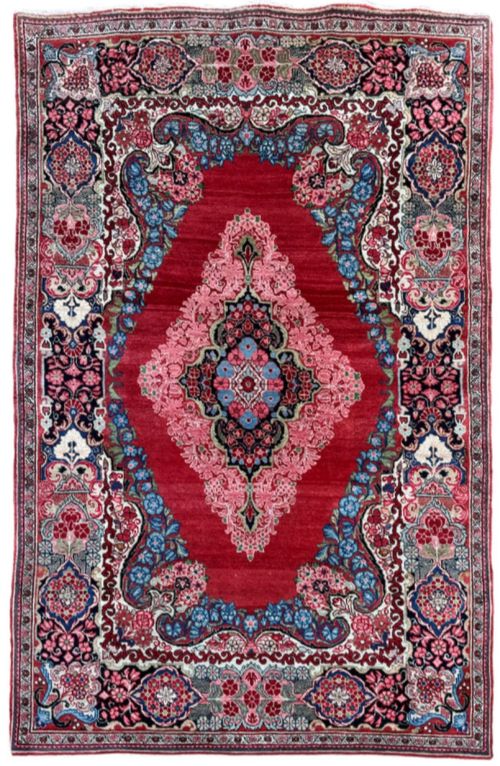
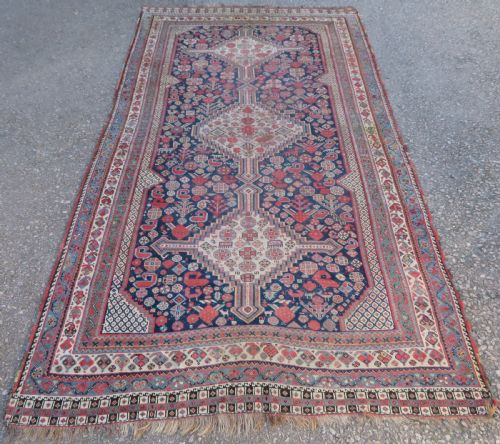
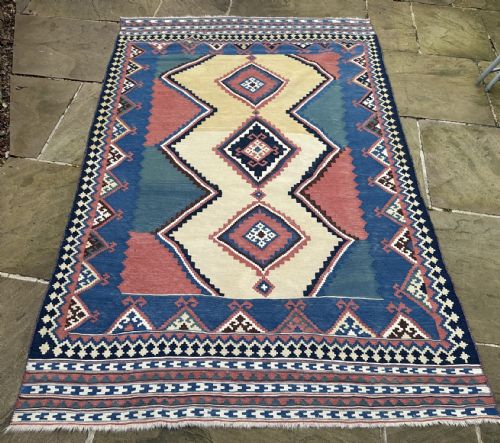
The most common examples on this page hail from nineteenth and early twentieth-century periods, spanning styles from Baluch and Qashqai tribal groups to urban workshops like Kashan and Tabriz. These textiles serve both utilitarian and decorative roles in interiors.
Village and nomadic pieces often display geometric medallions and tribal motifs, while city productions lean towards intricate floral and medallion layouts. Each regional grouping contributes distinct coloration and structural traits to the inventory.
How they were made
Makers utilised hand-spun wool for the pile, combined with cotton foundations and occasional silk highlights to create tactile depth. Natural dyes provided the characteristic red backgrounds and contrasting motifs seen across tribal and village pieces.
Weavers knotted the pile by hand onto warp and weft threads, employing techniques passed down through generations of nomadic and village workshops. Flatweave kilims and utilitarian bags utilised specialised slit-weave and pile construction methods appropriate to their function.
Nomadic weavers occasionally included tiny stray motifs or deliberate colour shifts in their rugs to ward off bad luck.
What varies in quality
Quality rests upon the fineness of the knotting, the precision of the geometric or floral layout, and the depth of the natural dye palette. Tighter foundations and carefully prepared hand-spun wool yield greater resilience over decades of use.
The distinction between standard village output and finer tribal or city weaving lies in the complexity of the design execution and the selection of materials. Superior examples maintain structural integrity alongside well-preserved pile and harmonious colour saturation.
The Red Persian Weaving Glossary
- Medallion
- A central ornamental motif placed in the field of a rug or carpet. It often dictates the symmetry of the surrounding design.
- Pile
- The upright yarn loops that form the soft surface of a knotted carpet. Materials typically consist of wool, cotton, or silk.
- Kilim
- A flatwoven textile produced without a raised pile. These items serve as rugs or practical covers.
- Warp
- The vertical foundation threads stretched tightly on a loom. Weft threads are interlaced across them to secure the knots.
- Bagface
- The decorative front panel of a nomadic storage bag detached for preservation. These fragments display miniature tribal designs.
Red Persian Weaving: Frequently Asked Questions
How do I clean a tribal rug?
Gentle surface brushing and professional dusting maintain wool pile without disturbing natural dyes.
Immersion washing should be left to specialists who understand historic textiles and regional weaving methods.
Where were these village rugs made?
Production occurred across various Persian provinces, including Khorassan, Fars, and the Chahar Mahal region.
Nomadic confederacies and settled villagers each applied distinct regional motifs to their weaving.
Can I place carpets in high traffic?
Durable wool pile and strong cotton foundations handle regular footfall in living spaces.
Lighter silk highlights or fragile bagfaces require more sheltered placement to prevent wear.
How do I identify a tribal design?
Tribal pieces usually feature repeating geometric patterns, stylized animals, and hooked medallions.
These motifs reflect the heritage of groups like the Qashqai, Baluch, and Bakhtiari.