
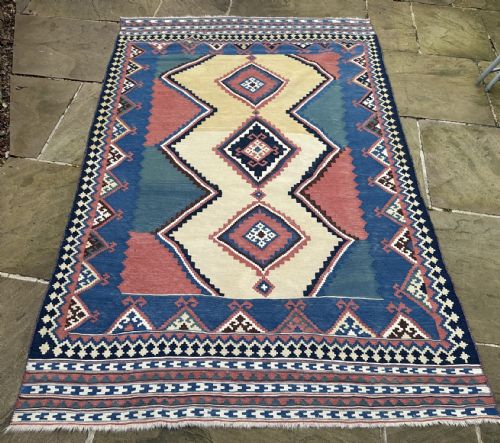


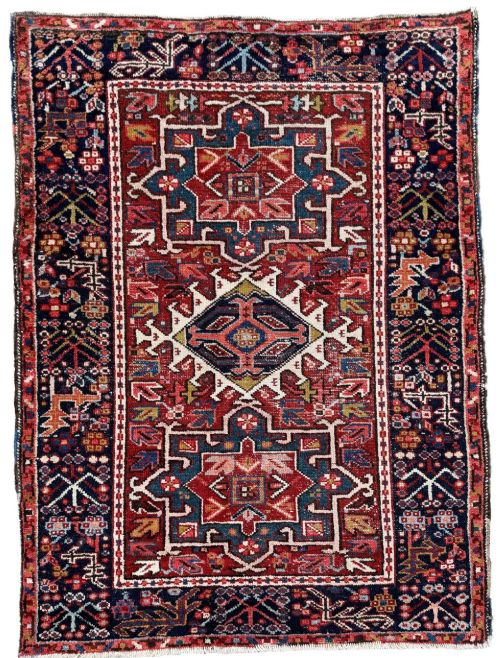



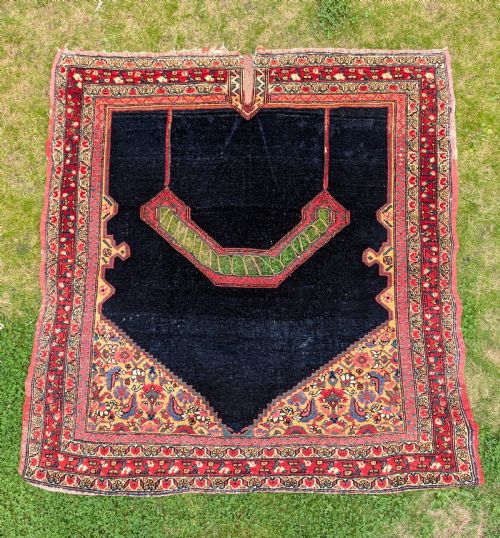
Red Persian Tribal Rug
When you search for a red persian tribal rug, you find handmade floor coverings carrying centuries of nomadic village weaving traditions.
Red Persian Tribal Rug
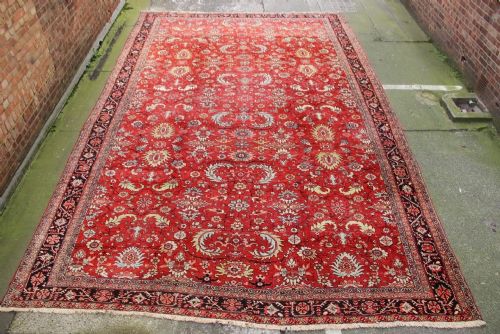
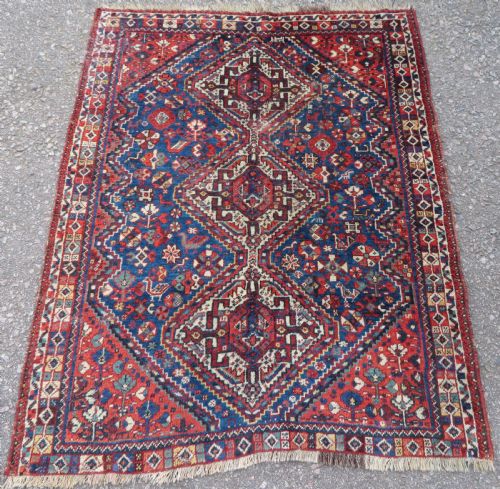
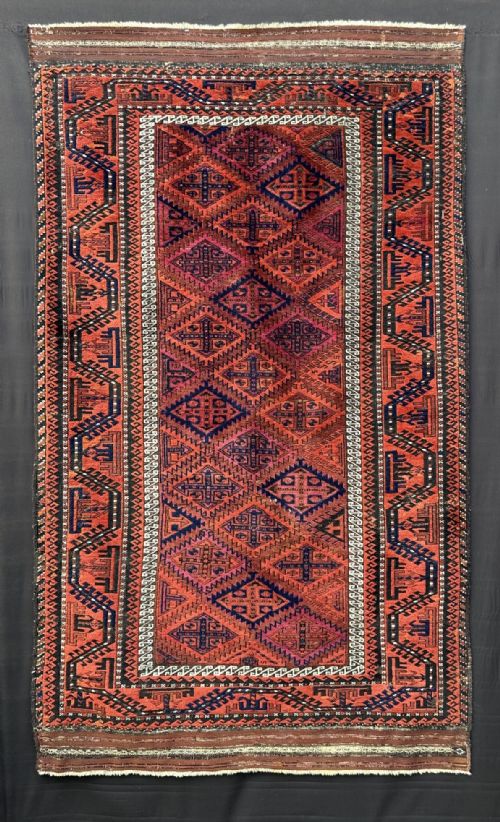
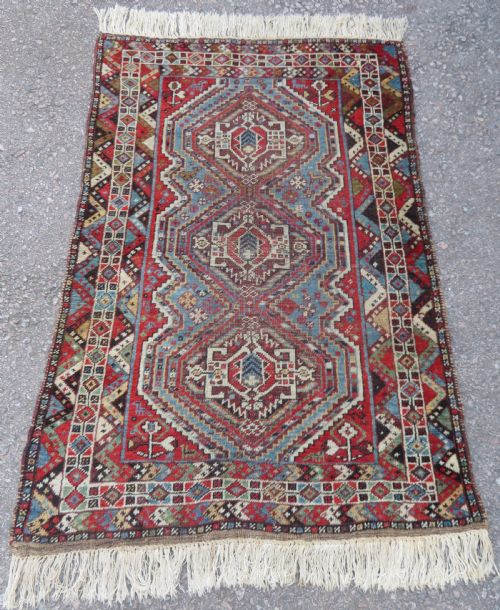
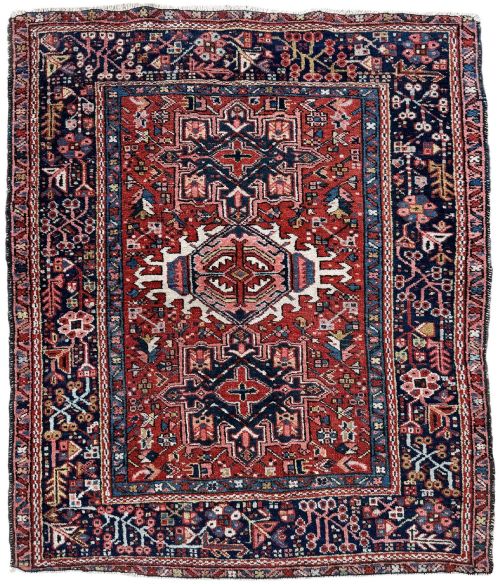
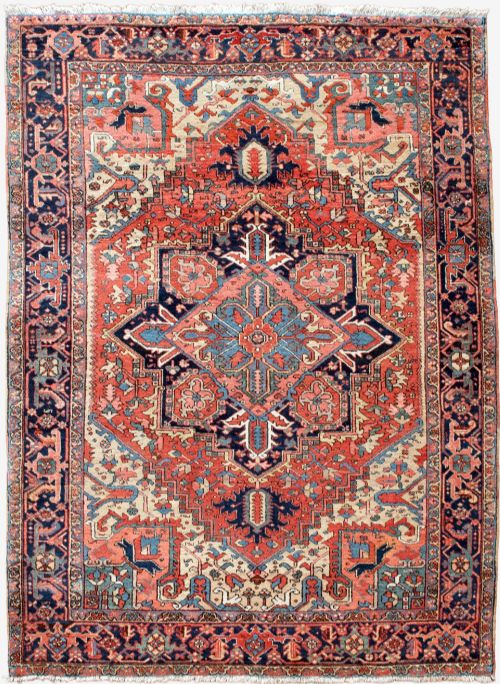
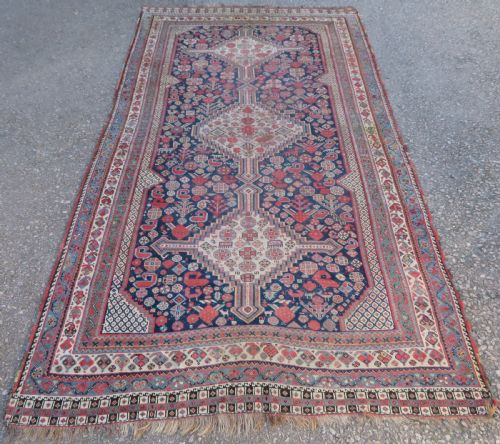
A red persian tribal rug encompasses hand-woven carpets, runners, and saddle bags produced by nomadic and village groups across regions like Kerman, Kurdistan, and Hamadan. These textiles date from the nineteenth century into the mid-twentieth century, showing distinct tribal patterns and regional styles.
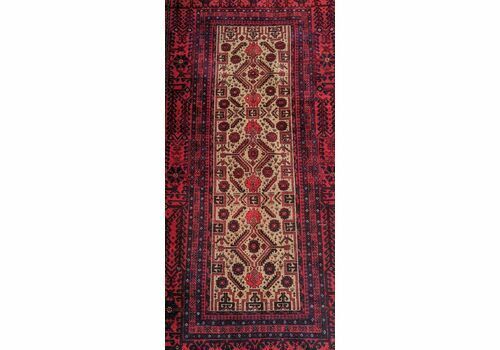
The pieces on this page appear as area rugs, long hallway runners, prayer rugs, and smaller hearth-sized floor coverings. Village weavers and nomadic tribes such as the Afshar, Bakhtiar, Qashqai, Lori, and Baluch created these practical items for daily domestic use.
How They Were Made
These textiles utilise wool, hand-spun wool, and cotton foundations combined with natural dyes to achieve rich red colour palettes and durable structures. Weavers hand-knot the pile tightly onto warp and weft threads using traditional village techniques passed down through generations.
The materials reflect local resources available to nomadic groups, yielding heavy wool fabrics designed to withstand sustained use in domestic settings. Natural dyeing methods produce the characteristic varied tones seen across regional types.
Some weavers included tiny misplaced motifs or deliberate wool colour shifts, ensuring no two tribal carpets are ever truly identical.
What Varies in Quality
Quality depends upon the tightness of the weave, the precision of the geometric or floral medallion design, and the clarity of the natural dyes. Finer knots per square inch and well-balanced proportions separate sophisticated village pieces from simpler utility items.
The integrity of the wool and the preservation of the original hand-spun pile and borders influence the overall character. Variations in wool preparation and dye saturation create distinct visual depth across different regional groups.
The Red Persian Tribal Rug Glossary
- Runner
- A long, narrow carpet format traditionally utilised in hallways or corridors.
- Medallion
- A central decorative motif placed in the middle of the field, frequently seen in Persian carpet designs.
- Warp
- The vertical foundation threads stretched tightly on the loom before knotting begins.
- Weft
- The horizontal threads passed alternately over and under warp threads to secure the knots in place.
- Saddle bag
- A utilitarian woven container utilised by nomadic groups for transport during migration.
Red Persian Tribal Rug: Frequently Asked Questions
How do I identify a tribal rug?
Tribal rugs typically display geometric patterns, village motifs, and irregular lines that reflect the independent hand of individual nomadic weavers. These designs contrast with the formal, curved court patterns found in urban workshop carpets.
Materials usually consist of sturdy wool and cotton foundations coloured with natural dyes. Regional variations help attribute specific pieces to groups such as the Qashqai, Afshar, or Baluch.
How should I clean my rug?
Gentle surface cleaning and regular light vacuuming without a rotating brush help maintain the wool pile safely. Professional cleaning tailored to antique textiles preserves the natural lanolin in hand-spun wool.
Avoid harsh chemical detergents and excessive water immersion to protect natural dyes. Proper air circulation beneath the piece prevents moisture accumulation.
Can I use a runner in a hallway?
Runners fit narrow spaces like corridors, entryways, and staircases due to their elongated rectangular format. Their durable wool construction withstands regular foot traffic effectively.
Placing an appropriate rug underlay beneath the runner prevents slipping and reduces friction against the floorboards. This support extends the working life of the textile.