



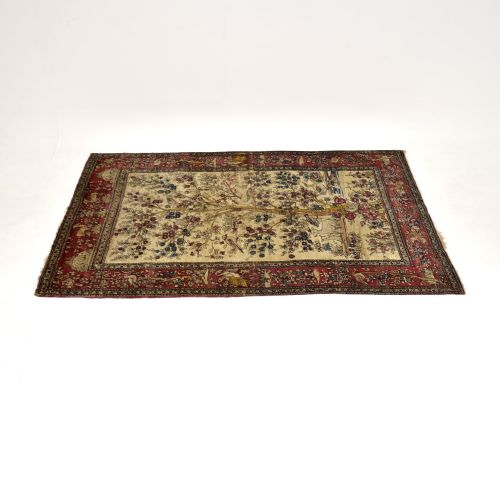

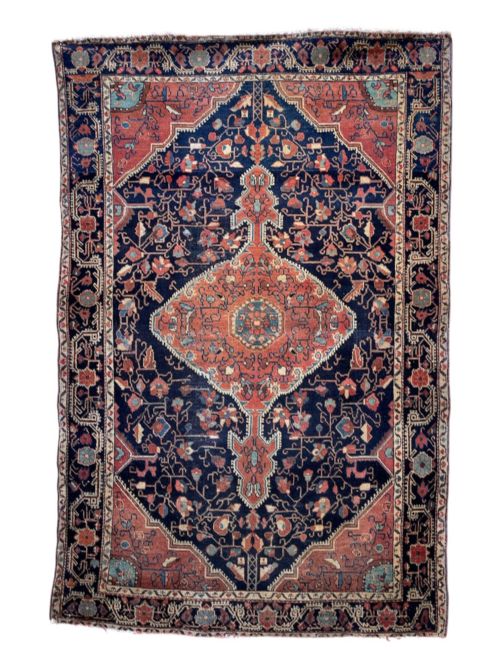
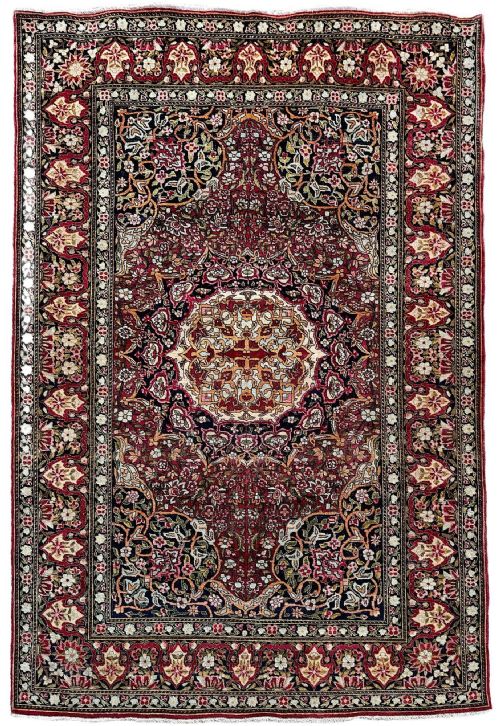
Red Persian Floor Rug
A red persian floor rug brings depth and warmth to a room through dense wool knots and traditional village patterns.
Red Persian Floor Rug
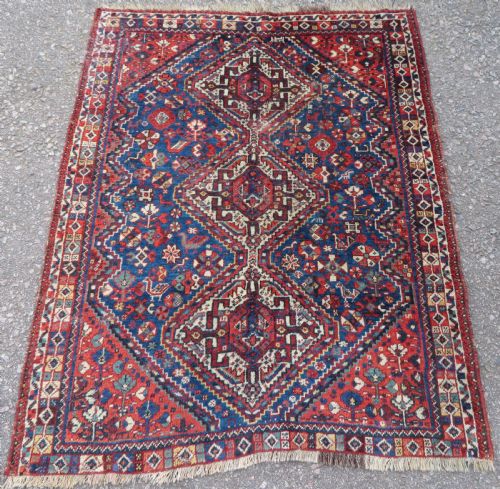
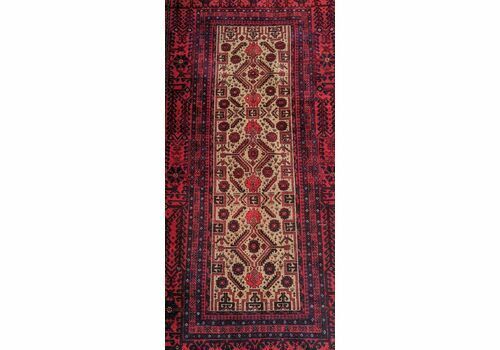
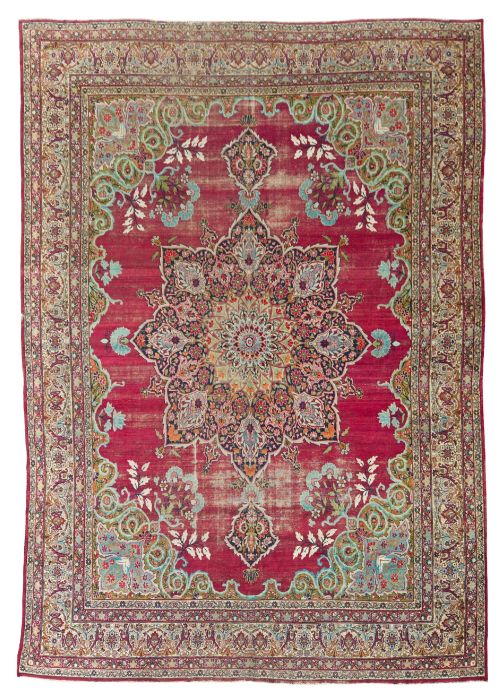
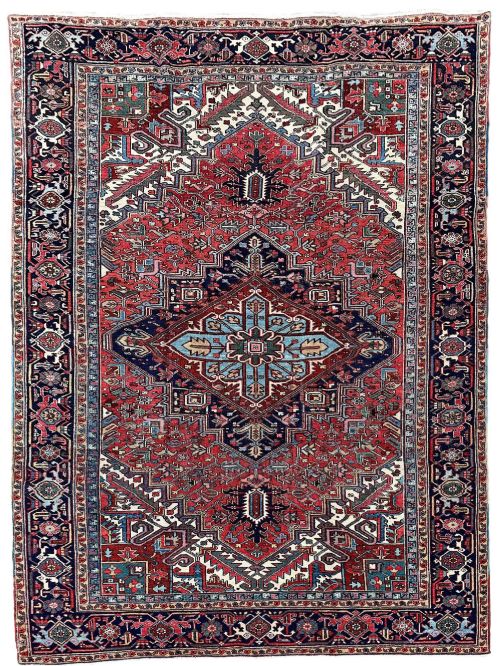
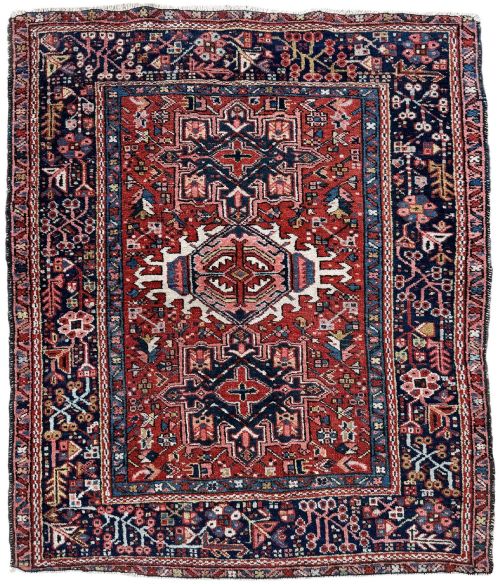
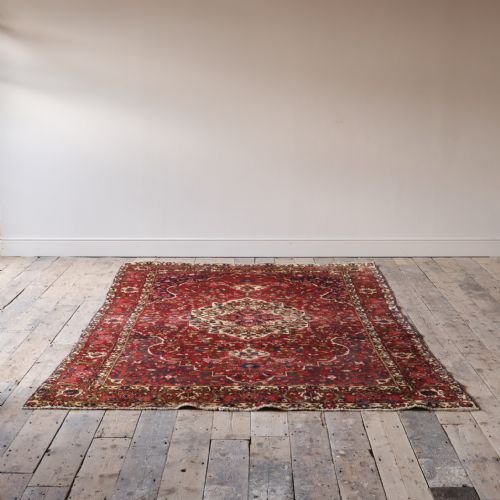
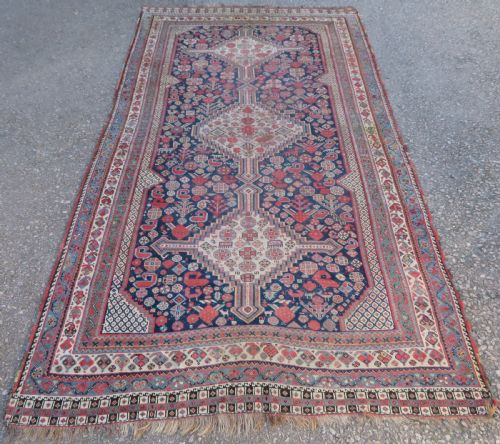
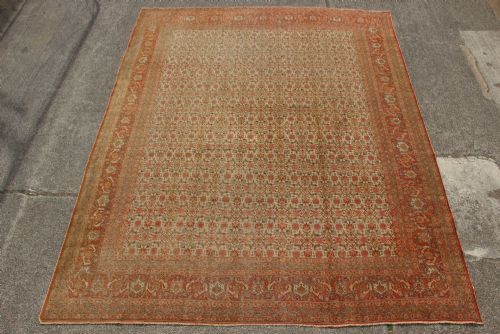
A red persian floor rug encompasses hand-knotted pieces originating from Persian workshops, towns and tribal regions during the nineteenth and early twentieth centuries. These textile forms range from small hearth rugs and area rugs to substantial carpets and long hallway runners designed for heavy domestic use. Buyers seeking a red persian floor rug will encounter diverse regional designs such as Heriz, Bakhtiar, Afshar and Bidjar.
The materials span traditional wool, cotton foundations and occasional silk highlights that emphasise specific motifs. Production dates across the listings centre primarily around the Victorian and Edwardian eras, extending from the mid nineteenth century into the 1940s. Each region imparts distinct design characteristics, from geometric tribal formats to large scale village medallions.
Evaluating quality and execution
Knot density and the precision of the weave dictate the structural integrity of an antique carpet or rug. Finer pieces demonstrate tighter knot counts per square inch, allowing intricate medallion and floral details to appear crisp and well defined.
The quality of the wool and the depth of the dye saturation govern how a rug ages under foot traffic. Superior examples retain resilient pile surfaces and harmonious colour variations across the field, reflecting skilled dye preparation and careful material selection.
Listings feature wool, cotton and silk materials across rugs, carpets and runners dated from 1850 to 1940.
The Red Persian Floor Rug Glossary
- Pile
- The upright yarn loops that form the soft surface of a rug. This upper layer absorbs wear and displays the woven design.
- Warp
- The vertical foundation threads stretched tightly on the loom before knotting begins. These strong cotton or wool cords support the entire structure.
- Weft
- The horizontal threads passed between rows of knots to bind the structure together. They keep the individual rows tight and secure.
- Medallion
- A large central ornamental design motif placed in the middle of the rug field. It serves as the primary focal point for many traditional styles.
- Runner
- A long, narrow carpet format specifically proportioned for corridors and staircases. These pieces guide movement through domestic spaces.
Red Persian Floor Rug: Frequently Asked Questions
How do I clean an antique rug?
Gentle surface brushing and professional specialist washing preserve the natural wool fibres and dyes over decades of use. Avoid harsh chemical agents and excessive water immersion.
Regular light vacuuming without a rotating power brush prevents dust accumulation within the pile.
Where were these rugs made?
Production took place across various regions of Persia, including Heriz, Kerman, Isfahan, Saroukh and Bidjar. Tribal groups like the Afshar and Bakhtiar also produced distinctive regional pieces.
Town workshops focused on refined floral compositions, whilst village and tribal weavers preferred bold geometric patterns.
Can I place these rugs in heavy traffic areas?
Traditional wool construction and sturdy cotton foundations provide natural durability suited to domestic environments. Dense weaves withstand regular movement in hallways and living rooms.
Using a suitable underlay prevents slipping and cushions the foundation against hard flooring surfaces.
How do I identify a tribal design?
Tribal rugs display repeating geometric motifs, stylised animals and hooked polygons rather than curved court floral patterns. Weavers relied on memory and local tradition instead of drawn paper cartoons.
Asymmetry and spontaneous colour shifts often indicate nomadic or village production methods.