

Red Persia Carpet
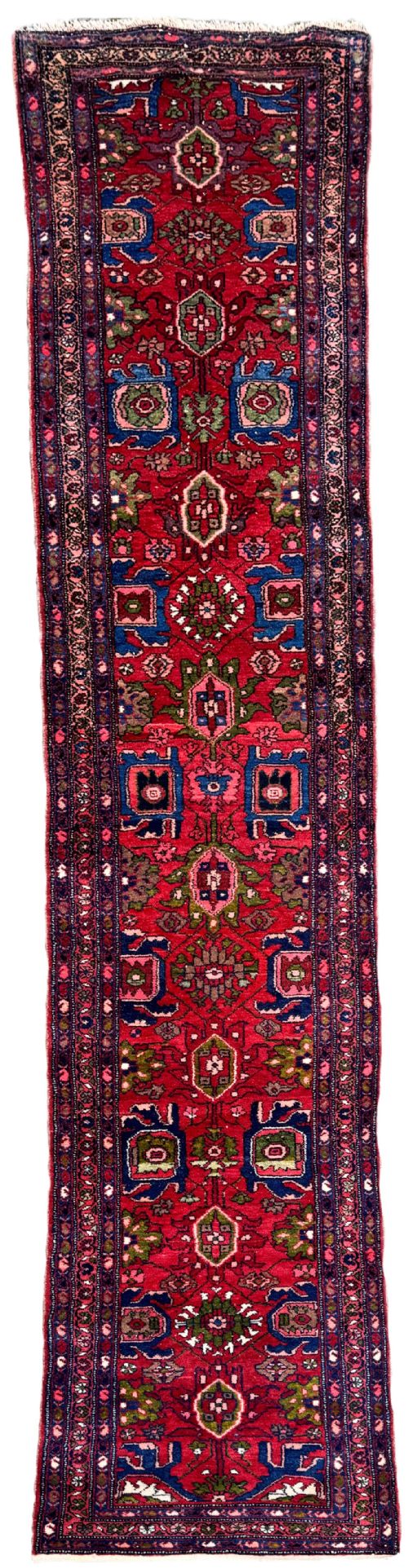
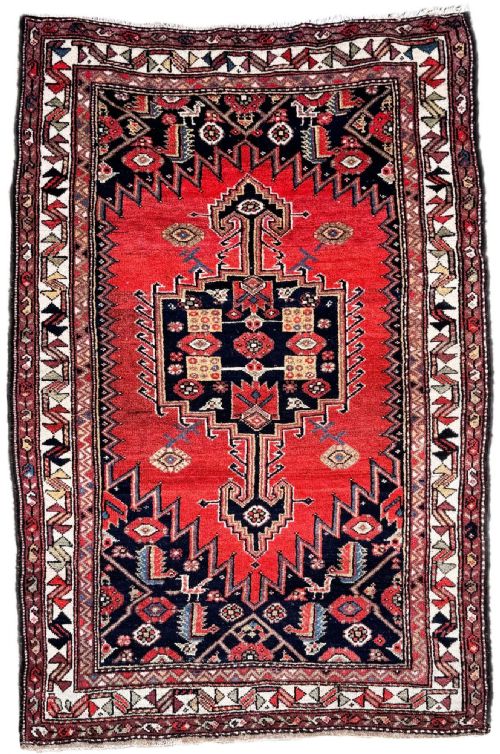
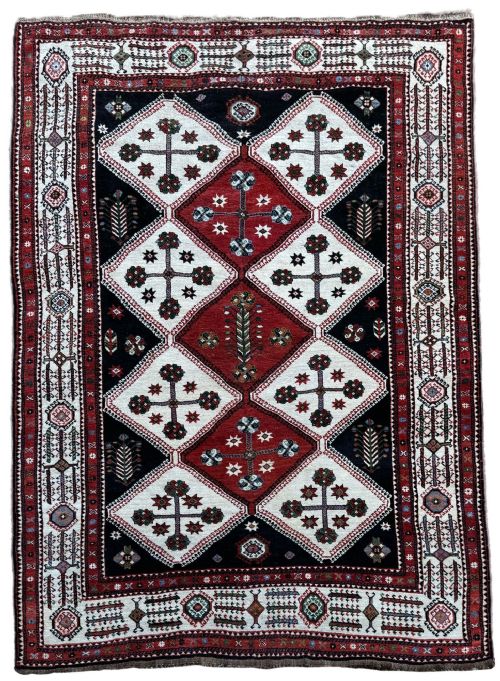
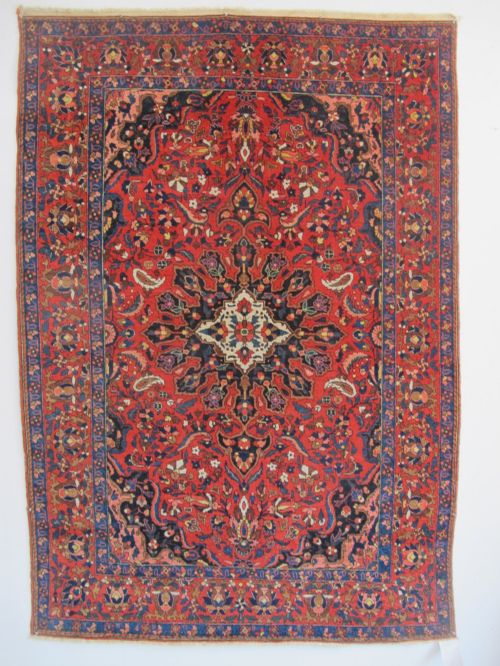
When you search for a red persia carpet, you encounter hand-knotted village and tribal floor coverings woven in crimson, madder, and terracotta tones across Persian weaving centres.
Red Persia Carpet
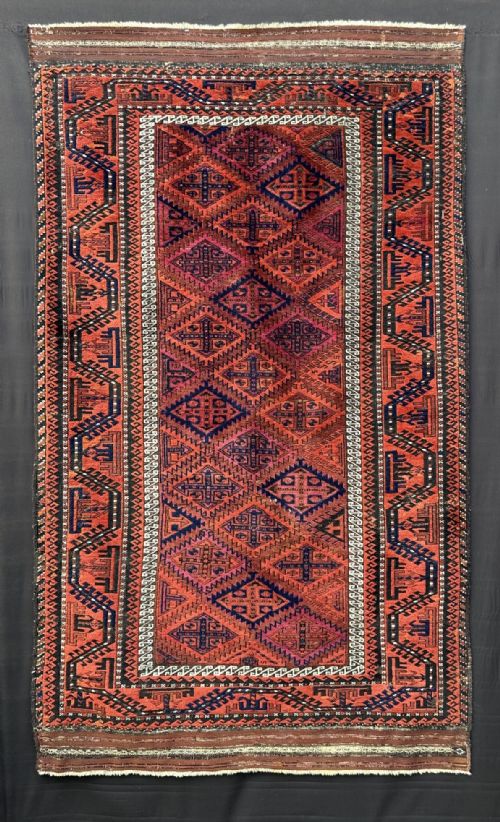
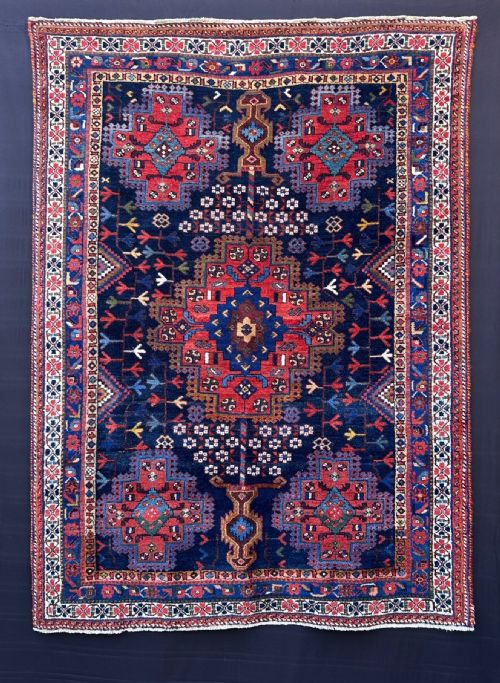
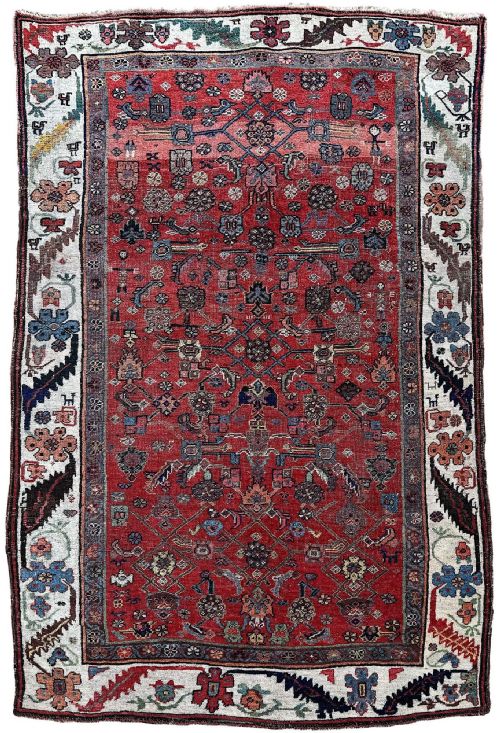
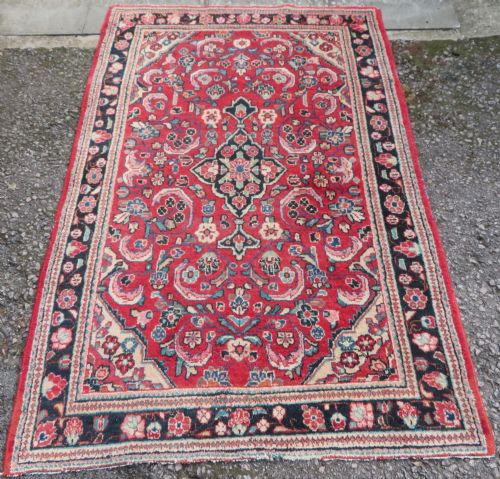
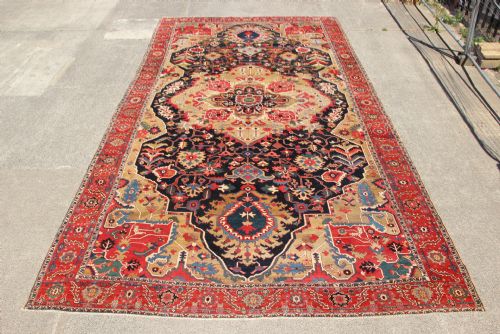
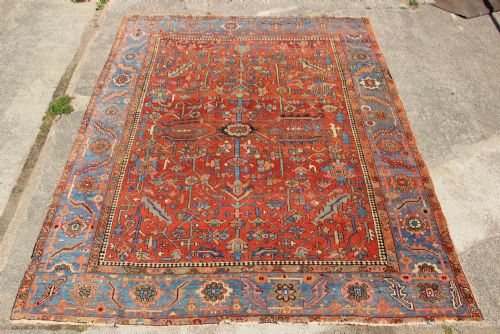
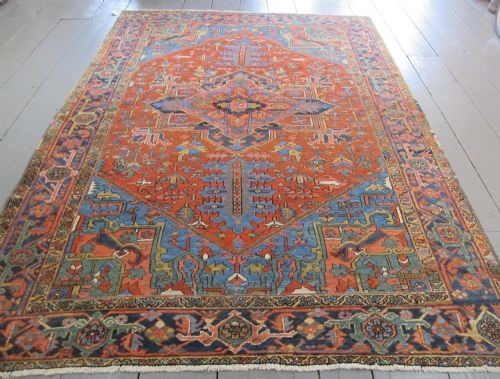
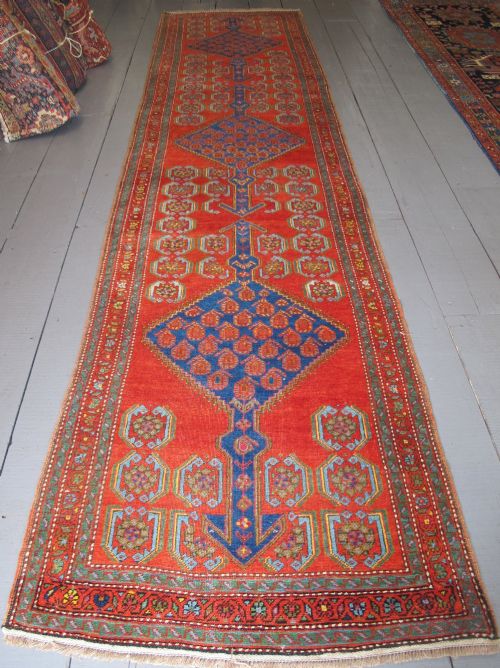
A red persia carpet encompasses traditional village rugs, large room-sized carpets, and tribal runners originating from distinct regions such as Heriz, Bidjar, Hamadan, and Bakhtiari. These floor coverings span production dates primarily from the late nineteenth century through to the early decades of the twentieth century.
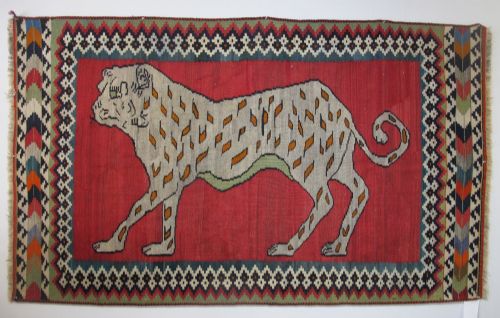
Buyers frequently encounter pieces woven by nomadic confederacies and settled village communities, including Afshar, Qashqai, Luri, and Khamseh groups. These textiles serve both utilitarian functions as heavy floor protection and decorative purposes through distinctive geometric or medallion compositions.
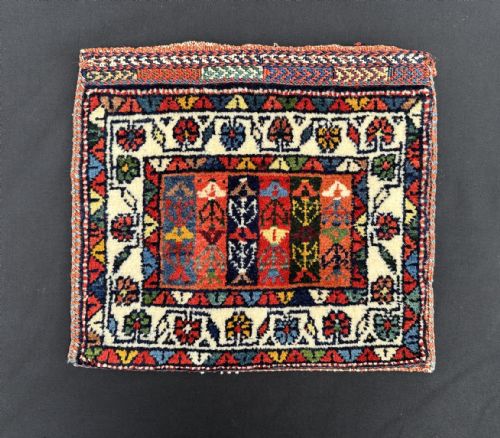
The format varies from compact tribal mats and vanity-bags to elongated hallway runners and extensive country house carpets exceeding six metres in length. Such variety reflects the diverse domestic and nomadic environments in which these textiles were knotted.
Materials and construction
Weavers relied principally on sheep wool for the pile, utilising cotton for foundations in many urban and village workshops while employing wool or mixed foundations in nomadic pieces. Natural dyes, including madder root for deep reds, provided the varied chromatic palette observed across these carpets.
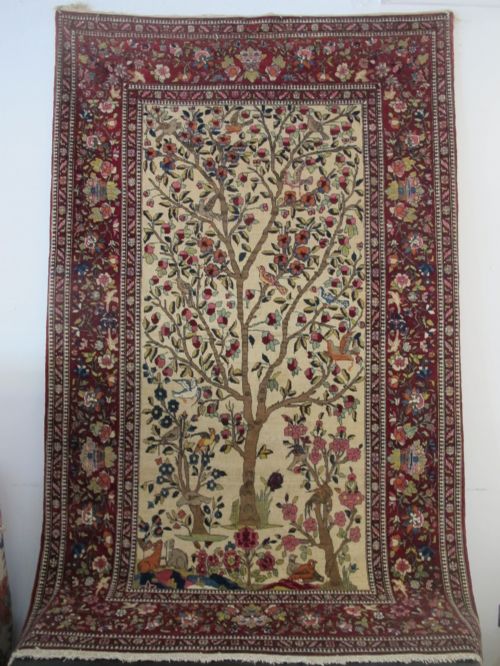
The construction involves hand-knotting wool pile onto warp and weft threads, creating dense structures designed to withstand decades of heavy usage. Silk appears in specific urban examples, such as fine Kashan and Isfahan pieces, offering a different textural weight compared to standard wool construction.
Certain nomadic Afshar weavers utilised their portable looms to produce miniature storage vessels alongside standard floor rugs.
Distinctions in execution
The density and precision of the hand-knotting separate standard village production from exceptionally fine urban workshop pieces. Tighter knot counts allow for greater clarity in intricate medallion and floral designs.
The saturation and depth of natural dye usage influence the visual success of the red field, where subtle shifts in tone indicate careful dye preparation rather than uniform chemical application.
The Red Persia Carpet Glossary
- Madder
- A natural dye derived from the root of the Rubia plant, utilised historically to achieve rich red and terracotta hues in Persian textiles.
- Warp
- The stationary vertical threads stretched upon the loom, which form the structural foundation upon which the wool pile is knotted.
- Weft
- The horizontal threads passed alternately over and under warp threads to secure the rows of knots in place.
- Medallion
- A symmetrical central decorative motif ornamenting the field of a carpet, frequently seen in Heriz and urban workshop designs.
- Pile
- The cut or uncut loops of yarn forming the functional upper surface of the carpet, traditionally spun from sheep wool or silk.
Red Persia Carpet: Frequently Asked Questions
How do I identify a Heriz carpet?
Heriz carpets are characterised by bold geometric medallions, robust wool foundations, and distinct angular corner spandrels woven in northwest Persia.
They typically present sturdy structures well-suited for heavy foot traffic in domestic reception spaces.
Were these carpets woven with natural dyes?
Many examples from the nineteenth and early twentieth centuries incorporate natural dyes derived from plants and minerals, notably madder root for red fields.
These colourants often age with subtle tonal variations across the pile.
Where were Afshar rugs made?
Afshar rugs originate from the tribal groups inhabiting the Kerman province and surrounding regions in southern Persia.
They frequently feature distinctive repeating boteh motifs or geometric field patterns.
How should I care for an antique wool carpet?
Maintenance requires regular gentle vacuuming without rotating brush heads to protect the wool pile and woven fringes.
Professional specialist cleaning is recommended to preserve natural dye stability over time.