



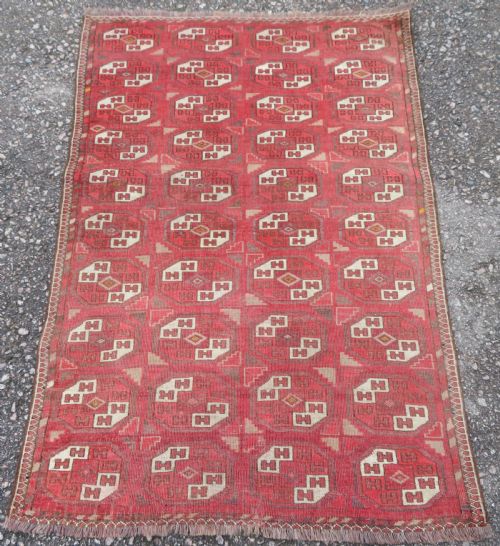
Red Patterned Area Carpet
A red patterned area carpet brings warmth and deep pigment into a room, spanning tribal origins and urban workshops across the centuries.
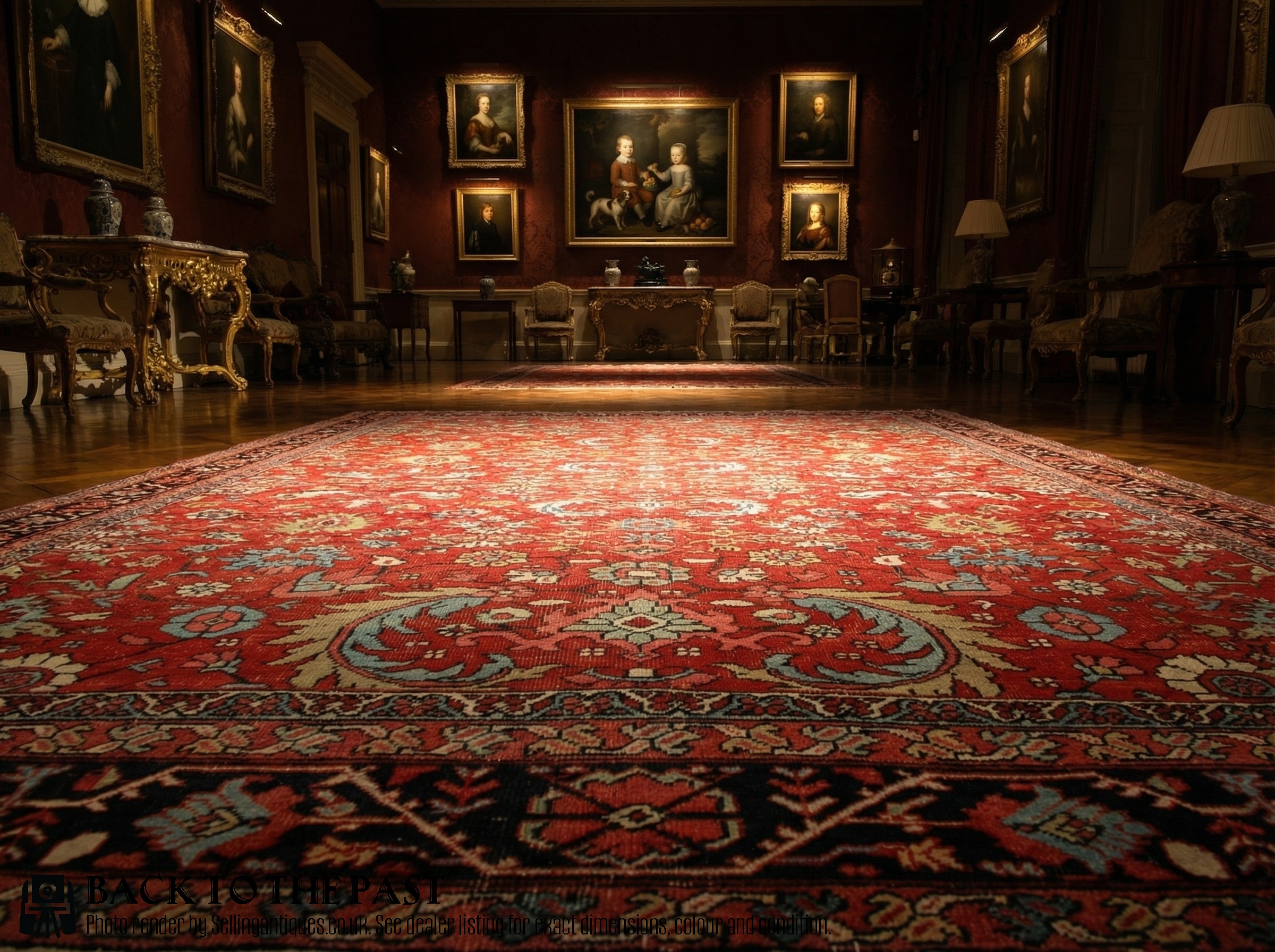
Red Patterned Area Carpet
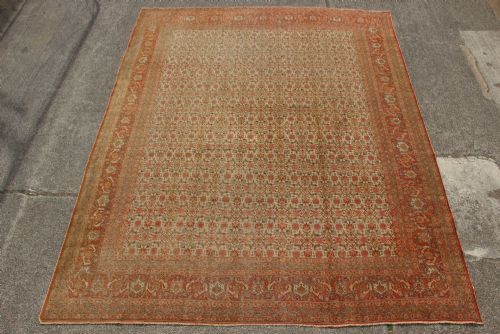
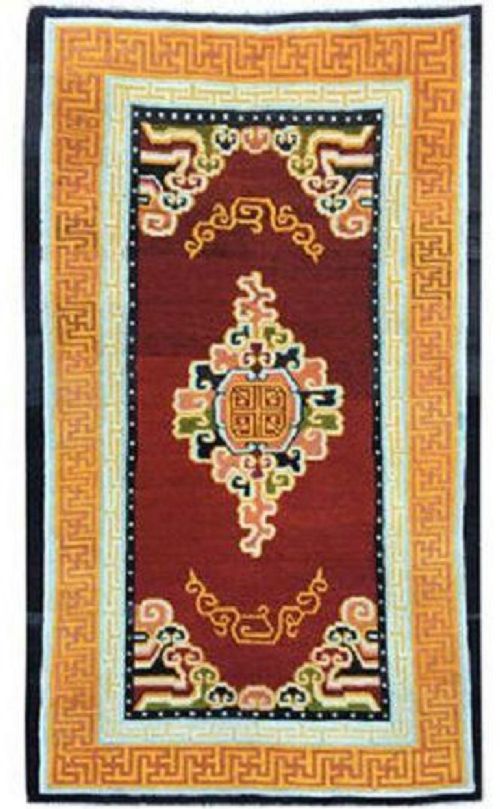
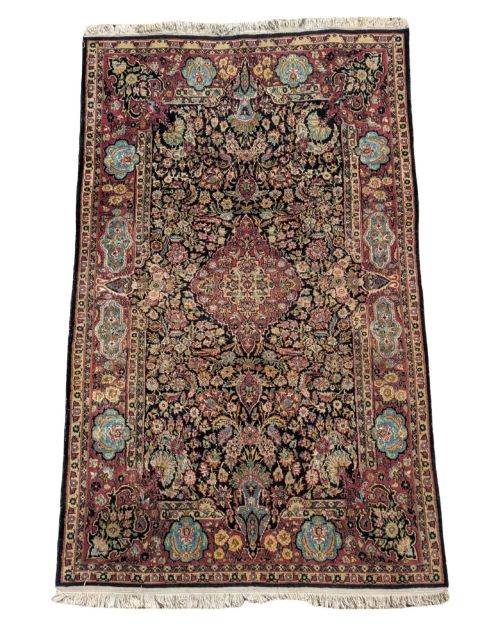
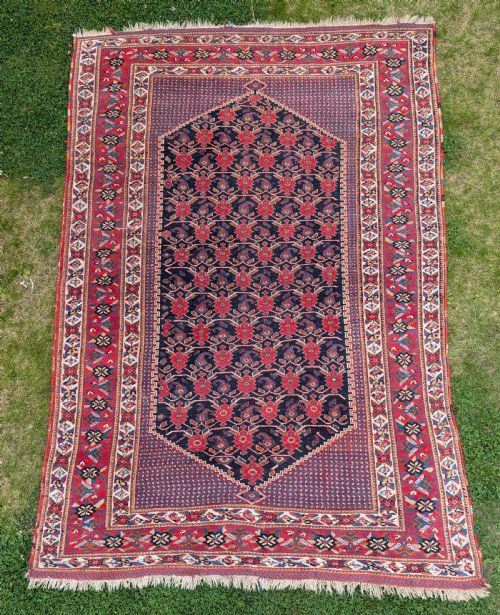
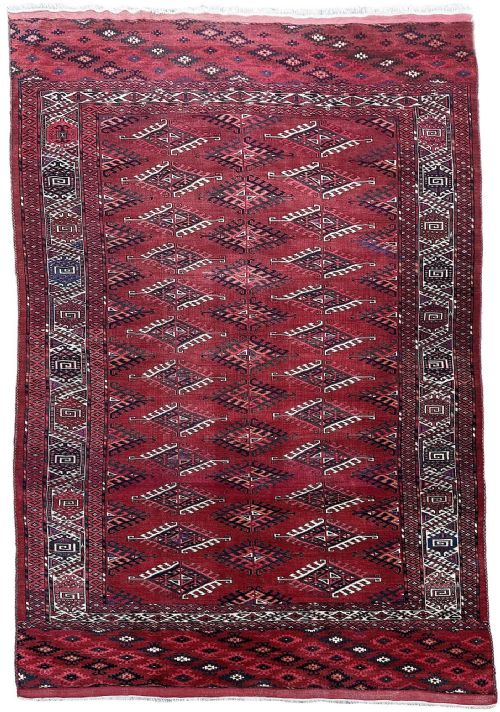
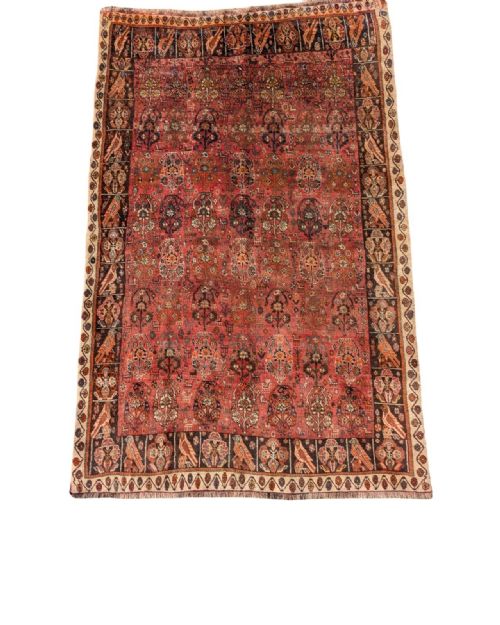
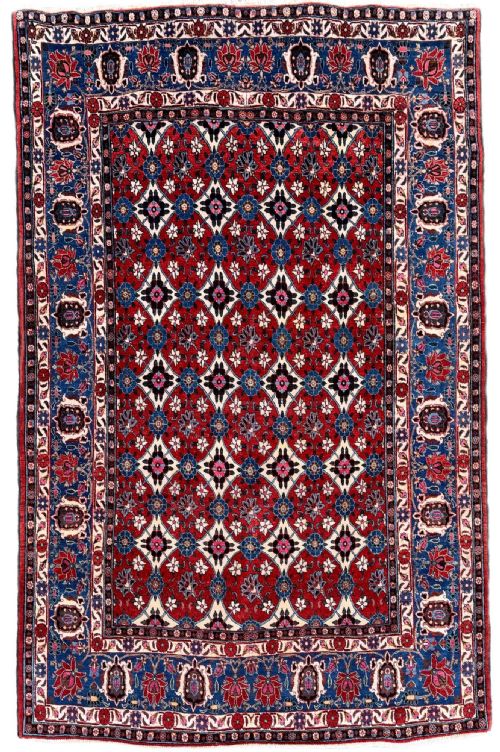
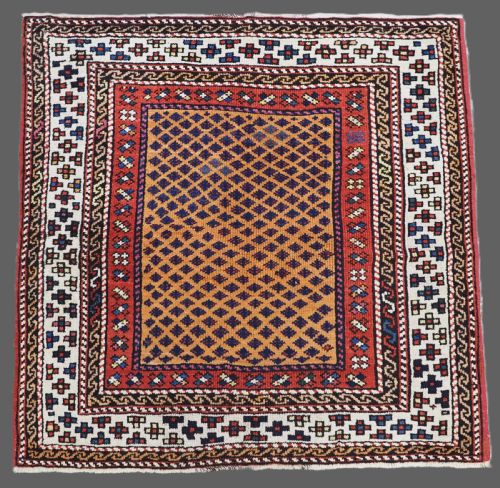
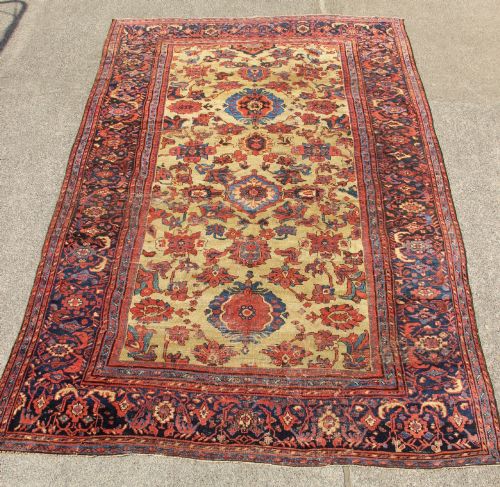
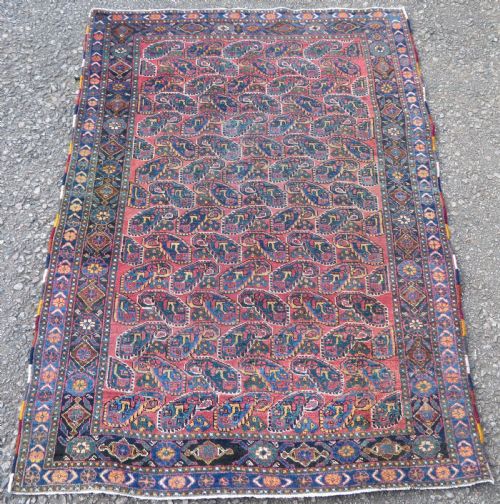
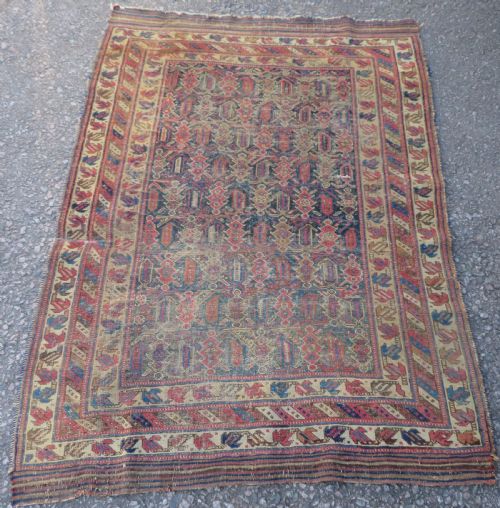
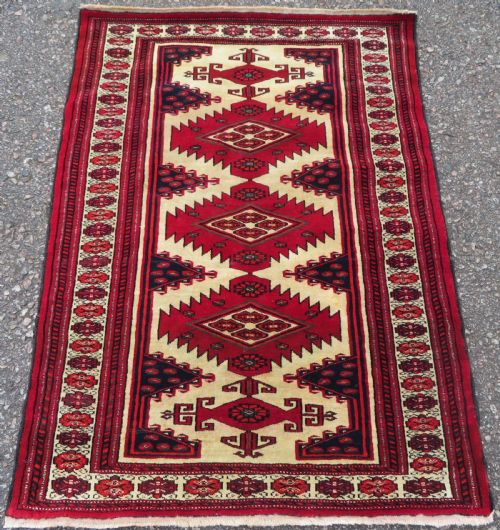
A red patterned area carpet encompasses hand-knotted room-size floor coverings, runners, and smaller rugs originating from Persia, the Caucasus, Turkey, Turkmenistan, and Tibet. The inventory draws heavily upon traditional Persian styles alongside tribal pieces from Turkmen, Afghan, and Caucasian weavers.
Makers shaped these textiles from the mid-nineteenth century through the early twentieth century, producing formats ranging from square Bergama rugs to palace-size Kashan and Fereghan carpets. Buyers encounter specific regional expressions such as Afshar, Hamadan, and Veramin alongside nomadic tent door rugs and pictorial hunting scenes.
Distinctions in quality and execution
Knot density and structural integrity dictate the precision of the pattern and the longevity of the pile. Tighter knots allow curvilinear floral motifs in Kashan or Heriz carpets to resolve with sharpness.
The choice of dyes influences the character of the piece over time. Natural dyes yield rich variations in shade across the wool surface, whereas secondary materials like silk highlights add definition to specific design elements.
Some nineteenth-century weavers included hidden animal motifs and small human figures among the geometric foliage of their carpets.
The Red Patterned Area Carpet Glossary
- Boteh
- A stylised floral or almond-shaped motif representing a seed or cypress tree. This motif appears frequently in traditional Persian weaving.
- Warp
- The vertical foundation threads stretched tightly on the loom before knotting begins. Weft threads pass horizontally between rows of warps to secure the knots.
- Pile
- The upright cut or looped yarn forming the usable surface of the carpet. The density of the pile affects the texture and durability of the rug.
- Runner
- A long, narrow carpet format designed for hallways, corridors, or staircases. These pieces often feature repeating geometric or medallion designs.
- Natural Dyes
- Colourants derived from plants, insects, and minerals rather than synthetic chemical processes. These dyes produce complex tones that age with character.
Red Patterned Area Carpet: Frequently Asked Questions
How do I place a runner rug?
Runners fit narrow spaces such as hallways, entryways, and corridors where a standard rectangular format proves too wide. They protect high-traffic wooden floors while adding pattern and colour to transitional spaces.
Pile height matters in these areas, particularly near doors. Selecting a flat or medium pile ensures doors clear the carpet without catching during movement.
Where should I use a tribal rug?
Tribal rugs from regions such as the Caucasus, Turkmenistan, or Kurdish areas suit living rooms, studies, and bedrooms. Their geometric designs and village aesthetics anchor contemporary and traditional interiors alike.
These pieces work well on bare timber or stone floors. Their robust wool construction handles moderate foot traffic while providing tactile warmth.
What is a tent door rug?
A tent door rug, known as a kapunuk, served a functional and decorative purpose within nomadic dwellings in Central Asia. Weavers constructed these specialised wall or entrance hangings with specific flap configurations.
They display tribal symbols particular to groups such as the Ersari or Yomut. Collectors value them for their distinct cultural origins and survival outside standard carpet formats.
How do I distinguish regional Persian styles?
Regional Persian styles differ through palette, medallion structure, and motif vocabulary. Kashan and Fereghan carpets often feature detailed floral fields, whereas Heriz carpets display bolder geometric medallions.
Village pieces like Hamadan or Afshar utilise coarser wools and repeating tribal patterns. Examining the knotting style and border design helps identify the specific weaving district.