






Red Painted Sculptures
Red painted sculptures bring character and history into a room through vibrant pigment and tactile form.
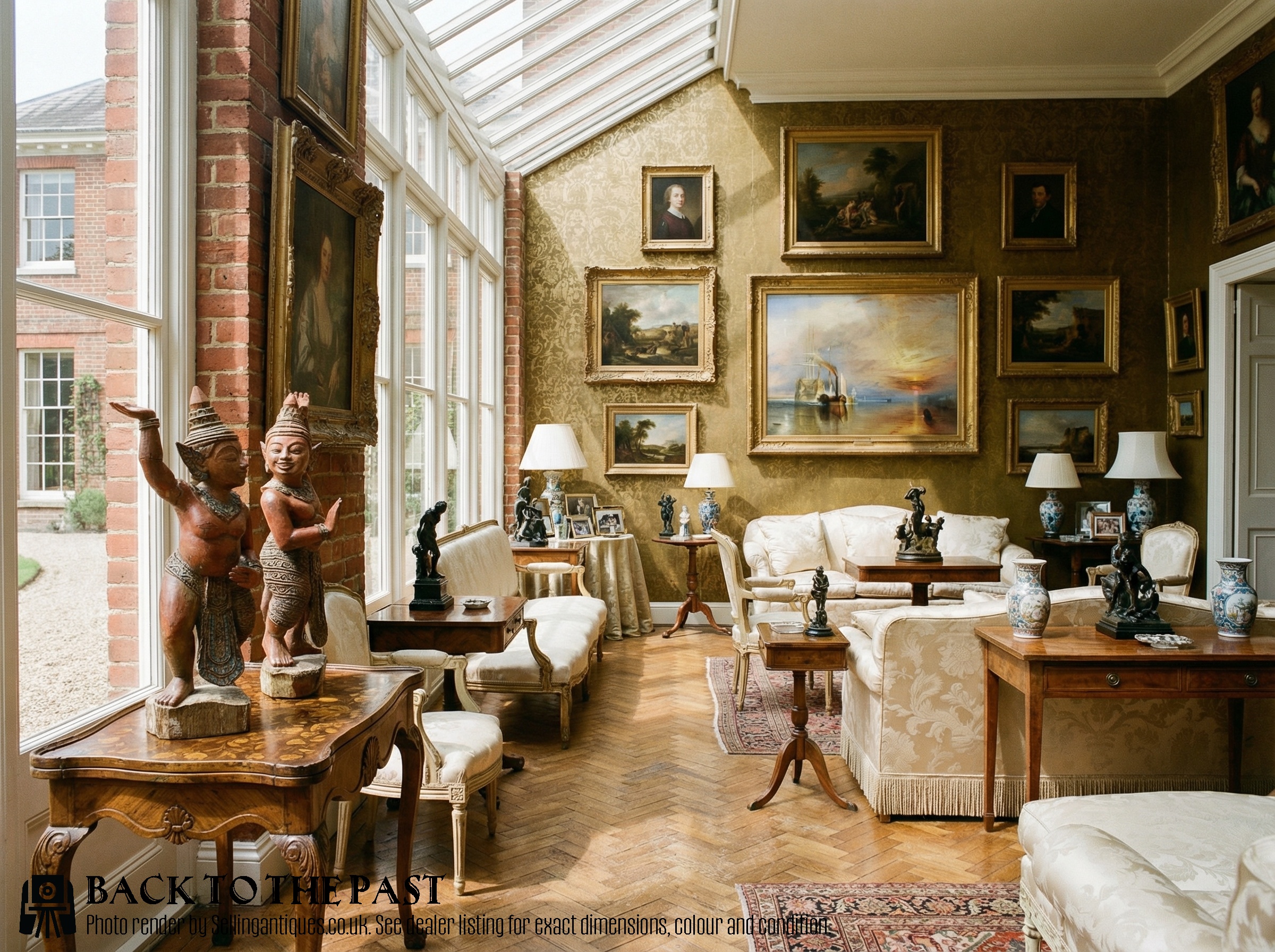
Red Painted Sculptures
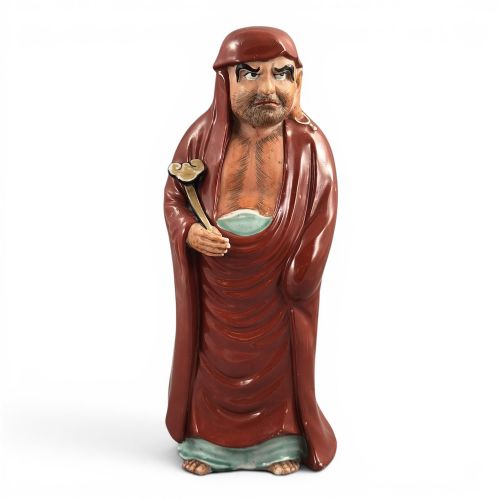
Red painted sculptures encompass carved wooden saints, cold-painted bronzes, and folk art figures spanning multiple centuries. When searching for red painted sculptures, buyers encounter everything from early religious carvings to decorative fairground pieces and Asian works.
Geographic origins vary widely, including English, Chinese, Austrian, and Indian pieces. Buyers find both European devotional objects and Asian decorative sculptures sharing the same visual palette.
Materials and construction
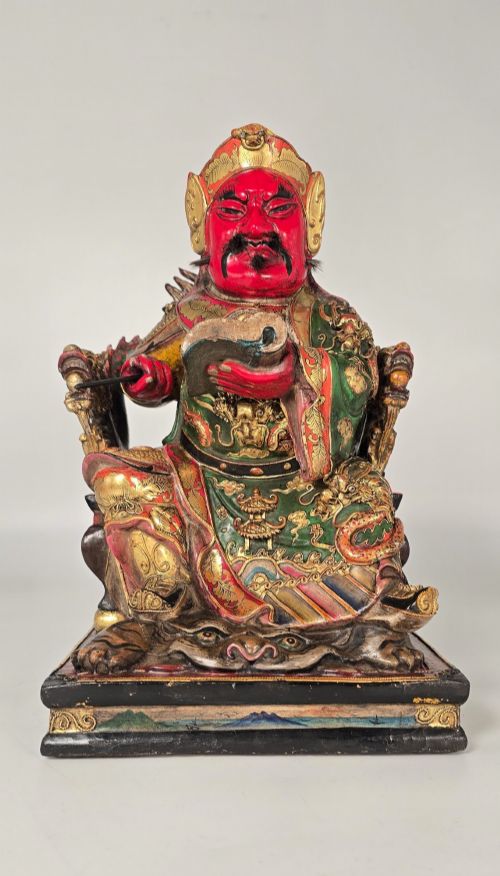
Carved wood serves as the primary substrate for many pieces, frequently finished with gesso and polychrome paint layers. Artisans applied pigments directly to carved surfaces, sometimes incorporating gold leaf highlights.
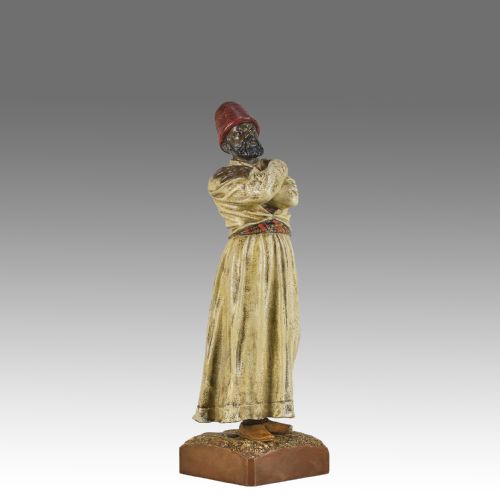
Metal sculptures utilise bronze cast through specialised foundry methods, then finished with cold-applied paint rather than high-heat firing. Terracotta and cast stone provide alternative structural bases for figures and planters.
Surface treatments rely on original paint finishes, showing natural wear over decades or centuries. Enamel and lacquer additionally appear on specific Asian and decorative objects.
A grinning garden gnome in flaky paint stands shoulder-to-shoulder with centuries-old saints and divine figures.
Assessing quality
Quality rests heavily on the preservation of the original surface and the crispness of the carving beneath the pigment. Pieces retaining their early or original paint without heavy modern repainting command greater attention.
The sophistication of the maker's hand shapes the value, visible in the natural drape of garments or the anatomical accuracy of figures. Cast bronzes display refinement through meticulous detail in the cold-painted application.
Historical integrity dictates the distinction between standard decorative items and masterworks by documented founders or carvers. The depth of patination on exposed wood and metal further guides an experienced eye.
Franz Bergman·Bruno Zach
The Red Painted Sculptures Glossary
- Polychrome paint
- Decoration applied in several colours on sculptural works. This technique brings depth and realism to carved wooden figures of saints and animals.
- Cold-painted bronze
- Metal cast sculptures decorated with paint after casting rather than firing in a kiln. This method was widely utilised by Austrian foundries in the twentieth century.
- Gesso
- A plaster mix applied to wood surfaces as a smooth base for painting and gilding. It provides the foundational texture underneath many historical polychrome finishes.
- Okimono
- A Japanese freestanding decorative figurine. These objects showcase intricate carving traditions and detailed surface ornamentation.
- Mingqi
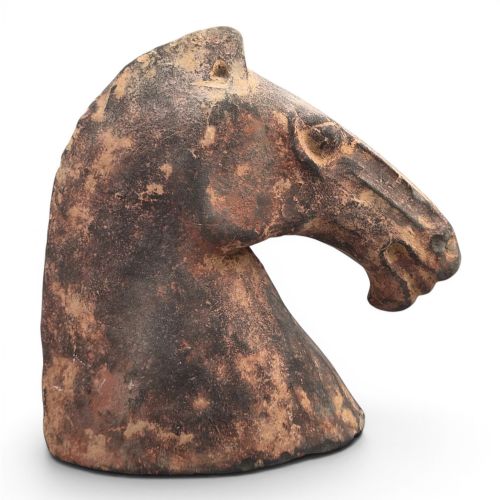
- Chinese spirit or tomb figures placed in burials to accompany the deceased. These terracotta pieces date back to early dynasties.
Red Painted Sculptures: Frequently Asked Questions
How do I clean an antique painted sculpture?
Dust surfaces gently with a soft, dry brush to protect fragile historic paint layers. Avoid using water, chemical solvents, or modern cleaning products which can strip original pigments.
Keep pieces away from direct sunlight and fluctuating humidity to prevent the underlying wood or terracotta from cracking and the paint from flaking.
What is cold-painted bronze?
Cold-painted bronze refers to metal sculptures that have been decorated with oil-based paints after the casting process, rather than undergoing high-temperature firing. This technique allowed for vibrant, detailed colouration on small figures.
Popularized by Viennese foundries, these pieces require careful handling to preserve the delicate paintwork from chipping.
How can I tell old paint from modern touch-ups?
Original paint typically shows natural craquelure, fading, and wear consistent with age and handling. Modern repainting often appears flat, sits heavily in crevices, or lacks the underlying patination of the material beneath.
Magnification under natural light helps reveal inconsistencies where new pigment overlaps older surfaces.
Where should I display these sculptures at home?
Place sculptures on stable surfaces such as sideboards, specialised stands, or mantelpieces away from high-traffic areas where they might be knocked. Ensure the display environment maintains a stable room temperature.
Pairing wooden figures with neutral backgrounds allows the rich red pigments and detailed carvings to stand out as focal points.