



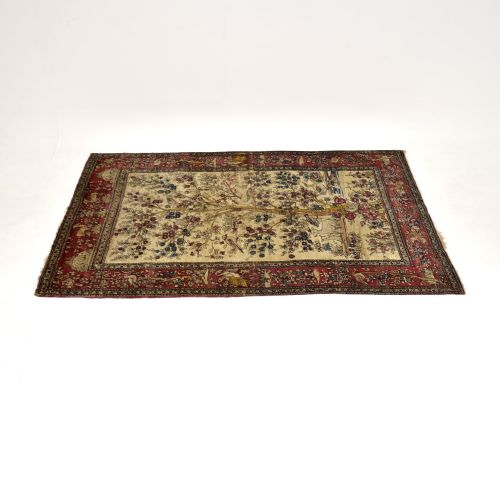
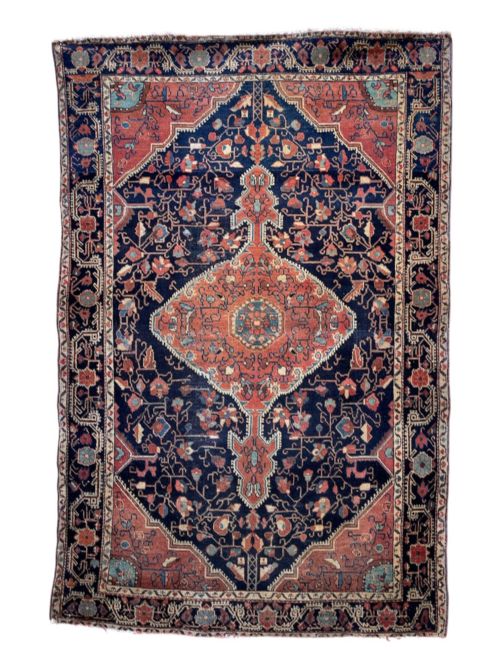
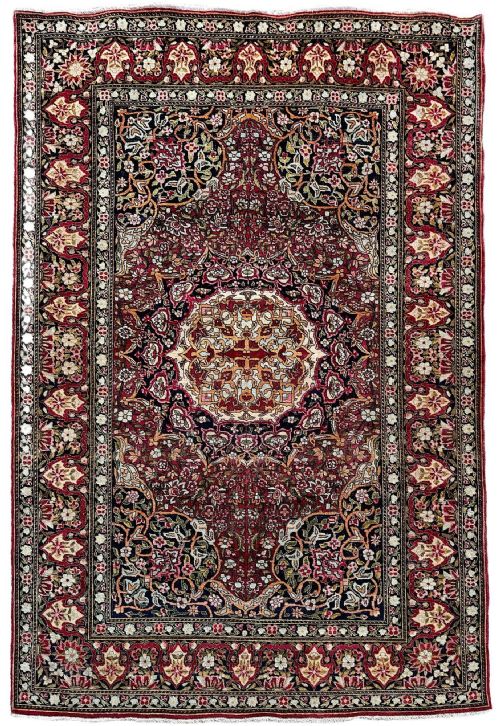
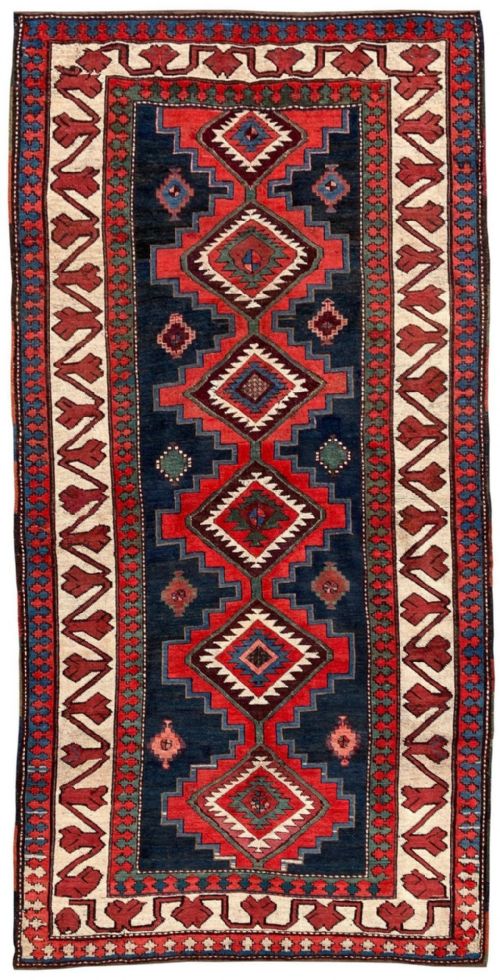
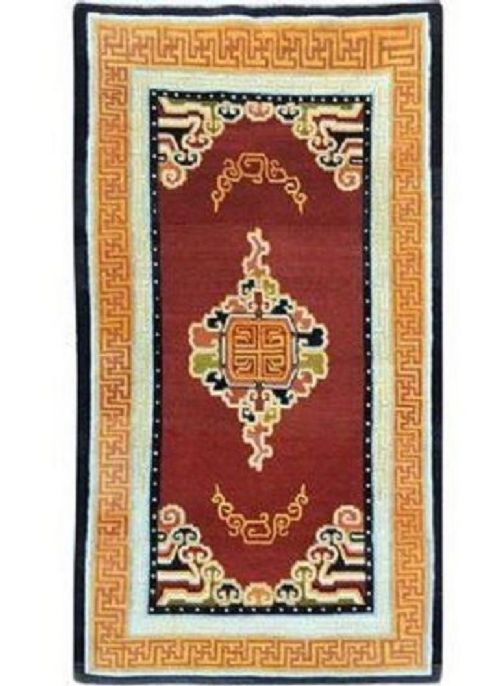
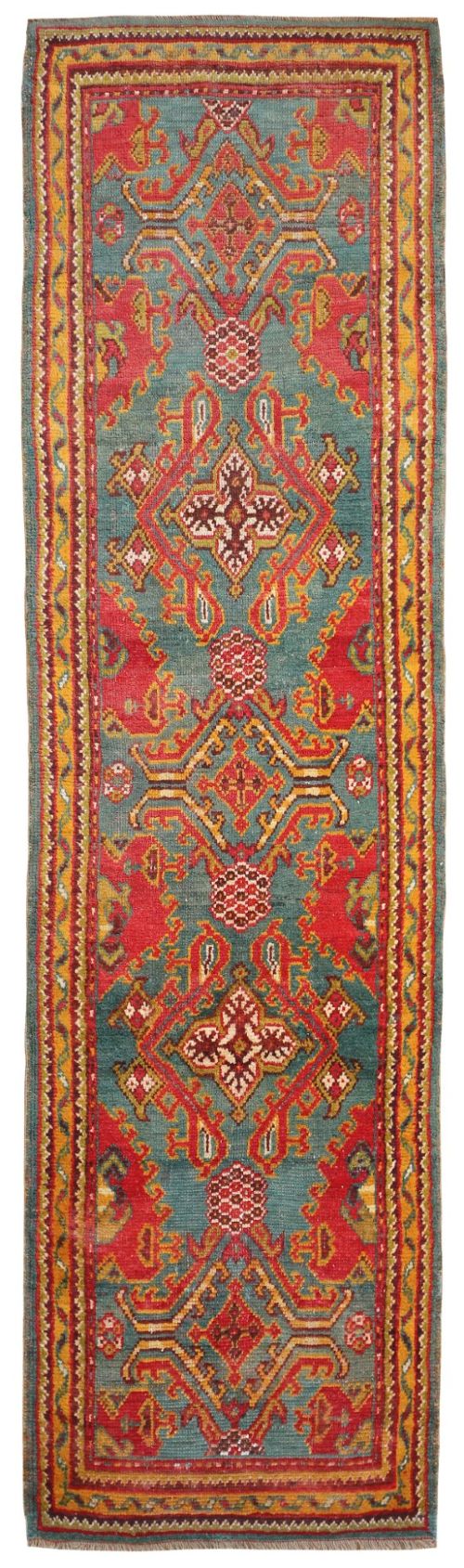
Red Oriental Area Rug
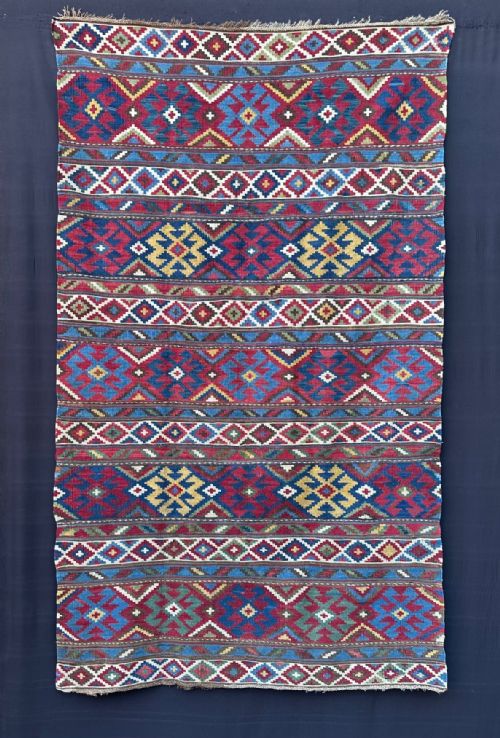
A red oriental area rug brings rich madder tones and tribal geometry straight to the floor.

Red Oriental Area Rug
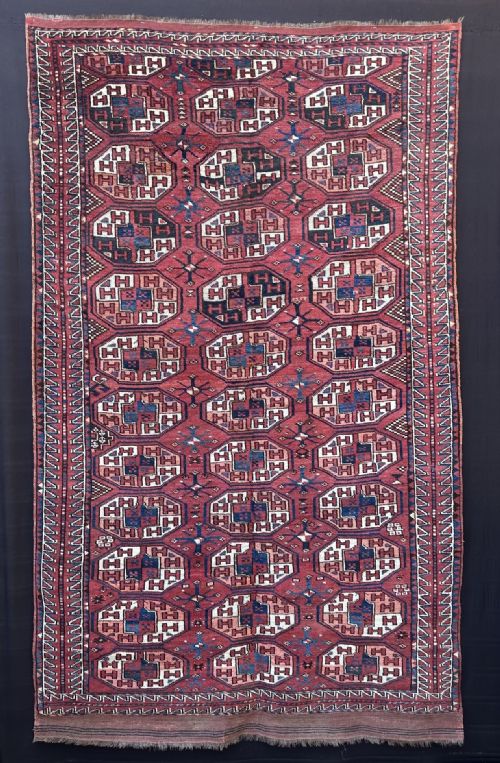
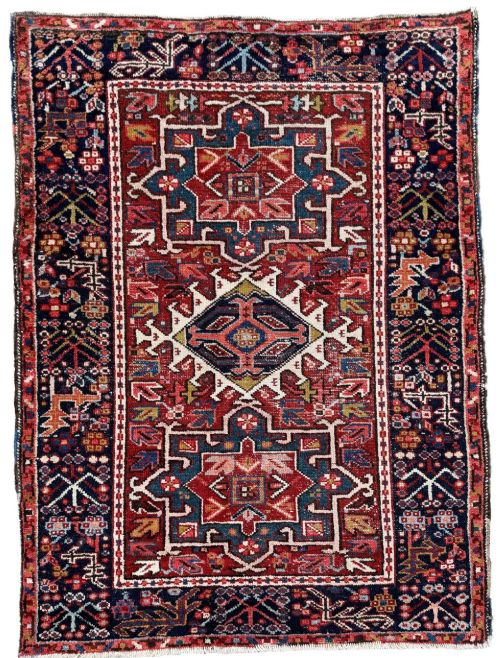
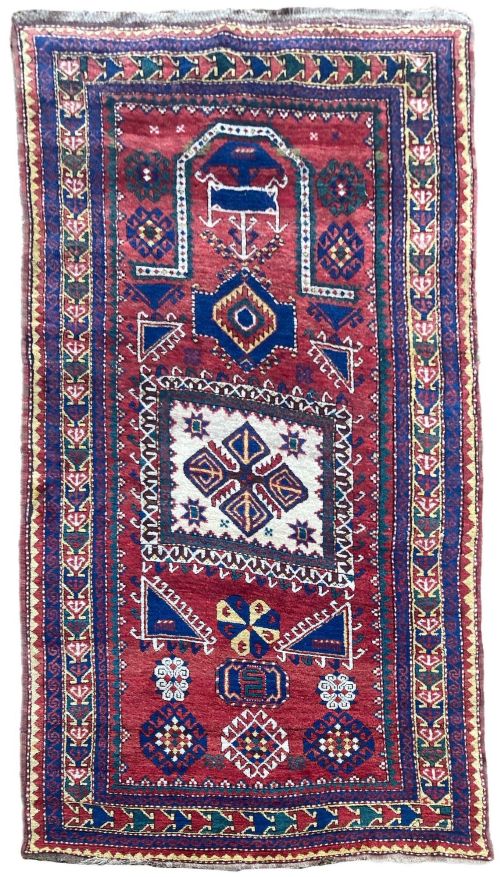
A red oriental area rug covers the floor with deep crimson dyes and traditional village or tribal patterns. These floor coverings arrive from Central Asia, Persia, and Northern Afghanistan, bringing distinct regional motifs into the home.
The selection centres on antique pieces from the late nineteenth and early twentieth centuries. Buyers encounter Turkmen tribal carpets, Persian room-sized carpets, and smaller village rugs bearing classic patterns.
Makers include specific weaving groups such as the Kizyl Ayak, Ersari, and Tekke tribes alongside workshops in centres like Hamadan, Ferahan, and Mahal. Each origin yields a distinct handle, palette, and structural rhythm.
How they were made
Weavers construct these floor coverings using durable wool pile tied onto sturdy cotton foundations. Natural materials absorb rich red dyestuffs evenly, creating deep madder grounds that age gracefully over generations.
Tribal and village weavers knot each piece by hand on vertical looms, building dense geometric fields and symbolic medallions. The resulting structures range from the sturdy depressed warps of Persian workshops to the heavier tribal weaves of Central Asian tent-makers.
Red Oriental Area Rug Retail Price Guide 2026
Typical asking prices for red oriental area rug among the pieces listed under this phrase on Sellingantiques today, from the lower quarter to the upper quarter. They describe what is for sale here now, not the wider market.
Some nineteenth-century dowry rugs conceal scarce ovoid guls woven secretly by tribal makers.
What varies in quality
Quality rests in the precision of the knotting, the saturation of the red dye, and the crispness of the tribal guls or floral medallions. Finer village and tribal pieces display tighter foundations and more carefully saturated secondary colours.
The distinction between standard village output and exceptional tribal weaving lies in the scarcity of the design elements, such as unusual ovoid gul motifs. Master weavers achieve a greater harmony of proportion across the field and borders.
The Red Oriental Area Rug Glossary
- Gul
- An octagonal medallion motif frequently repeated across Turkmen carpets and tribal rugs. This ancestral emblem identifies specific weaving tribes and regions.
- Madder
- A natural red dye extracted from the roots of the Rubia plant, forming the foundational crimson hue of these rugs. It yields deep, shifting tones that patinate softly over time.
- Warp
- The vertical threads running the length of the loom that carry the tension of the weave. Cotton warps provide a stable and durable foundation for the wool pile.
- Pile
- The dense surface layer of knotted wool that forms the visible and tactile face of the rug. Tightly packed pile protects the foundation structure from daily wear.
Red Oriental Area Rug: Frequently Asked Questions
Where do these rugs come from?
These pieces originate from traditional weaving regions across Persia, Central Asia, and Northern Afghanistan. Specific towns and nomadic groups such as Hamadan, Ferahan, and the Tekke tribe produce distinct regional styles.
Each area utilises local dyeing traditions and geometric or floral motifs passed down through generations of makers.
How do I care for an antique rug?
Protect the wool pile by placing a breathable rug pad underneath to prevent slipping and excessive friction. Vacuum gently using suction only, avoiding beater bars that can damage old wool and cotton foundations.
Rotate the rug periodically to ensure even exposure to light and foot traffic over the years.
What materials are used?
Traditional construction relies on natural wool for the soft, durable surface pile. Cotton serves as the sturdy foundation material for both warps and wefts in these village and tribal pieces.
Natural dyestuffs interact with the wool fibres to produce rich reds and contrasting secondary tones.
How are different tribes identified?
Tribal attribution relies on distinctive repeating motifs such as the ovoid gul, border structures, and specific colour palettes. Turkmen and Afghan weaving groups embed ancestral symbols unique to their communities.
Persian village pieces from centres like Hamadan or Ferahan feature characteristic floral arrangements and medallion layouts.