


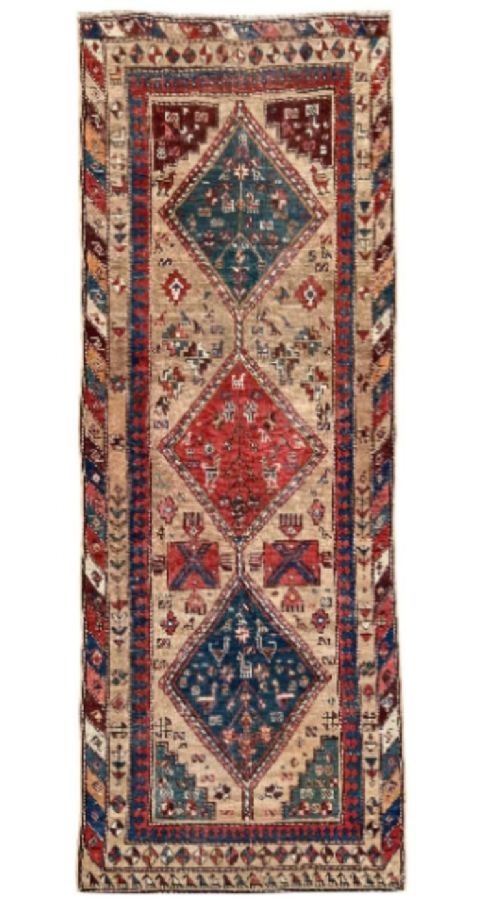
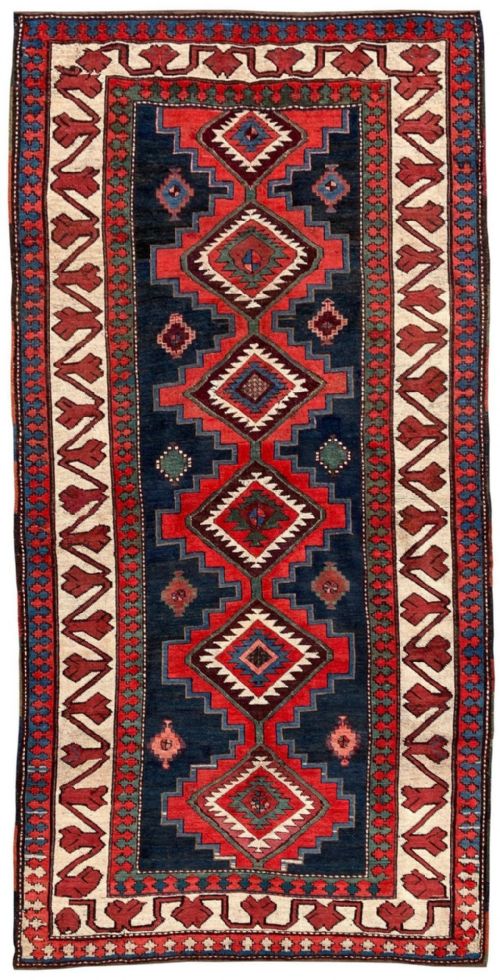
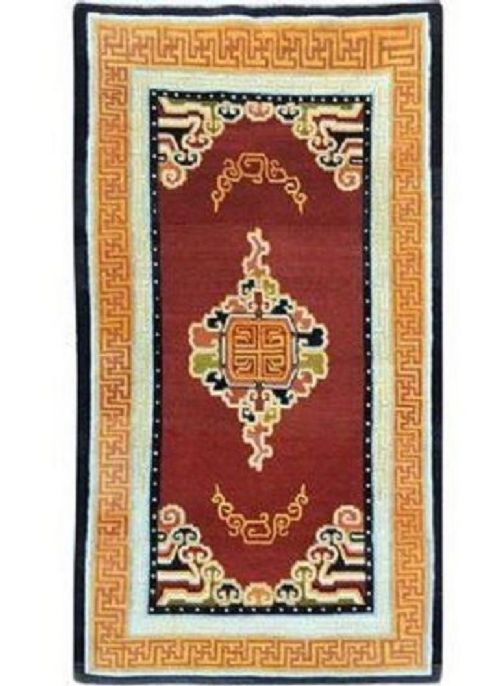
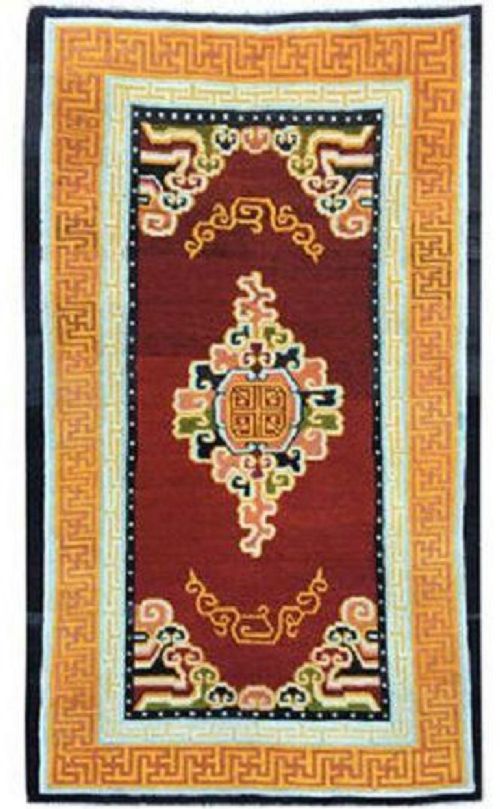
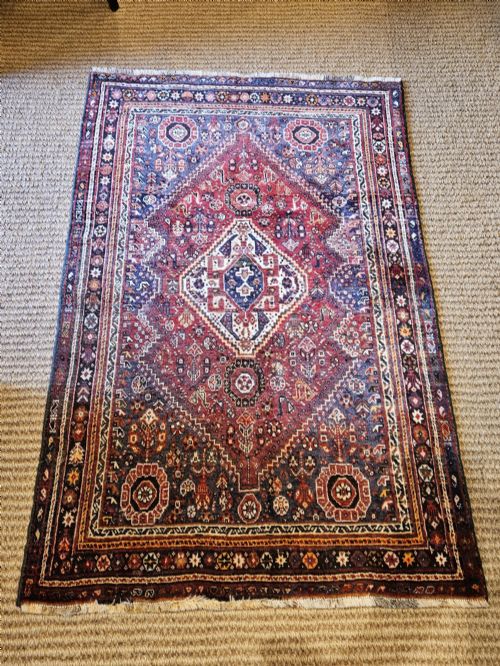
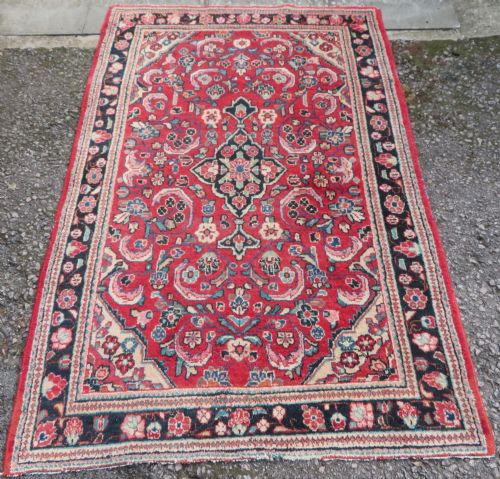
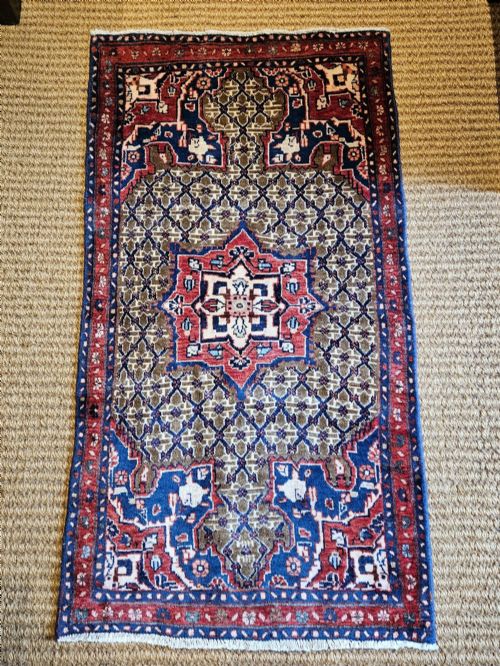
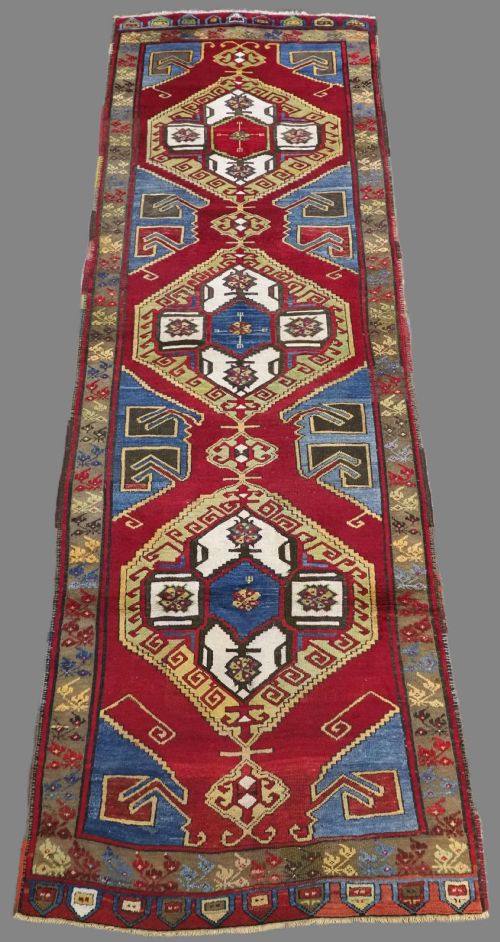
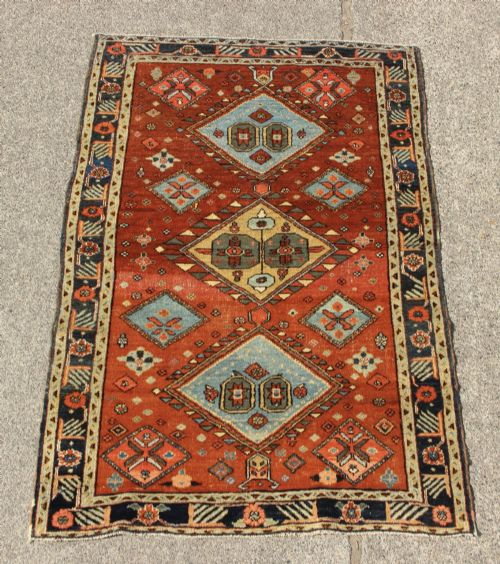
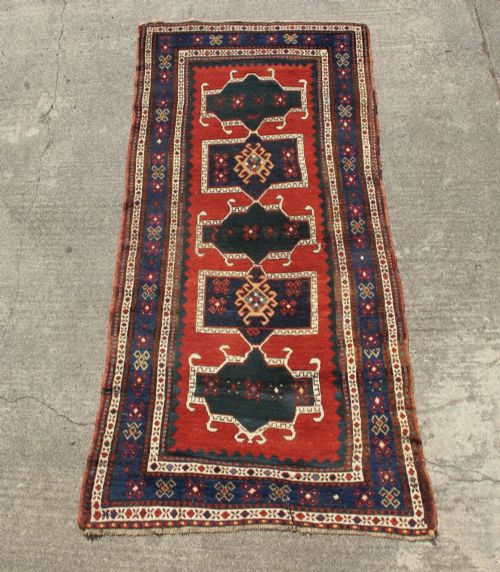
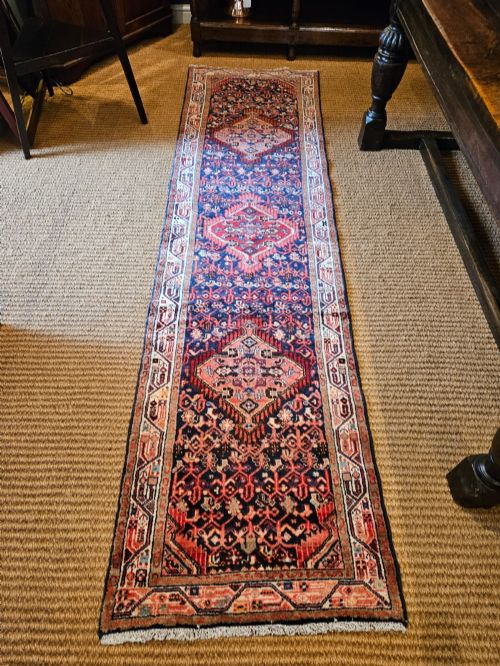
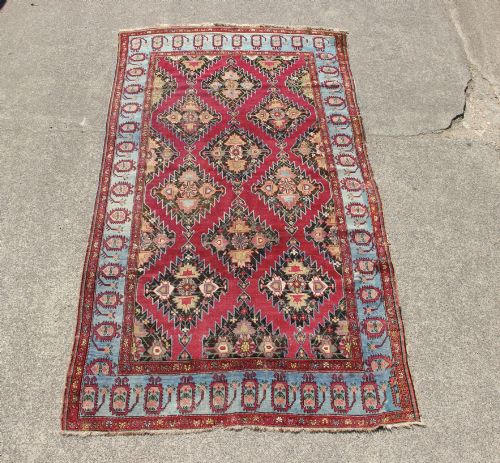
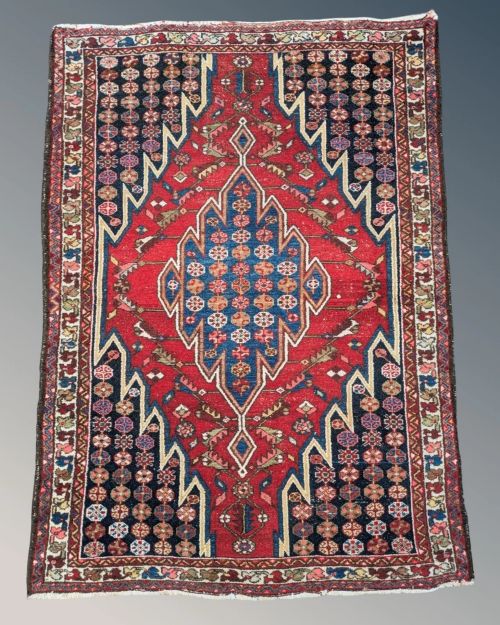
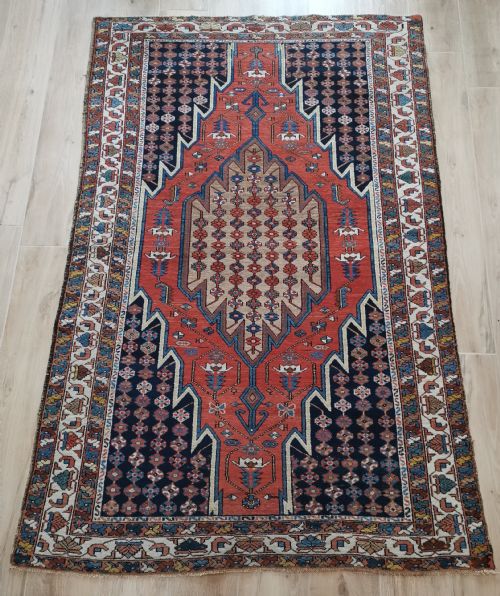
Red Medallion Runner Rug
These red medallion runner rugs bring warmth and structure to corridors, woven in wool from Persian, Anatolian, and Caucasian traditions across the late nineteenth and early twentieth centuries.
Red Medallion Runner Rug
A red medallion runner rug provides a linear format designed for hallways and narrow spaces, uniting bold central motifs with rich reddish grounds. These pieces emerge from diverse regional workshops and nomadic traditions, spanning styles from Persian tribal to Anatolian tribal and Caucasian weaving.
The inventory on this page draws heavily from early twentieth-century production, alongside nineteenth-century examples. Buyers encounter long formats labelled as runner rugs, long rugs, and runners, carrying the distinct geometry or floral motifs characteristic of classical village looms.
Materials and Construction
The pieces rely primarily on wool, cotton, and hand-spun wool, forming both the durable pile and the structural foundation of each runner. Weavers utilise traditional hand-knotted techniques to build dense, resilient surfaces capable of withstanding heavy daily passage.
Natural dyestuffs provide the characteristic red backgrounds and contrasting detail colours found across the regional groups represented here. The integration of sturdy cotton warps and hand-spun wool tufts secures structural longevity for these elongated formats.
Many village weavers deliberately introduced tiny intentional imperfections into their geometric medallions to ward off the evil eye.
Assessing Quality and Execution
Quality rests in the precision of the knotting and the handled tension of the foundation yarns, which dictate how flat and straight a long runner lies on the floor. Finer execution in regional village pieces produces crisp outlines within the central medallions and consistent pile density from end to end.
The complexity of the dye palette and the integrity of the wool fibres further divide standard commercial output from superior historic weaving. Tightly packed knots and well-balanced proportions demonstrate the higher capability of the original workshops.
The Red Medallion Runner Rug Glossary
- Runner
- An elongated carpet format specifically proportioned for corridors, hallways, and narrow architectural spaces. This shape guides foot traffic along a defined path.
- Medallion
- A central ornamental motif set into the field of the rug, often drawing the eye with symmetrical geometric or floral geometry. It serves as the primary focal point of the design.
- Pile
- The vertical or diagonal loop of yarn that forms the soft, wearable surface of the rug above the foundation. Pile height varies depending on regional shearing traditions and age.
- Warp
- The stationary longitudinal threads stretched across the loom upon which the knots are tied. Cotton and wool serve as the primary materials for these structural elements.
- Caucasian
- Pertaining to rugs woven in the Caucasus region, known for bold geometric patterns and strong primary colours. These pieces often display crisp, rectilinear medallions.
Red Medallion Runner Rug: Frequently Asked Questions
Where should I place a runner rug?
These elongated formats suit hallways, corridors, narrow entryways, and bedside spaces where linear floor coverage is required.
Their proportions direct movement through a room while protecting high-traffic wooden floors from wear.
How do I clean an antique wool rug?
Regular gentle vacuuming without a rotating brush roll removes surface dust and grit from the wool pile safely.
Professional specialist cleaning is recommended for deep maintenance to preserve the natural lanolin and historic dyes.
How can I tell a tribal rug from a village piece?
Tribal rugs typically feature asymmetric nomadic symbols, highly stylised animals, and memory-driven designs without strict cartographic layouts.
Village pieces often display more structured medallion arrangements and repeating geometric borders woven on stationary looms.
Do these rugs work with modern interiors?
The rich red tones and geometric medallions anchor minimalist or contemporary spaces with historical texture and organic warmth.
Their traditional patterns bridge contemporary neutral palettes with centuries of textile heritage.