




Red Mahogany Commode
A red mahogany commode brings deep timber tones and stately form to a room, offering practical storage through centuries-old craftsmanship.
Red Mahogany Commode
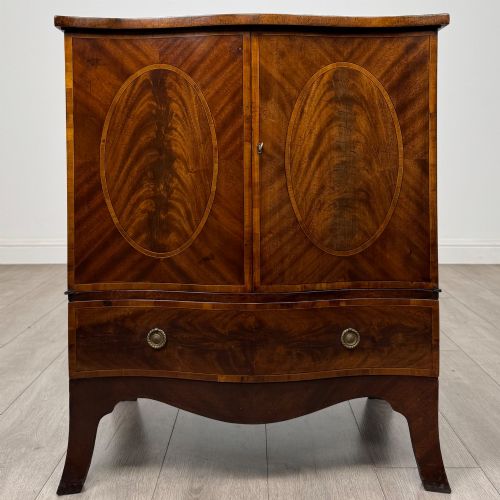
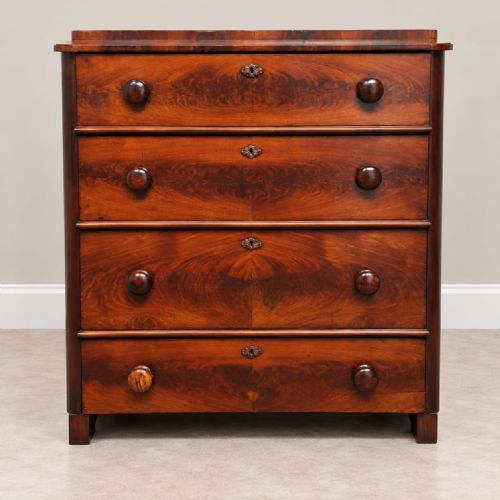
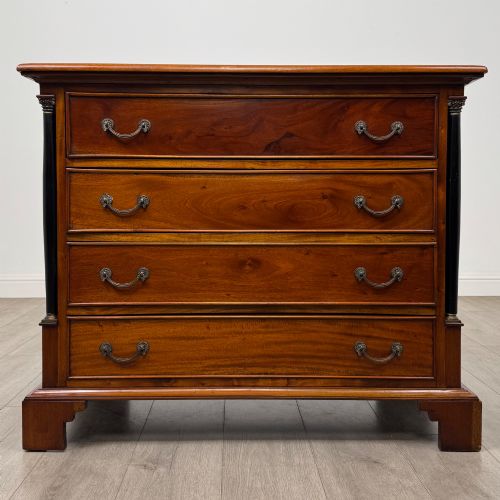
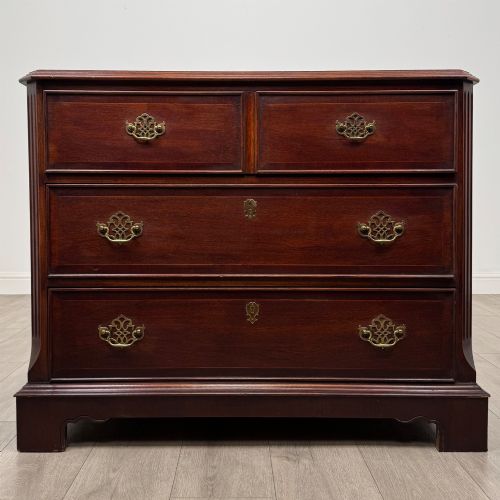
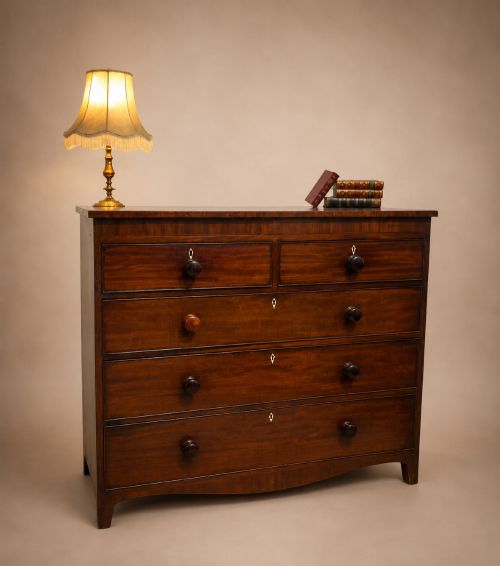
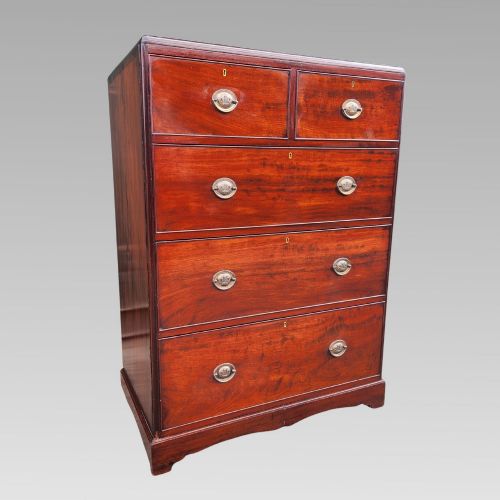
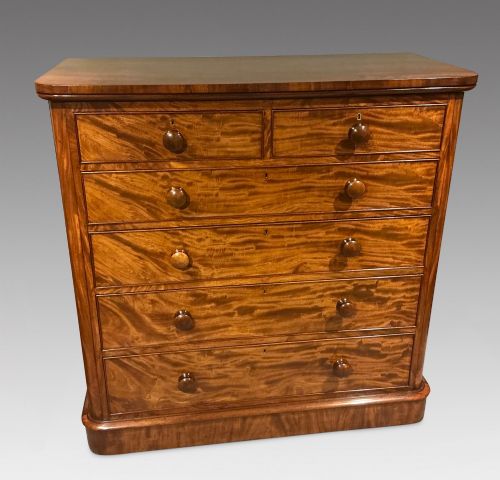
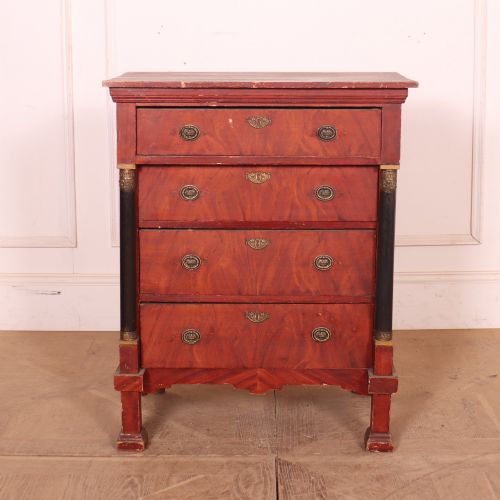
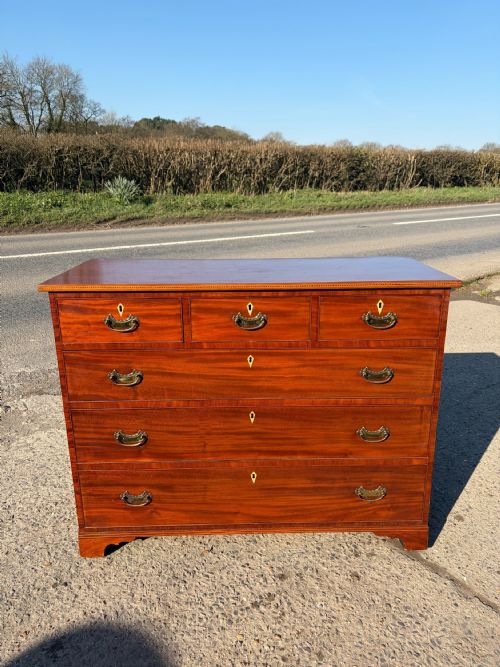
When you search for a red mahogany commode, you encounter a variety of forms including chests of drawers, side cabinets, and washstands originating from periods such as the 18th century, Georgian era, and Victorian times. These pieces serve as functional storage units with rich red timber tones, appearing in styles like Regency, Sheraton, and Chippendale.
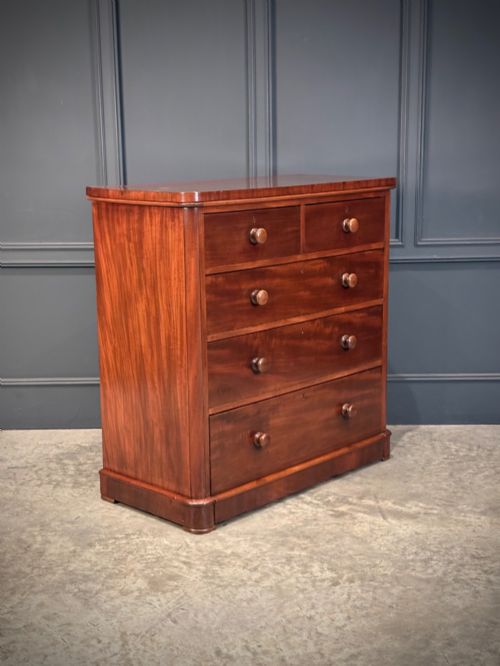
The version you are most likely to meet on this page is the classic mahogany chest of drawers, often featuring multiple drawer heights and standing on bracket or plinth feet. Alongside traditional chests, listings include specialised forms such as bachelor's chests with sliding shelves and marble-topped washstands.
Originating from British, French, and American workshops, these commodes reflect the distinct design preferences of their eras. Whether built with straightforward drawer configurations or elaborate serpentine fronts, each piece demonstrates the enduring utility of 18th-century and 19th-century case furniture.
Evaluating the craftsmanship
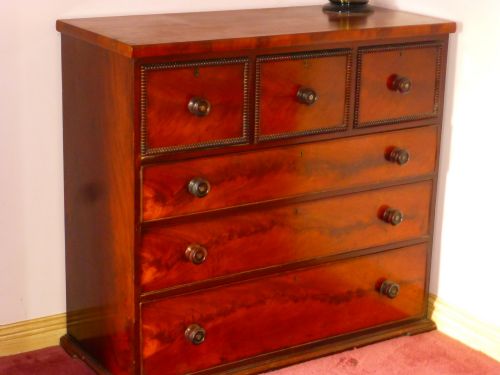
The distinction between standard examples and top-tier pieces rests on the choice of timber and the complexity of the carcass shape. Flame mahogany veneer with high figure intensity and book-matched symmetry elevates a commode above plain stock.
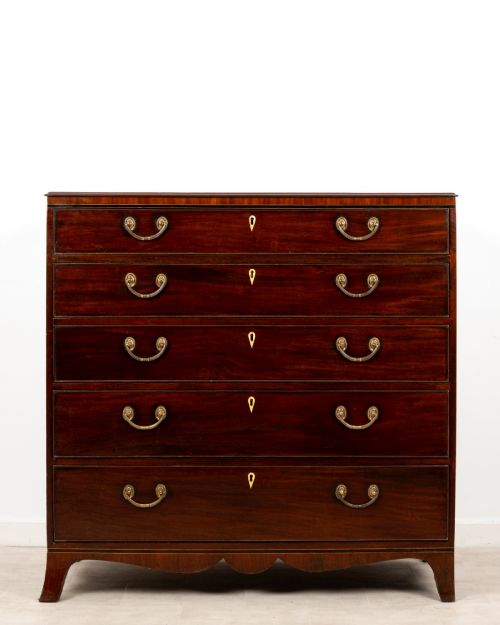
Structural refinement shows in the handling of serpentine or bowfront shapes, where timber must be curved or shaped with exact precision. Secondary wood selection and the retention of original brass hardware or marble tops also separate superior specimens from simpler utility pieces.
A miniature Regency commode stands ready to store nothing larger than a stray button or a very tidy mouse's secret diary.
Mon Krieger·Hepplewhite·Chippendale
The Red Mahogany Commode Glossary
- Flame mahogany
- A veneer cut from the fork of the mahogany tree, producing a distinctive flickering flame pattern. This figuring was prized by 18th-century cabinetmakers for primary drawer fronts.
- Brushing slide
- A pull-out shelf positioned above the top drawer, historically used for writing or grooming. It slides flush into the carcass when not in use.
- Serpentine front
- A furniture front curving outward in the centre and inward at the sides. This contour requires advanced woodworking skill to execute properly.
- Ormolu
- Gilded bronze used for decorative mounts and handles on continental and neoclassical commodes. The technique involves applying a gold-mercury amalgam to bronze.
- Biedermier
- A central European style emphasising utilitarian comfort and clean lines without excessive ornamentation. Pieces from this aesthetic rely on the natural grain of the wood for visual effect.
Red Mahogany Commode: Frequently Asked Questions
What is a red mahogany commode?
A red mahogany commode is a piece of case furniture designed for storage, encompassing chests of drawers, cabinets, and washstands. These items utilise rich mahogany timbers and span multiple historic design periods.
Craftsmen built them to serve bedrooms, parlours, and dressing rooms with deep drawers and decorative hardware.
How do I date a mahogany chest?
Dating relies on observing construction methods such as hand-cut dovetails, secondary woods, and hardware styles. Georgian and Regency pieces exhibit distinct proportions and decorative vocabulary compared to later Victorian iterations.
Examining the drawer linings and foot styles further clarifies the manufacturing era of the piece.
Where were these commodes made?
These commodes originate from workshops across Britain, France, America, and the Netherlands. Regional preferences dictated the choice of secondary woods, hardware, and decorative motifs.
Continental pieces frequently feature marble tops and ormolu mounts, whereas British examples often showcase figured mahogany veneers.
How do I care for mahogany furniture?
Mahogany furniture requires stable indoor humidity levels and protection from direct sunlight to prevent timber drying and fading. Regular dusting with a soft, dry cloth maintains the finish without chemical buildup.
Avoiding placement near heat sources preserves the structural integrity of the veneer and secondary woods.